What Are the Common Side Effects of FIP Medication

Feline Infectious Peritonitis (FIP) is a progressive and often fatal disease affecting cats, caused by certain mutations of the feline coronavirus. In recent years, medical advances have introduced new treatment options, most notably antiviral medications like GS-441524 and its close analogs, offering hope to cat owners and veterinary professionals. However, as with all active medications, understanding the possible side effects is crucial for making informed decisions and ensuring a cat’s well-being throughout therapy.
Understanding FIP Medication: A Brief Overview
FIP treatments, especially nucleoside analogs such as GS-441524 and remdesivir (GS-5734), work by inhibiting viral replication. These breakthrough drugs have redefined FIP prognosis, transforming a previously terminal diagnosis into a manageable condition for many cats. Most medications for FIP are administered via injection, although oral forms are also available in some regions.
Alongside these antivirals, some cats may receive supportive therapies, including corticosteroids, antibiotics, fluids, nutritional support, and immune modulators—to address secondary infections or relieve symptoms.
Common Side Effects: What Cat Owners Should Expect
Like all pharmaceuticals, FIP medications can cause adverse effects. Side effects can range from mild and self-limiting to serious and requiring intervention. Timely recognition and appropriate management are essential.
Injection Site Reactions
One of the most frequently reported issues with GS-441524 therapy is local reaction at the injection site. These may manifest as:
Redness or swelling
Tenderness or pain
Lumps or nodules
Scabs or lesions
These reactions typically resolve within several days. Pain management and proper injection technique help minimize discomfort.
Gastrointestinal Upset
Some cats receiving FIP treatment may display gastrointestinal symptoms:
Vomiting
Diarrhea
Loss of appetite
Weight loss
Such symptoms can result from the antiviral itself or secondary effects of FIP. Most cases are mild, but persistent gastroenteric signs should be communicated to a veterinarian, as they may indicate the need for dosage adjustment.
Lethargy and Behavioral Changes
A subset of cats experience temporary lethargy during FIP therapy. This can appear as reduced activity, reluctance to eat, or excessive sleeping. Behavioral changes are typically transient and may improve as treatment progresses. Continuing to monitor hydration and nutrition helps avoid clinical deterioration.
Hematologic and Biochemical Abnormalities
Antiviral drugs can influence organ function and blood cell counts. Routine laboratory monitoring is essential for early detection. Possible abnormalities include:
Mild increases in liver enzymes (ALT, AST)
Elevated kidney markers (creatinine, BUN)
Changes in white blood cell or platelet counts
Rarely, some cats develop more severe changes, such as pancytopenia or significant organ dysfunction. These adverse events necessitate prompt veterinary attention and possibly discontinuation of therapy.
Allergic and Hypersensitivity Reactions
While uncommon, cats may react negatively to FIP medications through allergic mechanisms. Signs can involve:
Facial swelling
Hives or skin rashes
Breathing difficulty
Collapse
Immediate veterinary intervention is required for allergic reactions.
Long-Term Health Impacts
Although data are limited due to the relatively recent introduction of effective FIP drugs, some concerns remain regarding possible delayed or cumulative side effects. These include:
Chronic organ strain (liver, kidney)
Possible impact on bone marrow function
Secondary infections due to immunosuppression
Long-term studies are ongoing, but so far, most cats treated successfully remain healthy after therapy with no known substantially increased risks.
Factors Influencing Side Effect Likelihood
Not all cats are equally susceptible to medication side effects. Several factors change the risk profile:
Age and underlying health: Kittens or older cats, or those with concurrent illnesses, have greater vulnerability.
FIP form and severity: Dry (non-effusive) and wet (effusive) FIP present differently; severely ill cats may be predisposed to complications due to their underlying condition.
Medication dose and duration: Higher doses or longer treatment courses correlate with more frequent side effects.
Concurrent medications: Cats receiving supportive drugs, especially steroids or antibiotics, might develop additional side effects due to drug interactions.
Managing and Minimizing Side Effects
Cat owners and veterinarians can take steps to reduce and manage adverse reactions in FIP treatment:
Administer medications per veterinary guidance: Proper dose, route, and schedule help minimize risk.
Monitor for early symptoms: Careful daily observation for behavioral, gastrointestinal, or skin changes allows for swift intervention.
Routine laboratory tests: Bloodwork before, during, and after therapy can catch early biochemical changes.
Supportive care: Hydration, nutritional support, and pain management are critical for comfort and recovery.
Education and preparedness are key; many side effects, once recognized, can be modified by dose adjustment, supportive measures, or switching medications under veterinary supervision.
Rare but Serious Complications
Most side effects of FIP medications are mild and manageable, but rare severe problems can occur:
Acute organ failure: Rapid onset kidney or liver failure has been reported in isolated cases.
Severe anemia or neutropenia: Marked decrease in blood cell production may lead to weakness, bleeding, or infection.
Anaphylaxis: Life-threatening allergic responses are extremely rare but require emergent medical action.
Understanding risk allows cat owners to make informed choices and remain vigilant throughout the course of treatment.
Differentiating Disease Symptoms from Drug Side Effects
A crucial challenge in FIP treatment is distinguishing between adverse effects due to medication and clinical signs caused by the underlying disease itself. FIP, by nature, causes a range of symptoms—fever, weight loss, abdominal swelling, neurological signs—that can overlap with drug-induced changes.
Veterinarians use laboratory monitoring, clinical examination, and owner-reported observations to separate drug reactions from disease progression. Early communication is vital; any new or worsening sign during therapy warrants professional evaluation.
Owner Experience and Emotional Implications
The journey of FIP treatment often comes with emotional highs and lows. Cat owners sometimes feel anxious about possible side effects or discouraged by temporary setbacks. Support networks—online communities, veterinary staff, and informed guidance—keep owners educated and empowered.
The transparency provided by dedicated care teams in describing possible side effects helps foster trust and aids in adherence to therapy.
Advances in FIP Medication and Future Prospects
New antiviral compounds are constantly in development for feline coronavirus infections, aiming for even safer and more effective options. Oral forms of GS-441524 and related molecules may reduce injection-site complications and improve convenience.
Veterinary researchers continue to investigate:
Dose-optimization: Finding the lowest effective dose to decrease side effect incidence.
Supportive therapies: Adjunctive treatments to minimize gastrointestinal and behavioral symptoms.
Safe alternatives: New drugs with fewer systemic adverse effects.
As more cats receive successful FIP therapy, data on long-term safety and possible chronic complications will continue to expand.
Role of the Veterinarian in Monitoring and Safety
Veterinarians are the keystone of safe FIP management. Their responsibilities include:
Educating owners about what side effects to expect
Creating a tailored monitoring schedule
Intervening quickly for any adverse event
Navigating changes in therapy as needed
Collaboration between owner and vet is the foundation for a positive outcome.
Special Populations: Kittens, Senior Cats, and Multi-Cat Households
Certain populations require additional consideration when using FIP medications:
Kittens: Higher sensitivity to drugs due to immature organs
Senior cats: Reduced organ reserve increases risk of complications
Multi-cat households: Monitoring for viral spread and adverse effects among group members, especially if multiple cats are treated together
Higher vigilance, more frequent checkups, and gradual dosing may be indicated.
Reporting Side Effects: Importance for Medical Progress
Documentation and reporting of side effects by cat owners and veterinarians is vital. Each case adds to broader understanding of FIP medication safety and guides future recommendations and drug development.
Many manufacturers collect post-market surveillance data. Sharing experiences, both positive and negative, with the veterinary community is encouraged.
Nutritional and Lifestyle Support During FIP Therapy
Nutrition is a foundational pillar for cats undergoing FIP treatment. High-quality food, gastrointestinal supplements, and adequate hydration support recovery and minimize complications. Stress reduction, environmental enrichment, and gentle handling also reduce behavioral side effects.
Practical Tips for Cat Owners
Give medication at the same time daily
Use recommended injection sites and rotate locations if possible
Keep a journal detailing cat’s eating, drinking, and behavior
Schedule regular veterinary rechecks and laboratory tests
Be alert for early signs of adverse reaction
Proactive owner engagement can dramatically improve recovery and overall safety.
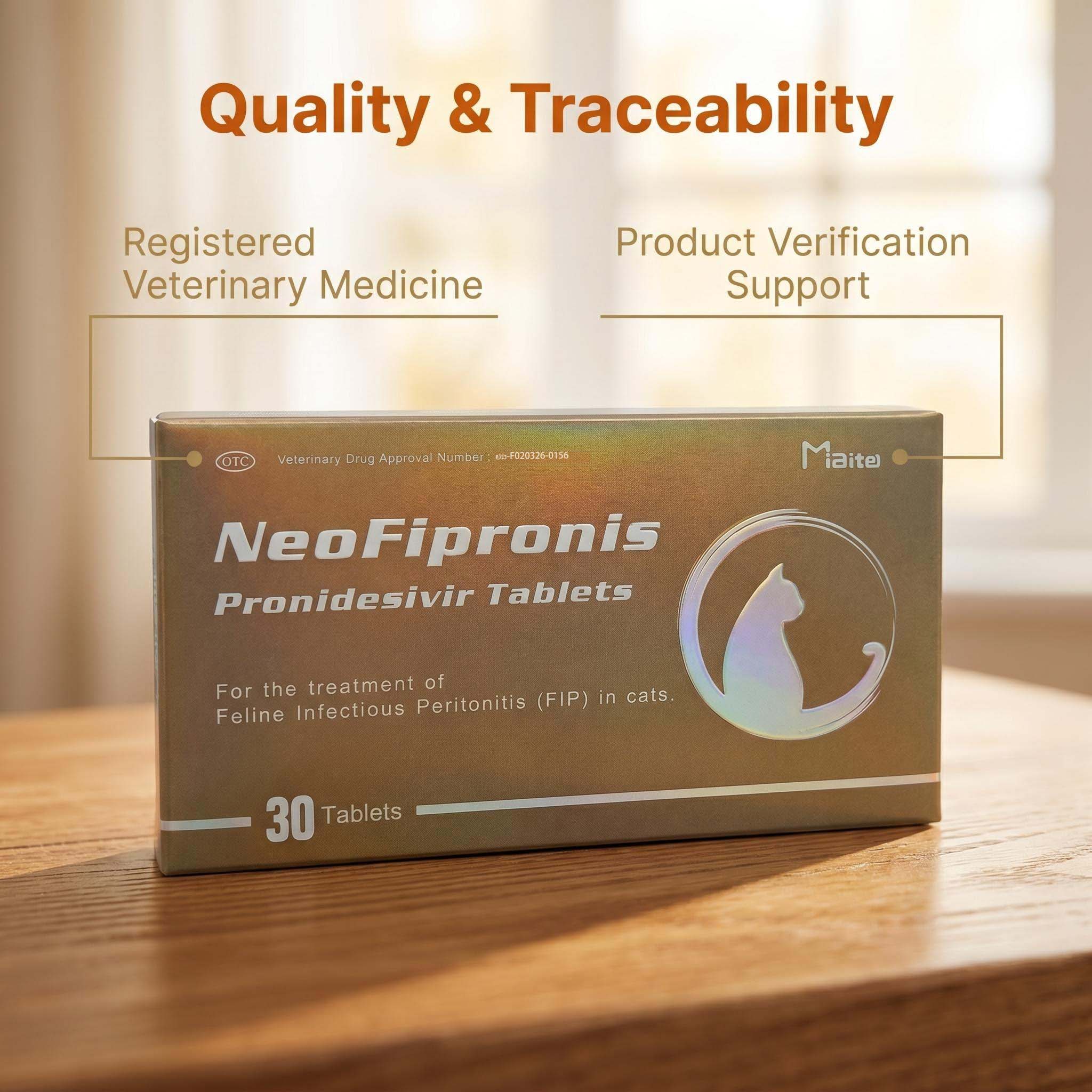
Unregulated Sources and Risk of Side Effects
As FIP medications are not yet FDA-approved for veterinary use in many countries (including the United States), some owners obtain drugs from unregulated sources. This carries risks:
Variability in drug purity, potency, and safety
Higher likelihood of contamination, improper dosage, or harmful additives
Greater possibility for unexpected side effects
Always consult with a licensed veterinarian before administering any FIP medication.
Current Research Directions
Research priorities in FIP therapy focus on:
Comprehensive safety profiling of newer antiviral drugs
Long-term follow-up of treated cats
Exploration of genetic predisposition to side effects
Development of more precise dosing strategies
This growing body of evidence continues to refine the clinical approach to FIP.
Concluding Thoughts: Vigilance, Hope, and Parenthood
For cats and owners facing an FIP diagnosis, powerful new medications deliver optimism. Being aware of possible side effects, actively involved in care, and communicating with veterinary professionals maximizes the chances for a safe, successful treatment.
Science and compassion together will continue to advance care for cats with FIP.
References
1. Pedersen, N. C. (2019). An update on feline infectious peritonitis: diagnostics and therapeutics. Veterinary Journal, 255: 64-73.
2. Dickinson, P. J., Bannasch, M. J., Thomasy, S. M., et al. (2020). Antiviral therapy using GS-441524 in cats with naturally occurring FIP. Journal of Feline Medicine and Surgery, 22(12): 1136-1147.
3. Murphy, B. G., Perron, M., Murakami, E., et al. (2018). The nucleoside analog GS-441524 strongly inhibits feline coronavirus infection. Journal of Feline Medicine and Surgery, 20(4): 378-386.
4. Tasker, S., & Kipar, A. (2022). Feline Infectious Peritonitis: Update on Pathogenesis and Treatment. Veterinary Clinics of North America: Small Animal Practice, 52(1): 111-134.
5. Addie, D. D., & Jarrett, O. (2021). FIP Treatment Experience and Adverse Event Reporting. FIP Advice and Guidelines (fipcats.com).
6. U.S. Food and Drug Administration (FDA). (2023). Compounding animal drugs from bulk drug substances. Retrieved from https://www.fda.gov
7. Wang, Y. T., Tse, L. W., Huang, Y. H., et al. (2023). Outcomes and adverse event reporting in cats treated for FIP in the United States. Feline Health Research, 6(2): 101-109.
8. American Association of Feline Practitioners (AAFP). (2022). Owner’s guide to FIP treatment and monitoring. Retrieved from https://catvets.com
9. Norris, J. M., Bosward, K. L., & White, J. D. (2022). Addressing safety of experimental FIP medications: a clinical perspective. Journal of Comparative Veterinary Medicine, 15(3): 217-226.