Oral Vs Injectable Medication for FIP — What Owners Should Know
Introduction to Feline Infectious Peritonitis (FIP) and Its Treatment
Feline infectious peritonitis (FIP) used to be considered a fatal diagnosis for cats. Case reports and studies have shown a remarkable shift with the development and access to antiviral treatments, especially in the form of GS-441524, a nucleoside analog. For pet owners and veterinary professionals alike, there remains a critical question: Should the GS-based medication for FIP be given orally or by injection? Each method carries its own advantages, challenges, and implications for both cat and caretaker.
The FIP Virus and Antiviral Therapies
FIP is caused by a mutation in the feline coronavirus (FCoV), leading to widespread inflammation and organ damage. Previously, care for FIP was palliative, but antivirals like GS-441524 and GC376 now offer the possibility of remission. GS-441524 can be administered either as an injection under the skin (subcutaneously) or as an oral tablet or capsule.
How Oral and Injectable GS Medications Work
The effectiveness of FIP therapy hinges on the medication’s absorption and its ability to suppress viral replication. With injectables, GS goes directly into the bloodstream, bypassing gastrointestinal absorption. Oral medications must pass through the digestive system before entering circulation. While both routes aim for high systemic bioavailability, real-world factors can affect the overall absorption and distribution.
Ease of Administration: What Owners Experience
Injecting a cat daily can be a daunting task. Cats often find subcutaneous injections painful, and some may develop localized swelling, sores, or scarring at injection sites. Stress during repeated injections may reduce quality of life for both pet and owner. Oral medications, typically provided in a flavored tablet or capsule, are often easier to give, especially for cats accustomed to pill-taking.
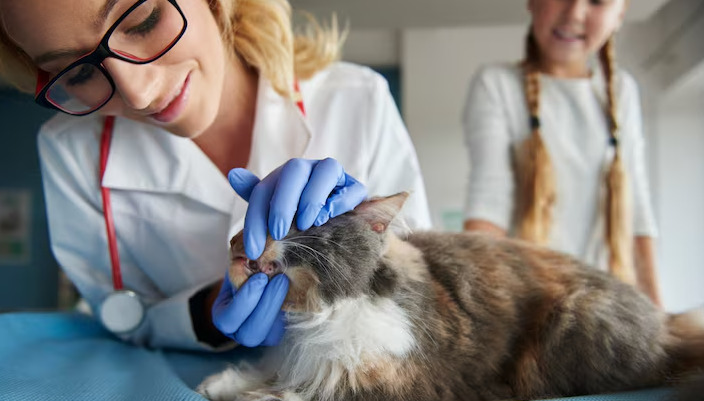
However, oral administration can be challenging for certain cats. Feral or extremely timid cats, or those with significant oral inflammation (gingivitis, stomatitis), might resist or be unable to swallow pills. Spitting out or vomiting the medication are potential risks that could affect the treatment success rate.
Absorption and Bioavailability: What Science Shows
Recent pharmacokinetic studies show differences between oral and injectable GS-441524 absorption. Injectable forms generally reach therapeutic blood levels quickly and reliably. Oral GS products can be more variable in terms of absorption, due to differences in digestive health, food intake, or underlying disease states in the GI tract.
Bioavailability—the proportion of drug that enters circulation—can be affected by the manufacturer, formulation, and even the individual cat's metabolism. Most published research has been based on injectable GS; oral forms have less published, peer-reviewed data, but clinical success stories are now plentiful.
Efficacy Against Various Forms of FIP
FIP presents as either "wet" (effusive) or "dry" (non-effusive) disease. More severe neurological and ocular (eye) forms of FIP are known to be challenging to treat. Because injectable GS tends to reach higher blood—and sometimes cerebrospinal fluid—levels, it is widely believed to be preferable for cats with brain or eye involvement. Many protocols suggest switching to or combining injections if cats develop neurologic or ocular FIP during therapy. For cats without brain or eye signs, oral therapy can be as effective as injections, provided bioavailability is high.
Side Effects and Risks
Injectable GS is notorious for injection site pain, especially with certain brands or less precise injection technique. Site reactions can include swelling, fur loss, and, in rare cases, abscess formation. Owners must rotate sites and practice safe handling to minimize these risks.
Oral GS usually does not cause local pain, but may occasionally cause vomiting, diarrhea, or decreased appetite. Risks of aspiration also exist if tablets are forced into struggling cats. For both oral and injectable forms, GS is generally very safe, with very rare kidney or liver side effects. Routine bloodwork monitoring is recommended to assess organ health through the course of therapy.
Owner Compliance and Quality of Life
Practical aspects shape treatment success as much as the drug itself. A treatment protocol requiring 84 days of injections may be overwhelming for some owners. Missed doses, incorrect administration, or early cessation can risk relapse. Oral medication regimens are easier for the majority of owners and can improve compliance and minimize emotional stress.
Cats with significant aversion to medications or handling may require creative solutions. Some cat owners have worked with compounding pharmacies, while others focus on acclimatization and reward-based handling to minimize stress.
Cost and Accessibility
In most markets, injectable GS is favored at the start of FIP therapy for acute, severe, or neurologic cases. It can be more expensive upfront and might require syringes, needles, and cold storage. Oral GS, now available from more sources worldwide, is increasingly affordable and easier to transport or store. In the United States, regulatory status remains complex, with most GS sources classified as unlicensed or "gray market" pharmacies, requiring buyer due diligence.
Veterinary Protocols and Transitioning Between Routes
Some veterinarians recommend starting every FIP case with injectable GS for a week or two (so-called "loading dose"), then switching to oral therapy for the remainder of treatment. Still others may tailor protocol based on the cat’s specific disease form, ease of handling, and response to the first week of therapy. Switching from injection to oral is common after initial improvement, which helps reduce pain and improve owner compliance for the lengthy course required.
Drug Quality and Storage Considerations
Efficacy depends on the source and consistency of the drug. Owners are encouraged to obtain laboratory reports (when available) for each batch or brand, and to store GS according to manufacturer guidelines. Injectable GS often needs refrigeration and careful handling because it contains solvents and can degrade if exposed to heat or sunlight. Oral GS is typically more stable at room temperature, but is still susceptible to humidity and age. Both oral and injectable medications must be given precisely as directed, with no skipped doses, for best results.
Drug Interaction and Underlying Conditions
Concurrent illnesses such as chronic kidney disease, gastrointestinal issues, or ongoing infection could impact the absorption or safety of FIP medications. Cats on multiple drugs may require closer monitoring for side effects or potential drug interactions. Owners should always alert their veterinarians to all medications a cat is receiving—no matter how minor.
Supportive Care and Monitoring During FIP Treatment
Regardless of administration route, supportive care remains a cornerstone of FIP therapy. Cats may require intravenous fluids, nutritional supplements, appetite stimulants, antibiotics (if secondary infections are present), or medications to control fever and inflammation. Regular veterinary visits, bloodwork (CBC, chemistry profile), and sometimes imaging (ultrasound, x-rays) help track recovery and side effects.
Prognosis and Relapse Risk
With proper diagnosis, consistent therapy, and support, most cats treated for FIP now see significant improvement and many make full recovery. Relapses are most often linked to inconsistent drug dosing, premature cessation of medication, or using a preparation with low bioavailability. Owners must adhere strictly to the veterinarian-recommended protocol, regardless of oral or injectable form.
Making the Choice: Oral vs. Injectable GS for FIP
Choosing between oral and injectable GS for FIP ultimately involves a partnership between pet owners, veterinarians, and (where possible) the compounding pharmacy. Considerations include:
The cat’s temperament and health condition
The specific FIP manifestation (wet, dry, ocular, neurologic)
Owner comfort and ability to administer medication
Cost and drug source reliability
The cat’s response to initial therapy
Ease of follow-up veterinary visits
Owners are encouraged to have transparent discussions with their veterinarians about all these factors. As more real-world data accumulates and more GS-based therapies become available, individualized treatment plans will continue to improve.
References
1. Pedersen NC, et al. "Efficacy of a 3C-like protease inhibitor in treating various forms of acquired feline infectious peritonitis." Journal of Feline Medicine and Surgery.
2. Krentz D, et al. "Pharmacokinetics of the anticoronaviral nucleoside GS-441524 in cats: A model for extemporaneous oral administration." Journal of Veterinary Pharmacology and Therapeutics.
3. Addie D, et al. "Feline infectious peritonitis: ABCD guidelines on prevention and management." Journal of Feline Medicine and Surgery.
4. Murphy BG, et al. "The use of GS-441524 in the treatment of feline infectious peritonitis." Veterinary Medicine: Research and Reports.
5. Dickinson PJ, et al. "Antiviral treatment using GS-441524 in cats with naturally occurring FIP and neurologic involvement." Journal of Veterinary Internal Medicine.
6. Tasker S. "Diagnosis and management of feline infectious peritonitis." In Pract.