Why Completing the Full Course of FIP Medication Is Important
Feline Infectious Peritonitis (FIP) stands as one of the most daunting viral diseases affecting cats globally. It emerges due to a mutation of feline coronavirus and, until recently, was almost always fatal. With breakthroughs in antiviral treatment, especially drugs like GS-441524 and related nucleoside analogs, hope has been restored to cat owners and veterinarians. Yet, successful management relies heavily on completing the full course of medication. Here’s why this step is crucial for your cat’s health, the science behind it, and the practical realities faced in the United States.
Understanding FIP and Its Treatment
FIP most commonly affects kittens and young cats, though adults are not immune. It presents either as the “wet” form, with fluid accumulation in the abdomen or chest, or the “dry” form, with more subtle organ involvement. Because the disease is progressive and immune-mediated, treatment must do more than just alleviate symptoms; it must suppress and ultimately clear the viral infection.
In recent years, antiviral medications targeting the virus’s replication process have transformed management. GS-441524, a precursor to remdesivir, and other related treatments have shown that many cats can achieve remission—but only if the medication is administered correctly and for a sufficient duration.
What Does “Full Course” Mean?
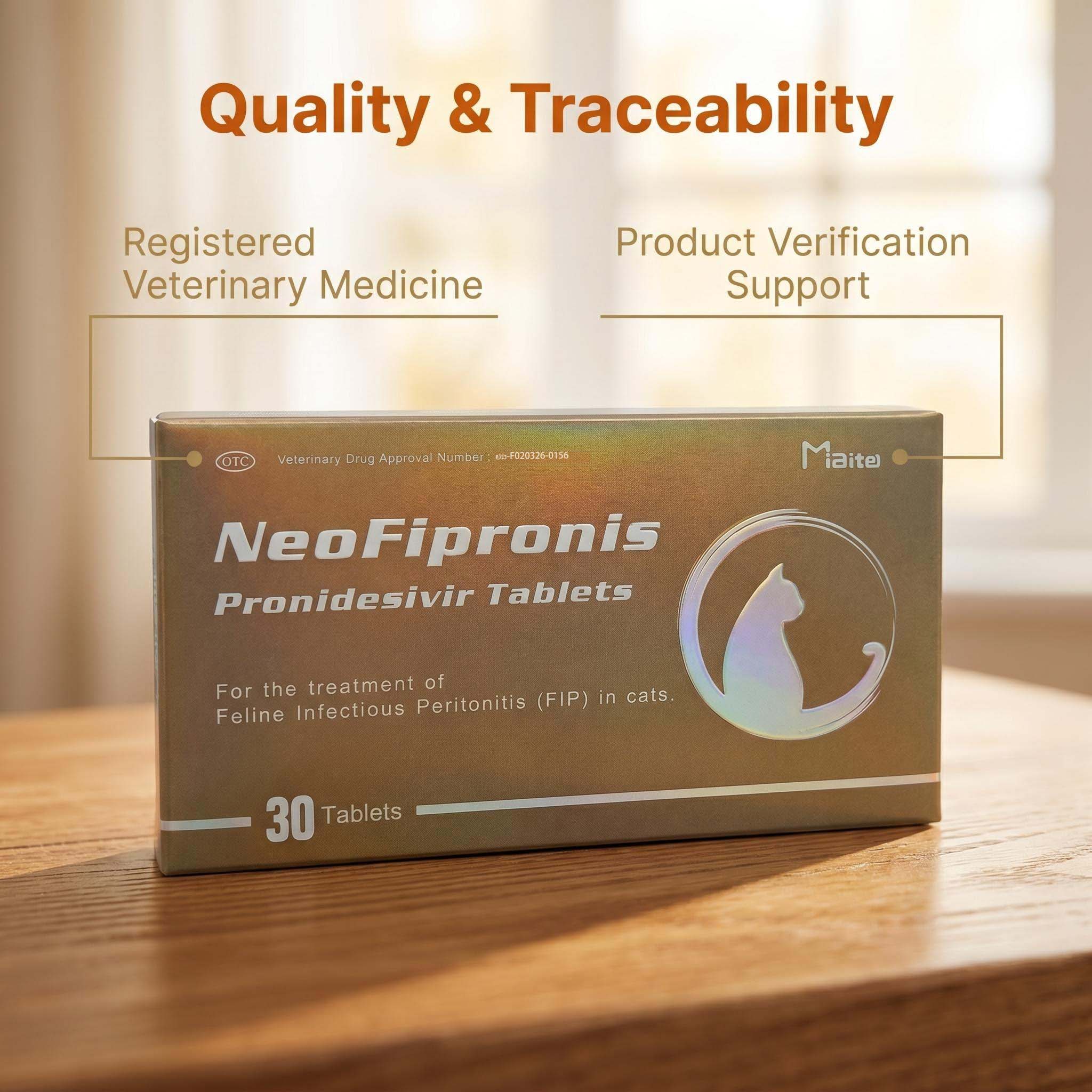
Completing the full course means administering the recommended dose of medication—usually via daily injections or tablets—for a prescribed number of weeks, typically 84 days (12 weeks). This duration is based on research demonstrating that shorter treatments often lead to relapse, while the full course maximizes the chance of killing the virus throughout the body.
Stopping treatment early, missing doses, or reducing the dose can allow the virus to re-emerge, sometimes even more resistant than before. Think of it like fighting a fire: if you stop before all embers are extinguished, a new blaze can erupt.
Viral Clearance: The Key to Curing FIP
Antiviral therapy doesn’t immediately eradicate the virus. Instead, it suppresses viral replication, giving the cat’s immune system time to recover and the body to heal. If medication is discontinued too soon, some viral particles may linger, reigniting the disease days, weeks, or even months later.
Clinical studies in the U.S. and abroad have shown that cats who complete the full course have far lower relapse rates. Those who don’t often require even longer and more intensive therapy if the disease returns. This cycle can be devastating emotionally and financially for owners.
Preventing Viral Resistance
Incomplete treatment is one of the main drivers of drug-resistant viruses. When medication is stopped early, surviving viruses may develop mutations making future treatment less effective. This phenomenon is well-documented in human medicine and is increasingly recognized in veterinary antiviral therapy.
Each dose is part of a carefully planned medical strategy. By finishing every day of the prescribed therapy, you help ensure that any remaining virus is exposed to the drug long enough to be destroyed, limiting the chance it adapts or fights back.
Immune System Dynamics: Why Timelines Matter
Cats suffering from FIP often experience immune dysfunction due to the viral infection and chronic inflammation. Even as outward symptoms begin to resolve, their immune system may still be fragile. The medication supports the repair process.
Research into feline immune health reveals typical timelines for recovery and re-balancing immune cells. These timelines match up closely with the recommended medication course. Stopping early leaves the job unfinished, while consistent treatment gives every cell the best chance to recover fully.
Monitoring Process: Why Follow-Up Matters
U.S. veterinarians rely not only on medication but also on regular checkups during and after treatment. These may involve examining your cat’s physical condition, checking bloodwork, and assessing organ function. The reason for ongoing monitoring is straightforward: occasional relapses may occur even after the full course; catching them early increases the odds of successful retreatment.
Missing appointments or skipping bloodwork can mask problems until it’s too late. Careful observation during the full medication window helps veterinarians tailor therapy and address complications as soon as they arise.
Practical Challenges and Solutions in the United States
Treatment for FIP is often costly and demanding, with owners administering daily injections or pills for up to three months. Emotional fatigue, financial stress, and technical barriers are common. Yet numerous U.S. pet support groups and veterinary practices are dedicated to helping families complete the full course. Social media communities, fundraising initiatives, and telemedicine consultations have emerged as lifelines for owners.
Pharmacy access is another concern. Some medications may not yet be widely approved or available through traditional channels in the U.S., meaning owners must coordinate careful purchasing and storage. With these challenges in mind, completing the course is even more heroic—and more essential.
Risks of Incomplete Treatment: Real-World Stories
Case studies abound of cats who seemed to be improving and had their medication tapered early, only to relapse, sometimes more severely. In these instances, further treatment was required—often with higher costs and more intensive effort.
Conversely, cats whose owners persevered, finishing every injection or tablet, have gone on to achieve long-term remission, returning to playful, healthy lives. This stark contrast underlines the importance of every dose.
Behavioral and Psychological Benefits for Cats and Owners
Owners often ask: “Isn’t it cruel to keep injecting my cat for so long?” While the process can feel daunting, consider the alternative: risking relapse or incomplete cure. Short-term discomfort is outweighed by the long-term benefit of a healthy life. Many cats adapt quickly to medication, and veterinarians can offer tips for easing stress, managing pain, and fostering resilience.
For owners, the discipline of following through provides peace of mind. Knowing that you’ve done every single thing possible to help your cat strengthens the bond between pet and person.
Common Myths Addressed
Some sources suggest that improvement after a few weeks means the disease is gone. This is a dangerous misconception. Symptoms often abate before viral clearance is reached. Only ongoing therapy can truly eliminate the risk of a comeback.
Another myth is that skipping a few doses is harmless. Feline viruses can multiply rapidly, and even short breaks may allow them to gain ground.
Long-Term Outcomes: Research and Data
Scientific studies conducted in North America and Europe provide robust evidence that cats who finish their full medication course have survival odds far exceeding previous generations. In published clinical trials, survival rates beyond one year have topped 70%, compared with a near-certain fatality rate prior to antiviral therapy. Recurrence rates drop dramatically for those who complete the full protocol.
Historical data also demonstrate that incomplete or inconsistent treatment leads to patchy results, premature discontinuation, or the appearance of new symptoms.
Guidelines from Veterinary Authorities
The American Association of Feline Practitioners (AAFP), the Cornell Feline Health Center, and other respected U.S. bodies all stress the necessity of finishing therapy as prescribed. Their guidelines are built on years of laboratory research and clinical experience. Deviating from the published protocol puts your cat at risk.
Veterinarians have a legal and ethical obligation to recommend evidence-based care. They know that long-term disease control is directly linked to treatment consistency.
Special Considerations: Non-Responders and Complicated Cases
Not every cat responds perfectly to therapy. Sometimes, underlying health conditions or advanced organ damage mean results will be limited. For these cases, finishing the full course remains essential, even though outcomes may vary.
Some cats may need dosage adjustments or alternative therapies, but stopping early is never recommended except under direct veterinary supervision—if, for instance, adverse reactions demand a change.
Owner Support Networks
In the U.S., organizations like the FIP Warriors and local humane societies offer guidance for owners going through the difficult journey of FIP therapy. They provide peer support, tips for medication administration, and reassurance during setbacks.
These networks often document striking examples of success, and their collective wisdom reinforces the lessons learned in clinical research: perseverance pays off.
Financial Strategies for Medication Completion
Given the high costs often associated with FIP medication, many owners seek creative solutions to ensure the full course is feasible. Payment plans offered by some veterinarians, fundraising platforms, nonprofit grants, and community support all play a role.
Delaying or denying treatment due to financial hardship is a tragic reality. Humane organizations in the U.S. are working to make FIP therapy more accessible, and concerned owners should ask their vet about available resources.
Improving Adherence: Practical Tips
Successful completion of medication relies on a few critical strategies:
Establish a daily routine, with reminders set for administering each dose.
Keep detailed charts of medication given and any symptoms observed.
Communicate regularly with your vet, especially if side effects or questions arise.
Join online owner communities for encouragement and troubleshooting.
Prepare supplies ahead of time to avoid running out of medication unexpectedly.
These steps collectively increase the chances your cat will finish the course and reach remission.
Veterinary Innovations Supporting Complete Therapy
Some U.S. veterinary practices now offer at-home nursing visits for families struggling with daily injections, or telemedicine follow-ups to ensure adherence. Pharmaceutical advancements are also underway to make oral and long-acting formulations more user-friendly.
These innovations reflect a growing understanding that completing treatment is not just a medical challenge but a practical one.
Early Recognition and Prompt Medication Initiation
Cats diagnosed early in the course of illness fare better than those with advanced disease. Beginning antiviral therapy at the earliest possible stage increases survival odds, but, again, only if the medication is carried through to the end.
Veterinary outreach in the U.S. now emphasizes FIP awareness for young cats in shelters, breeders, and multi-cat households, aiming for earlier detection and intervention.
The Role of Follow-Up Testing
At the conclusion of the full course, most vets recommend continued monitoring for several weeks to months. Follow-up blood tests and imaging can confirm disease remission. This extra vigilance is only relevant if the entire initial course was completed; partial treatment leaves lingering uncertainty.
Veterinarian-Owner Partnership
Ultimately, the fight against FIP is a partnership. Veterinarians provide expert guidance, medical care, and emotional support, while owners are responsible for day-to-day adherence. Trust and communication are the foundation of good outcomes.
Owners who share concerns—be they financial, logistical, or emotional—help their veterinary team tailor support. No question is too small when it comes to your cat’s health.
Looking Toward the Future
New drugs, testing methods, and awareness campaigns continue to shape the landscape of FIP care in the United States. The lesson remains constant: completing the full course of medication is not just a recommendation; it is a requirement for maximized success.
Every dose administered, every day followed, and every challenge overcome brings your cat closer to lasting health and freedom from this once-untreatable disease.
References
Pedersen, N.C. "The History of Feline Infectious Peritonitis: A Review."
Addie, D.D., et al. "Feline coronavirus infections: FIP diagnosis and treatment."
American Association of Feline Practitioners (AAFP) Guidelines on FIP.
Cornell Feline Health Center, "Feline Infectious Peritonitis: Diagnosis, Treatment, and Prognosis."
Dickenson, H., "GS-441524 Treatment for FIP in Cats: Clinical Outcomes."
Murphy, B.G., "Antivirals for Feline Infectious Peritonitis: An Overview."
FIP Warriors, "Owner Experiences with FIP Treatment."
Hartmann, K., "Feline Infectious Peritonitis: Prevention and Management."
U.S. Humane Society, "Financial Assistance for Veterinary Care."
Lohr, C.V., "Adherence in Veterinary Medicine: Why It Matters."