Is Liver Support Needed During FIP Medication Treatment
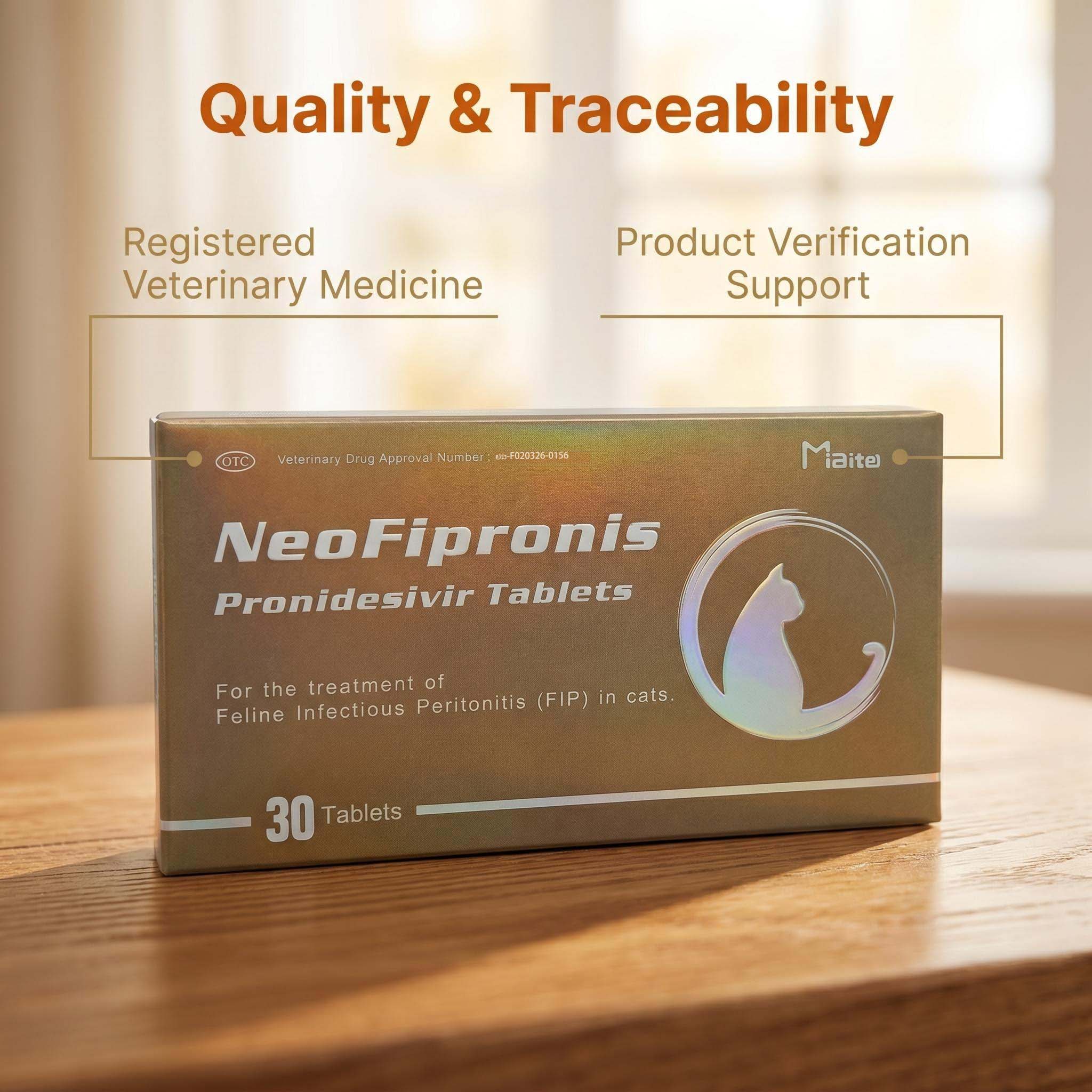
Feline Infectious Peritonitis (FIP) is one of the most challenging and heartbreaking diseases affecting domestic cats. Triggered by a mutation of the feline coronavirus, FIP leads to widespread inflammation and damage to multiple organs, especially the abdominal cavity and central nervous system. Recent advances have led to promising antiviral therapies, notably GS-441524 and Remdesivir, which have dramatically improved the prognosis for affected cats. However, as these medications are metabolized in the liver, concerns about hepatic stress and the need for liver support during treatment have emerged among veterinarians and cat owners.
Understanding FIP and Its Treatments
FIP presents in two primary forms: wet (effusive) and dry (non-effusive), characterized by different symptoms and organ involvement. Wet FIP typically manifests as fluid accumulation in the abdomen or chest, while dry FIP involves granulomatous lesions in various organs. Without treatment, FIP is almost always fatal. Recent antiviral drugs, particularly GS-441524 and Remdesivir, have been successful in clinical remission cases, offering hope where previously there was none.
The metabolism and detoxification of these powerful medications occur primarily in the liver. This organ is responsible for breaking down drugs and their byproducts, rendering them less toxic and suitable for excretion. As such, the health of a cat’s liver is crucial for successful FIP treatment.
Hepatic Implications of FIP Therapy
Medications like GS-441524, Remdesivir, corticosteroids, and sometimes antibiotics are commonly integrated into FIP therapy plans. These therapies are generally well tolerated, but the potential for hepatotoxicity—liver damage or stress—remains. Liver injury can result from the medications themselves or from the inflammatory processes associated with FIP. Additionally, some cats may have pre-existing hepatic compromise or other conditions that exacerbate risk. Elevations in liver enzymes (ALT, AST), jaundice, decreased appetite, and lethargy can signal hepatic stress during treatment, prompting close monitoring and sometimes intervention.
Risk Factors for Liver Complications
Several factors can increase a cat’s risk of hepatic complications during FIP therapy:
Age: Older cats may have diminished hepatic reserve, making them more susceptible.
Pre-existing Liver Disease: Cats with prior hepatitis, hepatic lipidosis, or chronic liver infections already operate with compromised liver function.
Drug Interactions: Combining various therapies, particularly over-the-counter supplements or other prescription medications, can further tax the liver.
Nutritional Status: Malnourished cats or those who refuse food due to illness may not have the necessary nutrients to support hepatic repair and metabolism.
Are Liver Support Measures Necessary for All Cats?
Not every cat receiving FIP treatment requires direct liver support interventions. For young, otherwise healthy cats with normal hepatic function prior to therapy, standard care and monitoring may suffice. Nevertheless, liver support can be beneficial or even vital in specific scenarios:
Cats exhibiting hepatic stress during therapy (elevated liver enzymes, jaundice, loss of appetite).
Cats with pre-existing liver disease or histories of hepatic compromise.
Cats receiving complex treatment regimens with multiple drugs known to affect liver metabolism.
Cases where nutritional intake is insufficient, further weakening the liver.
Liver Support Strategies in FIP Treatment
Liver support during FIP treatment generally involves a combination of dietary modifications, supplementation, monitoring, and occasionally pharmacological intervention:
Dietary Adjustments: High-quality, highly digestible proteins, moderate fat, and low copper diets can reduce hepatic workload. Specialty hepatic support diets (commercial or home-cooked under veterinary guidance) may be recommended.
Supplementation: S-Adenosylmethionine (SAMe), milk thistle extract (silymarin), Denamarin (a combination of SAMe and silybin), and ursodeoxycholic acid are commonly used to support liver cell integrity and function. These products are generally safe but must be administered under veterinary supervision since supplement interactions with antivirals are not fully mapped.
Hydration and Electrolyte Balance: Ensuring adequate water intake helps the liver process toxins. Subcutaneous or intravenous fluids may be required for severely ill cats.
Antioxidant Therapy: Vitamins E and C, along with certain amino acids (methionine, taurine), may help reduce oxidative stress in the liver during medication metabolism.
Pharmacological Hepatoprotectants: Drugs such as Ursodeoxycholic acid and SAMe may be specifically prescribed if biochemical evidence of hepatic distress arises.
Frequent Monitoring: Regular bloodwork (CBC, liver enzyme panels, bile acids) enables early detection of hepatic stress and timely adjustment of treatment plans.
Clinical Evidence Supporting Liver Support During FIP Therapy
Although comprehensive long-term studies are limited, anecdotal and retrospective data suggest that liver support can contribute positively to treatment outcomes in cats with hepatic involvement. One multicenter evaluation of GS-441524 therapy reported minor elevations of hepatic enzymes in about 12% of cases, most of which resolved with supportive care and continued therapy. In cats experiencing more significant hepatic stress, supplemental interventions improved clinical symptoms and allowed for continuation of antiviral drugs.
Veterinarians often report that cats with underlying liver compromise or those receiving steroids and antibiotics alongside antivirals benefit from proactive liver management, minimizing adverse events and improving overall success rates.
The Role of the Veterinarian in Support Decisions
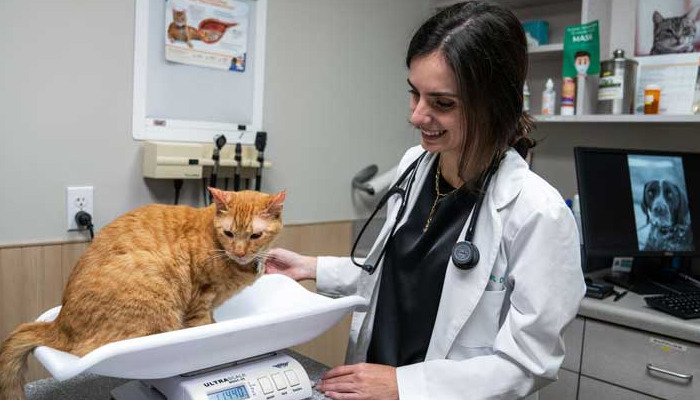
Providing effective FIP treatment while minimizing complications demands a collaborative approach between owners and veterinarians. Initial assessment, including baseline bloodwork and ultrasound, helps identify cats with pre-existing liver disease. During treatment, regular lab monitoring and clinical observation are crucial. Decisions regarding liver support, whether through diet, supplementation, or more intensive intervention, should be individualized based on risk factors, response to medication, and laboratory results.
Owners must be cautioned against indiscriminate use of supplements, as some herbal or “natural” products can actually worsen hepatic burden or interfere with antiviral drug metabolism. Only products with proven safety and efficacy in cats should be considered, and always with veterinary guidance.
Nutrition and Hepatic Recovery
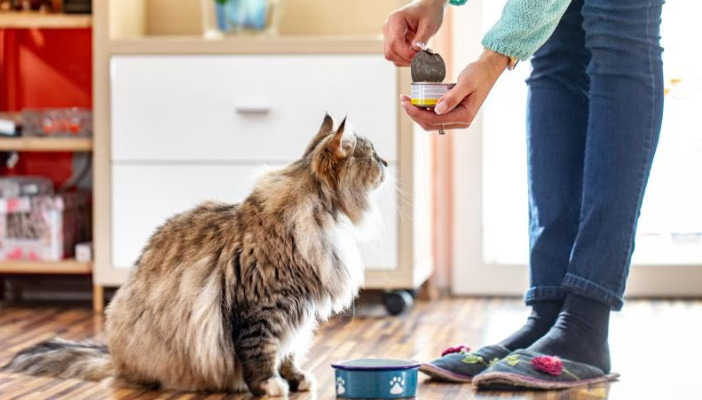
Proper nutrition underpins any hepatic support plan during FIP therapy. Cats with FIP often lose appetite, further jeopardizing liver health. Ensuring palatable, energy-dense diets is vital. Prescription hepatic diets or nutrient-rich homemade food (formulated with veterinary support) can optimize liver function and overall resilience. Appetite stimulants, antiemetics, or assisted feeding may be leveraged in severe cases.
Supplementation with omega-3 fatty acids, B-vitamins, and zinc may provide additional support, particularly in cats subject to prolonged medication courses. The goal is to maintain hepatic cell integrity, support regeneration, and prevent further decline.
Monitoring Parameters for Liver Health During FIP Treatment
Veterinary professionals employ several diagnostic tools to assess liver status during FIP medication treatment:
Clinical Signs: Jaundice, vomiting, loss of appetite, diarrhea, lethargy, and changes in stool color can all point to hepatic dysfunction.
Serum Biochemistry: Levels of ALT, AST, ALP, GGT, bilirubin, and bile acids are tracked throughout therapy.
Imaging: Ultrasound can identify hepatic enlargement, architectural changes, or secondary pathology.
Coagulation Profiles: Advanced liver dysfunction impairs synthesis of clotting factors, so prothrombin time (PT) and partial thromboplastin time (PTT) may be measured if concurrent bleeding disorders develop.
Regular assessment enables clinicians to adjust medication dosages, introduce support measures, or intervene early in case of complications. Some cats may require pause or reduction of antiviral dose if liver values become dangerously elevated, underscoring the importance of vigilant monitoring.
Case Scenarios: When Is Liver Support Essential?
Case 1: Young, healthy cat with FIP, normal liver function
Usually, standard protocol with baseline monitoring suffices. Dietary enhancements may boost resilience, but targeted hepatic support is not mandatory unless laboratory values shift.
Case 2: Older cat with FIP, mild elevation in liver enzymes
Proactive hepatic support with supplements like SAMe, milk thistle, and a hepatic diet can be helpful. Monitoring every two to three weeks is warranted.
Case 3: Cat with FIP and concurrent pre-existing hepatitis
Robust hepatic support measures—diet, pharmacological supplementation, possibly adjusted antiviral dosing—are non-negotiable. More frequent bloodwork and potential hospitalization may be needed.
Case 4: Cat with severe FIP and medication intolerance (anorexia, vomiting, jaundice)
Hospital management, intravenous fluids, advanced supportive medications, and diet modifications are essential. Medication dosages may need to be revised, or alternative therapies considered to minimize hepatic strain.
Potential Risks of Over-Supplementation
While hepatic support can be lifesaving, indiscriminate supplementation—particularly with human-grade herbal products or high-dose antioxidants—may actually cause harm. Overuse of certain botanicals (e.g., excessive milk thistle, turmeric) has been linked to gastrointestinal upset and potential liver enzyme elevation. Some supplements may interact adversely with GS-441524, either inhibiting efficacy or compounding toxicity. Veterinary oversight is always preferred.
The Future of Hepatic Management in FIP Therapy
As research continues into FIP and its pharmacological management, new knowledge will emerge regarding ways to minimize drug-induced organ stress, optimize outcomes, and support latency or remission. Emerging therapies (including long-acting antivirals, immunomodulators, and advanced nutritional formulations) may further reduce the risk of hepatic complications.
Genetic studies may identify cats predisposed to hepatic disease, allowing for tailored support prior to, during, and after FIP treatment. Ongoing clinical trials continue to inform best practices, and collaboration between feline medicine experts and pharmacologists will drive innovations in supportive therapy.
References
Addie, D.D., "Feline Infectious Peritonitis: An Update."
Pedersen, N.C., "The Pathogenesis and Treatment of Feline Infectious Peritonitis."
Hartmann, K., "FIP: Disease Overview and Therapeutic Outlook in Cats."
Gunn-Moore, D., "Animal Health Trust Remdesivir Trials for FIP."
Bonczek, S., "Liver Function Monitoring in Cats Receiving GS-441524."
Hickman, M.A., "Clinical Management of FIP: Treatment and Supportive Care."
Sparkes, A.H., "Veterinary Hepatic Support in Companion Animals."
Garcia, S., "Diagnostic Criteria and Supportive Therapy in FIP Cases."