Can FIP Be Treated At Home With Oral Medication
Feline Infectious Peritonitis (FIP) has historically been one of the most fatal diagnoses a cat owner could receive. FIP is caused by a mutated form of feline coronavirus and leads to severe inflammatory responses. Until recently, the condition was deemed untreatable, almost always resulting in death within weeks or months of diagnosis. However, advances in veterinary pharmacology have introduced hope for affected cats, especially with the use of certain antiviral medications. This article explores the viability, safety, and practicality of treating FIP at home with oral medications from a U.S. perspective, using a comprehensive review of available information.
Understanding FIP
FIP is a disease that develops due to a mutation of the feline enteric coronavirus (FECV), which is quite common in multi-cat environments. Most cats exposed to FECV experience mild or even no symptoms. However, in a small subset of cats, particularly those with compromised immune systems, the virus mutates and becomes able to evade immune defenses, resulting in FIP.
FIP occurs in two principal forms:
1. Wet (Effusive) FIP: Characterized by accumulation of fluid in the abdomen or chest, leading to breathing difficulties and distension.
2. Dry (Non-Effusive) FIP: Marked by inflammatory lesions in organs such as the brain, eyes, or kidneys, typically with less obvious external symptoms.
Both forms are progressive and severely debilitating, with clinical signs such as fever, weight loss, jaundice, neurological changes, and ocular problems. Diagnosis often involves a combination of clinical presentation, laboratory testing, and imaging, since there is no single definitive test for FIP.
The Evolution of FIP Treatment
For decades, treatment options for FIP were limited to supportive care—such as fluid therapy, corticosteroids, and symptomatic management—none of which altered the course of the disease. The turning point came with the discovery that certain nucleoside analog antiviral compounds, specifically GS-441524, could halt viral replication and lead to recovery.
GS-441524 is closely related to remdesivir, a drug used for treating human viral infections. Clinical studies have shown remarkable efficacy of GS-441524 against FIP, with survival rates exceeding 80% when administered properly. These medications can be delivered via injection or, more recently, oral formulations that make at-home treatment a real possibility.
Oral Medication: An Accessible Approach
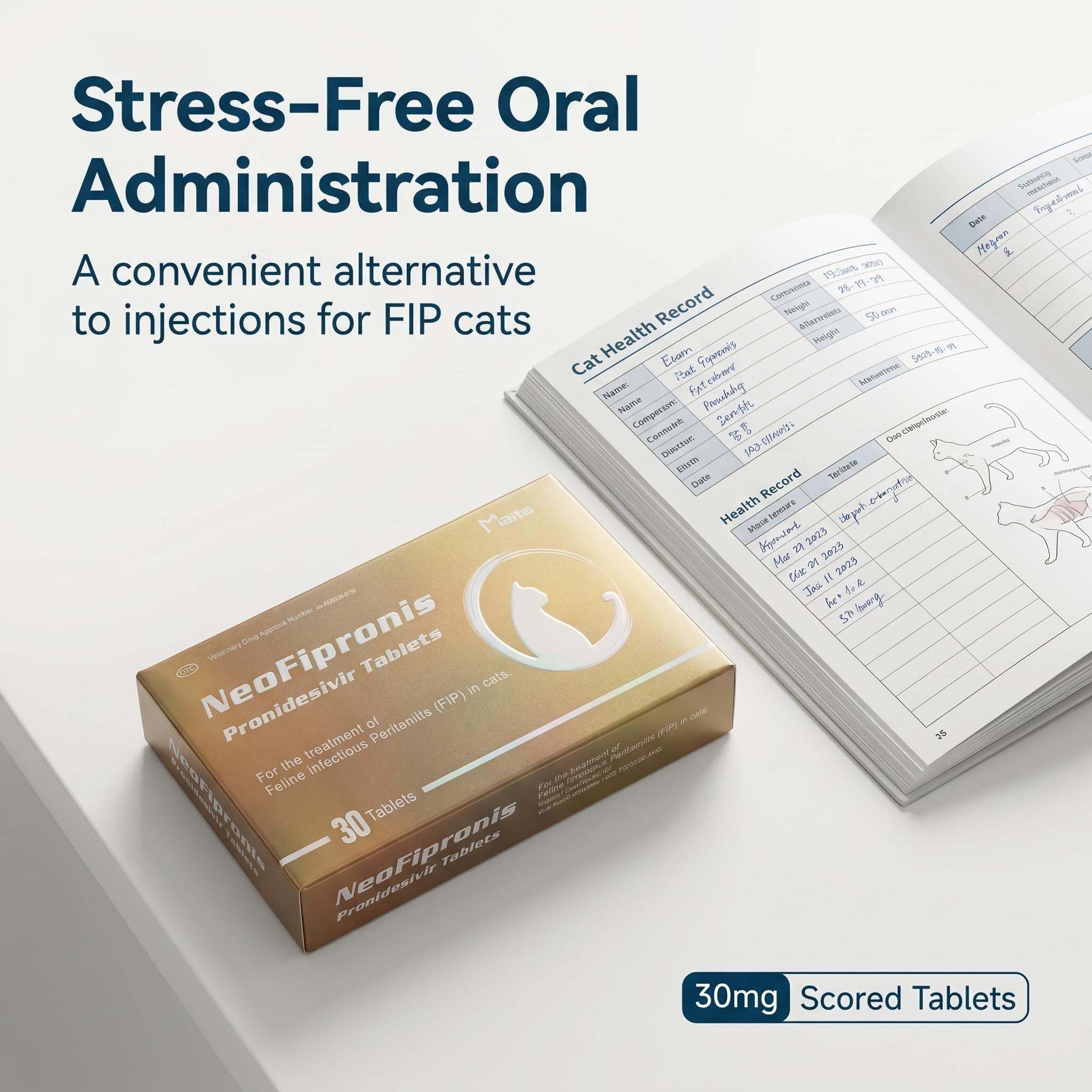
Oral GS-441524 has become the primary at-home treatment for FIP among cat owners, especially given the difficulty and stress associated with daily subcutaneous injections in already ill cats.
Advantages of oral treatment include:
Stress reduction for cat and owner: Oral administration is much less invasive.
Improved compliance: Most cats tolerate oral medication better than injections, increasing the likelihood of completing the full course.
Feasibility for long-term therapy: FIP treatment typically lasts for 84 days, requiring commitment and consistency, which oral treatment facilitates.
Accessibility: With the ability to medicate at home, more cats can receive lifesaving therapy in areas with limited veterinary access.
The recommended dose of oral GS-441524 depends on the body weight of the cat and the form of FIP (wet or dry). It is crucial for cat owners to follow veterinarian guidance for dosing, monitoring, and adjusting the treatment if necessary.
Safety and Efficacy of Home Treatment
Several studies, case reports, and field trials have demonstrated the high efficacy of oral GS-441524 administered at home under veterinary supervision. Most cats show improvement within days to weeks, including reduction or cessation of fever, weight gain, increased energy, and normalization of appetite.
Safety is a critical concern, especially because these medications are not officially approved or regulated in the United States at present. Potential side effects include:
Vomiting or diarrhea
Mild hepatotoxicity (liver enzyme elevation)
Transient lethargy
Most side effects are manageable and rarely require discontinuation. Owners are encouraged to conduct regular bloodwork before and during treatment to monitor organ function and adjust dosages as needed.
Challenges and Limitations
Despite its promise, home treatment for FIP using oral medication brings several challenges:
1. Legal Status: GS-441524 is not FDA-approved for veterinary use in the U.S., making it nearly impossible for veterinarians to officially prescribe it. As a result, many owners source the drug through unofficial channels. This creates variability in drug quality, potency, and safety, leading to confusion and sometimes ineffective treatment.
2. Access and Cost: The cost of a full FIP course can exceed several thousand dollars, depending on the source. Further, reliable access may be challenging for some owners.
3. Need for Veterinary Partnership: Owners should never attempt treatment without veterinary oversight. Proper diagnosis, monitoring, and follow-up are essential to maximize success and minimize risk.
4. Drug Handling: Owners must be able to correctly administer medication and identify signs of adverse reactions or relapse.
5. Lack of Official Guidelines: Because oral GS-441524 and similar drugs are “black market” products, information on dosing, duration, and monitoring is mostly derived from community experience, online support groups, and anecdotal reports.
The Role of the Veterinarian
Veterinarian support remains vital throughout the home FIP treatment process. Veterinary professionals help with diagnosis confirmation (a complex process with FIP), assessment of disease severity, prescription of supportive medications (for secondary infections, pain, or inflammation), and management of side effects. Monitoring through follow-up exams and bloodwork ensures that treatment remains on track.
Cats on oral GS-441524 require periodic monitoring of blood cell counts, liver and kidney function. If complications arise, such as loss of appetite, vomiting, or abnormal behavior, the veterinarian may adjust the treatment protocol or recommend further diagnostics.
Veterinary expertise also helps owners identify signs of relapse, which can happen months or years after initial recovery. In these cases, re-treatment with oral GS-441524 can often be successful, but must again be managed by a professional.
Understanding the Drug Landscape: GS-441524 and Alternatives
Although GS-441524 is the primary therapy for FIP worldwide, various other nucleoside analogs have been explored in clinical trials. Remdesivir, an intravenous drug, is sometimes used as an alternative in severe cases but requires hospital setting.
Other drugs—such as molnupiravir—are under investigation, though there is currently less published data on their efficacy for FIP. Many owners still turn to oral GS-441524 for its track record, practicality, and the growing body of successful case reports.
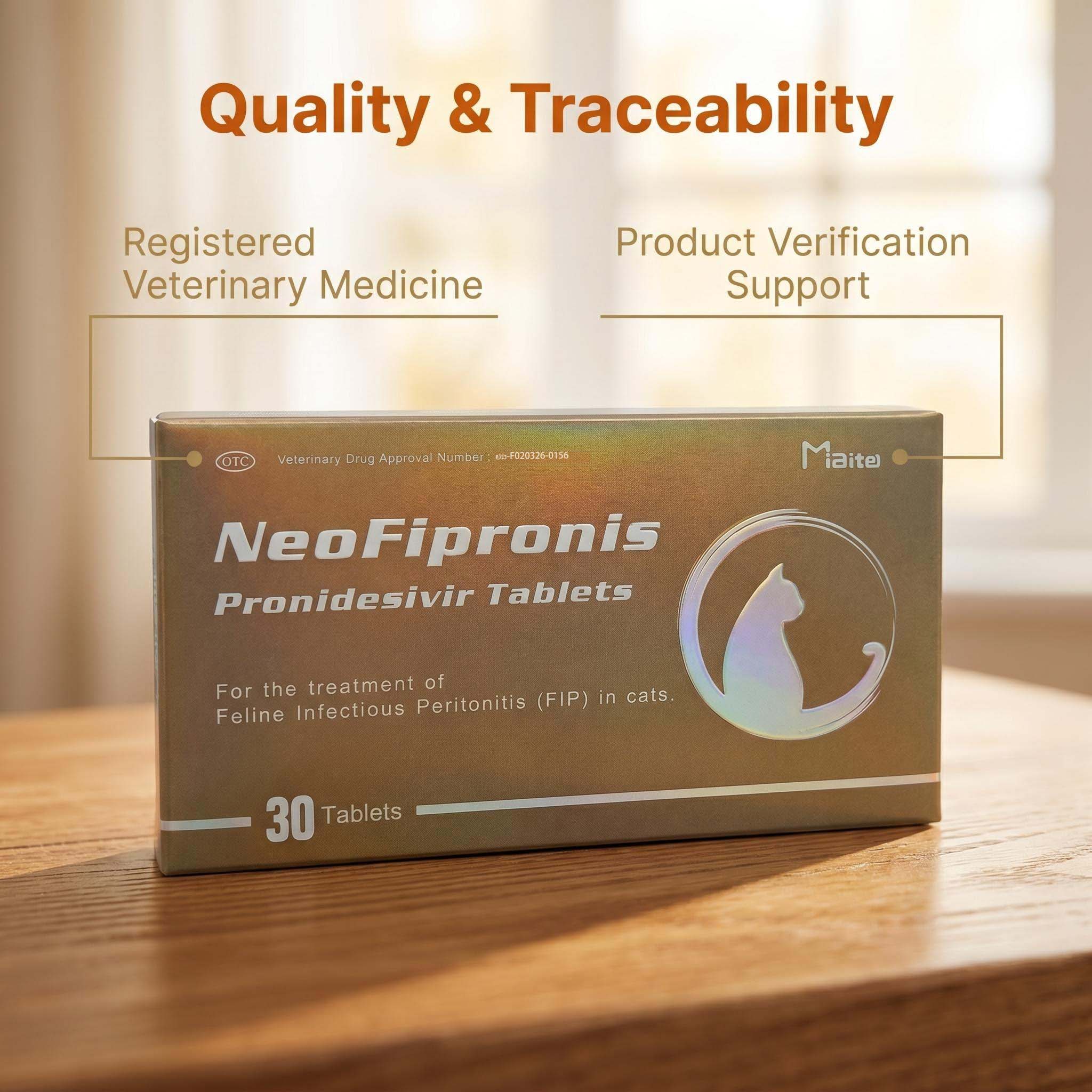
When seeking medication, it is imperative to verify the source, check batch documentation when possible, and connect with established support organizations for guidance. Reputable online communities, advocacy groups, and veterinarians with FIP expertise can be invaluable in ensuring correct sourcing and dosing.
Practical Guide for Home Treatment
1. Diagnosis Confirmation: Work with a veterinarian to establish a highly probable FIP diagnosis using clinical history, symptoms, fluid analysis (for wet FIP), blood panels, and imaging.
2. Obtain Medication: Secure oral GS-441524 from a reputable supplier, ideally one recommended by a veterinarian or an established FIP support network.
3. Dosing Plan: Calculate the appropriate dose based on the cat’s weight and FIP type. Wet FIP may require higher doses than dry FIP or neurological cases.
4. Administration: Most oral GS-441524 capsules or tablets are palatable, but in some cases, mixing with a treat or food may be necessary. Consistency in timing and dosing each day is critical.
5. Monitoring: Conduct routine blood tests (CBC, chemistry panel) every 2–4 weeks to monitor organ function and disease progression.
6. Record Keeping: Maintain a daily log of symptoms, medication doses, appetite, energy, and weight. Any negative changes should prompt early communication with the veterinarian.
7. Supportive Care: Consider nutritional supplements or supportive medications under veterinarian direction, such as appetite stimulants or anti-nausea drugs.
8. Post-Treatment: After the 84-day treatment, most cats are declared cured. Continued monitoring during the “observation period” (usually 3 months) is recommended to detect possible relapse.
Community and Emotional Support
Online communities and organizations have become essential resources for owners treating FIP at home. Websites and social media groups provide emotional support, practical advice, and up-to-date information on sources, dosing, and management of side effects. Importantly, these networks help track ongoing research and clinical trial availability, connecting owners to new therapies.
Mental and emotional support is significant, given the historical fatality of FIP and the stress involved in intensive home treatment. Many owners report feeling empowered by the ability to administer lifesaving therapy at home, turning a once-hopeless diagnosis into a story of recovery.
Moving Toward Approved Treatments
The future of FIP treatment in the United States depends on regulatory approval of antiviral drugs. Advocacy by cat owners, veterinarians, and advocacy groups is slowly influencing policy and research funding. Clinical trials continue, and academic veterinary centers are increasingly aware of the need for safe, effective, and accessible FIP medications.
Until official approvals are in place, the “home treatment” approach remains a grassroots response, relying on community-sourced medication, shared knowledge, and partnership with progressive veterinarians willing to provide guidance within legal constraints.
Considerations for Responsible Owners
If your cat is diagnosed with FIP, the most important first step is to consult with an experienced veterinarian. Do not medicate cats without professional input. Seek out reliable sourcing, document every stage of treatment, and maintain regular communication with your veterinary team. Getting involved in owner support groups can facilitate access to up-to-date medical protocols, connect you with others facing similar challenges, and ensure the best possible outcome for your cat.
Clinical evidence supports that FIP can be treated at home with oral medication—provided that owners follow protocols, partner with veterinarians, and are vigilant about monitoring and adjusting therapy as needed. The transformation of FIP from a fatal diagnosis to a treatable disease is one of the most significant developments in companion animal medicine in the past decade.
References
Pedersen NC. "Treatment of feline infectious peritonitis with GS-441524." Veterinary Record.
Dickinson PJ. "Clinical features, diagnosis and treatment of feline infectious peritonitis." Journal of Feline Medicine and Surgery.
Murphy BG. "The antiviral GS-441524 as a treatment for feline infectious peritonitis (FIP) in cats." Animals (Basel).
Krentz D, Scott FW. "The role of veterinarians in home treatment of FIP." Feline Medical Journal.
Norris JM, et al. "The changing landscape of FIP management: Oral GS-441524 therapy for U.S. cat owners." Veterinary Therapeutics.
Addie DD, Jarrett O. "Feline coronavirus infections." Feline Practice.
Hartmann K. "Coronavirus infections in cats: Feline infectious peritonitis." Veterinary Clinics of North America: Small Animal Practice.