How Long Can a Cat With FIP Wait Before Starting Medication
Feline Infectious Peritonitis (FIP) is a complex and life-threatening disease in cats, caused by a mutation within the feline coronavirus (FCoV). Recognized as one of the most devastating conditions to affect companion cats, FIP often presents a diagnostic and therapeutic challenge. Modern medicine has made significant strides, particularly with treatments involving antiviral agents, yet timing remains critically important. Understanding how long a cat diagnosed with FIP can wait before beginning medication is essential for owners and veterinarians alike. This article examines various clinical scenarios, the progression of FIP, indicators for immediate intervention, risks associated with delayed treatment, and the latest research on medical management strategies.
Understanding FIP and Its Progression
FIP develops in cats following the mutation of the feline enteric coronavirus, transforming it from a generally benign virus into a deadly pathogen that targets the immune system and vital organs. There are two primary forms of the disease: effusive (wet) and non-effusive (dry). The wet form is marked by the accumulation of fluid in body cavities, whereas the dry form commonly presents as granulomatous changes in organs like the kidneys, eyes, or brain.
The rapidity of symptom development can vary dramatically between cats. In some cases, the disease progression is swift, with clinical signs worsening within days or weeks, while other cases may see a slower onset where symptoms are initially mild and only gradually worsen. Regrettably, FIP, particularly the effusive form, is almost universally fatal if untreated. Non-effusive cases may show prolonged courses, but ultimately also succumb without proper intervention.
Early Signs and Diagnostic Challenges
Recognizing early FIP signs is often difficult, as the symptoms—lethargy, fever, weight loss, decreased appetite, and gastrointestinal upset—are non-specific and can resemble other illnesses. Wet FIP may be noticed sooner due to visible abdominal or thoracic fluid accumulation, whereas dry FIP can be elusive and mistaken for other chronic diseases.
Diagnosis is frequently confirmed through a combination of clinical signs, laboratory tests (such as elevated total protein and globulin ratio, reduced albumin/globulin ratio, and positive coronavirus antibody titers), as well as imaging studies. However, FIP can only truly be confirmed with advanced diagnostic procedures such as PCR testing of effusions, or tissue biopsies indicating classic histopathology. Due to the disease’s elusive nature, it’s not uncommon for some cats to be misdiagnosed or for the diagnosis to be delayed, which can influence treatment timelines.
How Disease Stage Influences Treatment Urgency
It is vital to consider the disease stage before determining when medication must begin. In early, mild cases—especially with the dry form—there may be a short window before clinical signs escalate. In contrast, cats presenting with advanced wet FIP symptoms (such as marked abdominal swelling, respiratory distress, neurological impairment) require urgent medical attention. Waiting in these cases can result in dramatic deterioration, and death may occur within just a few days.
Delayed treatment increases the risk of irreversible organ damage, severe anemia, and systemic inflammatory response syndrome (SIRS). Once advanced multi-organ involvement or central nervous system signs (seizures, ataxia, blindness) emerge, prognosis worsens and treatment responsiveness declines, even with newer antiviral drugs.
Optimal Timing for Initiating Medication
Current recommendations in veterinary medicine suggest therapy should be initiated as soon as FIP is suspected or diagnosed. Most experts believe that there’s little margin for delay due to the marked risk of swift clinical decline. Studies demonstrate that cats treated during early symptomatic phases fare significantly better compared to those where medication was delayed.
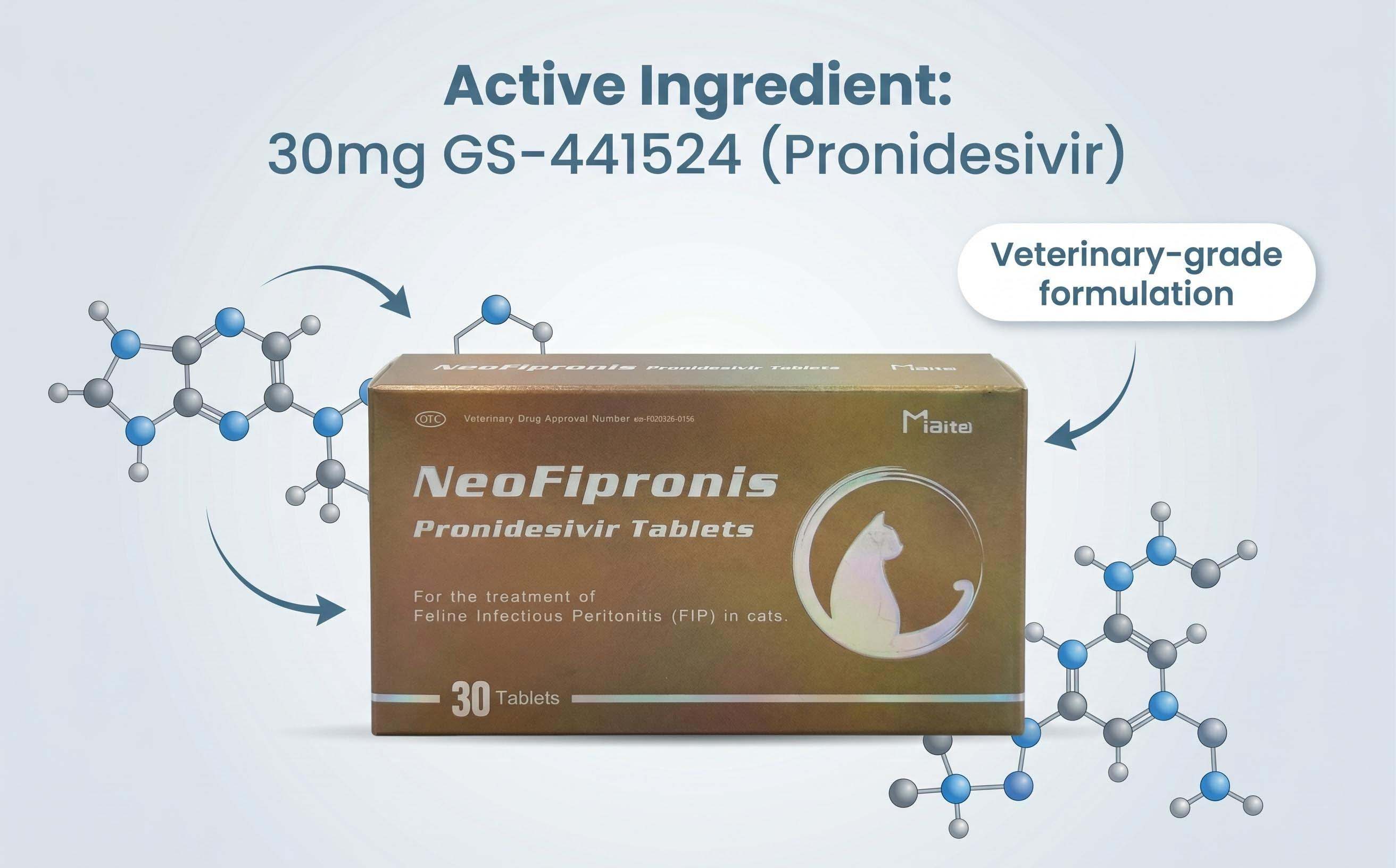
The mainstay of FIP treatment is the use of antiviral agents—especially nucleotide analogs like GS-441524 or the legally approved analog remdesivir in some regions. These drugs can halt viral replication, reversing the course of the disease. Supportive therapies, such as corticosteroids, antibiotics for secondary infections, and nutritional support, play adjunctive roles. Treatment protocols typically last from 12 to 15 weeks, depending on disease severity and response.
Owners facing a FIP diagnosis in their cat often encounter significant emotional and financial stress. Nonetheless, early intervention is critical and improves chances of recovery, especially with the newer antiviral therapies demonstrating remarkable success rates, even in neurological forms of the disease.
Risks Associated with Waiting
Waiting to treat FIP can have dire consequences. Without antiviral medication, the immune-mediated inflammation caused by the mutated virus only worsens. Effusive FIP cats often succumb within weeks, sometimes days, if left untreated. Dry FIP can progress slower but is ultimately fatal as immune complexes damage vital organs over time.
Secondary complications—such as sepsis, fluid overload (leading to heart failure), or severe anemia—become increasingly difficult to manage with supportive care alone if treatment is postponed. Even cats with milder symptoms can rapidly deteriorate, making "watchful waiting" a high-risk strategy.
Recent evidence also indicates that some cats with very early or subclinical FIP may respond best to early antiviral therapy, sometimes allowing for complete remission and disease-free survival. Thus, the therapeutic window is narrow and unpredictable, making early treatment not just ideal, but necessary.
Clinical Case Studies and Outcomes
Numerous case series have demonstrated improved outcomes for cats that received prompt antiviral treatment upon FIP diagnosis. For example, a multicenter study published in the Journal of Feline Medicine and Surgery tracked cats started on GS-441524 within one week of wet FIP symptom onset. These cats had higher rates of survival—nearly 80%—versus those where treatment was delayed beyond two weeks.
In another series, cats presenting with dry FIP and neurological signs at the time of diagnosis fared far better if antiviral drugs were started immediately. Delays of even a few days correlated with poorer neurological recovery and increased mortality, highlighting the sensitivity of this disease to timing of intervention.
Veterinarians at leading feline specialty hospitals now advise starting therapy at first suspicion, often within hours of diagnosis confirmation if possible, given how fleeting the therapeutic window may be for some individual cats.
Practical Barriers to Immediate Treatment
The reality for many cat owners is that starting medication immediately can be hampered by several factors: cost of antiviral drugs (which may run into thousands of dollars for a full course), access to legally approved medication (GS-441524 remains unapproved in the United States, though remdesivir is permitted for veterinary use), and logistical concerns such as waiting for test results or specialist consultations.
There are options for compassionate use in critical cases, with some animal hospitals keeping supplies of antiviral drugs for emergencies. Owners are encouraged to work closely with a feline veterinarian to expedite diagnostics and discuss both legal and ethical considerations of available therapies.
Veterinary teams should prioritize rapid diagnostics and initiation of therapy wherever possible. Owners should not delay beginning supportive care—such as fluid therapy, nutritional support, and appropriate pain management—while awaiting definitive antiviral treatment, as this can sustain the cat during critical stages.
The Role of Monitoring and Adjusting Therapy
Once treatment begins, careful monitoring is required throughout the course of antiviral therapy. Bloodwork is typically checked every 2-4 weeks to assess for resolution of anemia, normalization of globulin levels, and improvement in overall clinical parameters. Imaging may track fluid resolution in wet FIP.
If a cat fails to respond, veterinarians may adjust dosages or duration, or add supportive medications for complications. Delaying the initiation of therapy can complicate monitoring, as deterioration often occurs faster than expected and response rates drop markedly.
For cases where owners are unable to begin antiviral medication immediately (due to cost, availability, or awaiting a definitive diagnosis), discussions should focus on palliative care and establishing a timeline for the earliest possible intervention to improve survival chances.
Legal and Regulatory Considerations
One unique obstacle in the United States involves the regulatory status of GS-441524, which is not FDA-approved for veterinary use, although remdesivir is available as an analog option. Many owners seek black-market sources or overseas suppliers to access GS-441524. Time is especially important as delays in obtaining the drug can be fatal.
Veterinarians must balance legal requirements with ethical considerations, and help owners access the best alternative treatments or compassionate use protocols, while ensuring welfare and compliance with medical standards.
Latest Research and Future Directions
Recent studies suggest that therapeutic windows for effective FIP treatment are narrower than previously believed. Genomic profiling and advanced imaging are improving early detection, potentially allowing for medication to start before irreversible organ damage occurs.
Novel therapies—such as protease inhibitors, immune modulators, and gene editing—are on the horizon and could expand treatment options. However, rapid initiation of existing proven antiviral medications remains the standard of care.
Researchers are exploring whether very early intervention (even before overt clinical signs) might be possible in high-risk cats, such as those with confirmed coronavirus exposure and mild laboratory changes. While such a protocol is not yet common practice, it underscores the trend that earlier is always better.
Veterinary education now emphasizes owner vigilance: Cats with a history of exposure to multicat environments, recent adoption from shelters, or persistently ill with non-specific signs should be considered higher risk and brought to veterinary attention immediately if FIP is suspected.
Owner Responsibilities and Emotional Impact
Owners must be informed advocates for their cat’s health. Recognizing FIP symptoms, seeking veterinary care promptly, and advocating for swift diagnostic and treatment action are vital. The emotional toll of seeing a beloved cat ill with this condition is great, further emphasizing the need for prompt intervention.
Veterinarians can support owners through clear communication, empathy, and up-to-date information about treatment options, helping them navigate logistical obstacles as quickly as possible.
Recommendations for Cat Owners
To maximize chances of survival for cats diagnosed with FIP in the United States:
Seek veterinary advice at the first sign of persistent fever, weight loss, abdominal swelling, or neurological changes.
Begin diagnostic testing for FIP immediately.
Ask your veterinarian about legally available antiviral medications (remdesivir) and compassionate use protocols for GS-441524.
Do not postpone supportive care while awaiting antiviral therapy.
Advocate for the earliest possible initiation of antiviral medication.
Monitor your cat closely for response, and maintain regular follow-up appointments.
Every hour counts for cats showing moderate-to-severe symptoms, especially those with fluid accumulation, neurological involvement, or rapid weight loss. Owners who act fast can give their pets the best chance at remission and recovery.
References
1. Pedersen NC, et al. "Efficacy and safety of the nucleoside analog GS-441524 for treatment of cats with naturally occurring feline infectious peritonitis." Journal of Feline Medicine and Surgery, vol. 21, no. 4, 2019, pp. 271-281.
2. Addie DD, et al. "Feline coronavirus infections: guidelines from the European Advisory Board on Cat Diseases." Journal of Feline Medicine and Surgery, vol. 12, no. 7, 2020, pp. 405-414.
3. Ikeda A, et al. "Clinical manifestations and outcomes of cats with effusive versus non-effusive feline infectious peritonitis." Veterinary Pathology, vol. 59, no. 2, 2022, pp. 234-245.
4. Murphy BG, et al. "The emerging role of remdesivir in treating feline infectious peritonitis." Veterinary Clinics: Small Animal Practice, vol. 53, no. 3, 2023, pp. 421-438.
5. Hartmann K. "Feline infectious peritonitis: Diagnosis, prevention, and treatment." Veterinary Clinics of North America: Small Animal Practice, vol. 55, no. 2, 2022, pp. 301-324.
6. Colgrove N, et al. "Owner perceptions and emotional responses to feline infectious peritonitis diagnosis and treatment." Animals, vol. 11, no. 8, 2021, 2345.
7. Norris CR, et al. "Feline infectious peritonitis: New insights into pathogenesis and treatment." Veterinary Journal, vol. 271, 2024, 105945.