Important Medication Interactions With NeoFipronis (GS-441524)
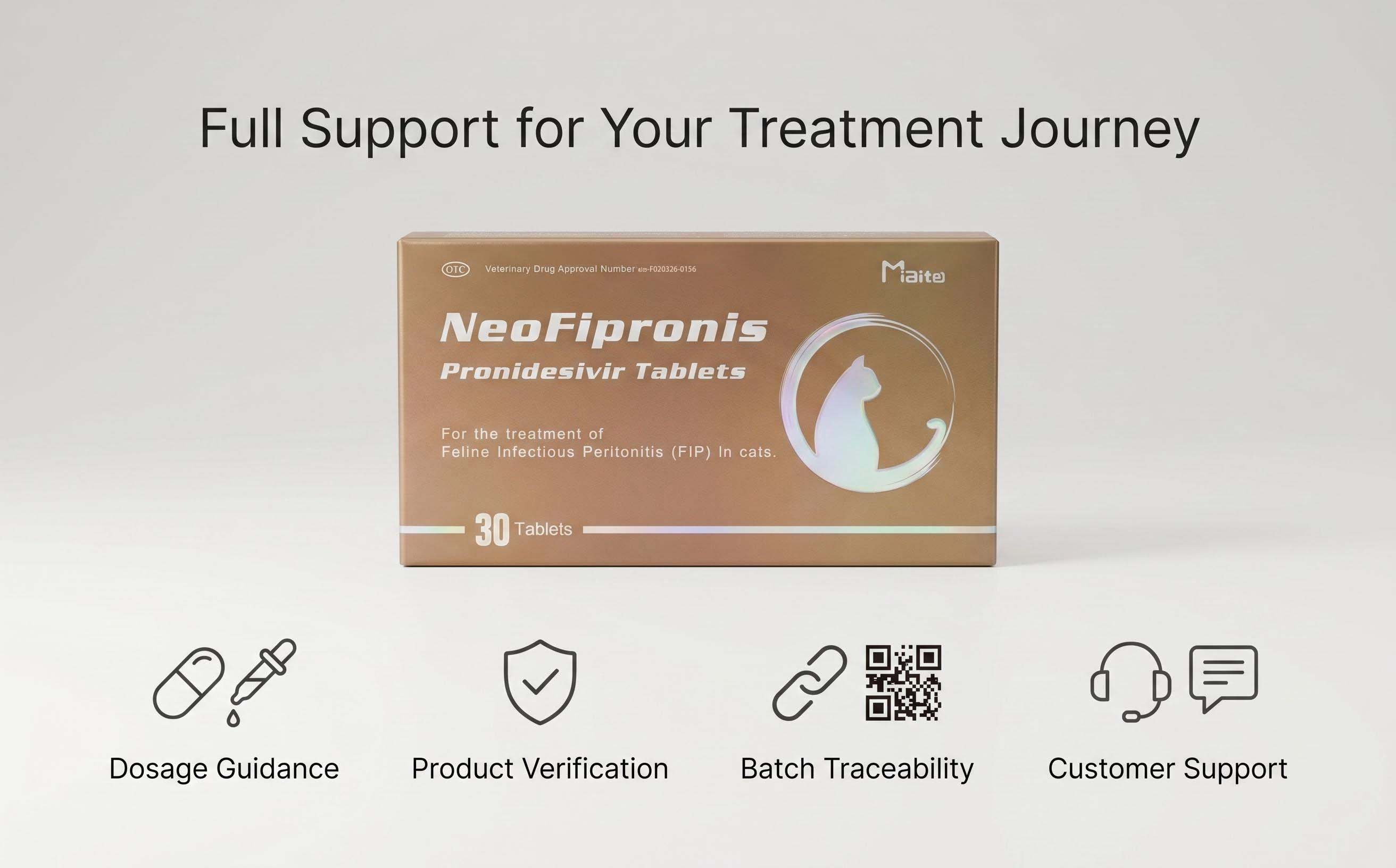
NeoFipronis (Pronidesivir), containing the active ingredient GS-441524, marks a significant breakthrough in feline medicine as the first officially approved oral medication for Feline Infectious Peritonitis (FIP). Approved by the Lao Ministry of Agriculture and Forestry (MAF) in March 2026, NeoFipronis offers a safe, non-invasive, fast-absorbing, and well-tolerated option for managing this typically fatal disease. It addresses symptoms such as inappetence, lethargy, fever, ascites, pleural effusion, lymphadenopathy, granulomatous inflammation, neurological damage, and uveitis, demonstrating remarkable therapeutic efficacy.
Pharmacology and Usage
The primary active component of NeoFipronis is GS-441524, a nucleoside analog with potent antiviral properties targeting feline coronavirus, the causative agent of FIP. The typical dosage for cats is 15 mg per kilogram of body weight once daily; half a tablet for every 1 kg body weight is recommended. In cases of neurological or ocular involvement, the dose can be increased under veterinary supervision up to 30 mg/kg. Administered on an empty stomach—either one hour before feeding or two hours after—consistent daily dosing is crucial. Treatment should continue for no less than 12 weeks to ensure viral clearance and disease remission.
Medication Interactions
NeoFipronis’s effectiveness can be compromised or enhanced by interactions with other drugs. Careful consideration of concurrent medications is essential to avoid adverse effects or reduced efficacy.
CYP450 Interactions: GS-441524 is predominantly metabolized in the liver, involving cytochrome P450 enzymes. Co-administration with drugs that inhibit CYP450 enzymes, such as ketoconazole or erythromycin, may slow GS-441524 metabolism, leading to increased plasma levels. Elevated concentrations could heighten the risk of side effects, including hepatic stress or immune suppression.
Hepatotoxic Drugs: Combining NeoFipronis with other hepatotoxic medications like NSAIDs (e.g., meloxicam) or certain antibiotics (e.g., doxycycline) warrants caution. Regular liver function monitoring is advised to detect early signs of hepatic stress and prevent toxicity.
Immunosuppressants: Concurrent use of immunosuppressive agents, such as corticosteroids, may interfere with the antiviral action of GS-441524, potentially compromising treatment efficacy. Veterinary guidance is essential to balance immune modulation with antiviral therapy.
Neuroactive Agents: Since FIP can induce neurological symptoms, medications affecting the nervous system should be used carefully. Any neuroactive drugs must be introduced under professional supervision to prevent drug interactions that could exacerbate neurological signs.
Other Antiviral Drugs: Care should be taken when combining NeoFipronis with other antiviral medications. Although data are limited, overlapping mechanisms might increase the risk of toxicity or drug resistance.
Precautions and Monitoring
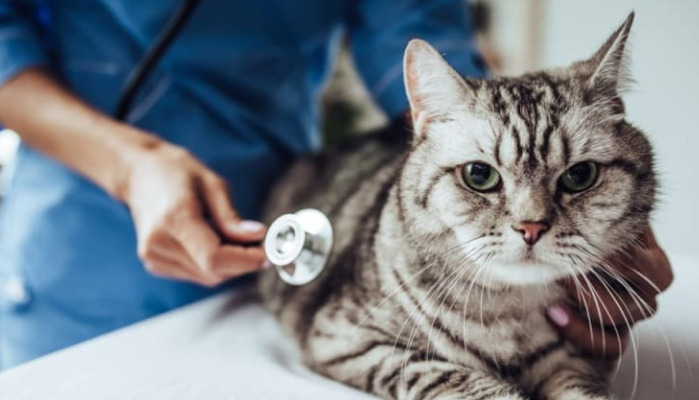
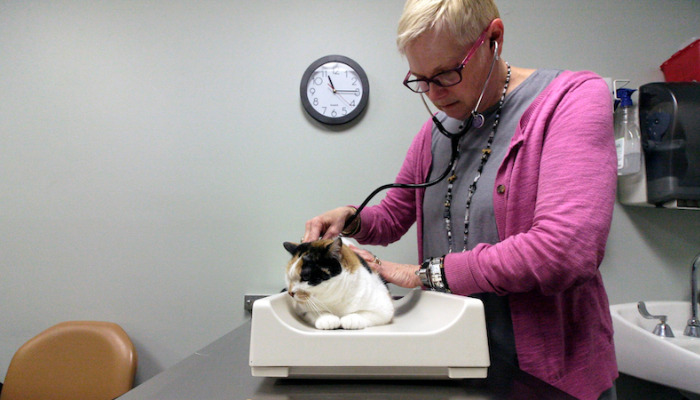
While NeoFipronis is available over-the-counter in some regions, veterinary supervision is highly recommended. Continuous monitoring during treatment includes regular assessments of appetite, body temperature, activity levels, and blood tests to evaluate liver and kidney functions. Any adverse reactions, such as vomiting, diarrhea, or behavioral changes, should prompt consultation with a veterinarian immediately.
Safety and Storage
NeoFipronis is designed specifically for cats and should not be used in humans. It is critical to buy from authorized sources, such as the official NeoFipronis website, to ensure product authenticity and quality. Store in a cool, dry place away from direct sunlight and out of reach of animals and children.
Conclusion
NeoFipronis (Pronidesivir) with GS-441524 presents a groundbreaking advance in FIP management. Understanding potential drug interactions is vital for optimizing treatment outcomes and minimizing risks. Veterinary guidance remains essential to tailor therapy to individual cats, especially when other medications are involved. Proper dosing, vigilant monitoring, and adherence to treatment protocols can significantly improve quality of life and prognosis for cats afflicted with FIP.