Can FIP Medication Be Adjusted During Treatment
Understanding FIP and Its Treatment Landscape
Feline Infectious Peritonitis (FIP) stands among the most feared viral diseases within the veterinary community and among cat owners. Caused by a mutation of feline coronavirus, FIP was long considered a fatal condition. Recent discoveries, especially in antiviral therapy, are rewriting the prognosis for many cats. Yet the treatment process is complex, with protocols still evolving. As veterinarians and pet owners engage in daily battles against FIP, a common concern emerges: can FIP medication be adjusted during the treatment course? Addressing this question requires a deep dive into the factors influencing FIP therapy, types of medications utilized, how adjustments may be justified, and best practice protocols.
Mechanism of FIP Medications
Medications used for treating FIP are mainly antivirals that inhibit the replication of coronavirus. The most prominent is GS-441524, a nucleoside analog related to Remdesivir. There are also protease inhibitors, immunosuppressants, and anti-inflammatory agents, depending on clinical presentation. Dosing regimens are derived from controlled studies but often individualized due to variations in disease progression and response.
The Initial Phase: Establishing a Starting Dose
Veterinarians typically calculate the starting dose based on the cat’s weight, age, overall health, and whether FIP presents as the "wet" (effusive) or "dry" (non-effusive) form. The wet form often requires aggressive intervention because of rapid fluid accumulation in the abdomen or chest. In contrast, cases with eye or neurological involvement may need higher initial doses or drugs capable of crossing the blood-brain or blood-aqueous barriers. Timing is critical; delays in adjusting an insufficient dose can diminish survival chances, but poorly calculated increases incur toxicity risks.
When Do Adjustments Become Necessary?
Several circumstances justify altering the medication plan during the FIP treatment journey. First, the cat’s body weight can shift—many cats gain weight during successful therapy, necessitating recalculation of the dose. Second, unexpected side effects or changes in organ function (such as increases in liver enzymes or blood glucose) could necessitate dose reduction, temporary cessation, or medication switching. Third, disease progression may demand stepping up therapy: for example, if a cat develops neurological symptoms while on a standard regimen, a dose increase is often warranted. Fourth, resistance concerns, while rare, may influence a change in antiviral strategy if the disease relapses despite uncompromised compliance.
Protocols for Dose Adjustments
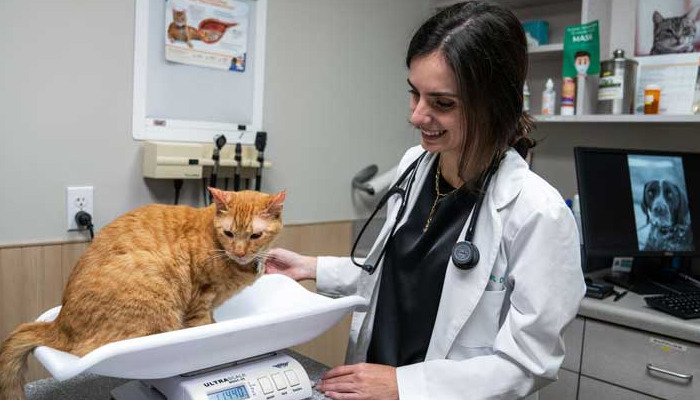
Veterinary practice relies heavily on ongoing monitoring—both clinical and laboratory-based—in guiding dose changes. Most protocols recommend weekly evaluations. Bloodwork follows trends in hematology, liver and kidney function, and markers of systemic inflammation. Weight is meticulously tracked. Clinical symptoms, such as appetite, energy level, and the resolution or recurrence of effusion (for wet FIP), further guide intervention.
If laboratory parameters worsen (e.g., anemia, increasing bilirubin, or hypoalbuminemia), or if fluid returns, the veterinarian may increase the antiviral dose by about 1-2 mg/kg increments. Neurological or ocular FIP almost always mandates an upward shift in the GS-441524 dose (from a baseline of 4–6 mg/kg up to 8–10 mg/kg). These increases are implemented cautiously, balancing therapeutic benefit with the risk of side effects like injection pain, mild fever, or increased liver enzymes.
Route of Administration and Adjustments
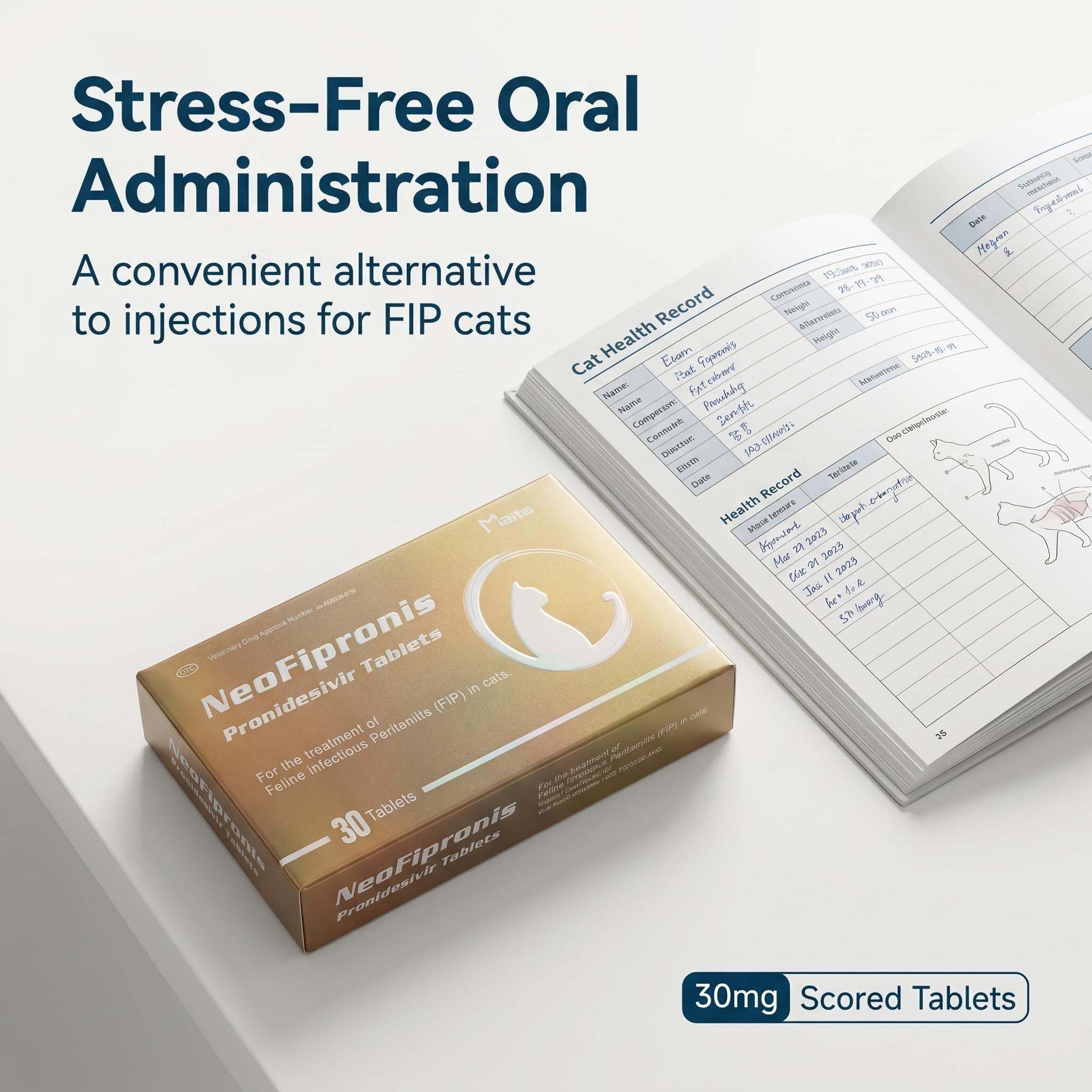
The primary medication, GS-441524, is available in both injectable and oral formulations. Some cats tolerate injections poorly, leading veterinarians to switch to oral therapy or combine routes. Bioavailability differs between injection and oral forms, and switching may involve a dose recalculation. Injectable GS-441524 offers higher, more consistent serum levels but may be painful and cause skin irritation. Oral formulations, while more convenient, demand strict compliance and monitoring for adequate absorption. In cases of severe adverse reactions or compliance challenges, route modification is justified.
Special Considerations: Concurrent Therapies
Many FIP patients receive supportive therapies such as steroids, antibiotics, appetite stimulants, or anti-nausea medications. As FIP resolves and clinical signs improve, medications targeting secondary infections or inflammation should be tapered or discontinued. Polypharmacy can mask side effects or lead to drug interactions influencing the main antiviral’s metabolism and toxicity, justifying additional adjustments throughout the treatment course.
Monitoring for Relapse and Resistance
Though uncommon with proper dosing, relapses can occur, usually if therapy is stopped prematurely or the virus develops partial resistance. A rising fever, recurrence of ocular or neurological symptoms, or the reappearance of abdominal/chest effusion are all signals to re-engage or modify therapy. Dose escalation or a switch from oral to injection (or vice versa, as dictated by absorption or tolerance) may be considered.
Client Communication and Compliance
Optimizing FIP therapy hinges on open, ongoing communication between veterinarian and cat owner. Owners must understand the reason behind dose changes—whether due to weight normalization, developing side effects, or evolving clinical signs. Transparency helps build compliance and reduce the temptation for unapproved at-home adjustments. Owners should be instructed to report new or worsening symptoms, changes in eating or litter box habits, and any challenges administering medications.
Financial and Access Considerations
Access to confirmed, pharmaceutical-grade FIP antivirals can be challenging in many regions. Treatment costs, sometimes running into the thousands of dollars, may affect the ability to sustain or adjust therapy as needed. In such cases, veterinarians can discuss alternative supportive measures, compassionate-use access to medication, or enrollment in clinical studies. The presence of substandard or counterfeit products in unregulated markets adds risk, as inconsistent potency can lead to under-dosing, resistance, and therapy failure.
Long-Term Outcome and Adjustments Post-Treatment
After the standard 12-week treatment period, cats typically undergo a careful "observation phase." Relapse during this phase, especially within the first few months, is typically managed by restarting medication at the previous (or slightly increased) dose and extending therapy duration. Dose adjustments in the observation phase are made under veterinary guidance, considering previous response and presenting symptoms.
Continuing Research—The Future of FIP Dose Adjustments
Active research is expanding understanding of optimal dosing for different FIP presentations. Investigations into individualized medicine—using pharmacological monitoring, viral sequencing, and genetic profiling—may soon allow for more precise adjustments during therapy. Multicenter clinical trials, long-term registry data, and advances in antiviral development continue to reshape recommendations, making ongoing education critical for clinicians and owners.
References
1. Pedersen NC, Black JW, Boyle JF, et al. Pathogenesis of feline infectious peritonitis. Am J Vet Res.
2. Pedersen NC, Kim Y, Liu H, et al. Efficacy of a 3C-like protease inhibitor in treating various forms of acquired feline infectious peritonitis. J Feline Med Surg.
3. Murphy BG, Perron M, Murakami E, et al. The nucleoside analog GS-441524 strongly inhibits feline infectious peritonitis (FIP) virus in tissue culture and experimental cat infection studies. Vet Microbiol.
4. Izes AM, Kimble B, Norris JM, et al. Current Status of Feline Infectious Peritonitis Diagnosis and Treatment. Vet J.
5. Addie DD, Jarrett O. Feline coronavirus infections. Encyclopedia of Virology.
6. Tasker S. Diagnosis and management of feline infectious peritonitis. In Practice.
7. Kipar A, Meli ML. Feline infectious peritonitis: still an enigma? Vet Pathol.
8. Dickinson PJ, Bannasch M, Thomasy SM, et al. Antiviral therapy of neurologic and ocular forms of FIP.
9. Cohen RD, Vennema H. Equine and Feline Infectious Peritonitis Virus Pathogenesis and Epidemiology: A Comparative Review.
10. Norris JM, Crawford PC, et al. Advances in understanding and treating FIP.