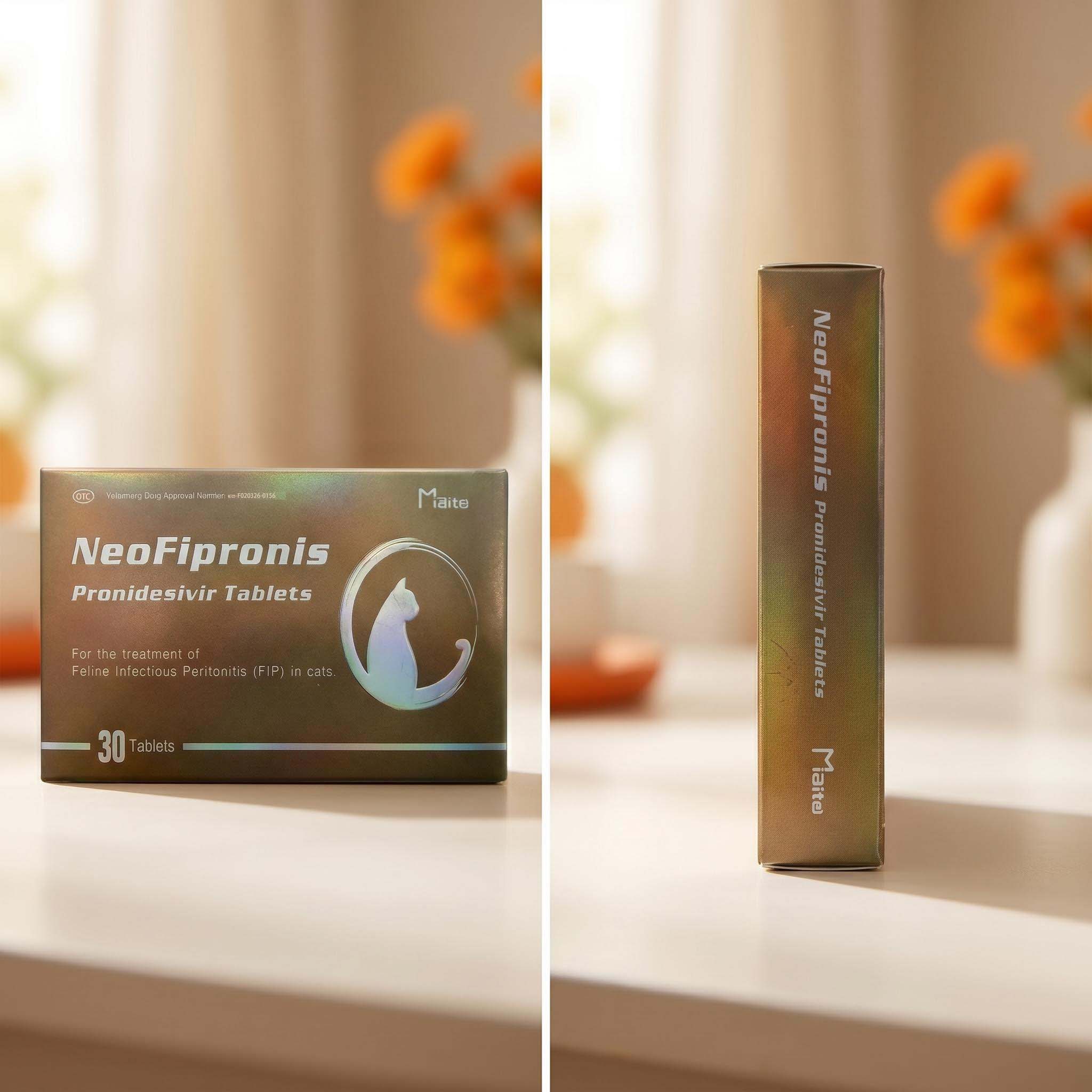
How Much Patience Is Needed for Successful FIP Treatment
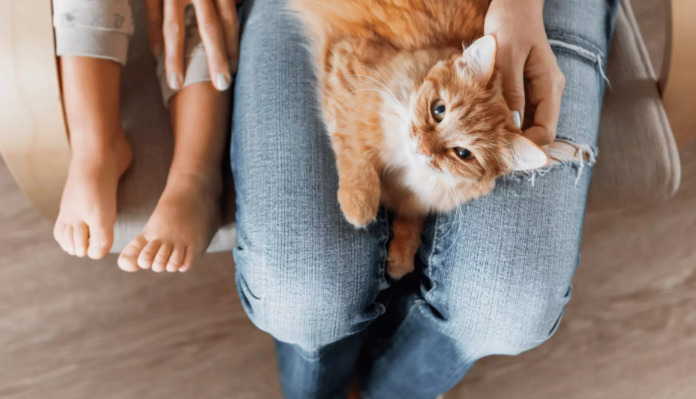
Feline Infectious Peritonitis (FIP) was once considered a devastating diagnosis for cat owners and veterinarians alike. Caused by a mutated strain of feline coronavirus, FIP triggers a severe immune-mediated reaction, leading to wet (effusive) and dry (non-effusive) forms of the disease. With relatively recent advances in antiviral therapies, the prospect of successfully treating cats with FIP has transformed, but the process demands remarkable patience and commitment.
The New Era of FIP Treatment
While FIP was historically fatal, the discovery and off-label use of antiviral drugs such as GS-441524 and GC376 has shifted the paradigm. Treatment success stories abound, yet the journey from diagnosis to stabilization often requires extraordinary perseverance from caregivers. Recognizing this reality is essential for anyone embarking on FIP treatment.
Diagnosis and Initial Challenges
Accurate FIP diagnosis remains challenging. It usually involves a combination of clinical signs, history, bloodwork, imaging, and sometimes genetic tests or PCR analysis. The time spent diagnosing, especially waiting for test results, creates anxiety for owners who are desperate for answers. Patience is critical during this phase, as premature treatment could lead to unnecessary costs and inappropriate interventions.
Starting Treatment: The Emotional Rollercoaster
Once FIP is confirmed, starting antiviral therapy is both exhilarating and intimidating. Early days of treatment may show rapid improvement, with cats regaining appetite and energy. However, responses can be variable. Owners must resist the urge to judge progress day by day. Fluctuations in symptoms, temporary setbacks, or "plateaus" in recovery are common and not signals to abandon hope.
Medication Schedules and Compliance
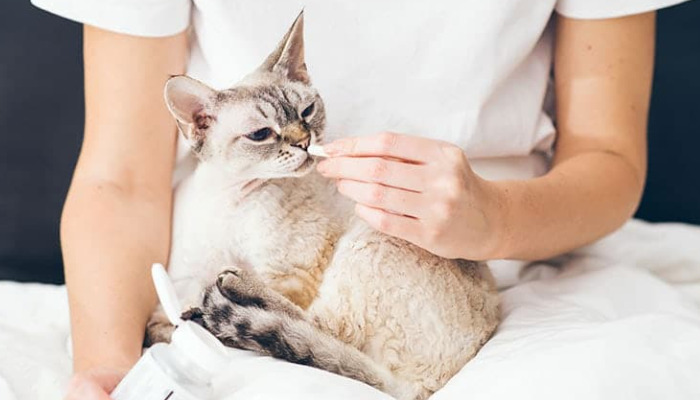
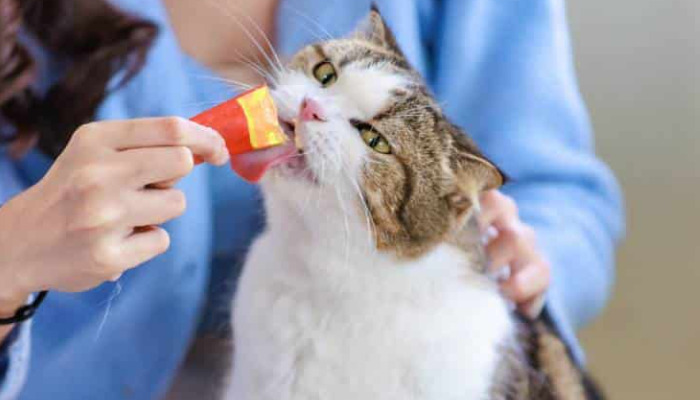
Treatment regimens typically last 84 days, with daily injections or pills depending on the medication used. Setting aside fear of needles, learning proper administration techniques, and adhering to strict dosing schedules is the first real test of patience. Skipped or late doses can hinder recovery or contribute to viral resistance. The process requires unwavering dedication, often at great emotional and physical cost to the caregiver.
Monitoring Progress: The Importance of Clinical Signs and Lab Work
Regular veterinary checkups are essential, including bloodwork to track parameters like hematocrit, albumin, globulin ratios, and bilirubin. Owners are counseled to watch for any signs of relapse or new symptoms. Waiting for lab results, especially when anxiously monitoring whether a cat is responding as hoped, can be a stressful process. Here, patience means trusting the process and giving medications time to work.
Managing Side Effects and Complications
With FIP antivirals still not FDA-approved in the U.S., much of the treatment is still considered experimental, and side effects or complications—such as injection site reactions, mild toxicity, or secondary infections—are possible. Resolving these issues may involve dose adjustments or supportive therapies (fluids, anti-nausea medications, appetite stimulants). Recovery rarely follows a straight line, and enduring these setbacks without panicking is critical.
Emotional Investment and Support Systems
Caring for a cat with FIP is emotionally taxing. The constant fear of relapse, euthanasia considerations, financial burdens, and social isolation can overwhelm even seasoned pet owners. Support from family, online forums, and veterinary professionals helps, but cultivating patience becomes a personal endeavor. Success stories often highlight not only medical achievement, but the caregiver's emotional resilience.
Financial Commitment and Resource Management
The cost of FIP treatment is substantial. GS-441524 and other antivirals are expensive, sometimes obtained through international suppliers or underground channels. Accurate budgeting and careful financial planning help reduce stress, but patience is vital as owners gather funds, await shipments, and ensure consistent access to medication. Lapses due to logistical challenges can risk treatment failure.
Dealing with Setbacks: What if Progress Halts?
Not every FIP case responds immediately or uniformly. Secondary infections (like sepsis or pneumonia), failure to gain weight, or unpredictable lab results are common. Adjusting treatment, pursuing additional diagnostic tests, or managing long-term complications (neurologic symptoms, ocular involvement) may lengthen the treatment timeline. Maintaining hope, adaptability, and patience in the face of uncertainty proves indispensable.
Long-Term Recovery and Post-Treatment Monitoring
After the initial 84-day course, cats require monitoring for weeks to months, as relapses can occur. Owners must watch vigilantly for subtle changes in appetite, weight, attitude, or neurological signs. Some cats may need a second course of antivirals if a "rebound" happens. The value of patience here cannot be overstated, as predicting full recovery is impossible until a significant time has passed without clinical symptoms.
Building a Routine and Coping Mechanisms
Successful FIP treatment depends on creating manageable routines. Establishing medication schedules, documenting daily observations, and coordinating with veterinary offices fosters a sense of control. Owners are urged to practice self-care, seek professional help for anxiety or depression, and use organizational strategies (reminders, dedicated spaces for supplies) to streamline the process.
The Role of Veterinary Teams
Collaboration is key. Knowledgeable veterinarians guide treatment, interpret lab results, and troubleshoot complications, but appointments, visits, and communications require patience. Sometimes, discussions about prognosis or alternative therapies create confusion and emotional conflict. Trusting in veterinary expertise while advocating for one's cat is a balancing act requiring maturity and restraint.
Coping with Social Perceptions
FIP is still misunderstood. Friends and family may question the expense or emotional commitment. Some view feline illness as futile to treat aggressively. Patiently educating those around you, seeking understanding, and forgiving insensitive comments help maintain morale.
Case Studies: Lessons from Caregivers
Many successful FIP recoveries involve owners recounting the emotional rollercoaster—thrilled by a cat’s first purr after days of lethargy, devastated by sudden setbacks, and finally relieved by a return to health. The common thread is unwavering patience: from waiting for meds to arrive, enduring sleepless nights, tolerating setbacks, and never giving in to despair, these stories provide a template for others.
Factors Affecting Required Patience
Severity of Illness: Cats with neurological FIP or multi-organ involvement require longer treatment and greater vigilance.
Access to Medications: Geographic location, supplier reliability, and financial means directly affect the duration and ease of treatment.
Support Systems: Caregivers with strong emotional, financial, and logistical support endure longer and more complex recoveries.
Personal Mindset: Optimism, adaptability, and willingness to persevere through setbacks are intrinsic to successful outcomes.
Avoiding Burnout and Compassion Fatigue
Extended caregiving can lead to burnout. Recognizing warning signs, seeking breaks, and sharing responsibilities are essential. Online support groups, counseling, and education are helpful resources. Owners who care for their own mental health are better equipped to provide patient, consistent care for their cats.
Implications for Future FIP Therapy
As FIP treatments evolve, shortening and simplifying regimens may lessen the burden on caregivers. However, as of now, patience remains as important as medical intervention. The experiences and insights from thousands of cat owners underscore just how personal and demanding FIP treatment truly is.
Reference List
1. Pedersen NC. “An update on feline infectious peritonitis: virology and immunopathogenesis.” Veterinary Journal, 2014; 201(2):133–141.
2. Murphy BG, et al. “The efficacy of GS-441524 in feline infectious peritonitis: a comprehensive review.” Viruses, 2020; 12(9): 1155.
3. Dickinson PJ, et al. “Antiviral therapy and neurological feline infectious peritonitis.” Journal of Feline Medicine and Surgery, 2022; 24(2): 85–93.
4. Addie DD, Jarrett O. “Feline coronavirus infections.” Infectious Disease Clinics of North America, 1998; 12(1): 1–11.
5. Izes AM, et al. “Feline infectious peritonitis: diagnosis, management, and outcomes.” Australian Veterinary Journal, 2020; 98(3): 89–97.
6. Tsai YL, et al. “Treatment and long-term outcomes for cats with FIP.” Journal of Veterinary Science, 2021; 22(6): e96.
7. Norris JM, et al. “Feline coronavirus, FIP, and management strategies.” Frontiers in Veterinary Science, 2021; 8: 685831.
8. Hartmann K, et al. “Clinical aspects and treatment of feline infectious peritonitis.” Veterinary Clinics of North America: Small Animal Practice, 2005; 35(1): 39–54.
9. Wang XY, et al. “Owner perspectives on treating FIP: an international survey.” Journal of Feline Medicine and Surgery, 2023; 25(7): 549–559.
10. Pedersen NC, et al. “GS-441524 Treatment Protocol for Feline Infectious Peritonitis.” UC Davis, 2019.