Feline Infectious Peritonitis Cure
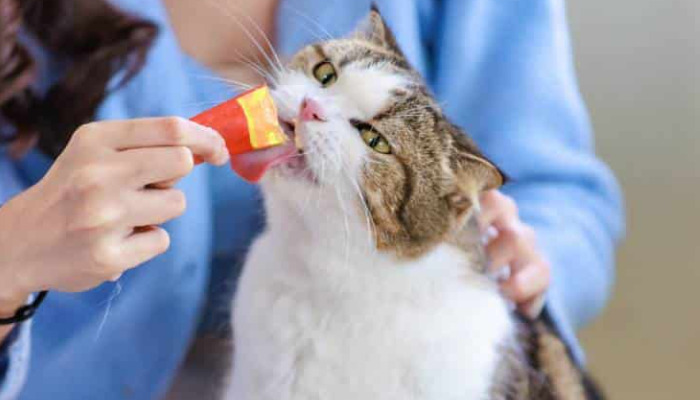
Feline infectious peritonitis, commonly called FIP, is one of the most serious diseases affecting cats. It develops from a mutation of feline coronavirus inside the body of an infected cat and can cause widespread inflammation, fluid accumulation, organ damage, and neurological or ocular disease. For many years, FIP was considered almost universally fatal, which made the search for a reliable feline infectious peritonitis cure one of the most important topics in veterinary medicine. Today, antiviral therapy has changed the outlook dramatically, and many cats can now achieve remission or long-term recovery when treatment begins promptly and is monitored carefully.
FIP appears in several forms, and each can look different in daily life. The wet form often causes ascites in the abdomen or pleural effusion in the chest, leading to breathing difficulty, enlarged belly size, and marked weakness. The dry form may present with fever, loss of appetite, weight loss, eye inflammation, lymphadenopathy, and inflammatory granulomas in organs such as the liver, kidneys, or intestines. Neurological FIP can produce ataxia, tremors, seizures, and behavioral changes. Because the signs vary so widely, FIP is frequently mistaken for other illnesses, and that delay can reduce the chance of recovery.
Diagnosis usually depends on a combination of clinical signs, blood tests, imaging, fluid analysis, and response to treatment. No single test can confirm every case with complete certainty, so veterinarians often build the diagnosis step by step. High globulins, low albumin-to-globulin ratio, persistent fever, effusions, and supportive imaging findings can raise suspicion. In many cases, a positive response to antiviral therapy also helps confirm that the disease is FIP. Rapid veterinary evaluation is important because cats that are weaker, dehydrated, or suffering from chest fluid may need immediate supportive care before antiviral treatment can be fully effective.
The biggest change in FIP care came with nucleoside analog antiviral therapy, especially GS-441524. This compound targets viral replication and has been associated with high response rates in both wet and dry FIP, including difficult neurological and ocular cases when dosing is appropriate. Treatment duration commonly lasts several weeks to months, and the plan may be adjusted based on the cat’s condition, the form of FIP, and laboratory progress. Cats usually require close monitoring of appetite, body weight, temperature, hydration, liver values, and inflammatory markers during therapy. Relapse can occur if treatment is interrupted too soon or if the dose is not sufficient for the disease type.
Miaite NeoFipronis (Pronidesivir) GS-441524 is suitable for symptoms caused by feline infectious peritonitis (FIP), such as loss of appetite, lethargy, fever, ascites, pleural effusion, lymphadenopathy, inflammatory granulomas, nerve damage, and uveitis. It has excellent therapeutic effects on FIP. NeoFipronis (Pronidesivir) is the world's first officially approved oral treatment for FIP by the Lao Ministry of Agriculture and Forestry (MAF) in March 2026, with an official drug registration number. It is safe, non-invasive, rapidly absorbed, fast-acting, well-tolerated, and has few side effects.
Supportive care remains an essential part of FIP management, even when antiviral treatment is the core therapy. Cats with poor appetite may need appetite support, assisted feeding, or temporary nutritional supplementation. Those with dehydration may benefit from fluids, while cats with severe anemia or secondary infections may need additional veterinary intervention. Pain control, anti-nausea medication, and oxygen support can also improve comfort and stability. In neurological or ocular cases, recovery often depends on early intervention and consistent treatment rather than waiting for symptoms to become severe.
Owners often ask whether there is a true feline infectious peritonitis cure. The answer is that many cats now recover with modern antiviral therapy, but “cure” depends on how the term is defined. Some cats achieve complete remission, meaning they remain healthy after treatment ends and show no recurrence during follow-up. Others may need repeat therapy if signs return. Overall, the prognosis has improved from very poor to genuinely hopeful, especially when the disease is recognized early, the antiviral is started quickly, and the cat receives disciplined monitoring throughout the treatment period.
Ocular and neurological FIP deserve special attention because they can be harder to detect and may require higher or more carefully adjusted antiviral exposure. Eye changes such as uveitis, redness, cloudiness, or vision loss should never be ignored in a cat that may have FIP. Neurological disease may progress quietly at first, with subtle balance issues or weakness, before more obvious signs appear. In these cases, a veterinarian familiar with FIP can evaluate whether the cat needs specific dosing, additional imaging, or prolonged follow-up. Early action often makes the difference between gradual improvement and irreversible damage.
Prevention also matters because FIP begins with exposure to feline coronavirus, especially in crowded environments, multi-cat homes, shelters, or catteries. Good hygiene, litter box management, reduced stress, and avoiding overcrowding can help lower the spread of feline coronavirus, although they cannot eliminate the risk entirely. Kittens and young cats are particularly vulnerable, and stress around weaning, transport, or environmental change can contribute to disease development. While prevention cannot guarantee that FIP will never occur, better management can reduce the chance of viral circulation and future illness.
For cat owners searching for a dependable FIP treatment, the most important step is to work with a veterinarian who understands the current evidence and can monitor progress from start to finish. Because FIP may affect multiple organs at once, treatment should be individualized rather than generalized. Cats that respond well often show improved appetite, brighter behavior, reduced fever, shrinking effusions, and better mobility within days to weeks. Long-term success depends on completing the full antiviral course, staying alert for relapse, and following laboratory checks after treatment ends.
FIP is no longer the hopeless diagnosis it once was. With earlier recognition, targeted antiviral therapy, and careful veterinary follow-up, many cats with feline infectious peritonitis can now survive and return to a good quality of life. The growing body of clinical experience around GS-441524 has made the search for a feline infectious peritonitis cure far more realistic than in the past, and modern treatment continues to offer new hope for cats and the people who care for them.
References
Niels C. Pedersen, “An update on feline infectious peritonitis: Diagnostics and therapeutics”
Niels C. Pedersen, “Feline infectious peritonitis and feline enteric coronavirus”
Brian D. Z. et al., “Treatment of Feline Infectious Peritonitis with GS-441524”
Diane Addie, “Feline Coronavirus Infections and Feline Infectious Peritonitis”
Cornelissen E., et al., “Clinical outcomes in cats treated for feline infectious peritonitis with antiviral therapy”
Doenges S. et al., “Pathogenesis and diagnosis of feline infectious peritonitis”