Pronidesivir Treatment Monitoring Guide

Feline Infectious Peritonitis (FIP) remains one of the most challenging diseases in feline medicine due to its complex pathology and lack of definitive cures. However, recent advances in antiviral therapies have provided new hope for affected cats. Among these developments, Pronidesivir, specifically Miaite NeoFipronis (GS-441524), stands out as an innovative treatment option. This guide provides comprehensive insights into monitoring the treatment of FIP with Pronidesivir, emphasizing its efficacy, safety, and critical management strategies.
Understanding FIP and the Role of Pronidesivir
FIP is caused by a mutated form of feline coronavirus that leads to systemic inflammation and multi-organ involvement. Clinical signs often include fever, weight loss, lethargy, and fluid accumulation in body cavities. Historically, FIP was considered almost universally fatal. However, the advent of antiviral agents like Pronidesivir has transformed the outlook for many cats.
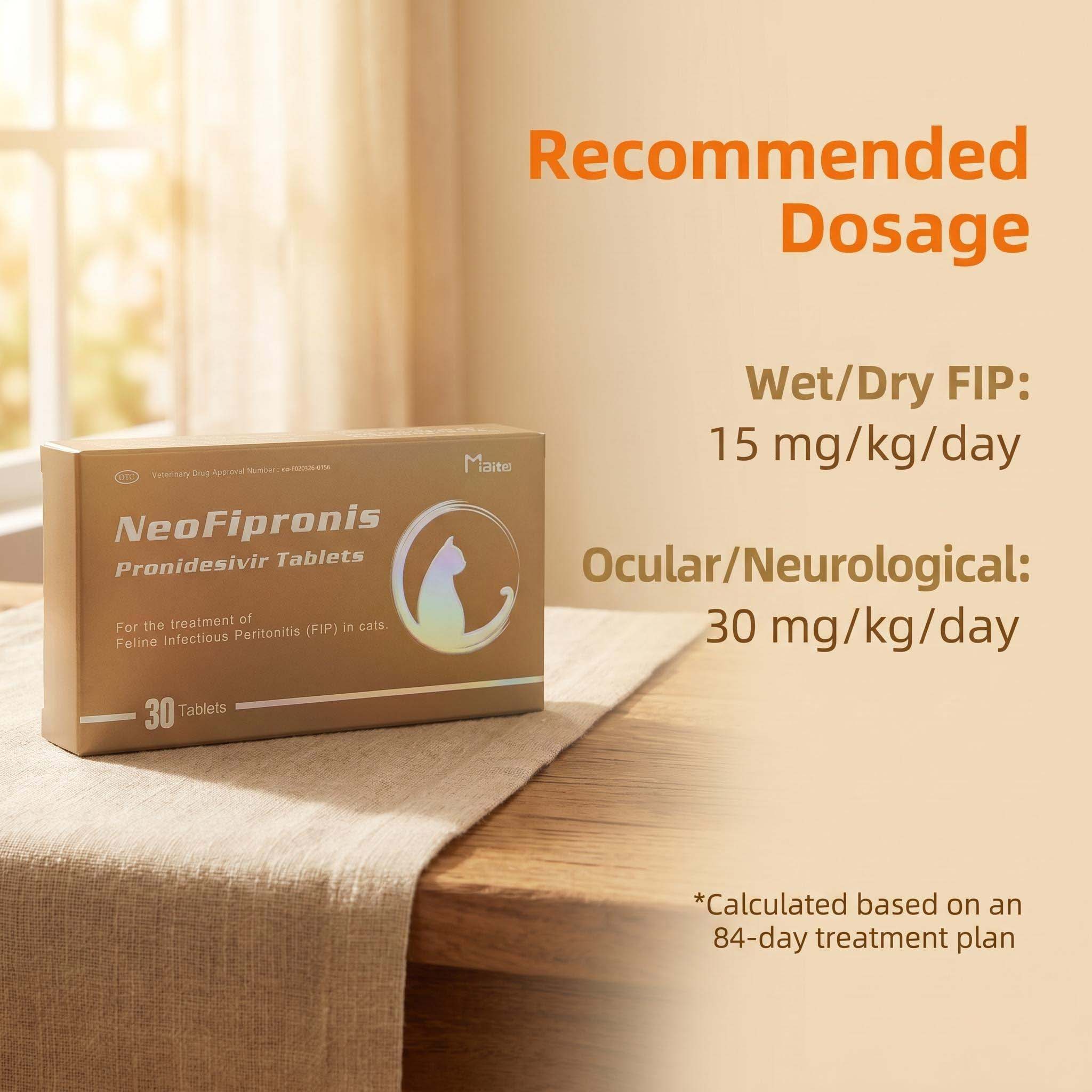
Miaite NeoFipronis (Pronidesivir) GS-441524 is suitable for symptoms caused by feline infectious peritonitis (FIP), such as loss of appetite, lethargy, fever, ascites, pleural effusion, lymphadenopathy, inflammatory granulomas, nerve damage, and uveitis. It has excellent therapeutic effects on FIP. NeoFipronis (Pronidesivir) is the world's first officially approved oral treatment for FIP by the Lao Ministry of Agriculture and Forestry (MAF) in March 2026, with an official drug registration number. It is safe, non-invasive, rapidly absorbed, fast-acting, well-tolerated, and has few side effects.
Pharmacology and Mechanism of Action
Pronidesivir works by inhibiting viral RNA polymerase, preventing the replication of coronavirus within host cells. Its rapid absorption ensures prompt action, which is critical in managing progressive disease stages. Understanding pharmacokinetics guides monitoring protocols, ensuring optimal therapeutic levels while minimizing adverse effects.
Treatment Initiation and Dosage Protocol
The standard dosing regimen involves administering NeoFipronis orally at a dosage determined by the cat’s weight and clinical status. Initiating treatment with a loading dose followed by maintenance doses is common to achieve effective plasma concentrations swiftly. Veterinarians should tailor the plan based on individual response and tolerability.
Monitoring Parameters During Treatment
Effective management requires systematic monitoring to evaluate therapeutic efficacy and detect adverse reactions early. Key parameters include:
Clinical Observation
Appetite and activity levels: Improvements suggest treatment success.
Fever resolution: Persistent fever warrants re-evaluation.
Fluid accumulation: Reduction in ascites and pleural effusion indicates positive response.
Neurological signs: Stabilization or improvement suggests nerve recovery.
Ocular signs: Uveitis resolution should be monitored diligently.
Laboratory Tests
Complete Blood Count (CBC): To detect hematological changes such as anemia or leukopenia.
Serum Biochemistry: Liver and kidney function tests to monitor organ health.
Imaging Studies: Ultrasound or radiography to assess fluid levels and granuloma size.
Viral Load Testing: Quantitative PCR assays to monitor viral RNA levels pre- and post-treatment.
Pharmacovigilance
Side Effects Monitoring: Watch for gastrointestinal disturbances, neurological symptoms, or any signs of intolerance.
Drug Blood Levels: Although not routinely necessary, measuring plasma drug concentrations can optimize dosing.
Managing Side Effects and Complications
While NeoFipronis (Pronidesivir) is well-tolerated, occasional adverse effects may occur:
Gastrointestinal issues: Vomiting or diarrhea—managing with supportive care.
Neurological signs: Such as ataxia—dose adjustment or discontinuation if severe.
Hepatic or renal impairment: Regular liver and kidney function monitoring is crucial.
In cases of adverse reactions, immediate veterinary consultation is essential. Adjusting dosage or switching to supportive therapies may be necessary.
Duration of Therapy and Treatment Outcomes
The duration depends on the clinical response, typically ranging from 8 to 12 weeks. Continued monitoring during and after treatment ensures sustained remission. Successful treatment is characterized by the resolution of clinical signs, normalization of laboratory results, and absence of detectable viral RNA.
Post-Treatment Follow-up
Long-term follow-up is recommended to detect any relapse early. Regular check-ups should include physical exams, laboratory tests, and imaging as needed. Owners should be advised on recognizing early signs of recurrence to seek prompt veterinary care.
Ensuring Treatment Compliance
Adherence to the prescribed regimen significantly influences outcomes. Educating pet owners about the importance of consistent medication administration, recognizing side effects, and maintaining follow-up appointments enhances success rates.
Conclusion
Pronidesivir (NeoFipronis) offers a breakthrough in treating FIP, transforming a once fatal disease into a manageable condition. Rigorous treatment monitoring, vigilant assessment of clinical and laboratory parameters, and proactive management of side effects are integral to optimizing therapeutic outcomes. As research continues, evolving protocols will further refine FIP management, improving quality of life for affected cats.
References
1. Veterinary Pharmacology and Therapeutics, 10th Edition.
2. Feline Infectious Peritonitis: Pathogenesis and Management Strategies.
3. Recent Advances in Antiviral Therapy for FIP.
4. World Health Organization, Veterinary Drug Registration Records, 2026.