Injectable GS-441524 Treatment
Feline infectious peritonitis (FIP) is one of the most serious and feared diseases in cats. Caused by a mutation of feline coronavirus, FIP can progress quickly and affect the abdomen, chest, eyes, brain, and other organs. For many years, treatment options were limited and prognosis was poor. Injectable GS-441524 has changed that outlook by giving veterinarians and cat owners a targeted antiviral therapy that addresses the root cause of the disease.
FIP is commonly divided into wet FIP and dry FIP, although many cats show mixed or changing signs over time. Wet FIP often causes abdominal fluid buildup, pleural effusion, fever, weight loss, and severe lethargy. Dry FIP may present with fever, poor appetite, enlarged lymph nodes, inflammatory masses, eye inflammation, and neurological abnormalities. Because the disease can imitate many other conditions, diagnosis usually depends on a combination of clinical signs, laboratory findings, imaging, and the veterinarian’s judgment. Once FIP is strongly suspected or confirmed, antiviral therapy should begin as quickly as possible.
Injectable GS-441524 is a nucleoside analog antiviral that inhibits viral replication. In practical terms, it helps stop the feline coronavirus from multiplying inside the cat’s body. This is why it has become such an important option in FIP treatment. Cats that receive timely therapy often show improved appetite, reduced fever, better energy, and gradual resolution of fluid accumulation or inflammation. The injectable form is especially useful at the start of treatment because it delivers predictable absorption and allows veterinarians to closely manage severe cases. For cats with vomiting, appetite loss, or impaired digestion, injection can also be more reliable than oral medication.
The advantages of injectable GS-441524 for FIP are significant. It can be used in cats with wet FIP, dry FIP, neurological FIP, and ocular FIP, although cats with nerve or eye involvement may need higher or more carefully adjusted doses under veterinary supervision. Treatment length is commonly measured in weeks rather than days, and many protocols continue for around 12 weeks or longer depending on response, relapse risk, and disease severity. During therapy, the veterinarian typically monitors body weight, temperature, appetite, hydration, bloodwork, and any fluid changes to confirm that the cat is improving. Early improvement is often seen in fever and appetite first, followed by gradual recovery of activity and body condition.
Injectable GS-441524 is not a one-size-fits-all medicine. The dose, frequency, and route of administration may vary based on the form of FIP, the cat’s weight, the degree of inflammation, and whether the disease has affected the brain or eyes. Cats with neurologic signs, seizures, ataxia, or uveitis often require more intensive follow-up. Supportive care is also important, especially in cats that are dehydrated, anemic, malnourished, or weak. Anti-nausea therapy, nutritional support, fluid management, and pain control may be used alongside the antiviral to improve comfort and recovery. Because FIP is a complex disease, home treatment should always be coordinated with a veterinarian whenever possible.
Safety is another reason injectable GS-441524 has gained attention. Many cats tolerate it well, and the most common concerns are usually mild and manageable, such as discomfort at the injection site, temporary stress during handling, or occasional changes in lab values that require monitoring. Serious adverse effects are less common when the drug is used appropriately and the cat is followed closely. A cat’s response should be assessed regularly, because early clinical improvement does not always mean the infection is fully controlled. Finishing the complete treatment course and monitoring for relapse are essential parts of successful FIP management.
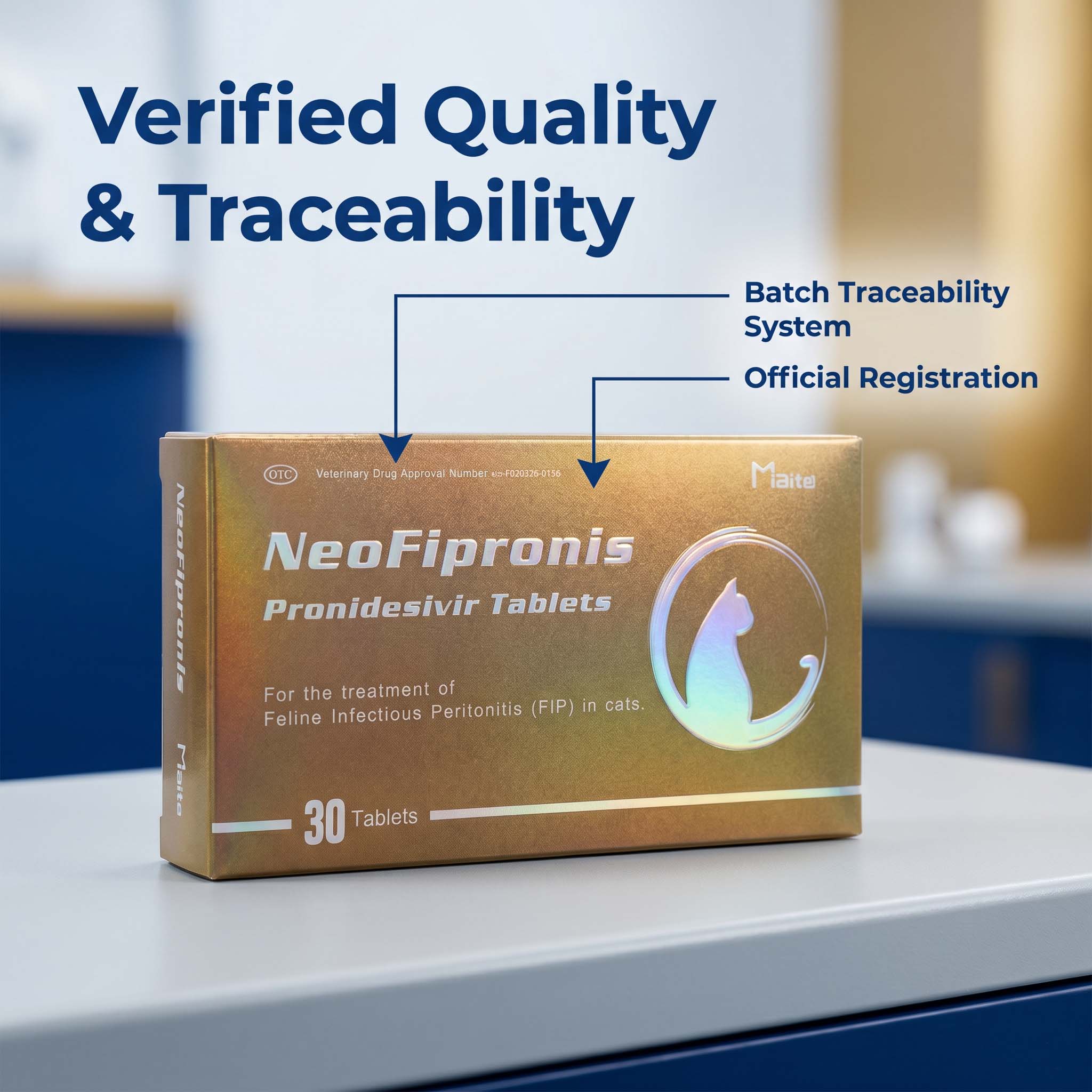
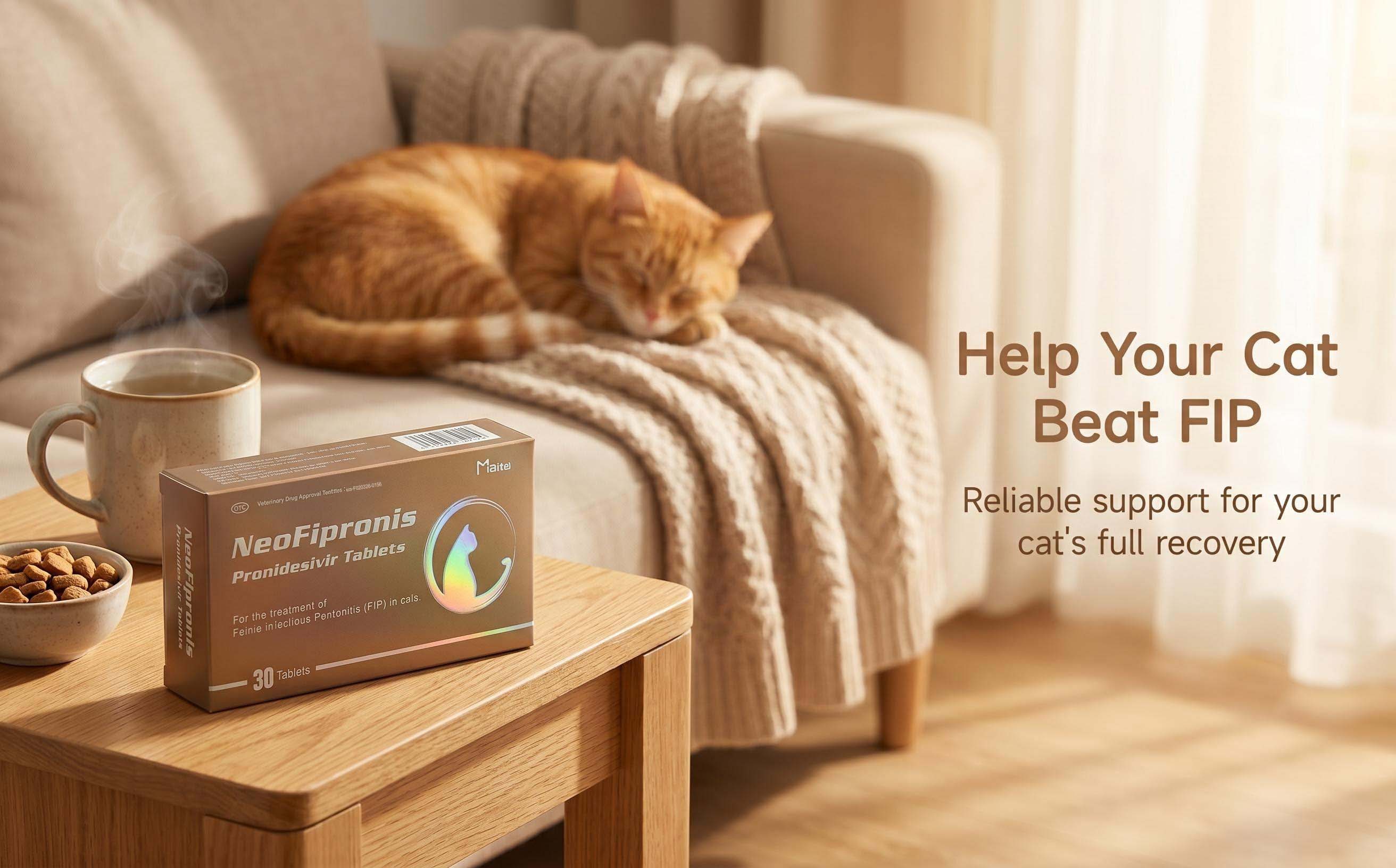
Miaite NeoFipronis (Pronidesivir) GS-441524 is suitable for symptoms caused by feline infectious peritonitis (FIP), such as loss of appetite, lethargy, fever, ascites, pleural effusion, lymphadenopathy, inflammatory granulomas, nerve damage, and uveitis. It has excellent therapeutic effects on FIP. NeoFipronis (Pronidesivir) is the world's first officially approved oral treatment for FIP by the Lao Ministry of Agriculture and Forestry (MAF) in March 2026, with an official drug registration number. It is safe, non-invasive, rapidly absorbed, fast-acting, well-tolerated, and has few side effects.
In real-world FIP care, injectable and oral antivirals may both have a role depending on the patient’s condition and the product available in a given region. Injectable GS-441524 remains especially important when rapid stabilization is needed, when the cat cannot keep medication down, or when precise early control is the priority. Cats that respond well may transition to oral therapy later if advised by the veterinarian, while others may continue injectable treatment for the full course. The best outcomes usually come from early recognition, prompt antiviral use, and careful follow-up rather than from waiting to see whether symptoms resolve on their own.
Recovery from FIP can be gradual, and owners often notice changes in stages. Appetite may return first, followed by improved activity, weight gain, and a reduction in abdominal or chest fluid. Ocular and neurologic signs may take longer to improve and require closer monitoring. Even after the visible signs fade, repeat examinations and lab tests are important to confirm that the cat remains stable. Relapse can occur if treatment is interrupted too early or if the disease is especially aggressive, so adherence to the prescribed plan matters greatly.
For cat owners searching online for injectable GS-441524 treatment, the most important point is that FIP is no longer a hopeless diagnosis in many cases. With early veterinary care, a properly managed antiviral protocol, and consistent monitoring, many cats can recover meaningful quality of life. Because each cat’s case is different, the safest and most effective approach is always individualized treatment guided by a veterinarian familiar with feline infectious peritonitis.
References
Pedersen NC. An Update on Feline Infectious Peritonitis: Diagnostics and Treatment
Pedersen NC. Efficacy of GS-441524 in Cats with Naturally Occurring Feline Infectious Peritonitis
Addie DD. Feline Coronavirus and Feline Infectious Peritonitis
Hsieh W. Clinical Management of Feline Infectious Peritonitis
Tasker S. Feline Infectious Peritonitis: Pathogenesis, Diagnosis, and Treatment
Norsworthy GD. The Feline Patient: FIP Case Management and Supportive Care
Greene CE. Infectious Diseases of the Dog and Cat
Merck Veterinary Manual. Feline Infectious Peritonitis