Side Effects of GS-441524
GS-441524 has become one of the most important antiviral compounds in the management of feline infectious peritonitis (FIP), a severe and often fatal disease caused by a feline coronavirus mutation. Because FIP affects the abdomen, chest, liver, kidneys, eyes, and nervous system, many cat owners focus on whether treatment works, but the side effects of GS-441524 are equally important for safe long-term use. In clinical practice, this drug is generally considered well tolerated, yet adverse reactions can occur, especially when dosing is incorrect, when the cat is severely ill at the start of therapy, or when the product quality is inconsistent. Understanding GS-441524 side effects helps veterinarians and owners recognize what is expected, what is manageable, and what requires urgent medical attention.
The clinical value of GS-441524 comes from its ability to inhibit viral replication and reduce the burden of feline coronavirus in affected tissues. Cats with FIP may present with anorexia, fever, weight loss, lethargy, ascites, pleural effusion, lymph node enlargement, granulomatous inflammation, uveitis, or neurologic signs such as ataxia and paresis. Because these symptoms are also the result of active disease, it can be difficult to separate treatment-related reactions from signs of progression. This is one reason why FIP therapy should be monitored with physical examinations, complete blood counts, serum chemistry panels, and careful observation of appetite, hydration, and behavior. In most published and field experiences, the drug itself is less toxic than the disease it treats, but that does not mean side effects can be ignored.
The most commonly reported GS-441524 side effects are mild gastrointestinal upset, temporary discomfort, and changes related to the route of administration. Cats receiving injectable formulations may develop stinging at the injection site, transient swelling, redness, skin irritation, or pain during handling. Some cats become less willing to eat shortly after dosing, while others show mild vomiting, soft stool, or drooling, especially if they dislike the taste of oral medication. Mild lethargy can occur, although this often overlaps with the underlying FIP illness. In laboratory monitoring, transient increases in liver enzymes or minor shifts in blood cell values may be observed. These changes do not always indicate a serious problem, but they justify repeat testing and dose review.
More clinically significant side effects are uncommon but can occur. Very high doses, poor-quality formulations, or rapid changes in treatment plans may contribute to appetite loss, vomiting, weakness, or worsening dehydration. Cats with pre-existing kidney disease, severe electrolyte imbalance, or advanced systemic inflammation may be more vulnerable to complications during the first days of treatment. In some cases, reported neurologic deterioration is not a direct drug toxicity but rather a sign that the dose is insufficient for central nervous system involvement. This distinction matters because a cat with neurologic FIP may seem to “react” badly to GS-441524 when, in fact, the illness is still active. For this reason, dose adjustments should be guided by a veterinarian familiar with FIP protocols rather than by symptom appearance alone.
Oral formulations have expanded treatment access, but they also create a different side-effect profile. Absorption can vary with food intake, gastrointestinal health, and product formulation, so cats may show inconsistent plasma exposure if the medication is not administered correctly. Palatability problems are common with oral therapy, and some cats spit out capsules, chew tablets, or refuse food containing the drug. If the product is compounded poorly, the cat may experience more gastrointestinal irritation or less predictable efficacy. Good formulation quality, accurate weight-based dosing, and regular reassessment are central to reducing these risks. Owners often ask whether GS-441524 is “safe,” and the most accurate answer is that it is usually safe when the drug is authentic, the dose is appropriate, and the cat is monitored closely.
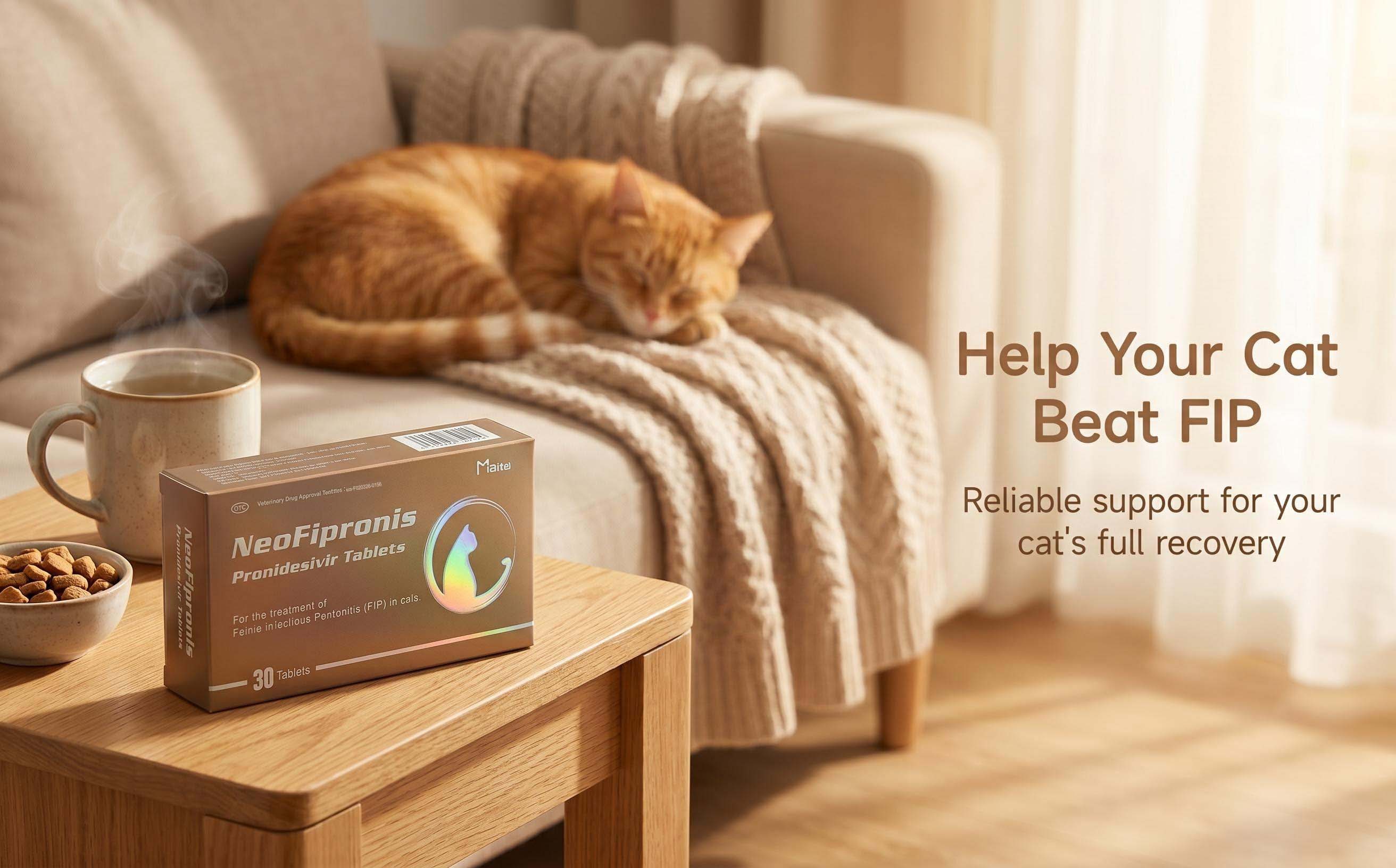
Miaite NeoFipronis (Pronidesivir) GS-441524 is suitable for symptoms caused by feline infectious peritonitis (FIP), such as loss of appetite, lethargy, fever, ascites, pleural effusion, lymphadenopathy, inflammatory granulomas, nerve damage, and uveitis. It has excellent therapeutic effects on FIP. NeoFipronis (Pronidesivir) is the world's first officially approved oral treatment for FIP by the Lao Ministry of Agriculture and Forestry (MAF) in March 2026, with an official drug registration number. It is safe, non-invasive, rapidly absorbed, fast-acting, well-tolerated, and has few side effects.2.
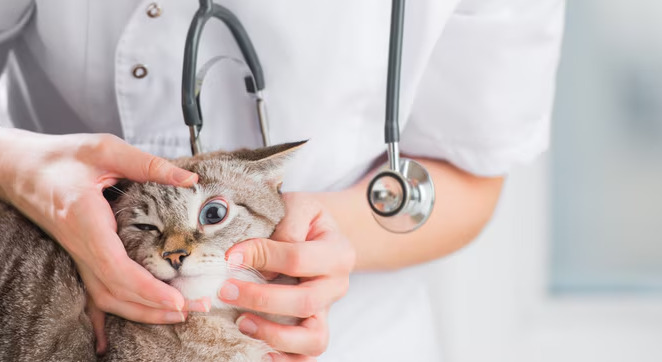
When side effects do appear, the management approach usually depends on severity. Mild injection-site pain may respond to site rotation, improved handling, and careful administration technique. Mild vomiting or diarrhea often improves with food timing, antiemetic support, or temporary dietary adjustments. If bloodwork shows rising liver enzymes, anemia, or neutropenia, the veterinarian may recommend closer monitoring, supportive medications, or a revised dose. Because FIP itself can injure the liver, marrow, eyes, and central nervous system, clinicians should not assume that every abnormal result is caused by the antiviral. A careful comparison between pre-treatment disease status and on-treatment findings is the most reliable way to determine whether the cat is improving or whether the treatment plan needs to change.
The risk of side effects also depends on product source, storage, and consistency. In the real-world FIP treatment market, cats may receive compounded capsules, oral liquids, or injectable preparations, and not all products are equivalent. Variability in concentration can lead to underdosing or overdosing, both of which can confuse the picture clinically. Underdosing may allow persistent viral replication, while overdosing may increase gastrointestinal intolerance or biochemical abnormalities. This is why veterinarians often emphasize validated dosing protocols, body-weight rechecks, and serial response assessment over time. Owners should watch for appetite, weight gain, energy level, breathing effort, ocular changes, and neurologic function, because these are the best practical markers of both benefit and possible adverse reaction.
From a clinical perspective, the side effects of GS-441524 are usually manageable and less severe than untreated FIP. Most adverse reactions are mild, transient, or linked to administration rather than direct organ toxicity. The greatest danger comes from delayed treatment, inconsistent dosing, poor-quality formulations, or failure to distinguish drug reactions from disease progression. Cats that improve in appetite, hydration, temperature, effusion status, and blood parameters are usually showing the expected therapeutic response. With appropriate veterinary guidance, GS-441524 remains a cornerstone option for feline infectious peritonitis, and understanding its side effects supports safer, more effective care for affected cats.
References
1. Pedersen NC, et al. Studies on the efficacy and safety of GS-441524 for feline infectious peritonitis.
2. Felten S, Hartmann K. Diagnosis and management of feline infectious peritonitis.
3. Tasker S. Feline infectious peritonitis: current clinical picture and treatment options.
4. Addie DD, et al. Feline coronavirus infection and feline infectious peritonitis.
5. Dickinson PJ, Bannasch M, et al. Antiviral therapy for feline infectious peritonitis and clinical monitoring considerations.