NeoFipronis (Pronidesivir) Indications and How to Use It
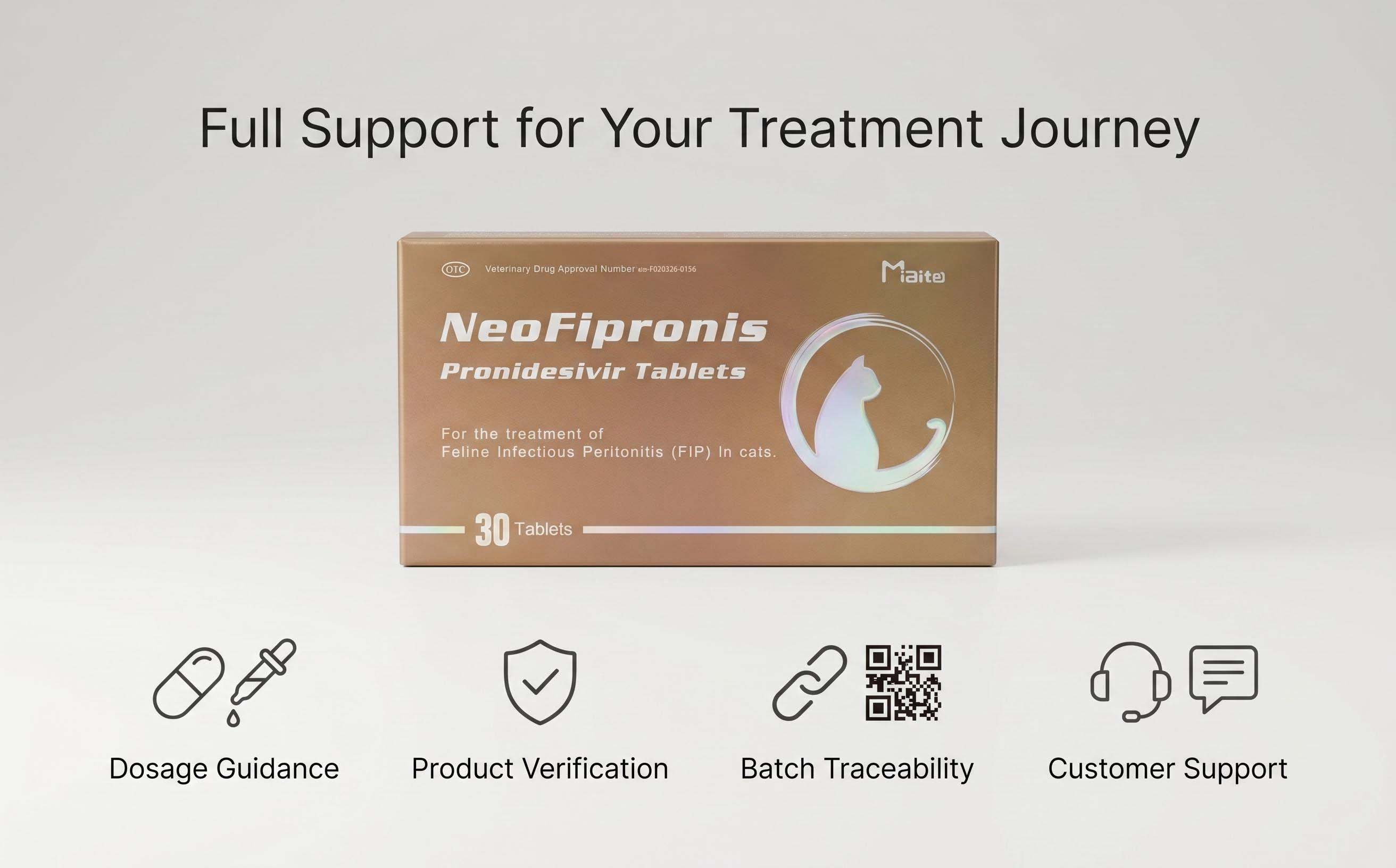
What NeoFipronis (Pronidesivir) Is
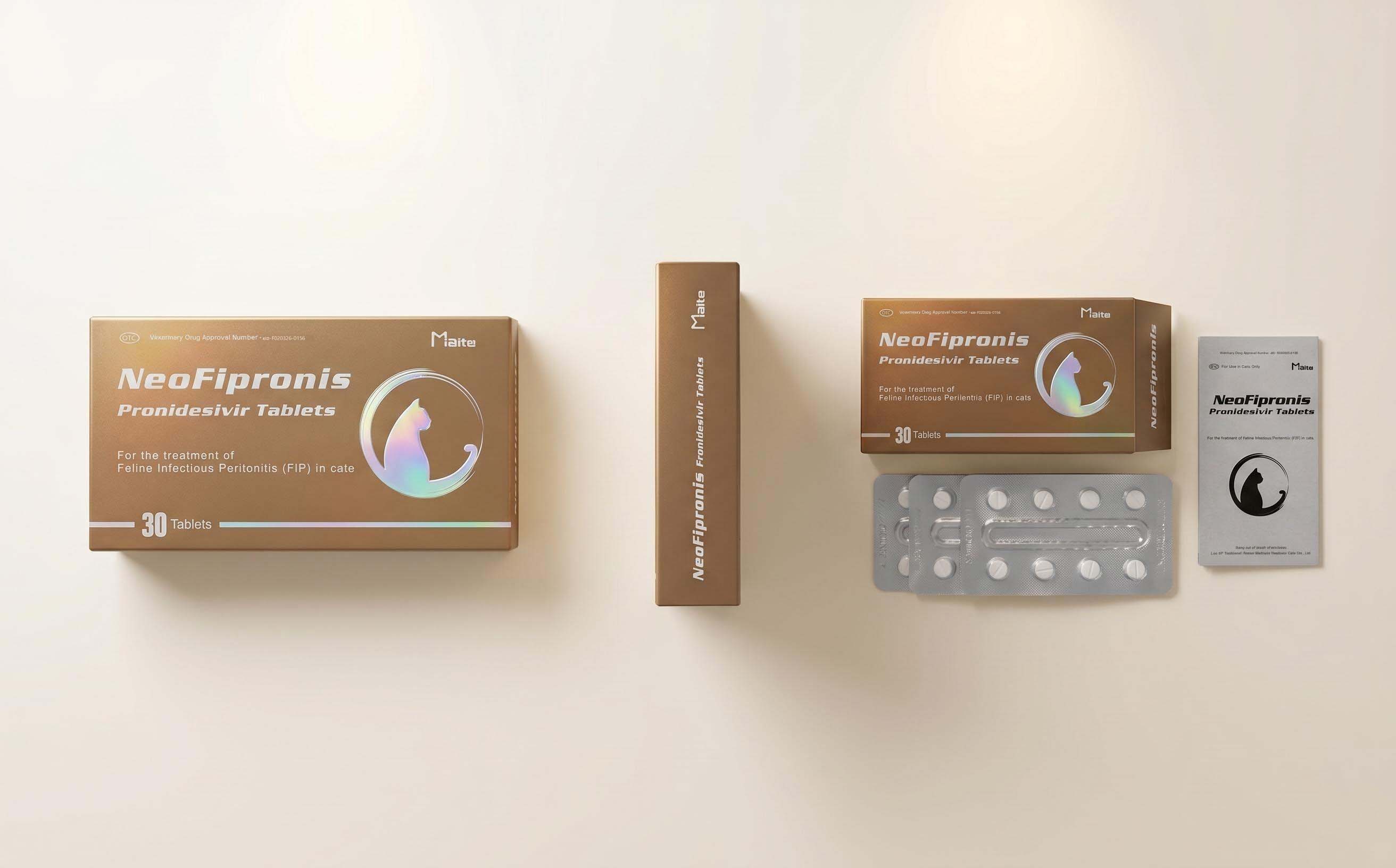
NeoFipronis (Pronidesivir) is an oral FIP treatment for cats, with GS-441524 as its active ingredient. It is designed for feline infectious peritonitis (FIP), a serious and often life-threatening viral disease in cats. FIP can cause poor appetite, lethargy, fever, ascites, pleural effusion, enlarged lymph nodes, inflammatory granulomas, neurological damage, and uveitis. In cats diagnosed with FIP, timely antiviral therapy can make a major difference in recovery, comfort, and long-term outcome.
GS-441524 has been widely studied and used in clinical practice for its antiviral activity against feline coronavirus replication. Because FIP is a complex disease with varied clinical signs, treatment plans should always be matched to the cat’s condition, especially when the disease affects the nervous system or eyes.
Indications for FIP Cats
NeoFipronis (Pronidesivir) is indicated for cats with suspected or confirmed FIP, including wet FIP, dry FIP, ocular FIP, and neurological FIP. It may be used when a cat shows persistent fever, progressive weight loss, loss of appetite, abdominal distension from fluid buildup, breathing difficulty from chest fluid, eye inflammation, wobbliness, seizures, or other signs consistent with FIP. Cats with inflammatory granulomas or lymph node enlargement may also benefit when FIP is the underlying cause.
For owners searching for FIP treatment for cats, NeoFipronis (Pronidesivir) is positioned as a convenient oral option that is non-invasive, fast-absorbing, and generally well tolerated. Its goal is to reduce viral replication and support improvement in clinical signs over the treatment period.
How to Use NeoFipronis (Pronidesivir)
The usual dosage is based on body weight: 15 mg per kilogram of body weight once daily, which equals half a tablet in the referenced formulation. For neurological FIP or ocular FIP, the dose may need to be increased to 30 mg/kg, but this should only be done under veterinary guidance. The medication is typically given once daily, preferably on an empty stomach, either 1 hour before meals or 2 hours after meals, to support absorption.
Consistency matters. Treatment should continue for no less than 12 weeks, and doses should not be missed. Missing medication can reduce effectiveness and may interfere with recovery. Even though NeoFipronis (Pronidesivir) may be available as an over-the-counter product in some markets, veterinary supervision is strongly recommended to make sure the dose, duration, and monitoring plan are appropriate for the individual cat.
Precautions and Monitoring
During treatment for feline infectious peritonitis, owners should watch for changes in appetite, body temperature, energy level, hydration, breathing, and neurological or eye symptoms. Regular blood tests are important to monitor blood values, liver function, and kidney function throughout therapy. If vomiting, severe weakness, or worsening signs occur, a veterinarian should be contacted promptly. This product is for cats only and must not be used in humans.
To help ensure product quality and authenticity, purchase NeoFipronis (Pronidesivir) through the official website or authorized channels whenever possible. For cats with FIP, early diagnosis, correct dosing, and careful monitoring are key factors in achieving the best possible outcome.