
Where to Get GS-441524 for FIP
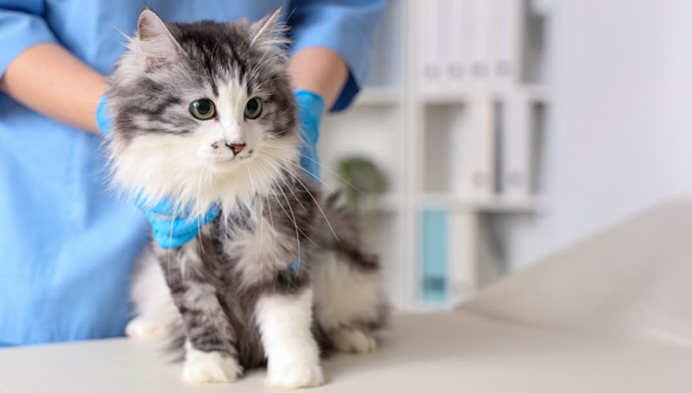
Feline Infectious Peritonitis (FIP) is a fatal disease caused by certain strains of feline coronavirus. It primarily affects domestic cats, especially those with weakened immune systems, leading to a variety of severe health issues such as fluid accumulation in body cavities, neurological damage, and ocular problems. The development of effective treatments has been challenging; however, recent advances have brought GS-441524, an antiviral compound, into focus as a promising option for fighting FIP.
Understanding FIP and Its Impact on Cats
FIP is notorious for its complex pathology and rapid progression. Infected cats typically exhibit signs such as loss of appetite, lethargy, fever, abdominal distension (ascites), difficulty breathing due to pleural effusion, lymphadenopathy, inflammation-driven granulomas, nerve damage, and inflammation of the eyes (uveitis). Traditionally, FIP was considered almost uniformly fatal, with few effective treatments available.
The Role of GS-441524 in FIP Treatment
GS-441524 is a nucleoside analog that inhibits the replication of feline coronavirus, thereby preventing the virus from spreading within the host’s body. Its efficacy in treating FIP has been supported by numerous case reports and veterinary studies, showing impressive recovery rates when administered properly.
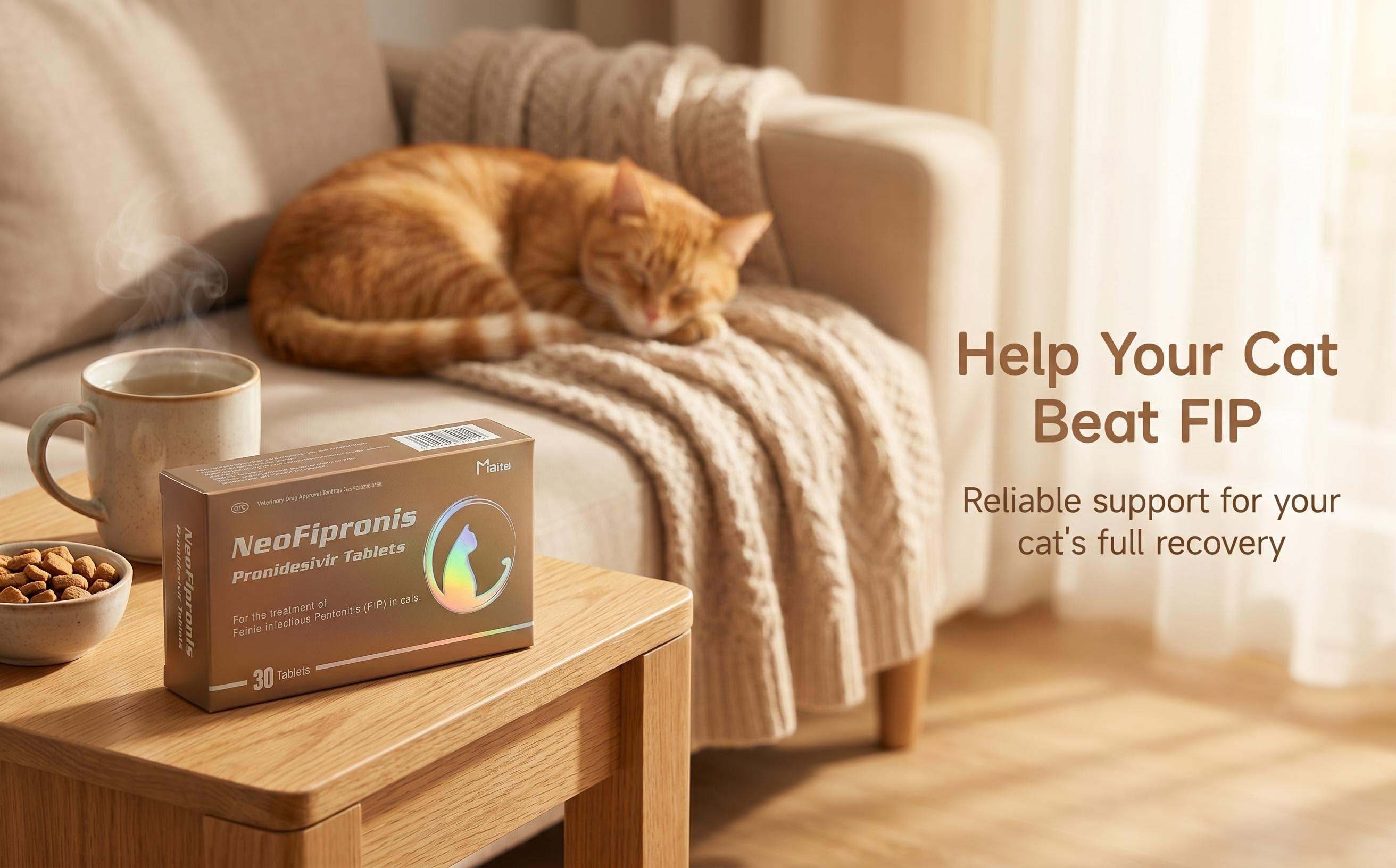
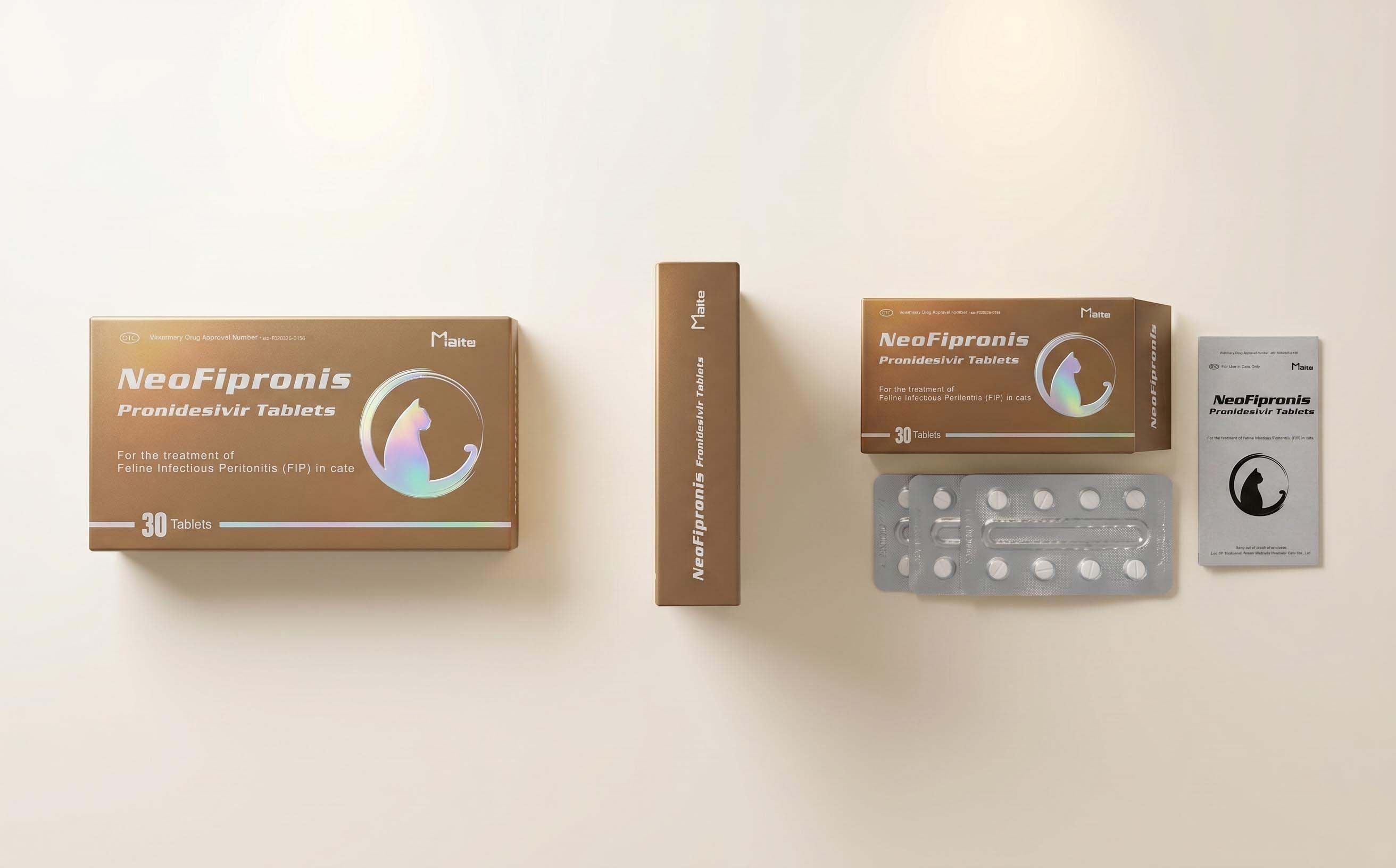
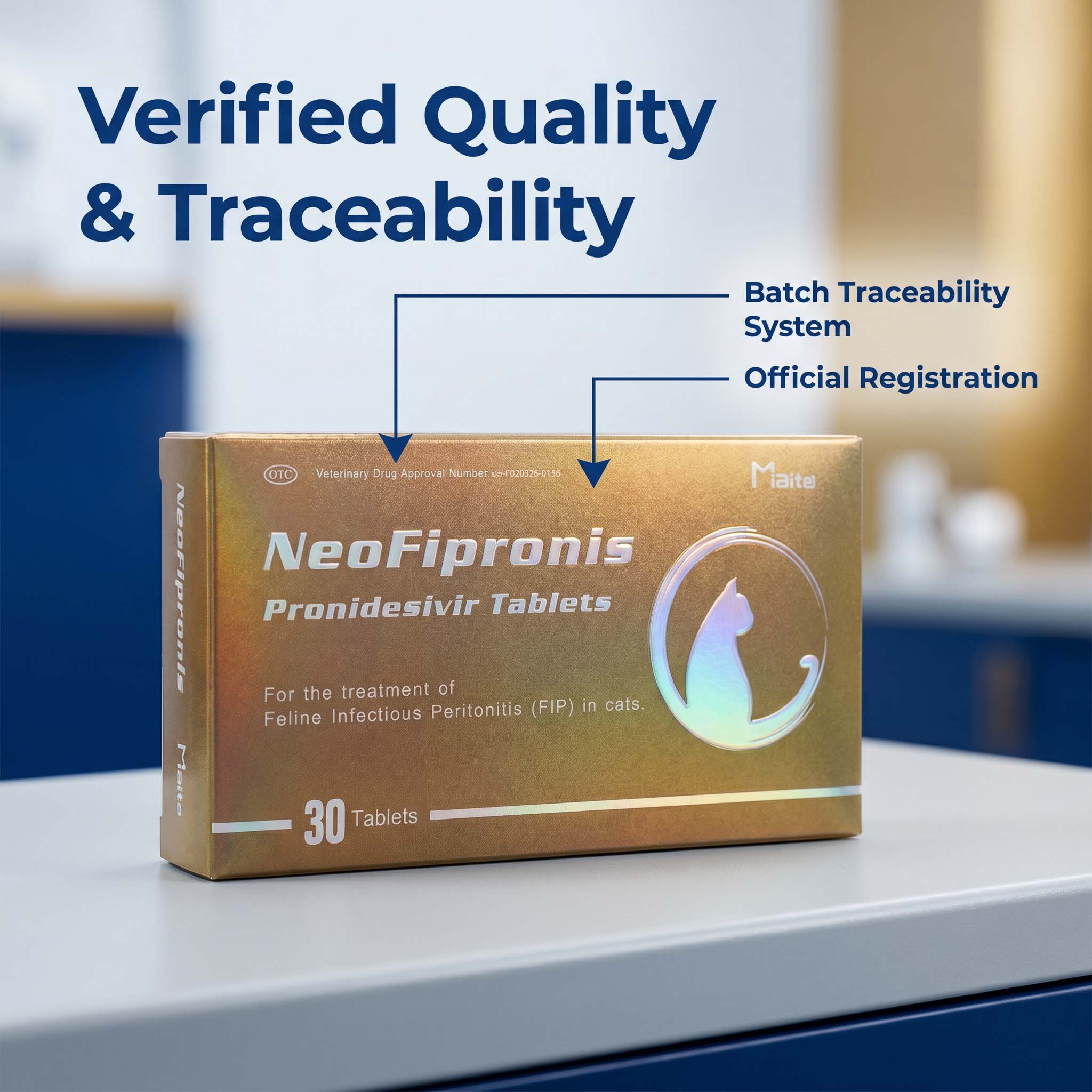
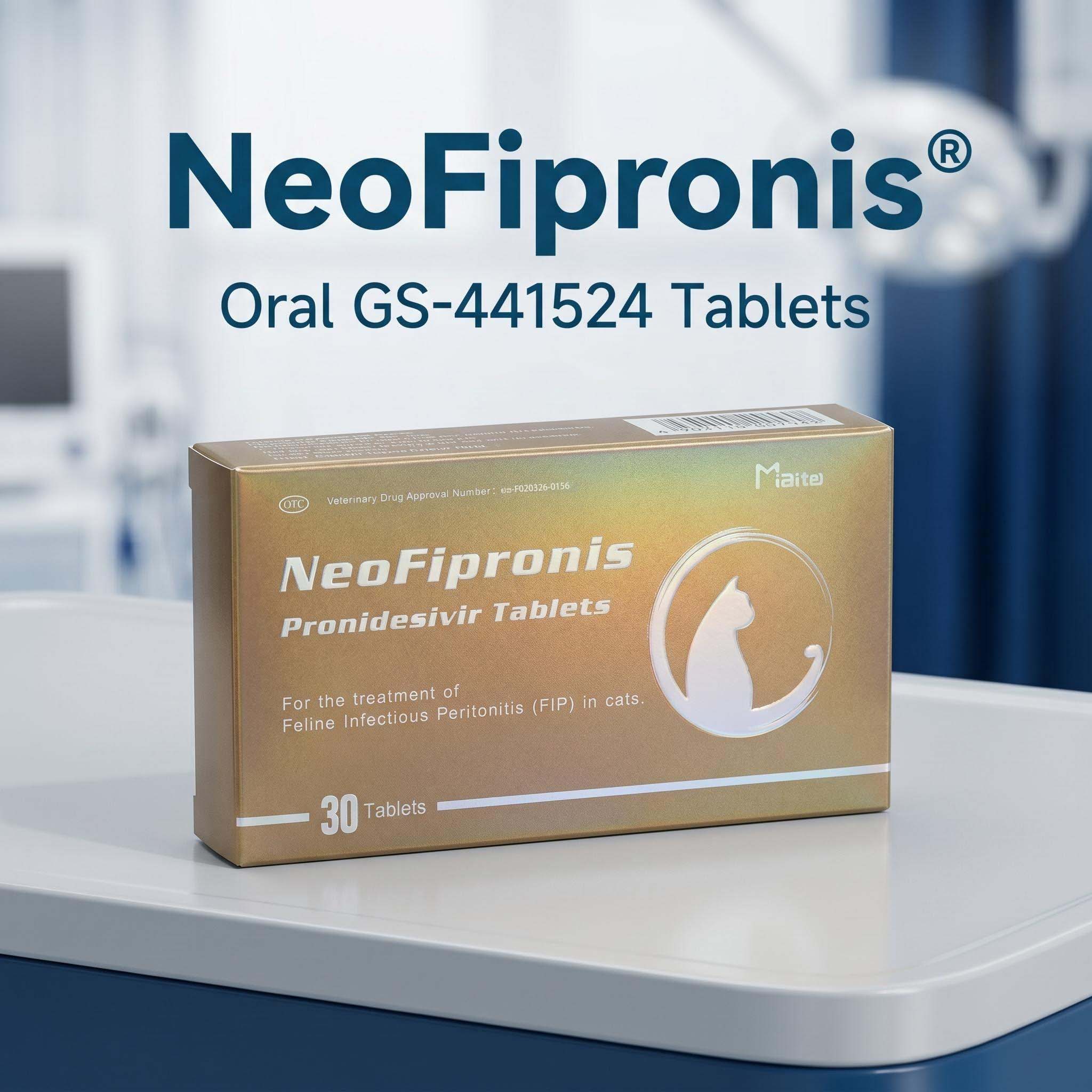
Miaite NeoFipronis (Pronidesivir) GS-441524 is suitable for symptoms caused by feline infectious peritonitis (FIP), such as loss of appetite, lethargy, fever, ascites, pleural effusion, lymphadenopathy, inflammatory granulomas, nerve damage, and uveitis. It has excellent therapeutic effects on FIP. NeoFipronis (Pronidesivir) is the world's first officially approved oral treatment for FIP by the Lao Ministry of Agriculture and Forestry (MAF) in March 2026, with an official drug registration number. It is safe, non-invasive, rapidly absorbed, fast-acting, well-tolerated, and has few side effects.
Where to Source GS-441524 for FIP Treatment
Accessing GS-441524 can be challenging, as it is not officially approved or regulated in many countries outside of specific jurisdictions. However, there are several avenues through which pet owners and veterinarians can acquire this medication:
1. Licensed Veterinary Suppliers and Pharmacies
In some regions, especially within certain countries, licensed veterinary pharmacies may distribute GS-441524 products legally. These suppliers adhere to strict quality control standards, ensuring the medication's purity and dosage accuracy. Pet owners should verify the credentials and approval status of these suppliers before purchasing.
2. Officially Approved Medications: NeoFipronis (Pronidesivir)
Since March 2026, NeoFipronis (Pronidesivir) GS-441524 has gained official approval in Laos. Its registration number signifies regulatory acknowledgment, making it a trusted option for treatment within that jurisdiction. Veterinary practitioners outside Laos often consider importing the drug through authorized channels or distributing it via licensed clinics.
3. Online Veterinary Pharmacies and International Distributors
Numerous online vendors specialize in veterinary medicines, including GS-441524. While purchasing online offers convenience, safety is paramount. Buyers must thoroughly research to confirm the supplier’s legitimacy and product quality. Look for vendors that provide transparent information about manufacturing standards, batch testing, and certifications.
4. Compounding Pharmacies and Research Laboratories
Some compounding pharmacies and research laboratories synthesize GS-441524 for veterinary use. These entities often require veterinarian prescriptions and may offer tailored dosages suitable for individual cats. Ensuring that the laboratory complies with good manufacturing practices (GMP) is essential to guarantee product safety.
Legal and Safety Considerations
It is important to note that the legal status of GS-441524 varies by country. In many regions, it is classified as an experimental or unapproved medication. Administering such drugs without proper veterinary supervision can pose health risks, including toxicity or ineffective treatment. Pet owners should work closely with qualified veterinarians familiar with FIP treatment protocols to determine the safest, most effective course of action.
Practical Tips for Pet Owners
Consult a Veterinarian: Always seek veterinary advice before starting GS-441524 treatment. A professional can evaluate your cat’s condition, recommend appropriate dosages, and monitor progress.
Verify Product Authenticity: Use reputable suppliers that provide documentation on quality control and approval status.
Monitor Side Effects: During treatment, observe your cat for any adverse reactions such as gastrointestinal upset, allergic responses, or changes in behavior. Report these to your vet immediately.
Secure the Supply: Due to potential regulatory restrictions, ensure you obtain the medication through legitimate channels to avoid counterfeit or substandard products.
Future Outlook
The approval of NeoFipronis (Pronidesivir) in Laos marks a significant milestone in FIP treatment, paving the way for wider acceptance and availability of GS-441524 globally. As research advances and regulatory frameworks evolve, more pet owners and veterinarians will have access to safe, effective solutions for managing this devastating disease.
Conclusion
While access to GS-441524 can be complex, understanding the sources, legal considerations, and proper veterinary guidance is crucial for effective FIP treatment. With ongoing developments like NeoFipronis (Pronidesivir), the future appears promising for feline health and recovery from FIP.
References
"Feline Infectious Peritonitis (FIP): Pathogenesis and Treatment," Veterinary Journal.
"GS-441524 and the Fight Against FIP," Journal of Veterinary Medicine.
"Regulatory Approval of NeoFipronis (Pronidesivir)," Lao Ministry of Agriculture and Forestry Official Notice.
"Antiviral Therapies for FIP," Veterinary Pharmacology Review.