
What Precautions Should Be Taken When Using Pronidesivir (GS-441524)

Understanding FIP and Pronidesivir
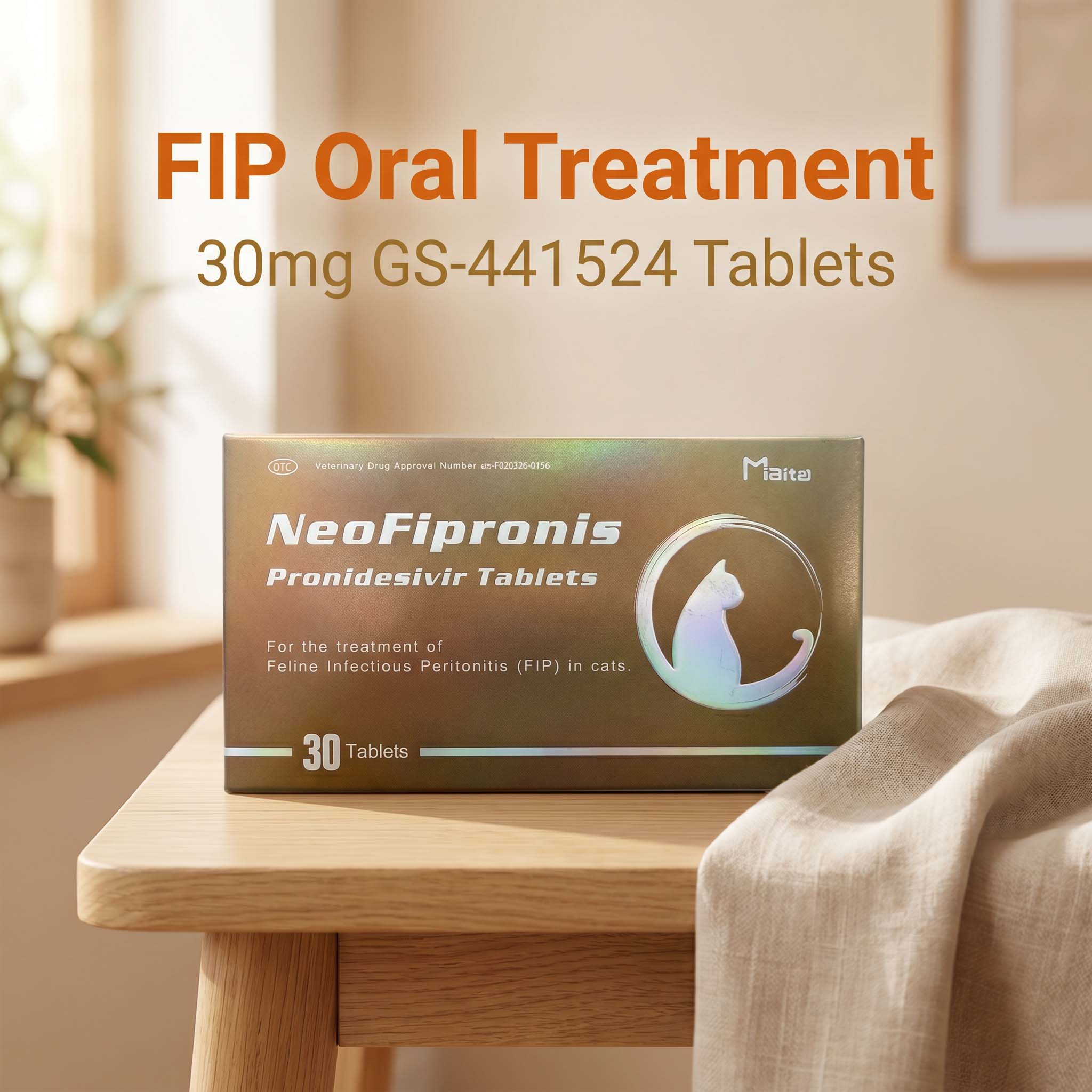
Feline Infectious Peritonitis (FIP) is a deadly viral disease affecting cats, characterized by symptoms such as loss of appetite, lethargy, fever, ascites, pleural effusion, lymphadenopathy, granulomatous inflammation, neurological damage, and uveitis. Recent advances have introduced Pronidesivir (GS-441524) as a highly effective antiviral therapy for FIP. NeoFipronis, the first officially registered oral medication approved by the Lao Ministry of Agriculture and Forestry (MAF) in March 2026, contains GS-441524 and offers a promising treatment option with proven safety and efficacy.
Mechanism and Usage
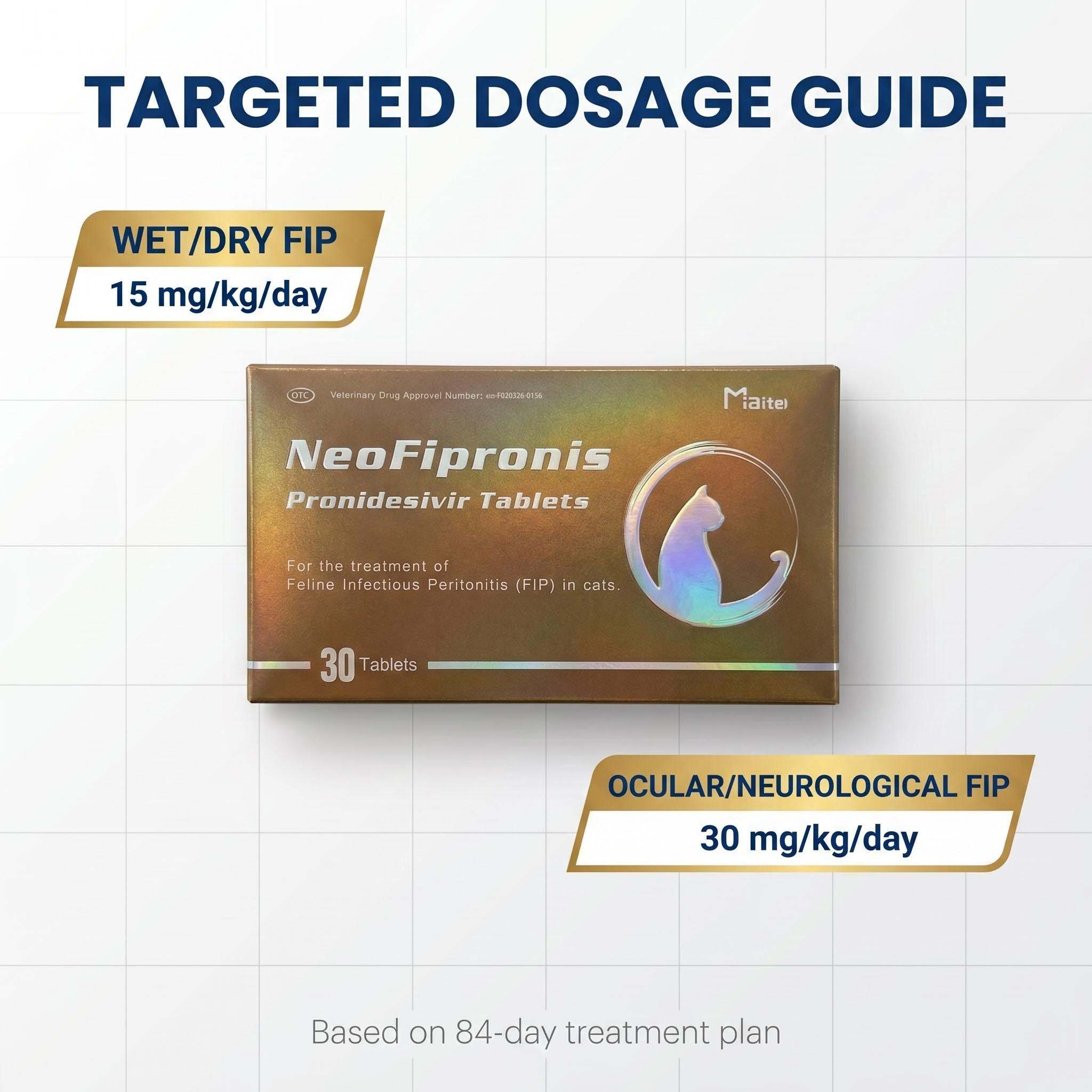
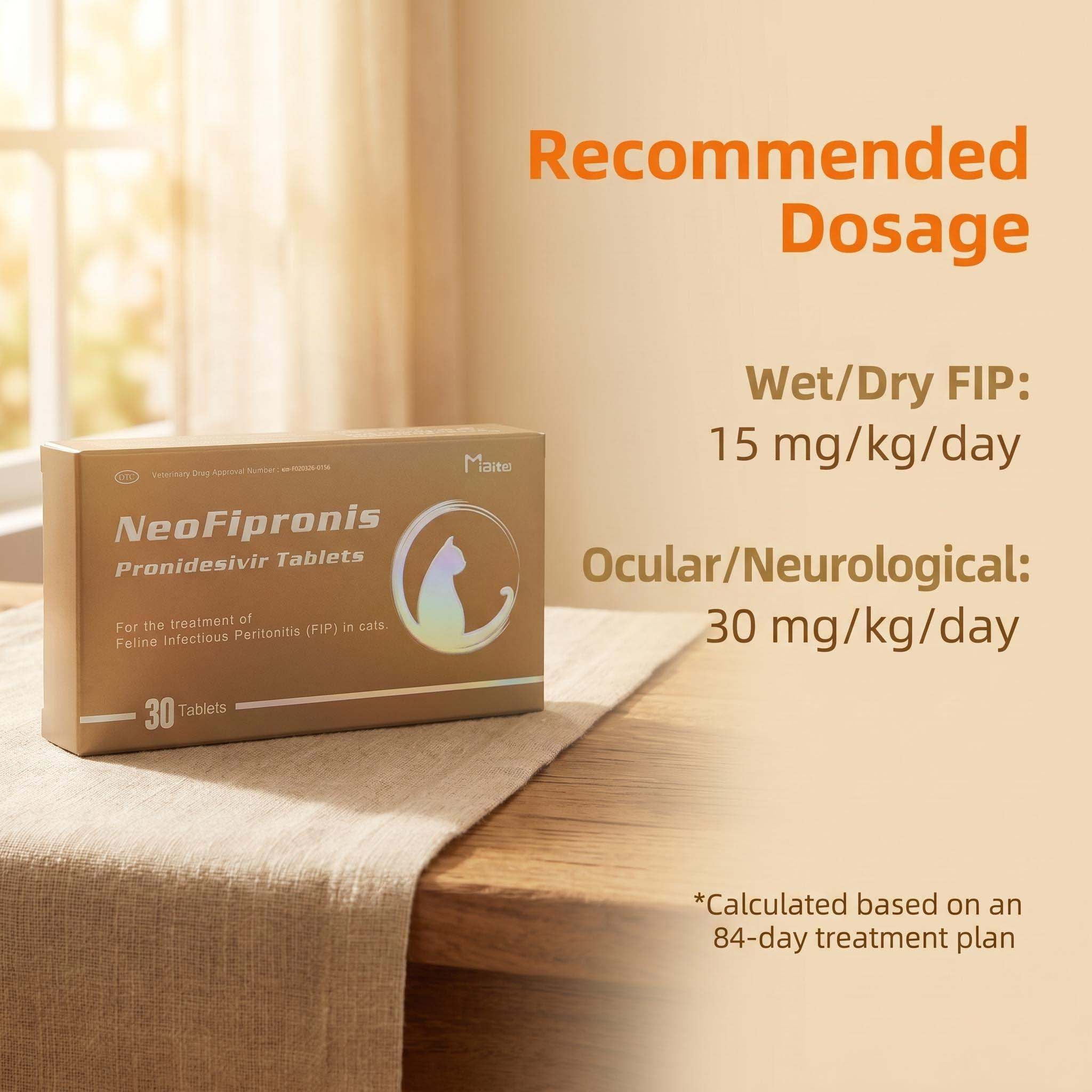
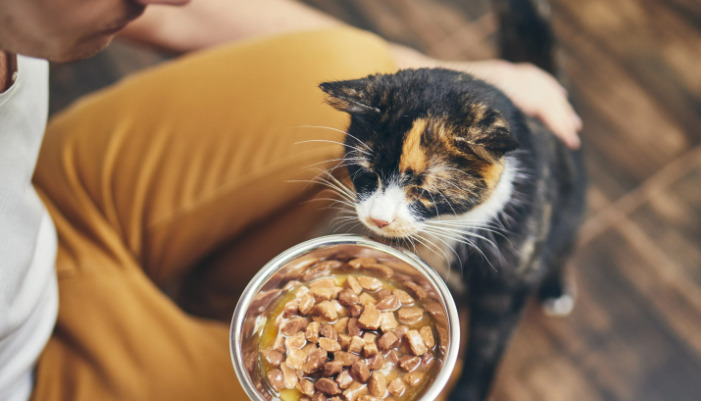
NeoFipronis (Pronidesivir) is a safe, non-invasive, rapidly absorbed drug with minimal side effects. It is administered orally, with dosing based on the cat's weight—generally 15 mg per kilogram daily (half a tablet), with increased doses up to 30 mg/kg for nervous or ophthalmic FIP, as prescribed by a veterinarian. It is recommended to give the medication on an empty stomach—either one hour before feeding or two hours after—to enhance absorption. Treatment duration is typically at least 12 weeks, and adherence to the prescribed regimen is crucial for successful recovery.
Precautions and Monitoring
1. Veterinary Supervision
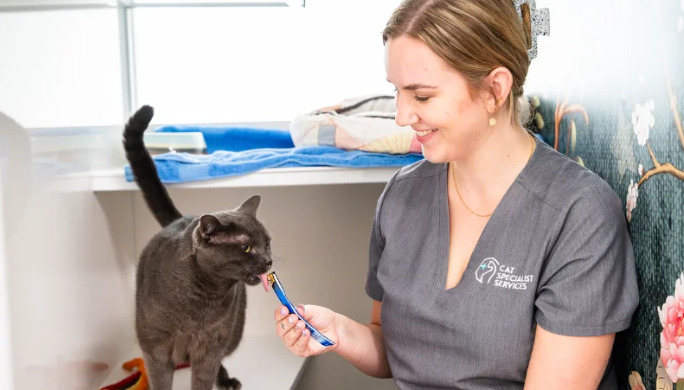
While NeoFipronis is available over-the-counter, professional veterinary guidance is highly recommended. Proper diagnosis ensures the correct dosage, treatment duration, and monitoring, which are essential for effective therapy and minimizing risks.
2. Continuous Treatment
Discontinuing the medication prematurely or missing doses can lead to suboptimal viral suppression, potential resistance, and failure of treatment. Strict adherence to daily dosing without interruption is vital.
3. Monitoring Clinical Signs
Regular observation of the cat’s appetite, body temperature, mental status, and overall activity is important. Any deterioration or adverse reactions should prompt immediate veterinary consultation. Blood tests to monitor liver and kidney function, along with periodic hematology, help detect possible side effects or toxicity early.
4. Side Effects and Safety
Although NeoFipronis (Pronidesivir) is well-tolerated with few side effects, some cats may experience mild gastrointestinal upset, transient changes in liver enzymes, or lethargy. If severe adverse reactions occur, discontinuation and veterinary intervention are necessary.
5. Storage and Purchase
NeoFipronis is a prescription medication despite its over-the-counter availability in some regions. It should be purchased through the official NeoFipronis website or authorized veterinary pharmacies to ensure product authenticity and quality. Proper storage—cool, dry, and away from direct sunlight—is essential to maintain drug efficacy.
6. Not for Human Use
This medication is exclusively for feline use. Human consumption is strictly prohibited, and handling should be done with care, avoiding ingestion or contact with eyes or mouth.
Conclusion
Using Pronidesivir (GS-441524) for FIP requires careful precautions to optimize outcomes and safeguard feline health. Veterinary consultation is essential for accurate diagnosis, dosage determination, and ongoing monitoring. Adherence to prescribed treatment regimens, regular health checks, and proper storage are critical components of safe and effective therapy. NeoFipronis offers an innovative, safe, and highly effective option for FIP treatment, but responsible use remains paramount. Always follow veterinary advice and utilize authorized sources to ensure the best care for affected cats.