The Science Behind NeoFipronis (GS-441524) Treatment
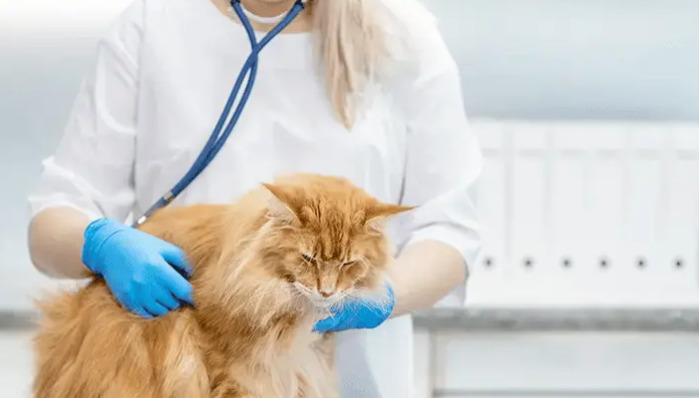
Feline Infectious Peritonitis (FIP) remains one of the most challenging viral diseases affecting cats worldwide. Caused by a mutated form of the feline coronavirus (FCoV), FIP progresses rapidly, leading to severe symptoms like anorexia, lethargy, fever, abdominal and thoracic effusions, lymphadenopathy, granulomatous lesions, neurological damage, and uveitis. Traditional treatments have been limited, but recent advances have introduced effective antiviral therapies, with NeoFipronis (Pronidesivir) containing the active compound GS-441524 showing promising results.
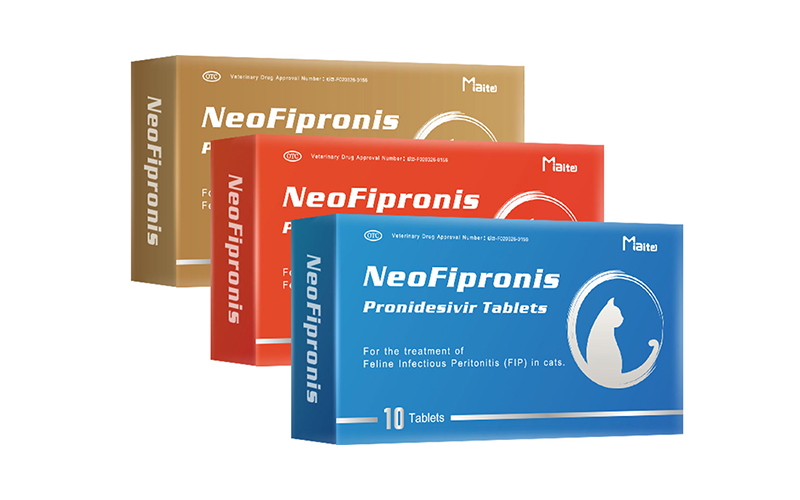
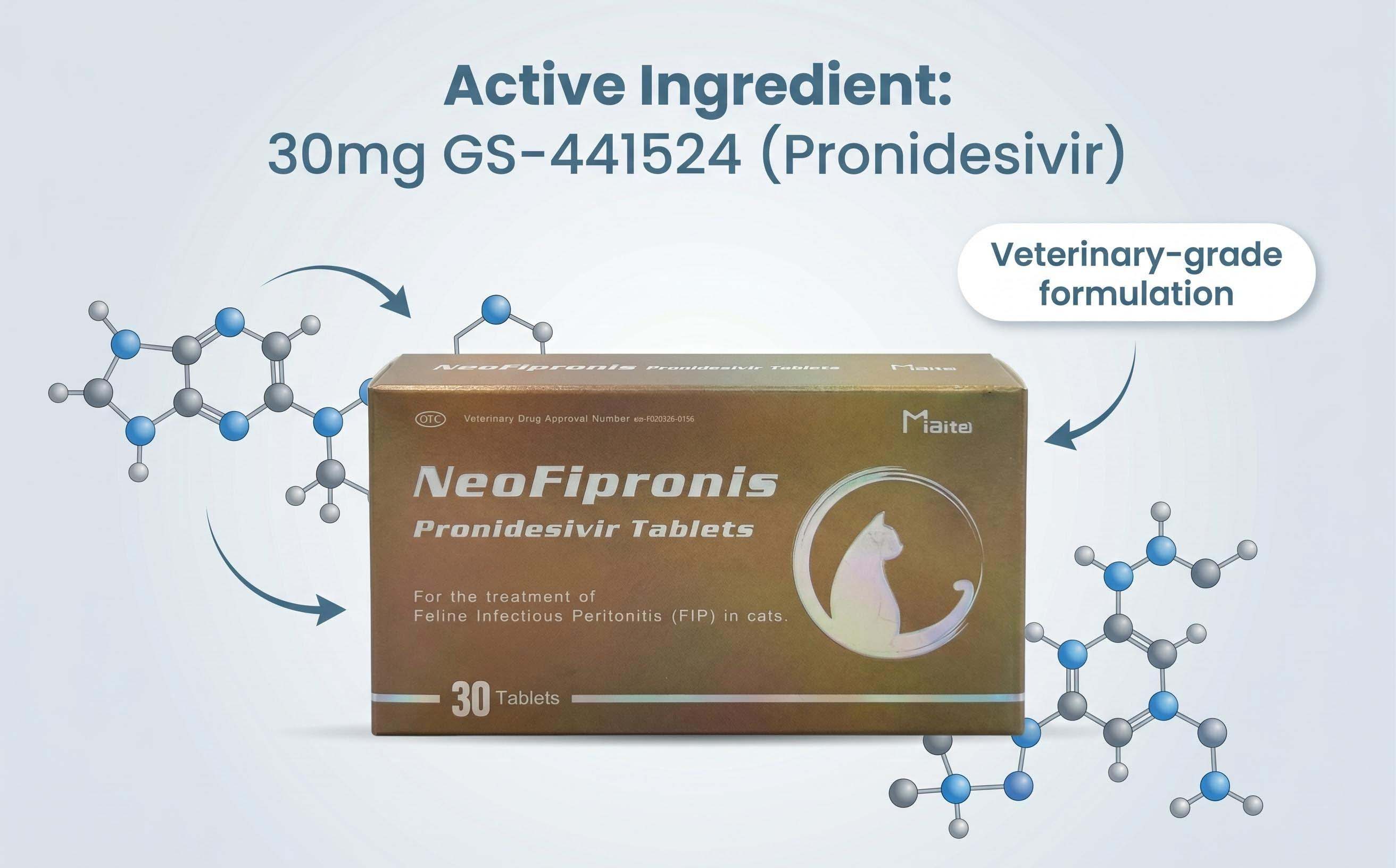
NeoFipronis (Pronidesivir) is the world’s first officially approved oral treatment for FIP, granted formal registration by the Ministry of Agriculture and Forestry (MAF) of Laos in March 2026. This groundbreaking approval marks a significant milestone in feline medicine, providing a safe, non-invasive, and highly effective option for managing FIP. Its approval underscores the importance of rigorous clinical research and validation, emphasizing the drug’s safety profile, rapid absorption, and potent antiviral activity.
GS-441524, the active ingredient in NeoFipronis, is a nucleoside analog that inhibits viral RNA-dependent RNA polymerase—a core enzyme essential for FCoV replication. When administered, GS-441524 mimics natural nucleotides, integrating into the viral RNA chain and causing premature termination of replication. This mechanism effectively halts the proliferation of the virus within host cells, preventing the progression of FIP and its associated systemic symptoms.
Clinical studies and extensive veterinary practice have demonstrated GS-441524’s potent efficacy against diverse FIP manifestations, including effusive, neurological, and ocular forms. The compound’s high bioavailability and rapid absorption make it ideal for oral administration, ensuring consistent therapeutic levels with once-daily dosing. Its minimal side effects and good tolerance profile further enhance its reliability as a treatment option for FIP-affected cats.
Treatment protocols recommend dosing based on the cat’s weight, with an initial dosage of 15 mg per kilogram (half a tablet) once daily. For cats showing neurological or ocular signs, a higher dose of up to 30 mg/kg may be prescribed, subject to veterinary guidance. Administering NeoFipronis on an empty stomach—either an hour before meals or two hours after—can optimize absorption.
A crucial aspect of therapy involves continuous treatment for no less than 12 weeks, with strict adherence to the dosage schedule to prevent viral rebound or resistance. Regular monitoring of the cat’s appetite, temperature, activity levels, and blood parameters—including liver and kidney functions—is vital throughout treatment. Such vigilance ensures early detection of potential adverse reactions and promotes optimal recovery.
While NeoFipronis is classified as an over-the-counter medication, veterinary supervision remains highly recommended to tailor treatment plans appropriately and ensure safe usage. It is essential for cat owners to purchase NeoFipronis exclusively from official sources, such as the manufacturer’s website, to guarantee product authenticity and quality.
Safety considerations highlight that NeoFipronis is intended solely for feline use and should never be administered to humans. Its non-invasive nature, combined with a favorable safety profile and minimal side effects, positions NeoFipronis as a leading antiviral therapy revolutionizing FIP management.
In summary, NeoFipronis (Pronidesivir) embodies the latest scientific advances in antiviral therapy against FIP. Its active ingredient, GS-441524, effectively disrupts FCoV replication, leading to improved clinical outcomes. With its official approval and robust clinical backing, NeoFipronis offers hope for countless cats suffering from this devastating disease, transforming FIP from a fatal diagnosis to a manageable condition.