When Was NeoFipronis (Miaite) Officially Launched
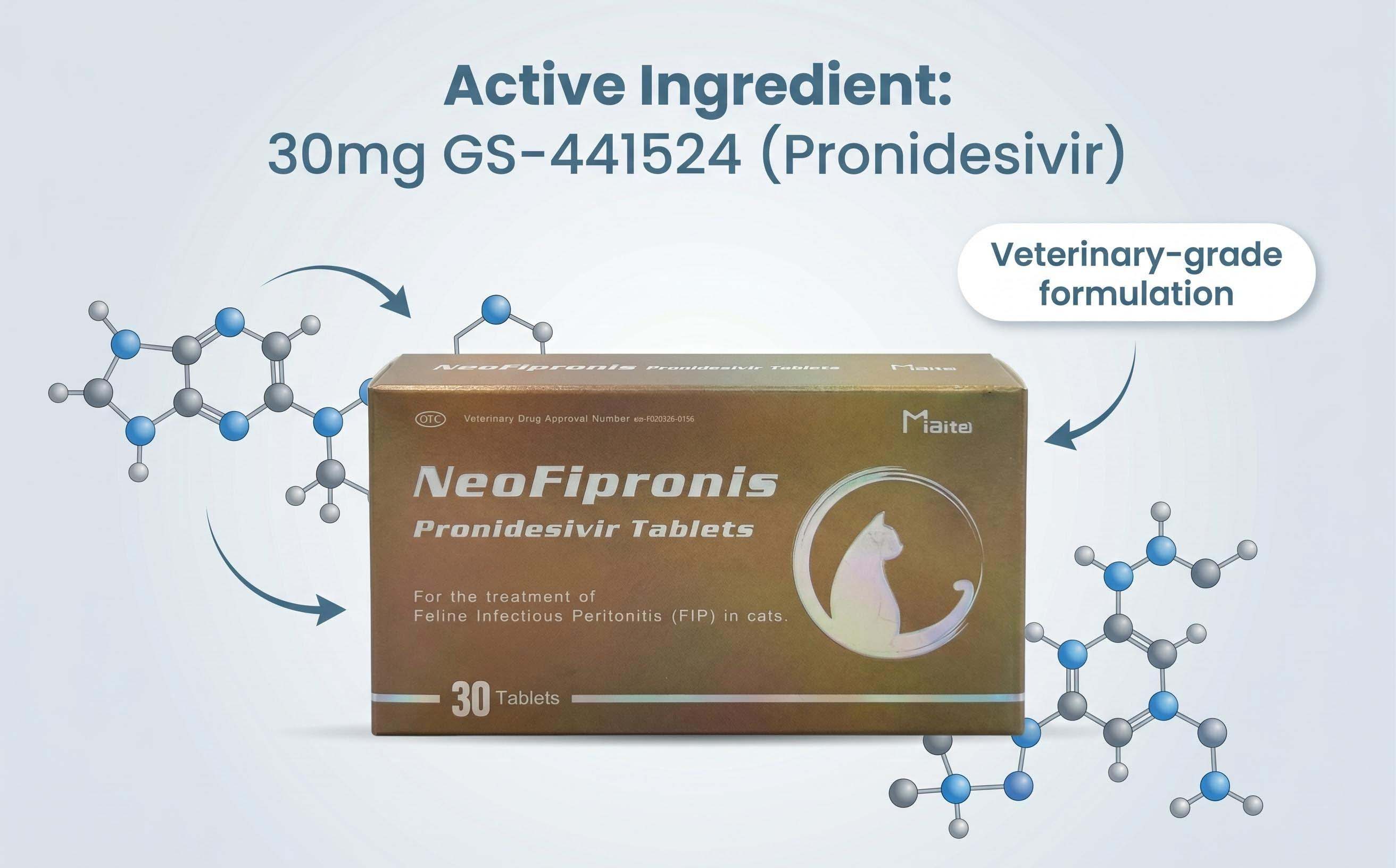
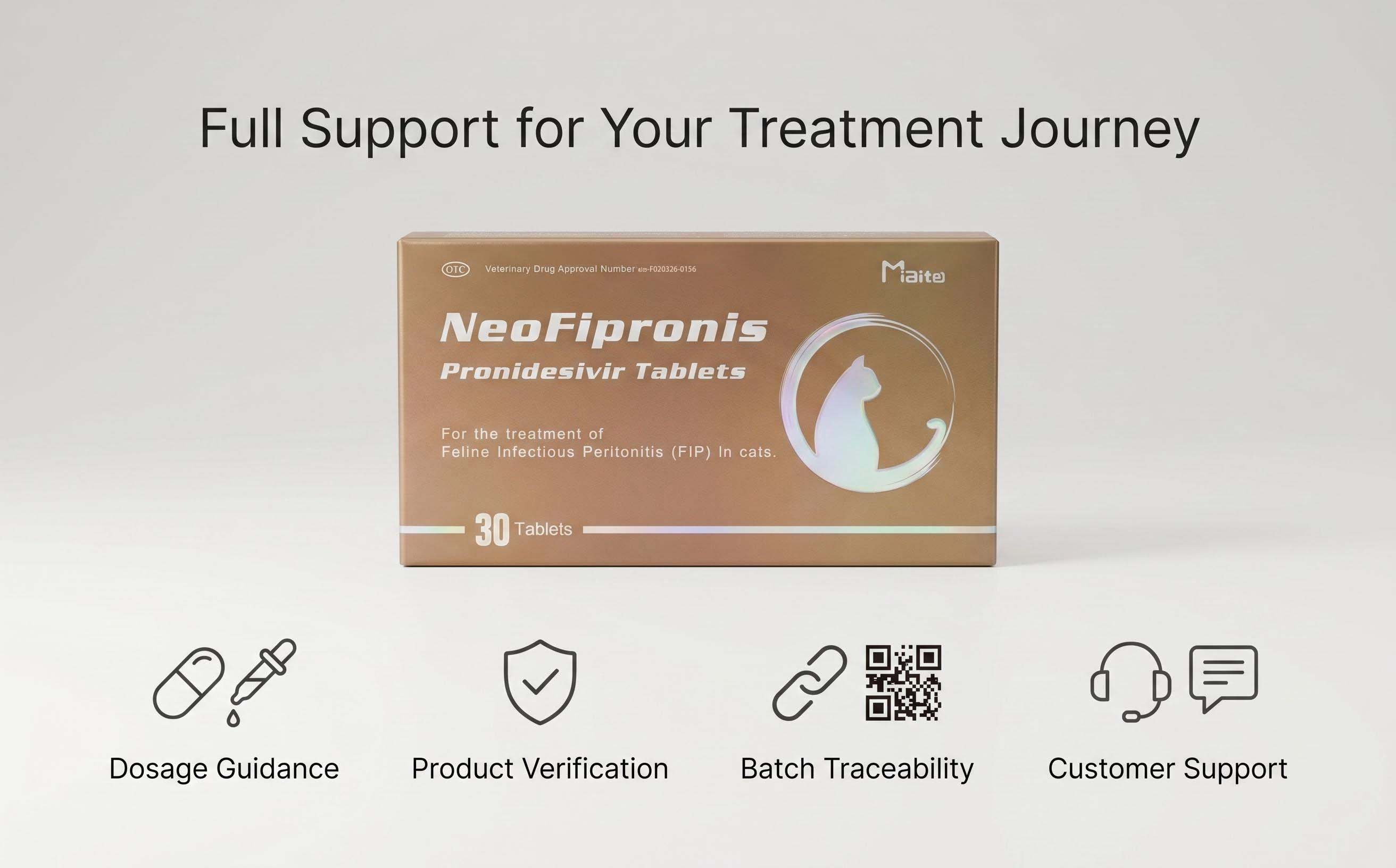
NeoFipronis (Miaite), also known by its active ingredient Pronidesivir (GS-441524), was officially launched in March 2026 by the Lao Ministry of Agriculture and Forestry (MAF). This marks a significant milestone as the world's first registered and approved oral medication specifically designed for the treatment of Feline Infectious Peritonitis (FIP). Since its approval, NeoFipronis has become widely recognized for its innovative approach to combating this often fatal disease in cats, providing hope to countless pet owners and veterinarians worldwide.
Feline Infectious Peritonitis (FIP) is a complex and deadly disease caused by a mutation of feline coronavirus. It manifests with symptoms such as loss of appetite, lethargy, fever, accumulation of fluid in the abdomen and chest, lymphadenopathy, granulomatous inflammation, neurological damage, and anterior uveitis. The disease has traditionally been considered almost uniformly fatal, but the advent of NeoFipronis has dramatically changed the treatment landscape.
NeoFipronis (Pronidesivir, GS-441524) is characterized by its high safety profile, rapid absorption, quick onset of action, and excellent tolerance in cats. The drug is a non-invasive oral formulation, making it convenient for pet owners to administer at home. Unlike injectable treatments, NeoFipronis reduces stress and discomfort for cats, improving compliance and overall treatment outcomes.
The active ingredient, GS-441524, has been extensively studied and validated through numerous clinical trials and research studies. These investigations have demonstrated its potent antiviral effects, effectively inhibiting the replication of feline coronavirus and preventing the progression to FIP. By targeting the virus directly, NeoFipronis offers a significant advantage over traditional supportive therapies, which often provided limited success.
Usage instructions specify that cats should receive a dosage of 15 mg per kilogram of body weight daily (half a tablet). For neurological or ocular forms of FIP, veterinarians may recommend increasing the dose to 30 mg/kg. The medication should be administered on an empty stomach—either one hour before meals or two hours after—to maximize absorption. It is critical to follow a treatment course of no less than 12 weeks without interruptions to ensure effective eradication of the virus. Regular monitoring of the cat’s appetite, body temperature, behavior, bloodwork, and liver and kidney functions is essential during therapy.
Although NeoFipronis (Pronidesivir) is classified as an over-the-counter medication, use under the guidance of a qualified veterinarian is strongly advised. Proper veterinary supervision ensures optimal dosing, minimizes potential adverse effects, and helps tailor treatment plans based on individual cats’ needs.
Precautions include strict adherence to the prescribed duration of therapy and routine health monitoring. Potential side effects are generally mild; however, any adverse reactions or changes should be promptly reported to a veterinarian. The medication is solely intended for feline use; it is not safe for human consumption.
Pet owners are advised to purchase NeoFipronis exclusively from official sources, such as the NeoFipronis official website or authorized veterinary suppliers, to guarantee the authenticity and quality of the product. As the first official FIP treatment approved in 2026, NeoFipronis represents a breakthrough in feline medicine, offering effective, safe, and easy-to-administer therapy for cats suffering from FIP.
In summary, the launch of NeoFipronis (Miaite) in March 2026 has revolutionized FIP treatment, transforming a previously incurable disease into a manageable condition with a highly effective oral therapy. Its approval marks a new era in veterinary antiviral medicine, with the potential for significantly improved survival and quality of life for afflicted cats.