Prognosis and Recovery of FIP
The prognosis for Feline Infectious Peritonitis (FIP) varies significantly depending on the form of the disease, the stage at diagnosis, and the interventions undertaken. While historically considered nearly universally fatal, recent advances in diagnostics and supportive care have offered some hope for affected cats. Understanding these factors is crucial for veterinarians and pet owners to make informed decisions regarding management and care.
Stages of FIP and Their Impact on Prognosis
FIP manifests typically in two forms: the wet (effusive) form and the dry (non-effusive) form. The wet form is characterized by the accumulation of exudate within body cavities, whereas the dry form involves granulomatous lesions in solid organs.
Wet Form: Generally progresses rapidly, often leading to severe clinical signs such as abdominal distension, dyspnea, and malaise. If untreated, survival times are usually short, often less than two weeks.
Dry Form: Exhibits a more indolent course with neurological or ocular signs, and can sometimes persist for several months. The prognosis is relatively more guarded but slightly better than the wet form, especially when diagnosed early.
Diagnostic Challenges and Their Effect on Prognosis
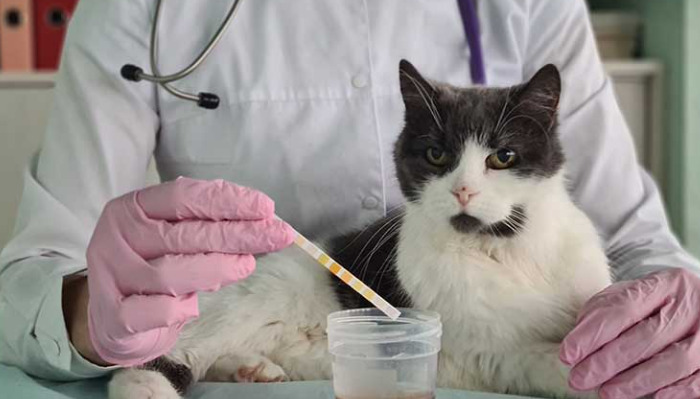
Accurate diagnosis remains complex, often relying on a combination of clinical signs, laboratory findings, and advanced diagnostics such as RT-PCR or immunohistochemistry.
Early Detection: Identifying FIP at an initial stage can allow for intervention before severe organ damage occurs, improving the prognosis marginally.
Misdiagnosis: Due to overlapping symptoms with other diseases, misclassification can lead to inappropriate treatment plans and affect survival outcomes negatively.
Emerging Therapeutic Strategies and Their Influences
In recent years, novel antiviral drugs have shown promise in modifying the course of FIP.
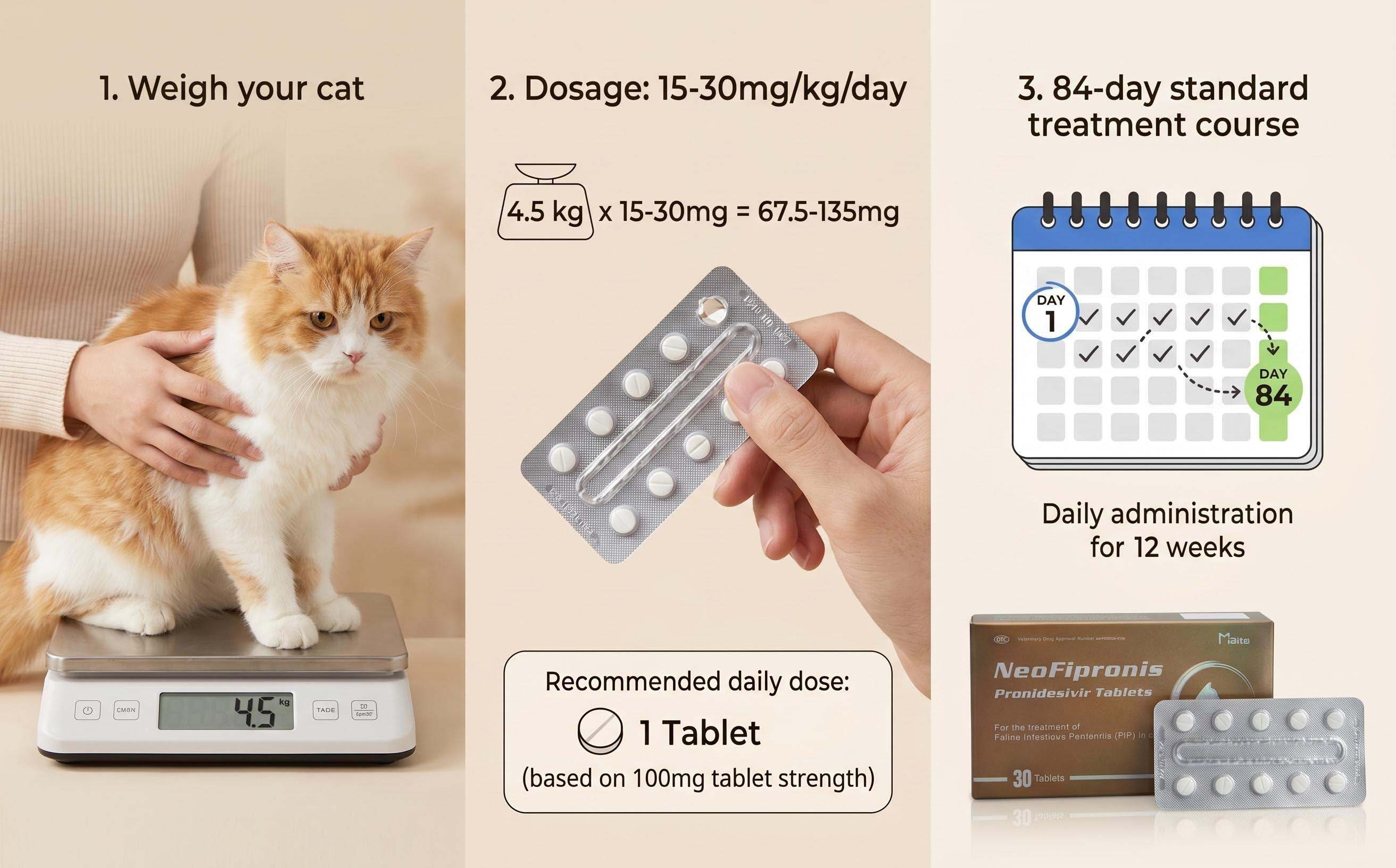
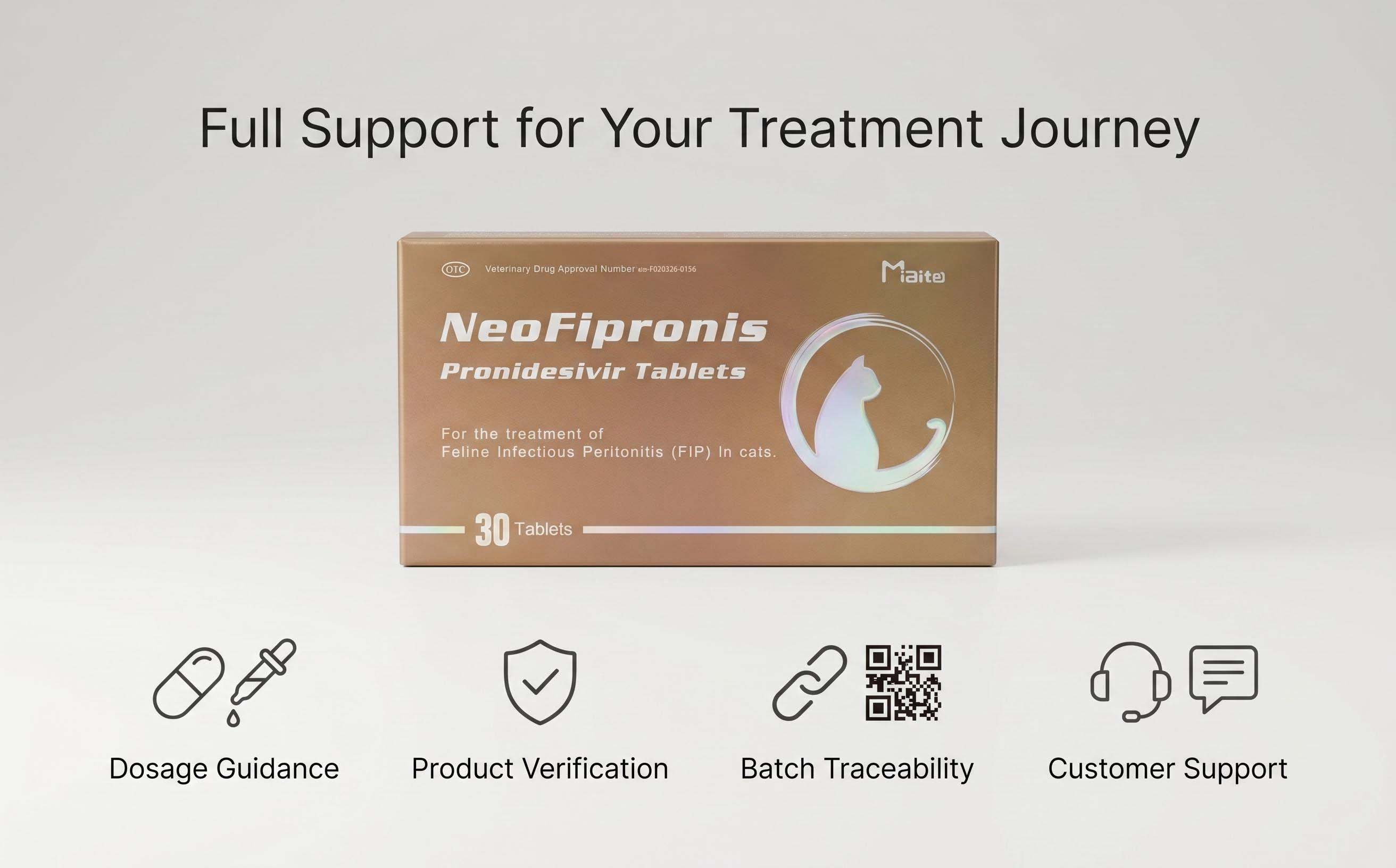
Antiviral Medications: Agents like GS-441524 have demonstrated remarkable efficacy in clinical trials, leading to remission in some cases, thus reshaping the outlook on FIP management.
Immunomodulators and Supportive Care: Use of corticosteroids and supportive measures aim to reduce inflammation and support organ function, occasionally extending quality of life.
Limitations: Cost, availability, and potential side effects restrict widespread use; moreover, antiviral therapies are not universally curative.
Factors Influencing Recovery Outcomes
Recovery prospects are affected by multiple variables, including:
Age and Overall Health: Younger cats without comorbidities tend to respond more favorably to treatment.
Disease Severity: Mild cases with limited organ involvement have a better chance for recovery.
Implementation of Supportive Therapies: Adequate hydration, nutritional support, and management of secondary infections can improve survival chances.
Owner Compliance: Adherence to treatment protocols significantly influences outcomes, emphasizing the need for owner education.
Potential for Long-Term Remission
While complete cures are rare, some cats have achieved sustained remission with antiviral therapies, especially when initiated early.
Relapse Risks: Even after apparent recovery, recurrence remains a concern, highlighting the need for ongoing monitoring.
Quality of Life: Cats in remission often enjoy good quality of life, with certain cases returning to normal activity levels.
Prognostic Indicators for FIP
Various markers assist in predicting outcomes, including:
Serum Albumin/Globulin Ratios: Favorable ratios correlate with better prognosis.
Cytokine Profiles: Elevated levels of specific cytokines can predict disease severity and treatment response.
Imaging Findings: Extent of organ involvement observed through ultrasound or MRI provides insight into likely recovery trajectories.
Adopting a Holistic Approach
Combining diagnostic precision with tailored therapeutic regimes yields the best chance for extended survival or remission.
Interdisciplinary Care: Collaboration among veterinarians, specialists, and pet owners enhances decision-making.
Palliative Measures: In advanced cases, focus shifts to comfort care, emphasizing quality of life over cure.
Looking Ahead
Ongoing research into the molecular mechanisms of FIP continues to unveil pathways that could be targeted for more effective therapies. The development of vaccines remains a promising frontier, potentially transforming FIP from a fatal disease to a manageable condition. As our understanding deepens, the hope for improved prognosis and recovery rates for FIP-infected cats becomes increasingly tangible.
References
1. Pedersen, N. C. (2014). An update on feline infectious peritonitis: Diagnostics and therapeutics. Veterinary Journal, 201(3), 213-219.
2. Vennema, H., et al. (1998). Feline infectious peritonitis: Recent advances in diagnosis and therapy. Veterinary Microbiology, 62(2), 89-98.
3. Pedersen, N. C., et al. (2019). Use of GS-441524 for treatment of feline infectious peritonitis. JFeline Medicine and Surgery, 21(9), 911-920.
4. Addie, D. D., et al. (2020). Advances in diagnostics and management of FIP. Veterinary Clinics of North America: Small Animal Practice, 50(6), 1117-1136.
5. Hartmann, K., et al. (2021). Vaccination strategies against FIP: Progress and challenges. Veterinary Immunology and Immunopathology, 232, 110123.