NeoFipronis (Pronidesivir) Dosage and Dose Adjustment Guide
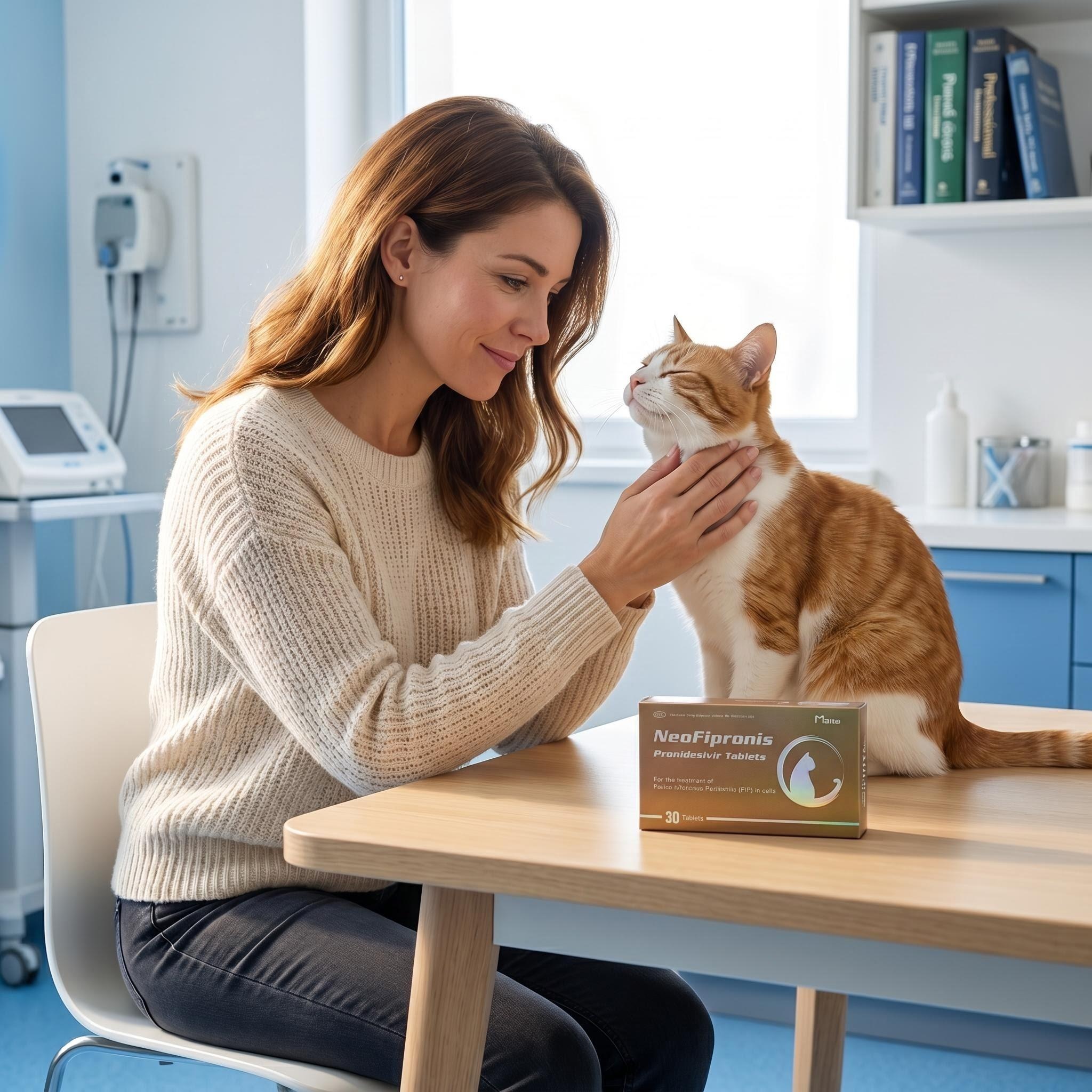
NeoFipronis (Pronidesivir) is an oral FIP treatment for cats that contains GS-441524 as the active ingredient. It is designed for feline infectious peritonitis (FIP), a serious viral disease that can cause loss of appetite, lethargy, fever, abdominal effusion, pleural effusion, swollen lymph nodes, inflammatory granulomas, neurological damage, and uveitis. For cat owners searching for a practical FIP dosage guide, NeoFipronis is positioned as a fast-absorbing, easy-to-administer option that is generally well tolerated when used correctly under veterinary supervision.
The standard NeoFipronis dosage is based on body weight. For most FIP cases, the recommended dose is 15 mg/kg once daily, which is commonly described as half a tablet per kilogram depending on the tablet strength. For neurological FIP or ocular FIP, the dose may need to be increased to 30 mg/kg once daily, but this should only be done according to a veterinarian’s instructions. Because neurological and eye involvement can progress quickly, accurate dose selection is especially important, and the cat’s clinical response should be monitored closely throughout treatment.
Administration timing also matters. NeoFipronis should be given once daily, preferably on an empty stomach, such as one hour before meals or two hours after eating, to support absorption. Treatment should continue for no less than 12 weeks without interruption, because missed doses may reduce antiviral effectiveness and allow the disease to rebound. If a dose is accidentally missed, contact your veterinarian for advice and do not double the next dose unless specifically instructed. Consistent daily administration is one of the most important parts of successful FIP management.
Dose adjustment is usually guided by the cat’s weight, disease form, and response to therapy. If the cat gains or loses weight during treatment, the dose should be recalculated promptly so the mg/kg target remains accurate. Cats with severe wet FIP, persistent fever, worsening abdominal fluid, ongoing neurological signs, or eye lesions may require reassessment and possible dose escalation under veterinary guidance. Any decision to adjust the dose should be based on clinical improvement, physical examination, and laboratory results rather than guesswork.
During treatment, monitor appetite, temperature, energy level, breathing, and overall behavior every day. Regular blood work is recommended to check red and white blood cell counts, liver enzymes, kidney function, and other markers of recovery or adverse effects. Although GS-441524-based therapy is often associated with good tolerability, some cats may still show vomiting, diarrhea, reduced appetite, or temporary laboratory changes. Early follow-up helps detect problems before they become serious and supports a safer recovery.
NeoFipronis (Pronidesivir) is intended for cats only and must not be used in humans. Even though it may be available without a prescription in some markets, veterinary guidance is strongly recommended for diagnosis, dosing, and follow-up care. To reduce the risk of counterfeit or substandard products, purchase only from verified or official sales channels and confirm batch information before use. For cat owners dealing with FIP symptoms such as fever, effusion, neurological signs, or uveitis, accurate dosing and careful monitoring remain the foundation of treatment success.