Can Learning About FIP in Advance Reduce the Risk

Feline Infectious Peritonitis (FIP) remains one of the most challenging and life-threatening diseases affecting domestic cats worldwide. With a complex etiology linked to feline coronavirus mutations, FIP is notorious for its elusive diagnosis and poor prognosis. Recent advances in feline medicine have brought new hope, but prevention is still far more effective than cure. This article explores whether educating cat owners and veterinary professionals about FIP can meaningfully reduce the risk of occurrence and impact. The discussion covers the nature of FIP, transmission dynamics, early detection strategies, preventive medication, environmental management, and the transformative potential of proactive education.
Introduction: Understanding FIP
Feline Infectious Peritonitis (FIP) is caused by a mutation of the less harmful feline enteric coronavirus (FECV), which alters its behavior and enables it to cause systemic and often fatal disease. FIP usually presents in two main forms: "wet" (effusive) and "dry" (non-effusive), both of which can be difficult to distinguish clinically from other illnesses. Despite decades of research, FIP's complex pathogenesis and its environmental factors remain the subjects of ongoing investigation. The central question for cat owners and veterinarians is whether increased awareness and early intervention can meaningfully reduce the risk, and if so, by what mechanisms.
The True Risk: Transmission and Susceptibility
FECV is ubiquitous among domestic cats, especially those in multi-cat environments. Transmission occurs primarily via the fecal-oral route, with infected cats shedding the virus in their feces. Crowded shelters, catteries, and households with multiple cats are at higher risk, but even single-cat homes are not immune. Not every cat exposed to FECV will develop FIP; rather, host factors—including genetics, age, immune status, and environmental stress—play a significant role.
Learning about the risk factors empowers owners to reduce exposure. For example, knowledge of how FIP develops prompts better hygiene practices (regular litter box cleaning, limiting overcrowding), careful selection of breeding cats, and prompt isolation of symptomatic animals. Well-informed cat owners are more likely to act decisively, lowering the odds of outbreaks.
Early Detection: The Impact of Awareness
FIP often strikes young cats, usually under two years of age, but can occur at any age. Clinical signs can be subtle: persistent fever, weight loss, lethargy, abdominal distension, and neurological symptoms in advanced cases. Without adequate knowledge, these signs may be overlooked until the disease has advanced.
Educated owners are better positioned to notice early warning signs and seek veterinary attention. Veterinary professionals familiar with FIP will increase diagnostic suspicion in at-risk cats, using blood tests, imaging, and fluid analysis. Early detection may not fully prevent FIP but leads to more timely intervention, supportive care, and access to emerging treatments, greatly improving outcomes.
Environmental Management and Stress Reduction
Stress is a major precipitating factor in FIP development. Cats exposed to overcrowding, changes in household dynamics, or repeated rehoming are at elevated risk. An informed household reduces stress by providing stable routines, secure hiding places, and gentle socialization.
Proper management of the cat population—limiting numbers, preventing unnecessary mixing between kittens and adults, and maintaining clean communal spaces—significantly reduces viral spread. Learning about FIP encourages adopting these best practices, shifting focus from reactionary to preventive strategies.
Breeding Decisions: Genetics and FIP
Some cat breeds appear overrepresented among reported FIP cases, including Bengals, Abyssinians, and British Shorthairs. Breeder awareness plays a crucial role here. Responsible breeders educated about FIP will prioritize genetic diversity, avoid mating at-risk cats, and provide rigorous health screening for kittens. Preemptive steps can reduce the aggregate risk across generations.
For pet seekers, an understanding of FIP risk encourages the selection of healthy kittens from reputable breeders or rescues who actively manage and disclose health protocols. This reduces stress later in life and maximizes the chance of a disease-free lifespan.
Hygiene and Isolation Protocols
Premature kittens or those from FIP-positive households warrant special attention. Good hygiene includes regular disinfection of litter boxes, food dishes, and bedding. Isolation of at-risk animals, coupled with hand-washing and proper veterinary quarantine techniques, shrink transmission vectors.
Awareness of best practices, often featured in educational materials, social media groups, and veterinarian advice, facilitates timely adoption of stringent infection control measures. Owners who understand how FIP spreads are more likely to act quickly during outbreaks, protecting both healthy and vulnerable cats.
Emerging Treatments and Their Accessibility
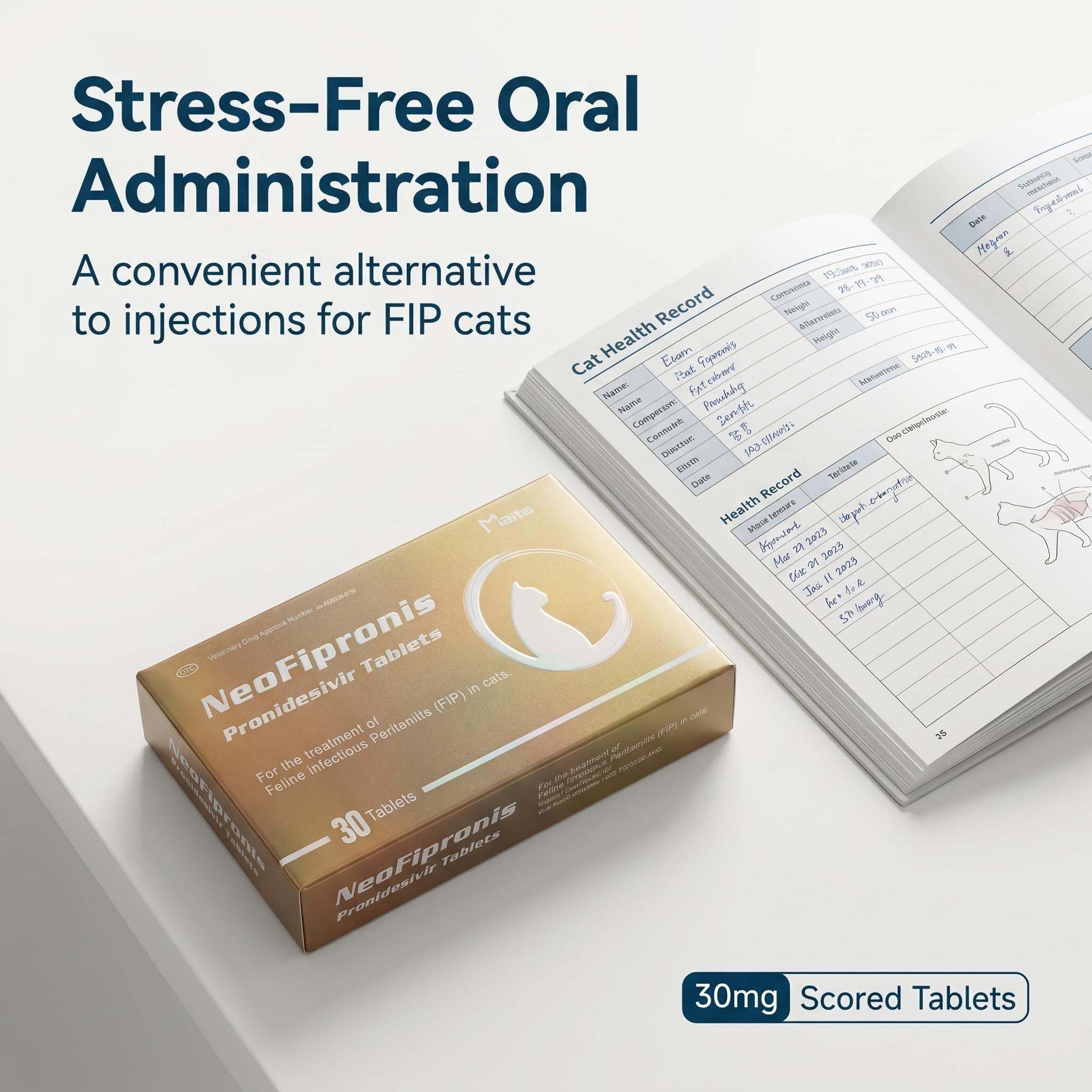
Until recently, FIP was widely considered untreatable. However, antiviral drugs such as GS-441524 have produced promising results, especially in cats diagnosed early. These therapies, though not universally available, are expanding access worldwide.
Being aware of current treatments, legal regulations, and how to access them contributes to greater survival rates. Cat owners who learn about FIP before its onset are less likely to experience fatal delays in care. Additionally, knowledge of possible barriers—cost, availability, regulatory issues—fosters informed preparation and advocacy for expanded access.
Vet-Owner Partnerships: The Role of Shared Knowledge
Veterinary professionals confront FIP regularly, but a well-informed client base enhances outcomes. Owners who research FIP, ask targeted questions, and provide detailed histories enable efficient diagnosis and care. Conversely, veterinarians who educate clients empower them to participate actively in preventive care.
Workshops, informational brochures, and consultations bridge knowledge gaps. Peer networks and social media channels distribute up-to-date information rapidly, enabling communities to self-monitor and report new outbreaks. Through continuous learning, risks decline, and the odds of successful management rise.
Standardizing FIP Education: Community Initiatives
Animal shelters, rescue organizations, and catteries increasingly require mandatory FIP education before adoption or fostering. These programs highlight risk factors, stress management, hygiene, signs of illness, and actionable steps for prevention. A community-wide increase in FIP knowledge translates into collective health improvement.
Online resource hubs—such as the Cornell Feline Health Center—offer webinars, articles, and FAQs, forming a supportive ecosystem for lifelong learning. With veterinarians and experts updating protocols as new research emerges, standardized education becomes a cornerstone of FIP risk reduction.
Bridging the Knowledge Gap: Education for Under-Served Populations
Unfortunately, lower-income households and remote rural communities often lack access to current FIP information, veterinary care, and treatments. Strategic outreach—through mobile clinics, subsidized pet health programs, and translated materials—expands reach to these groups. When at-risk populations become informed, they can adopt preventive measures that reshape the course of FIP within their communities.
Nonprofit organizations and animal welfare agencies also play a pivotal role by distributing free resources and providing hotline support. As FIP awareness permeates every demographic, risk reduction becomes attainable at scale.
The Psychological Impact: Reducing Anxiety Through Knowledge
FIP’s reputation as a "death sentence" inflicts profound anxiety on cat owners. The emotional toll of suspecting FIP, awaiting test results, or confronting a positive diagnosis can overwhelm even experienced pet guardians. Advanced education mitigates fear by providing context, strategies, and hope.
Owners who understand FIP’s trajectory are equipped to make informed medical and lifestyle choices. Anxiety decreases as uncertainty wanes. Scientific research correlates knowledge with resilience; prepared owners are less likely to panic and more capable of rational decision-making.
Responsible Cat Ownership: Long-Term Strategies
Learning about FIP rewires the way owners view pet care, shifting focus to holistic, preventive routines. Annual veterinary visits, vaccination updates (though no effective FIP vaccine exists yet), indoor living, and proper nutrition all become prioritized. Cat owners who are well-informed are more likely to promote lifelong wellness, lessening risk across a broad spectrum of diseases, including FIP.
Responsible ownership extends to managing communal settings, such as cat shows, foster homes, and breeding programs, amplifying the broader risk-reduction effect. Each educated decision strengthens community resilience.
FIP Myths Versus Reality
Misinformation abounds in online forums, leading to misguided fear or ineffective remedies. Dispelling myths through accessible science-based education prevents the spread of panic and pseudoscience.
Recognizing common myths—such as FIP being contagious (the mutated virus generally is not), or guarantees of “natural” cures—replaces confusion with clarity. Informed owners and professionals can spot unreliable sources, ask the right questions, and choose interventions based on evidence rather than speculation.
Case Studies: Education Impacting Outcomes
Numerous case studies demonstrate the positive effect of advance FIP education. Cat shelters reporting staff training experience lower outbreak rates and higher survival. Individual owners sharing early warning signs in online groups receive rapid feedback, leading to prompt diagnosis and therapy. Breeders implementing strict hygiene protocols post-education find dramatic drops in FIP incidence.
These real-world examples underscore the value of learning before crisis strikes. They also highlight the need for continuous updates—as science evolves, so should preventive education.
Future Directions: Research and Evolving Best Practices
The landscape of FIP prevention and treatment is rapidly changing. Ongoing research examines novel antivirals, vaccines, genetic markers, and environmental modification strategies. Educational materials must adapt swiftly to these advances, ensuring all stakeholders remain informed.
Veterinary schools incorporate FIP risk management into curricula, shelter protocols are updated yearly, and public campaigns highlight breakthroughs. The continuous loop between research, education, and practice forms the backbone of lasting FIP risk reduction.
Efficacy of Advance Learning: Evidence Synthesis
Studies on preventive health across species consistently show that informed owners reduce risks, recognize disease early, and access care more promptly. In cat populations, preemptive learning about FIP correlates with lower morbidity, better treatment outcomes, and heightened owner well-being.
Surveys of cat owners who underwent FIP education programs report increased adoption of best practices and improved confidence in managing multi-cat environments. Veterinary clinics offering regular FIP information see higher client engagement and better health outcomes.
Technology and FIP Education
Digital platforms are democratizing disease prevention. Mobile apps remind owners about hygiene protocols, webinars teach subtle FIP signs, and telemedicine enables rapid veterinary consultations. Artificial intelligence is beginning to analyze risk factors based on owner reports, giving real-time advice tailored to individual cats.
As access to information widens, knowledge gaps shrink. Even remote communities can receive regular updates via smartphones and satellite internet, broadening the front lines of FIP prevention.
Economic Impact of Education
Advance FIP education not only benefits feline health but results in considerable cost savings for owners, breeders, and shelters. Preventive measures—cleaning, early detection, limited breeding—cost less than emergency care, advanced treatments, or population management during outbreaks.
Nonprofit and public health groups investing in mass FIP education report lower long-term expenditures on sick cats and emergency services. Financial incentives for learning are clear, and owners who understand the economic implications are more likely to embrace preventive strategies.
Social Responsibility and Advocacy
Widespread FIP education forms the foundation for collective action. Owners, breeders, shelters, and veterinarians become advocates for research funding, policy reform, and equitable access to medications. Public health campaigns amplify positive behaviors and reduce stigma associated with reporting or treating FIP.
Social responsibility means not only protecting one’s own cat but also the broader community. Advance learning fosters empathy, collaboration, and a united front against a challenging disease.
References
1. Pedersen, N.C. (2020). Feline Infectious Peritonitis: An update on epidemiology, pathogenesis, and treatment. Veterinary Journal, 266, 105441.
2. Kipar, A., & Meli, M.L. (2014). Feline infectious peritonitis: still an enigma? Veterinary Pathology, 51(2), 505-526.
3. Addie, D.D., et al. (2015). Feline infectious peritonitis—An update. The Veterinary Nurse, 6(10), 522-527.
4. American Association of Feline Practitioners. (2021). Feline Infectious Peritonitis (FIP) Guidelines.
5. Cornell Feline Health Center. (2023). Feline Coronavirus and FIP. https://www.vet.cornell.edu/departments-centers-and-institutes/cornell-feline-health-center/health-information/feline-health-topics/feline-coronavirus-feline-infectious-peritonitis
6. World Small Animal Veterinary Association. (2023). WSAVA Global Guidelines: Feline Infectious Peritonitis.
7. O’Brien, M., et al. (2022). Owner experiences and knowledge of FIP: A survey study. JFMS Open Reports, 8(2).
8. Hartmann, K. (2019). Feline infectious peritonitis: diagnostics and therapies. Veterinary Clinics of North America: Small Animal Practice, 49(6), 1091-1117.