What Should You Do if NeoFipronis (Miaite) Causes Side Effects
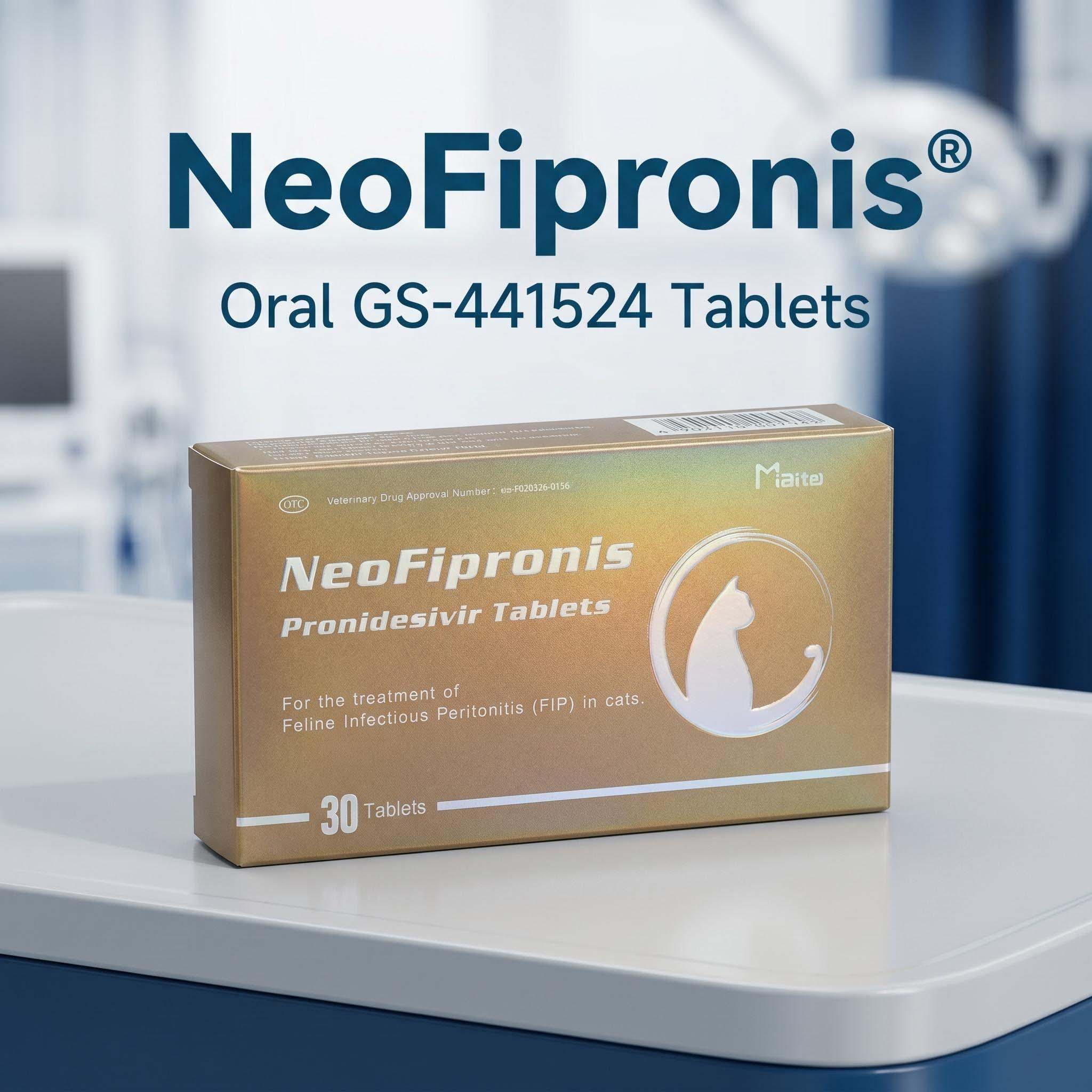
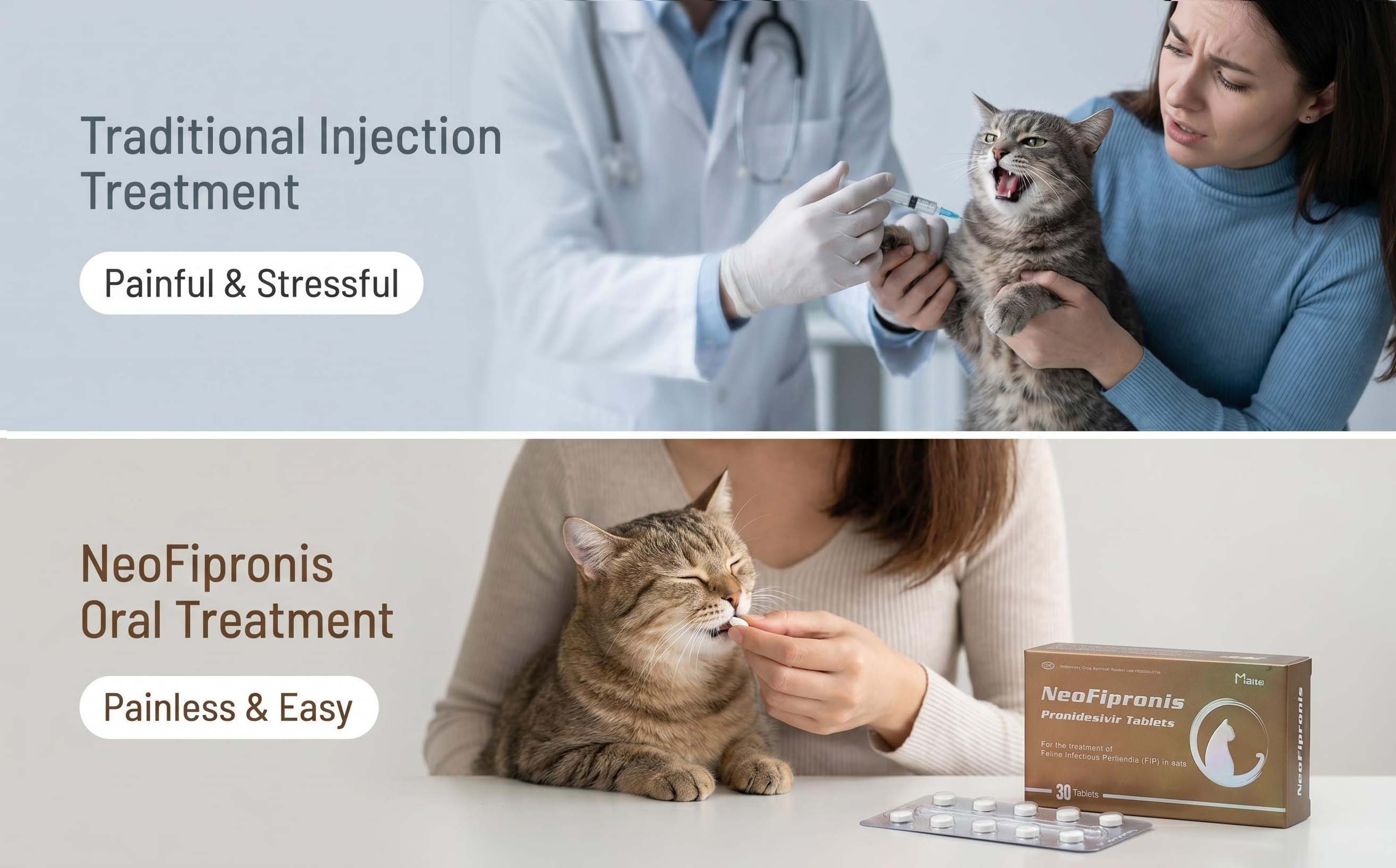
NeoFipronis (Pronidesivir), containing the active ingredient GS-441524, is a groundbreaking oral medication for treating Feline Infectious Peritonitis (FIP). Approved by the Lao Ministry of Agriculture and Forestry (MAF) in March 2026, it is the world’s first officially registered FIP treatment that offers safe, effective, non-invasive therapy with rapid absorption and minimal side effects. While NeoFipronis has shown remarkable success in managing FIP symptoms such as anorexia, lethargy, fever, ascites, pleural effusion, lymphadenopathy, inflammatory granulomas, neurological damage, and uveitis, some cats may experience adverse reactions. Recognizing and managing potential side effects promptly is crucial for your feline friend's recovery.
Common side effects associated with NeoFipronis may include gastrointestinal upset, mild allergic reactions, temporary increase or fluctuation in body temperature, or changes in behavior. Rarely, some cats might develop neurological symptoms or experience liver or kidney function disturbances. If you notice any abnormal signs, it is essential to act quickly and consult a veterinarian.
Monitoring and Recognition
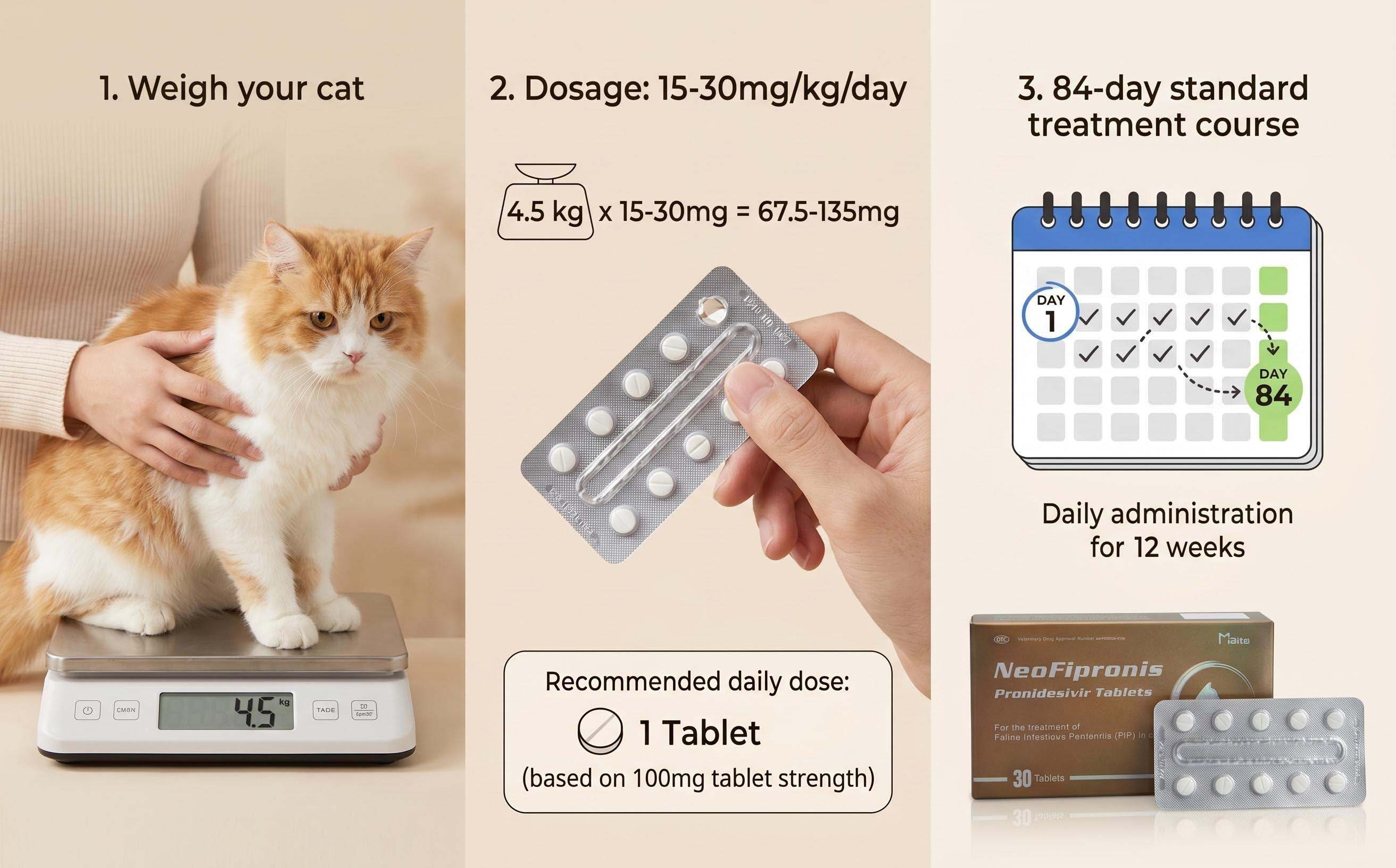
During the course of treatment, observe your cat closely. Keep track of appetite, activity level, body temperature, urination, and defecation. Any sudden changes or worsening of symptoms should prompt immediate veterinary attention. Regular blood tests are recommended to monitor liver and kidney functions, especially in prolonged treatments spanning at least 12 weeks. This monitoring helps detect any adverse effects early and allows for timely interventions to prevent complications.
What to Do if Side Effects Occur
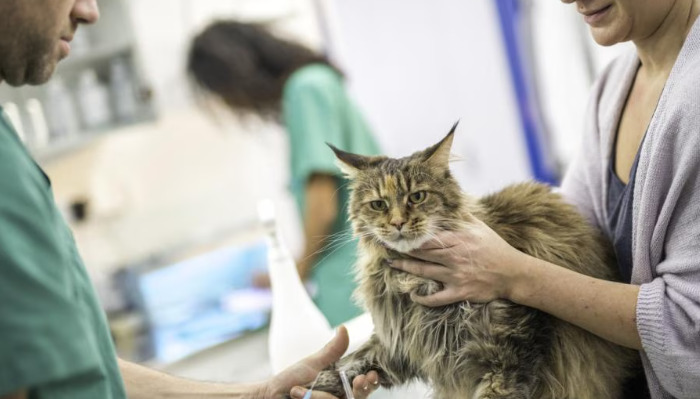
1. Contact Your Veterinarian Immediately: If your cat exhibits signs of distress such as vomiting, diarrhea, unexplained lethargy, neurological signs, or significant changes in behavior, contact your veterinarian without delay.
2. Adjust Dosage or Discontinue: Do not attempt to modify or discontinue medication without veterinary guidance. Your veterinarian might recommend adjusting the dose, temporarily stopping treatment, or providing additional supportive care.
3. Supportive Treatments: Depending on the side effects, your veterinarian may suggest supportive measures like hydration therapy, anti-inflammatory medications, or liver and kidney protectants to help your cat recover from adverse reactions.
4. Ensure Proper Administration: Administer NeoFipronis on an empty stomach, either one hour before or two hours after meals. Consistent dosing without missed days is crucial for treatment success.
5. Follow Up Regularly: Schedule frequent check-ups during treatment to monitor the cat's response. Precise blood work and clinical evaluations will guide any necessary adjustments.
Precautions
While NeoFipronis is generally well tolerated, it is recommended to use under veterinary supervision. Ensure you purchase the medication from official sources, such as the NeoFipronis official website, to guarantee product authenticity and quality.
Conclusion
Promptly recognizing and managing side effects can significantly influence your cat's recovery from FIP. Keep open communication with your veterinarian, adhere strictly to prescribed dosing regimens, and conduct regular health checks. NeoFipronis's innovative formulation and proven efficacy make it a valuable tool in the fight against FIP, but careful monitoring ensures your feline friend’s safety and well-being throughout the treatment process.