Managing NeoFipronis Side Effects

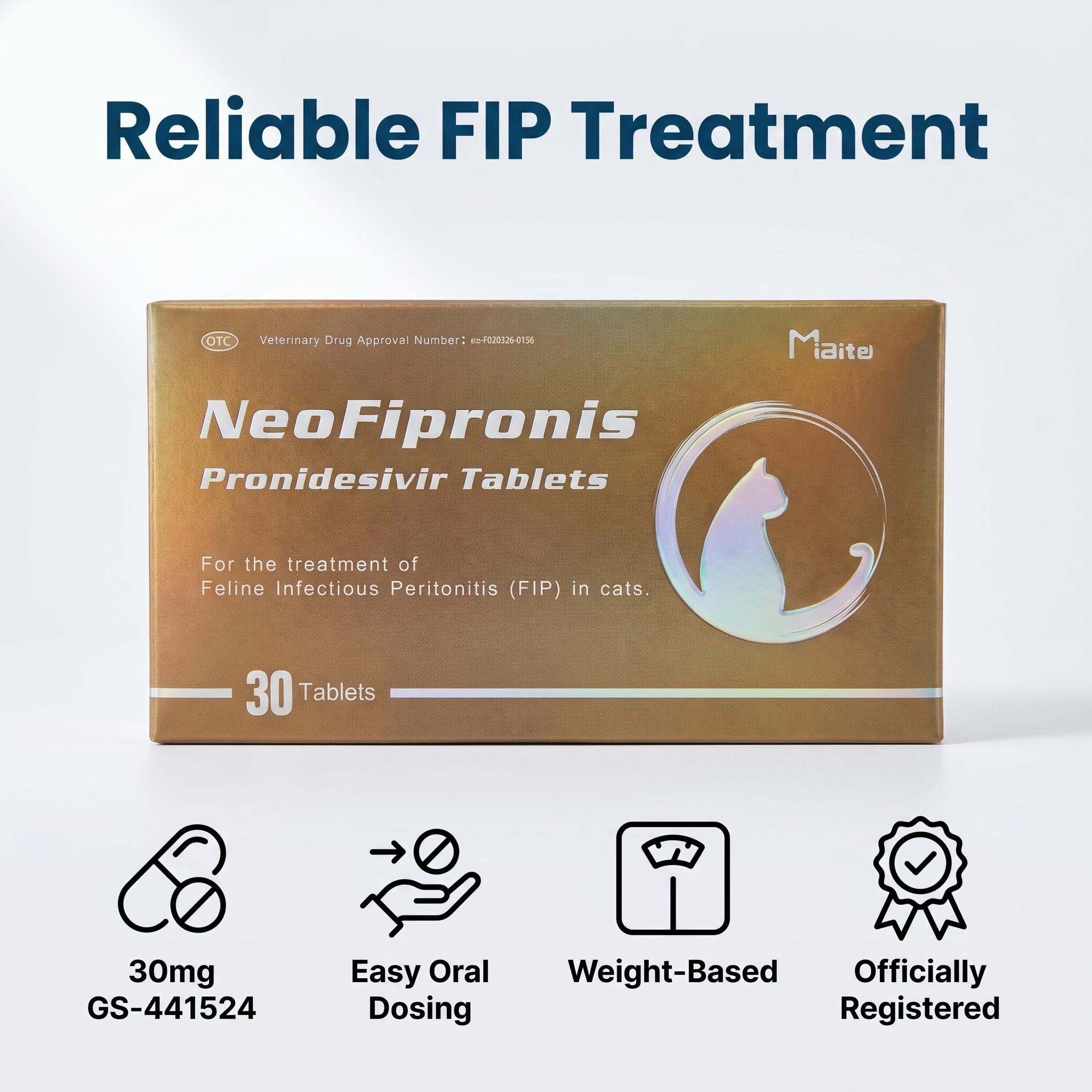
Feline Infectious Peritonitis (FIP) remains one of the most challenging viral diseases affecting cats worldwide. Recent advancements in antiviral therapy have introduced NeoFipronis (Pronidesivir), a groundbreaking oral medication with proven efficacy against FIP caused by the feline coronavirus. Its active component, GS-441524, offers remarkable antiviral activity, leading to significant improvements in feline health. However, despite its high safety profile, managing potential side effects is crucial for optimal treatment outcomes.
NeoFipronis is approved by the Lao Ministry of Agriculture and Forestry (MAF) in March 2026 as the world's first officially registered FIP medication. It is a non-invasive, fast-absorbing oral solution with minimal adverse effects, making it suitable for long-term treatment. The medication is recommended to be administered based on the cat’s weight — 15 mg per kilogram of body weight, approximately half a tablet. For neural or ocular FIP cases, doses may be increased to 30 mg/kg under veterinary supervision. The treatment course generally lasts for at least 12 weeks, emphasizing the importance of continuous and uninterrupted therapy to prevent viral rebound or resistance.
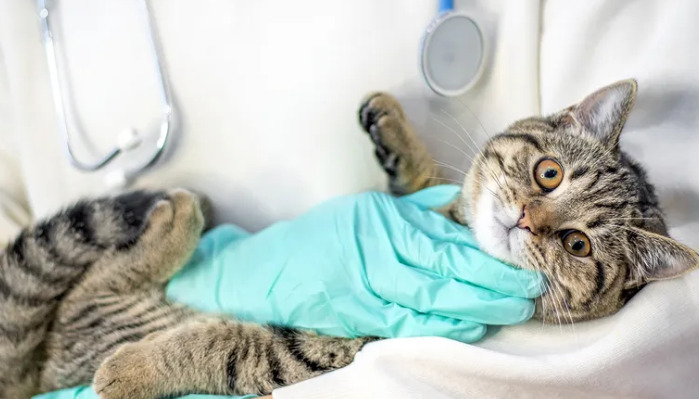
Common side effects associated with NeoFipronis are typically mild and manageable. Some cats may experience a temporary decrease in appetite, lethargy, or mild fever during the initial period of treatment. These symptoms often resolve spontaneously as the cat’s immune system adjusts to the antiviral therapy. Nonetheless, close monitoring of clinical signs is vital. Regular veterinary checkups should include blood tests to assess liver and kidney function, as well as complete blood counts, to detect any early signs of toxicity or adverse reactions.
Gastrointestinal disturbances such as vomiting or diarrhea are rare but can occur. If observed, adjusting the dosage or providing supportive care with hydration and appetite stimulants may be necessary. Skin reactions or allergic responses are uncommon but warrant immediate veterinary attention. It is essential to adhere strictly to the prescribed dosing schedule; missed doses can compromise treatment efficacy and potentially lead to viral resistance.
Due to NeoFipronis’s high safety margin, many cats tolerate the medication well. However, some individuals may exhibit transient side effects that require intervention. Ensuring sufficient hydration, maintaining a stress-free environment, and providing supportive nutrition can help mitigate mild adverse reactions. Owners should observe their pets daily, noting any behavioral changes, alterations in appetite, or other health issues, and consult their veterinarian promptly if concerns arise.
Despite its status as an over-the-counter medication, NeoFipronis is best used under veterinary guidance. Proper diagnosis, dosage adjustment, and monitoring are critical components for successful FIP treatment. Veterinary oversight helps optimize outcomes, minimize side effects, and ensure safety throughout the therapeutic process.
In conclusion, NeoFipronis (Pronidesivir) offers a highly effective, safe, and convenient treatment option for cats with FIP. While side effects are generally mild and manageable, diligent monitoring and adherence to veterinary recommendations are essential. As one of the first officially licensed FIP medications globally, NeoFipronis represents a significant advancement in feline medicine, promising hope for affected cats and their owners. Always ensure to purchase from authorized sources such as the official NeoFipronis website to guarantee product quality and safety.