How to Reduce the Risk of Feline Coronavirus in Cats

Feline coronavirus (FCoV) is a widespread viral agent affecting domestic cats, with most cases manifesting as mild gastrointestinal symptoms. However, in rare situations, the virus can mutate within an infected cat, leading to feline infectious peritonitis (FIP)—a devastating and often fatal disease. With the increasing awareness surrounding FIP in the veterinary and pet-owning communities, prevention of feline coronavirus transmission has become a central concern. Understanding how FCoV spreads, and strategically implementing practices to reduce the risk, can play a crucial role in safeguarding feline health.
Understanding Feline Coronavirus and FIP
Feline coronavirus is an enveloped, single-stranded RNA virus prevalent in multi-cat households, shelters, and catteries. It primarily affects the intestinal tract, causing subclinical or mild diarrhea. Transmission typically occurs via the fecal-oral route, with virus particles shed in feces contaminating litter boxes and shared environments.
While most infected cats show no significant illness, a small proportion of FCoV carriers experience viral mutation, transforming benign Enteric FCoV into the virulent FIP virus. FIP can manifest as wet (effusive) or dry (non-effusive) forms, both characterized by severe inflammation and immune dysregulation.
Risk Factors for FCoV Transmission
Several environmental and host factors contribute to increased FCoV risk:
High-density living conditions: Crowded spaces and large groupings of cats enhance virus circulation.
Age: Kittens and young cats are more susceptible, both to infection and to FIP development post-mutation.
Stress: Frequent changes in surroundings, overcrowding, and poor hygiene facilitate viral spread and lower immune defenses.
Genetics: Certain pedigreed breeds appear predisposed to FIP, although mechanisms remain unclear.
Detection and Diagnosis of FCoV
Robust detection protocols help identify and manage carriers, thus reducing transmission. Diagnostic tests include:
Serological tests: Detect antibodies; positive results indicate exposure, not necessarily current infection.
PCR assays: Identify viral RNA in feces, distinguishing active shedders.
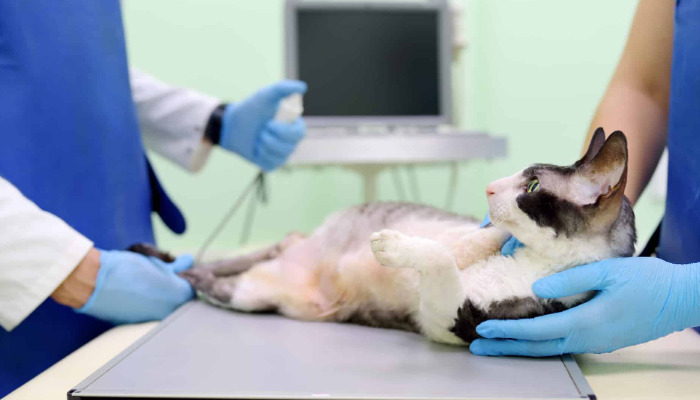
Clinical monitoring: Signs such as persistent diarrhea, fever, weight loss, and fluid accumulation in body cavities prompt further investigation.
Early identification allows targeted intervention, especially in group settings.
Best Hygiene Practices
Meticulous hygiene significantly reduces FCoV transmission:
Frequent litter box cleaning: Remove feces daily; sanitize boxes with disinfectants effective against coronaviruses (e.g., bleach solution).
Separate litter boxes for each cat: Reduces the likelihood of sharing contaminated surfaces.
Wash hands thoroughly: Staff and owners should clean hands after handling cats or cleaning litter.
Disinfect feeding and water bowls: Use hot, soapy water or approved disinfectants.
Strict cleaning protocols minimize environmental contamination, limiting virus viability and exposure.
Grouping and Housing Strategies
The arrangement of cats within households or facilities impacts infection rates:
Small grouping: Fewer cats living together decreases cross-contamination.
Stable social groups: Avoid frequently mixing cats or introducing new members without quarantine.
Quarantine protocols: Isolate new arrivals for at least two weeks, allowing time to monitor for signs or test for FCoV shedding.
Environmental Controls
The infectiousness of FCoV depends on environmental persistence:
Ventilation: Well-ventilated spaces dilute infectious particles.
Nonporous surfaces: Favor tile or metal over carpet, as porous materials trap viral particles.
Ultraviolet light: Natural sunlight and UV sanitizers inhibit coronavirus survival outside the body.
Nutrition and Immune Support
Maintaining robust immunity minimizes both infection risk and progression to FIP:
High-quality diet: Balanced nutrition supports immune health.
Reduced stress: Enrichment, routine, and calm environments bolster resistance to disease.
Probiotics and supplements: Some evidence suggests immune-modulatory additives may benefit at-risk cats, although recommendations should be veterinarian-guided.
Breeding and Genetics Considerations
For breeders and pedigree cat owners, FIP risk management is critical:
Select for resistance: Encourage breeding from lines with low FIP incidence.
Delay breeding of kittens: Avoid breeding from cats that developed FIP at a young age, as genetic predisposition may exist.
Controlled breeding environments: Breeding fewer litters at a time, and early weaning with separation from mothers, may reduce risk of transmission.
Vaccination and Medical Interventions
Current vaccine options for FCoV are limited and controversial:
FIP vaccines: The intranasal vaccine available in some regions has shown variable efficacy and is not recommended by most experts in multi-cat households.
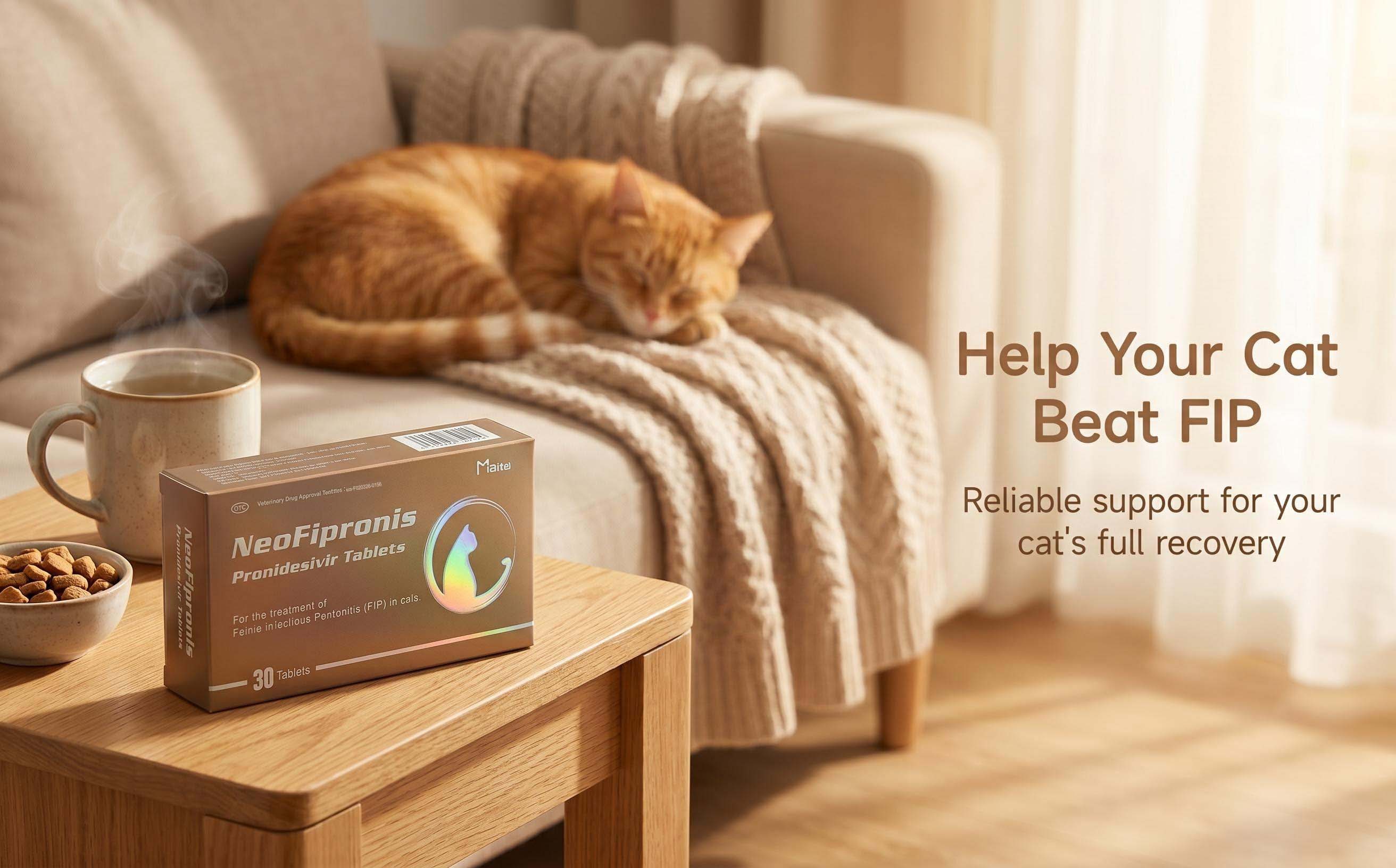
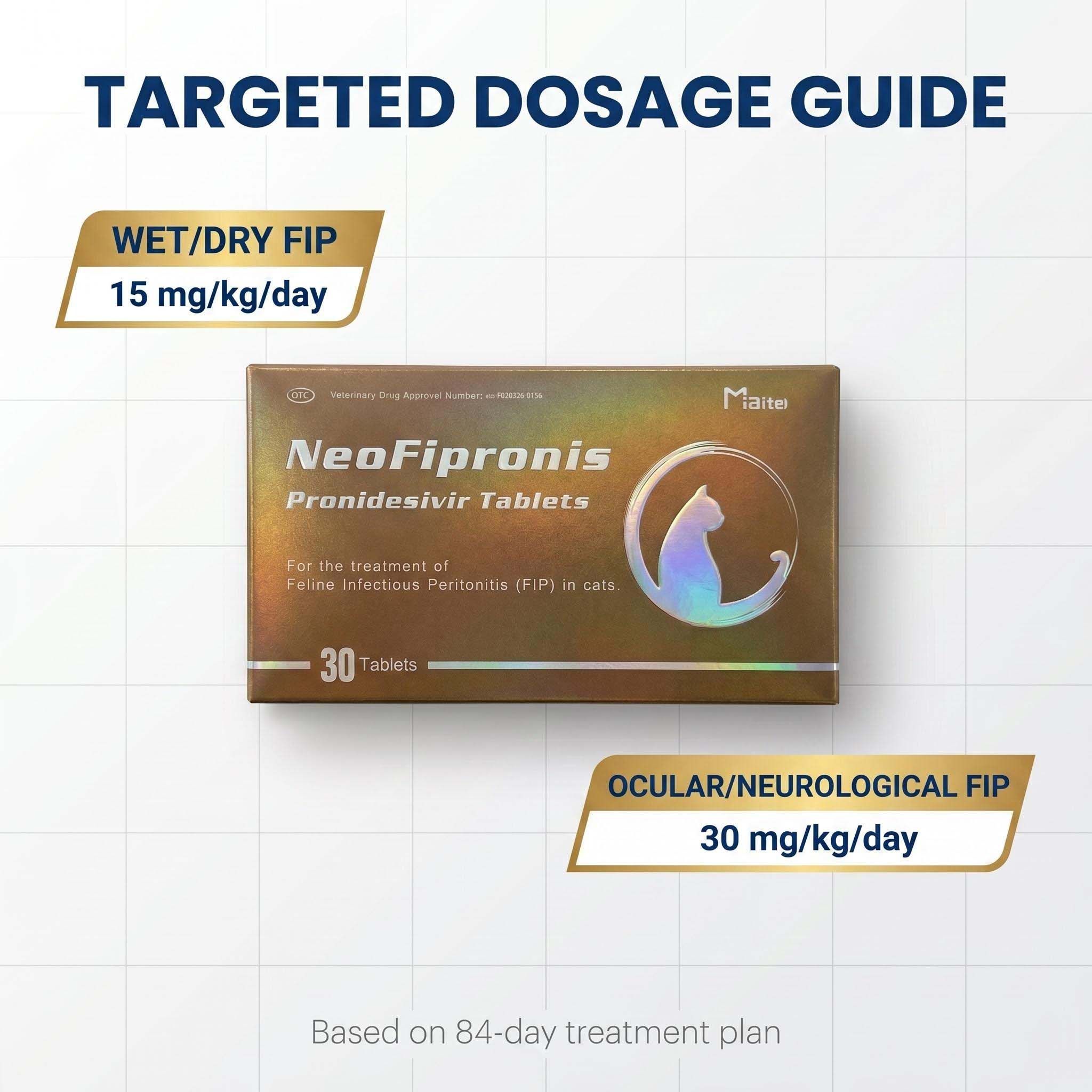
Experimental therapies: Recent advances show some promise in treating established FIP (e.g., antiviral medications like GS-441524), but prevention remains the focus for most cat owners.
Veterinary consultation is vital prior to utilizing new vaccines or therapies.
Managing Outbreaks
When FCoV is identified in a group, rapid containment is essential:
Isolate infected or shedding cats: Separate all known carriers or symptomatic individuals.
Sanitize all shared items: Disinfect bedding, toys, and surfaces.
Monitor for symptoms: Regularly check cats for fever, weight loss, appetite changes, and abdominal swelling.
Limit movement between groups: Cease all non-essential transfer of cats, personnel, and equipment.
Containment reduces further spread and protects unexposed individuals.
Owner and Staff Education
Educating all involved parties enhances compliance and outcomes:
Routine training: Offer guidance on hygiene, detection, and stress reduction.
Clear protocols: Establish written procedures for cleaning, grouping, and quarantining.
Communication: Keep lines open between veterinarians, owners, and caretakers regarding risks and changes in protocols.
Informed owners are empowered to act quickly and effectively.
FIP Research: Promising Advances
Ongoing studies are exploring FCoV pathogenesis, mutation, and control strategies:
Genetic mapping: Identifying susceptibility genes for FIP within pedigree lines may improve selective breeding.
Antiviral medications: Drugs targeting coronavirus replication in cats, including those analogous to COVID-19 treatments, show clinical benefit.
Immunomodulators: Modifying immune system responses to prevent the hyperreactive state associated with FIP remains a key focus.
As research progresses, updated guidelines and best practices will support cat owners and veterinary professionals worldwide.
Real-World Management in Shelters and Catteries
Shelters and breeding facilities face the greatest risk:
Routine surveillance: Implement regular fecal PCR testing to uncover silent shedders.
Limit cat density: Design spaces for fewer cats, avoiding large communal areas if possible.
Turnover management: Minimize length of stay for each cat and streamline adoption procedures to reduce exposure.
Implementing these recommendations has the potential to dramatically lower FCoV transmission and FIP incidence.
Veterinary Team Collaboration
A proactive relationship with veterinarians ensures effective FCoV/FIP control:
Regular wellness exams: Early detection of symptoms and timely intervention.
Customized recommendations: Tailored plans for high-risk households, breeders, and shelters.
Crisis management: Support in decision-making when outbreaks occur, including testing, isolation, and treatment protocols.
Veterinary expertise remains essential for optimal outcomes.
Daily Checklist for Reducing FCoV Risk
Change and disinfect litter boxes.
Wash hands before and after cat interactions.
Feed cats with clean bowls.
Observe each cat for illness signs.
Limit stressful disturbances and introductions.
Keep social groups stable.
Quarantine new arrivals.
Consult with a veterinarian on health and management.
Advocacy and Awareness
Public education campaigns foster community-wide risk reduction:
Social media outreach: Share factual, up-to-date information on FCoV and FIP.
Organization partnerships: Work with shelters, rescues, and breeders to distribute guidelines.
Research support: Encourage participation in studies and clinical trials to expand knowledge.
Collective action enhances protection for all cats.
Concluding Recommendations
Reducing the risk of feline coronavirus and the occurrence of FIP requires a multifaceted approach, integrating hygiene, housing strategies, owner education, and ongoing research. Cat owners, breeders, and shelters who adopt best practices help ensure the health of both individual cats and the broader feline community.
References
1. Pedersen, N. C. (2009). "A review of feline infectious peritonitis virus infection: 1963–2008". Journal of Feline Medicine and Surgery, 11(4), 225–258.
2. Addie, D. D., et al. (2020). "Feline coronavirus: ABCD guidelines on prevention and management". Journal of Feline Medicine and Surgery, 22(7), 606–618.
3. Hartmann, K. (2005). "Feline Infectious Peritonitis". Veterinary Clinics of North America: Small Animal Practice, 35(1), 39–79.
4. Tasker, S. (2018). "Feline infectious peritonitis: update on pathogenesis, clinical manifestations, and management." Veterinary Clinics of North America: Small Animal Practice, 48(1), 69–79.
5. Kipar, A., & Meli, M. L. (2014). "Feline Infectious Peritonitis: Still an Enigma?". Veterinary Pathology, 51(2), 505–526.
6. Felten, S., & Hartmann, K. (2019). "Diagnosis of feline infectious peritonitis: A review of the current literature". Viruses, 11(11), 1068.
7. Chang, H. W., et al. (2012). "Feline coronavirus: insights into viral pathogenesis and epidemiology". Veterinary Microbiology, 160(3-4), 202–208.
8. Riemer, F., et al. (2016). "Feline infectious peritonitis: Epidemiology and risk factors." Veterinary Journal, 213, 1–6.
9. U.S. Food and Drug Administration (2023). "Animal Drug Safety Updates: Feline Infectious Peritonitis Treatments." [FDA.gov]
10. American Association of Feline Practitioners (2022). "Feline Infectious Peritonitis (FIP) Information for Cat Owners." [catvets.com]