How Often Should Blood Tests Be Done During FIP Treatment
Feline Infectious Peritonitis (FIP) is a devastating disease for cats and a complicated challenge for veterinarians and guardians. Recent advancements in antiviral treatments—most notably GS-441524—have dramatically improved the outlook for cats diagnosed with FIP. However, these treatments demand careful monitoring, and blood tests are integral to assessing response, detecting side effects, and guiding clinical decisions. Understanding how frequently blood tests should be scheduled during FIP treatment is essential for optimizing outcomes and minimizing risk.
Understanding FIP Treatment Phases
Managing FIP involves distinct treatment phases, each with unique monitoring needs. Typically, FIP is treated over several weeks to months, and the schedule for blood tests changes depending on the stage of therapy.
Initial Baseline Assessment
Before starting FIP therapy, a comprehensive blood panel—usually including a complete blood count (CBC), serum biochemistry, and key markers like albumin, globulin, bilirubin, and ALT—offers a crucial baseline. This establishes a reference point for monitoring disease progression and treatment response.
Induction Phase (Weeks 1–4)
Most protocols recommend intensive monitoring early in treatment. Blood tests should be done weekly during the first month, as this is when cats may experience the most profound physiological changes and side effects. Weekly bloodwork allows veterinarians to:
Track improvements in anemia, lymphopenia, neutrophilia, or other FIP-associated abnormalities.
Assess liver and kidney function, since some antiviral drugs or the disease itself can alter these parameters.
Monitor for adverse reactions to medications.
Stabilization and Maintenance Phase (Weeks 5–12)
If initial results are positive and the cat stabilizes, the frequency of blood tests can be reduced. Every 2–3 weeks is the typical recommendation. During this phase, continued monitoring helps:
Detect emerging side effects that develop over time (especially hepatotoxicity or nephrotoxicity).
Confirm sustained normalization or improvement of hematological and biochemical parameters.
Adjust dosages or medications if needed.
Completion and Relapse Monitoring
Once a full course of FIP treatment is complete (usually 12 weeks), most veterinarians recommend a final blood panel to ensure all values remain within normal ranges. After stopping treatment, blood testing every 1–2 months for the next 6–12 months may help catch relapses early, as recurring symptoms can be subtle.
Blood Test Types and Their Roles
Different blood tests provide distinct insights during FIP therapy:
CBC: Assesses anemia, leukocyte counts, and changes underlining immune and inflammatory activity.
Serum Chemistry: Evaluates organ function, particularly liver (ALT, AST, bilirubin) and kidneys (BUN, creatinine).
Total Protein, Albumin, Globulin: FIP often causes low albumin and elevated globulin. The albumin:globulin ratio is a sensitive marker for disease progression and response.
Acute Phase Proteins (e.g., alpha-1 acid glycoprotein): These may help assess inflammation and response, though not all laboratories offer this.
Other Immune Markers: In advanced cases or research settings, markers like feline coronavirus antibodies, PCR viral RNA quantification, or specific cytokines may be considered.
Clinical Monitoring Beyond Lab Tests
While blood testing is central, clinical observation is just as important. Changes in appetite, activity, hydration, and signs like jaundice or effusions may warrant immediate bloodwork, regardless of schedule. Always consult a veterinarian if clinical symptoms evolve.
Individualized Testing Schedules
Determining exactly how often to test depends on:
Severity of Disease: Cats with effusive (wet) FIP or severe organ involvement may need even more frequent bloodwork.
Type of Medication Used: GS-441524 and its analogs have relatively low toxicity but still require regular monitoring. Other treatments (e.g., corticosteroids, antibiotics for concurrent infections) can affect test schedules.
Pre-existing Conditions: Cats with kidney disease, liver issues, or other comorbidities demand closer monitoring.
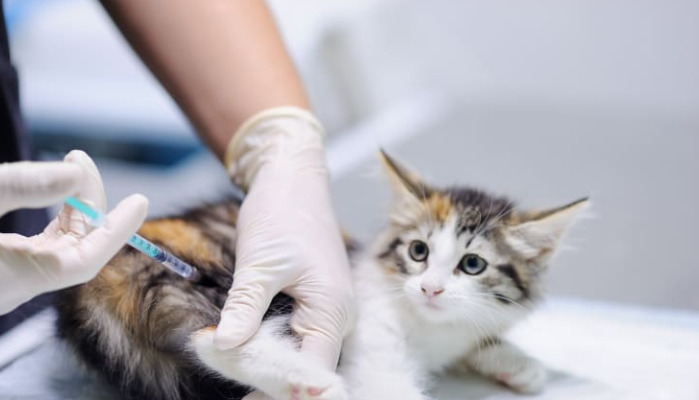
Owner's Ability and Cat’s Tolerance: Frequent blood draws can be stressful. Balancing optimal monitoring with the patient’s comfort is an art every veterinarian must master.
Responding to Abnormal Results
Bloodwork during FIP therapy serves as both a diagnostic and therapeutic guide. Specific abnormalities may call for intervention:
Persistently High Globulin/Low Albumin: May signal poor response or need for extended therapy.
Elevated Liver Enzymes: If values rise significantly, veterinarians may reduce the dose, change medications, or add hepatoprotectants.
Leukopenia or Severe Anemia: Suggests disease progression or side effects; supportive care may be required.
Azotemia or High Creatinine: Indicates renal involvement and may prompt therapy modification.
Communication with Your Veterinary Team
Regular, transparent communication is key. After each blood test, schedule a consult to discuss results, implications, and next steps. Digital portals and telemedicine make this easier than ever. Never hesitate to ask questions about what the numbers mean or why a change in schedule is recommended.
Cost, Logistics, and Stress Management
Frequent blood testing can be expensive and logistically challenging for some guardians. Minimizing stress for the cat is important—work with your clinic to batch testing appointments, optimize transportation, and use low-stress techniques for blood draws. In some cases, in-home veterinary services or sedation may be considered.
Evolving Guidelines and Future Directions
Veterinary approaches to FIP and monitoring protocols are evolving rapidly, thanks to ongoing research and improved access to novel therapies. Guidelines differ between regions and practitioners; always defer to a veterinarian experienced in FIP management. As point-of-care diagnostics and tailored drug dosages become more widely available, monitoring may eventually be streamlined.
Summary Table: Recommended FIP Blood Test Schedule
| Treatment Phase | Suggested Blood Test Frequency |
|-|-|
| Baseline (pre-treatment)| 1 comprehensive panel |
| Weeks 1–4 | Weekly |
| Weeks 5–12 | Every 2–3 weeks |
| Post-treatment (month 1–6)| Every 1–2 months |
These recommendations are subject to adjustment based on individual patient needs.
Frequently Asked Questions
Are blood tests painful or risky for my cat?
When performed by experienced staff, blood draws are quick, routinely tolerated, and minimally invasive, though occasional bruising or stress may occur.
What symptoms require more frequent blood tests?
Rapid weight loss, fever, new effusions, jaundice, or a marked change in behavior all warrant unscheduled testing, regardless of the calendar.
Can blood tests predict long-term FIP remission?
Serial blood tests—especially albumin:globulin ratios and normalization of key markers—can strongly suggest successful remission, but only continued monitoring and clinical exams can confirm absence of disease.
Are there alternative ways to monitor treatment?
Some clinics use ultrasound, x-rays, or point-of-care biosensors to supplement bloodwork, but laboratory blood tests remain the gold standard.
Tips for Guardians
Keep a log of all test dates and results.
Coordinate with your veterinarian for appointment reminders.
Discuss blood test costs upfront so you can plan accordingly.
If your cat is anxious, request pre-visit sedation or gentle handling techniques.
Conclusion
Careful, scheduled blood testing during FIP treatment is the best way to optimize medication effectiveness, detect problems early, and give cats their best chance at recovery. Open communication, individualized planning, and ongoing clinical vigilance ensure that both the cat’s health and their guardian’s peace of mind are protected throughout the FIP journey.
References
1. Pedersen NC. "An update on feline infectious peritonitis: diagnostics and therapeutics." Veterinary Journal. 2020;263:105572.
2. Krentz D, Kaiser T, Wiese T, et al. "Blood parameters in cats treated with GS-441524 for feline infectious peritonitis—A prospective study." Frontiers in Veterinary Science. 2021;8:733430.
3. Dickinson PJ, Levy J, Taylor S, et al. "Vet practitioner consensus guidelines: Diagnosis, management, and monitoring of FIP." Journal of American Veterinary Medical Association. 2019;255(2):202-217.
4. Chang HH, Chueh LL, et al. "Serum biochemistry and CBC changes in cats during GS-441524 treatment for FIP." Journal of Feline Medicine and Surgery. 2021;23(8):685-693.
5. Addie DD, Jarrett O. "Feline coronavirus infections." Infectious Disease Clinics of North America. 2005;19(1):121-131.
6. Felten S, Hartmann K. "Diagnosis of feline infectious peritonitis: a review." Veterinary Journal. 2019;244:9-20.
7. Murphy BG, et al. "Peter Pan drug GS-441524: An effective therapy for feline infectious peritonitis." Veterinary Microbiology. 2020;247:108782.
8. U.S. Food & Drug Administration. "Information for Pet Owners on Blood Tests for FIP Therapy." FDA.gov. 2022.
9. Niels Pedersen, "FIP Treatment: GS-441524 and Monitoring Protocols." UC Davis Veterinary School, 2021.
10. Dempsey SM, Ewing PJ. "A guide to interpreting feline blood test results." Today’s Veterinary Practice. 2017;7(2):41-48.