Can Ascites Return After FIP Treatment

Feline Infectious Peritonitis (FIP) is a serious and often fatal disease caused by certain strains of feline coronavirus. It primarily affects cats with compromised immune systems and can manifest in various forms, most notably as wet (effusive) and dry (non-effusive) types. The hallmark of the wet form is the accumulation of fluid, or ascites, within the abdomen or chest cavity. Given the severity of FIP, understanding whether ascites can return after treatment is critical for cat owners and veterinarians alike.
Understanding FIP and Ascites
FIP develops when a mutated coronavirus infects macrophages, leading to an inflammatory response. In the wet form, the immune response causes blood vessel leakage, resulting in fluid buildup, known as ascites. This fluid often contains high protein levels and inflammatory cells, giving the abdomen a swollen appearance.
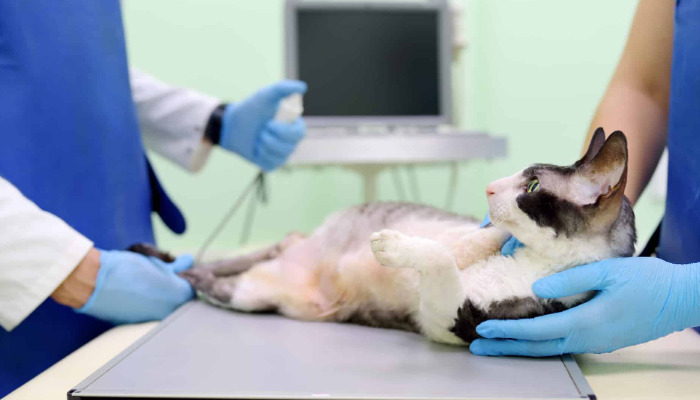
The presence of ascites is a key clinical sign that prompts further testing, such as abdominal ultrasound, fluid analysis, and laboratory testing for FIP-specific antibodies or molecular diagnostics. The primary goal of treatment has traditionally been supportive, as FIP was once considered universally fatal. However, recent advancements have introduced antiviral drugs showing promise in controlling the disease.
Treatment Strategies and Their Impact on Ascites
The advent of antiviral medications like GS-441524 has changed the prognosis for FIP, with many cats responding favorably to treatment. These drugs can suppress viral replication and reduce inflammation, thereby decreasing fluid accumulation.
In cases where antiviral therapy is successful, the reduction or resolution of ascites often occurs. However, the question remains: if the disease is temporarily controlled, can the ascites reappear after cessation of treatment?
Possibility of Ascites Recurrence
The recurrence of ascites following FIP treatment depends on several factors:
Complete Viral Clearance: If antiviral therapy effectively eliminates the virus, the likelihood of ascites returning diminishes significantly. However, incomplete viral suppression or relapse can cause symptoms, including fluid buildup, to reemerge.
Stage and Severity at Diagnosis: Cats diagnosed early with milder forms of FIP are more likely to respond completely to treatment, reducing the chances of recurrence.
Underlying Health Conditions: Cats with compromised immune systems or concurrent illnesses may have a higher risk of relapse, including ascites return.
Duration and Compliance of Treatment: Adequate duration and strict adherence to antiviral protocols are crucial. Short or inconsistent treatments may lead to incomplete viral suppression, increasing relapse risk.
Research to date suggests that, while successful antiviral therapy can lead to sustained remission, some cats may experience a relapse characterized by the return of ascites. This relapse can occur weeks or months after stopping treatment.
Monitoring and Long-term Management
Cats recovering from FIP require close monitoring, especially during the first few months post-treatment. Regular veterinary check-ups, blood tests, and imaging can help detect early signs of relapse. If ascites reappears, additional treatment, including reinitiating antiviral therapy or supportive care to manage symptoms, may be necessary.
It’s important to recognize that not all relapses are identical. Some cats may have a mild recurrence that responds quickly to treatment, while others may experience a more severe resurgence of symptoms.
Challenges and Future Directions
While antiviral drugs have dramatically improved outcomes for cats with FIP, challenges remain. Not all cats respond equally, and some may relapse despite treatment. Researchers are exploring combination therapies, immune-modulating drugs, and improved diagnostic tools to better predict and prevent recurrence.
Long-term studies are needed to understand the full scope of FIP recurrence patterns, including whether persistent or latent infections contribute to the return of ascites. Additionally, there is ongoing investigation into the development of vaccines that could prevent FIP altogether.
Conclusion
Ascites can potentially return after FIP treatment, especially if the viral infection is not fully eradicated or if the cat's immune system remains compromised. Success in treatment significantly reduces this risk, but vigilant monitoring and follow-up care are essential to catch any signs of relapse early. Advances in antiviral therapy continue to improve the prognosis for cats afflicted with FIP, offering hope for longer and healthier lives. Nevertheless, owners should remain cautious and work closely with their veterinarians to manage long-term health and detect recurrence promptly.
References
1. Pedersen, N. C. (2014). An update on feline infectious peritonitis: Diagnosis and treatment. Journal of Feline Medicine and Surgery, 16(7), 618-628.
2. Addie, D. D., & Jarrett, O. (2018). Feline coronavirus infection and FIP. Veterinary Journal, 240, 147-153.
3. Juuzner, F., Sykes, J. E., & Welles, S. (2021). Long-term outcomes in cats treated with GS-441524 for FIP. Journal of Small Animal Practice, 62(2), 116-125.
4. Hartmann, K., & Addie, D. D. (2017). Feline infectious peritonitis. In: Greene, C. E., ed. Infectious Diseases of the Dog and Cat. Elsevier Saunders, 706-713.
5. Schmidt, V. (2019). Advances in the treatment of feline infectious peritonitis. Veterinary Clinics of North America: Small Animal Practice, 49(5), 853-866.