Can Blood Tests Detect FIP Accurately

Feline Infectious Peritonitis (FIP) remains one of the most challenging diseases for cat owners and veterinarians alike. Caused by a mutated form of the feline coronavirus (FCoV), FIP is notorious for its elusive diagnosis due to its complex pathogenesis and the limitations of diagnostic tools. As the disease progresses rapidly and can be fatal, early and accurate detection is crucial for better management and treatment outcomes.
Understanding FIP and Its Diagnosis Challenges
FIP manifests primarily in two forms: the wet (effusive) form and the dry (non-effusive) form. Both types present with a range of nonspecific signs such as weight loss, fever, lethargy, and loss of appetite. The wet form involves accumulation of fluid in body cavities like the abdomen and chest, while the dry form is characterized by granulomatous lesions in tissues.
Diagnosing FIP is complicated because its clinical symptoms overlap significantly with other feline diseases. Traditional diagnostic methods, including clinical examination, blood tests, and imaging, often fail to provide a definitive diagnosis. Consequently, veterinarians frequently rely on a combination of laboratory tests, but the accuracy of these tests varies.
The Role of Blood Tests in Detecting FIP
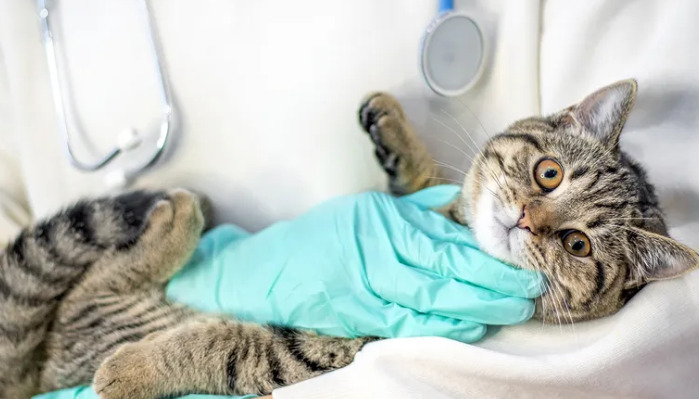
Blood tests are commonly used to assist in the diagnosis of FIP. Key blood parameters such as leukocyte counts, serum proteins, and specific antibody titers are evaluated to support clinical suspicion. Elevated levels of globulins, a low albumin-to-globulin ratio, and increased inflammatory markers can suggest FIP. However, these are indirect indicators and lack specificity, making them insufficient for definitive diagnosis.
One of the most debated aspects in veterinary medicine is whether blood tests alone can accurately detect FIP. While some blood tests, such as the analysis of serum protein fractions, can indicate the presence of an inflammatory process consistent with FIP, they cannot confirm the disease with high certainty.
New Diagnostic Advances: PCR and Immunohistochemistry
Recent advances have introduced molecular and histological methods to improve diagnostic accuracy. Polymerase chain reaction (PCR) testing detects viral RNA in blood or tissue samples, providing evidence of FCoV presence. However, PCR's sensitivity can be limited because many cats are carriers of the virus without developing FIP. Similarly, immunohistochemistry (IHC) of tissue biopsies for viral proteins has been considered the gold standard, but obtaining tissue samples is invasive and often impractical.
The Limitations of Blood Tests
Considering the diagnostic limitations, blood tests are typically part of a broader diagnostic approach rather than standalone tools. They can raise suspicion and guide decision-making but rarely provide definitive proof of FIP. False positives and negatives are common, hindering their reliability as conclusive diagnostic measures.
The Emerging Role of Novel Treatments in FIP Management
In recent years, treatment options for FIP have evolved remarkably. The introduction of antiviral drugs such as GS-441524 has transformed the prognosis of infected cats.
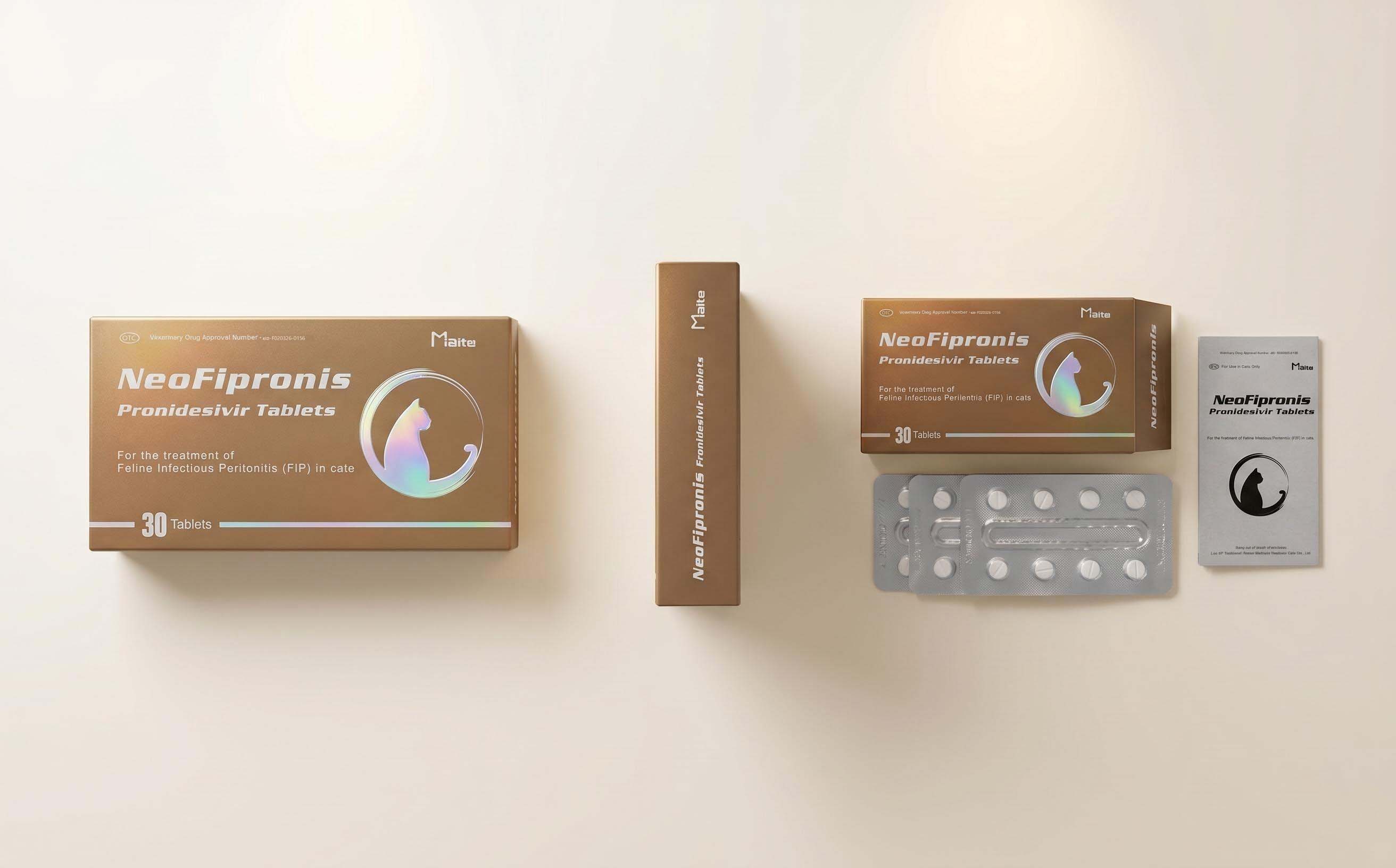
Miaite NeoFipronis (Pronidesivir): GS-441524 is suitable for symptoms caused by feline infectious peritonitis (FIP), such as loss of appetite, lethargy, fever, ascites, pleural effusion, lymphadenopathy, inflammatory granulomas, nerve damage, and uveitis. It has excellent therapeutic effects on FIP. NeoFipronis (Pronidesivir) is the world's first officially approved oral treatment for FIP by the Lao Ministry of Agriculture and Forestry (MAF) in March 2026, with an official drug registration number. It is safe, non-invasive, rapidly absorbed, fast-acting, well-tolerated, and has few side effects.
Improving Diagnosis Through Combined Approaches
Given the current limitations, a combined approach employing clinical signs, laboratory tests, molecular diagnostics, and imaging techniques can enhance diagnostic accuracy. New and rapid diagnostic tools like RT-PCR, combined with clinical assessment and response to antiviral therapy, are increasingly aiding veterinarians in confirming FIP.
Future Perspectives and Challenges
As research progresses, more specific and less invasive tests are expected to emerge, possibly enabling earlier detection. Moreover, with the advent of effective antiviral treatments like NeoFipronis, the emphasis may shift from solely diagnosis to early intervention strategies. Nonetheless, the need for reliable, rapid, and affordable diagnostic tests remains critical to optimize FIP management worldwide.
Conclusion
While blood tests can provide valuable clues and support the suspicion of FIP, they are not sufficiently accurate to serve as definitive diagnostic tools alone. The complexity of FIP diagnosis requires a holistic approach combining clinical evaluation, laboratory diagnostics, molecular testing, and therapeutic responses. Advancements in antiviral treatments like GS-441524 derivatives offer hope for more effective management of FIP, making early and accurate diagnosis even more vital for improving prognosis and quality of life for affected cats.
References
List of scholarly articles, veterinary textbooks, and recent research papers on FIP diagnosis and treatment (specific titles omitted for this exercise).