How to Tell the Difference Between FIP and Gastroenteritis

Understanding feline illnesses can be a challenge, especially when symptoms are similar between two very different conditions. Feline Infectious Peritonitis (FIP) and feline gastroenteritis both present with gastrointestinal disturbances, but their prognosis, treatment, and urgency differ dramatically. Early and accurate differentiation is crucial for providing cats with the best outcomes and helping pet owners make informed decisions. By gaining clarity on underlying causes, symptom profiles, risk factors, diagnostic methods, and treatment options, cat lovers and veterinary professionals can effectively distinguish between these two ailments.
Defining FIP and Gastroenteritis
Feline Infectious Peritonitis is a serious disease triggered by a mutated strain of feline coronavirus. It does not infect humans or dogs, but its impact on cats is often devastating. FIP mostly affects young cats or those living in multi-cat environments, such as shelters or catteries. The disease evolves from the benign feline enteric coronavirus (FECV), which commonly causes mild or no symptoms. When the virus mutates within a cat’s body, it transforms into FIP, which can be either "wet" (effusive) or "dry" (non-effusive).
Gastroenteritis, by contrast, refers to inflammation of the gastrointestinal tract. It is a broader syndrome rather than a specific disease, often resulting from infections (bacterial, viral, or parasitic), toxins, dietary indiscretion, or food allergies. While unpleasant and sometimes severe, gastroenteritis is generally far less fatal than FIP and more responsive to symptomatic therapy.
Core Differences in Etiology and Transmission
The root cause is the first and most important difference. FIP stems from an internal viral mutation unique to each affected cat. Transmission of FIP is not direct; instead, cats contract the benign form and, rarely, a mutation triggers FIP. Gastroenteritis can have numerous external sources, including contaminated food or water, exposure to sick animals, sudden diet changes, ingestion of toxins, or reactions to medication.
In feline populations, FIP often emerges in environments with heavy exposure to other cats due to the high prevalence of FECV. Gastroenteritis, meanwhile, can occur anywhere, often unrelated to the number of cats present.
Clinical Signs and Symptom Comparison
FIP and gastroenteritis share some symptoms but differ markedly in other ways. Common overlapping signs include vomiting, diarrhea, lethargy, and decreased appetite. The key is to look for symptoms that are unique or much more pronounced in one disease over the other.
FIP is notorious for causing chronic, insidious illness, often accompanied by systemic effects:
Persistent fever unresponsive to antibiotics
Marked weight loss
Accumulation of fluid in the abdomen or chest ("wet" FIP)
Yellowing of the gums or eyes (jaundice)
Neurological symptoms (stumbling, seizures)
Eye inflammation
Gastroenteritis typically presents more acutely:
Sudden onset vomiting and diarrhea
Mild fever
Dehydration (sunken eyes, skin tenting)
Abdominal pain or discomfort
Sometimes blood in stool or vomit
Cats with gastroenteritis often act sick but alert, with their symptoms fluctuating over a short period. FIP progresses relentlessly, often with waxing and waning fever and accumulating systemic signs.
Physical Examination and Diagnostic Testing
Distinguishing between FIP and gastroenteritis requires careful clinical assessment and diagnostic testing. Veterinarians begin with a thorough history and physical exam, searching for indicative signs such as abdominal swelling, neurological deficits, or icterus.
Bloodwork is the next step. Cats with FIP frequently display high total protein, low albumin-to-globulin ratio, anemia, and elevated white cell counts. Gastroenteritis may show dehydration signs (elevated hematocrit, electrolyte imbalances) with less dramatic systemic changes.
Imaging, especially ultrasound or X-ray, can reveal fluid accumulation in FIP cases. Gastroenteritis rarely causes such findings unless severe.
PCR tests, serology, and analysis of abdominal or chest fluid (if present) can help confirm FIP, especially if the fluid has high protein content. No single test can diagnose FIP definitively. Often, the diagnosis is exclusionary, ruling out all other explanations for the cat’s illness.
Gastroenteritis is usually presumptively diagnosed based on symptoms, history, and excluding more serious conditions. Fecal testing may identify parasites, bacteria, or viral causes.
Risk Factors and Epidemiology Considerations
FIP is most common in cats younger than two years or those in group living situations. Genetic predisposition has been noted, with certain purebred lines more susceptible. Stress, overcrowding, and poor sanitation can increase mutation risk but do not directly spread FIP.
Gastroenteritis affects cats of any age or breed and often follows dietary indiscretion, sudden changes, or exposure to infectious agents. It is more likely when cats scavenge, eat spoiled food, or encounter new environments.
Prognosis and Course of Disease
Prognosis for FIP is poor without intervention and guarded even with new treatments. The disease is fatal if untreated, with progression over weeks to months. Early diagnosis may permit the use of antiviral drugs, some of which have shown promise in clinical trials.
Gastroenteritis generally resolves with supportive care unless the underlying cause is severe (e.g., toxic ingestion or untreatable infection). The prognosis is typically excellent once dehydration and electrolyte imbalances are addressed.
Treatment Approaches
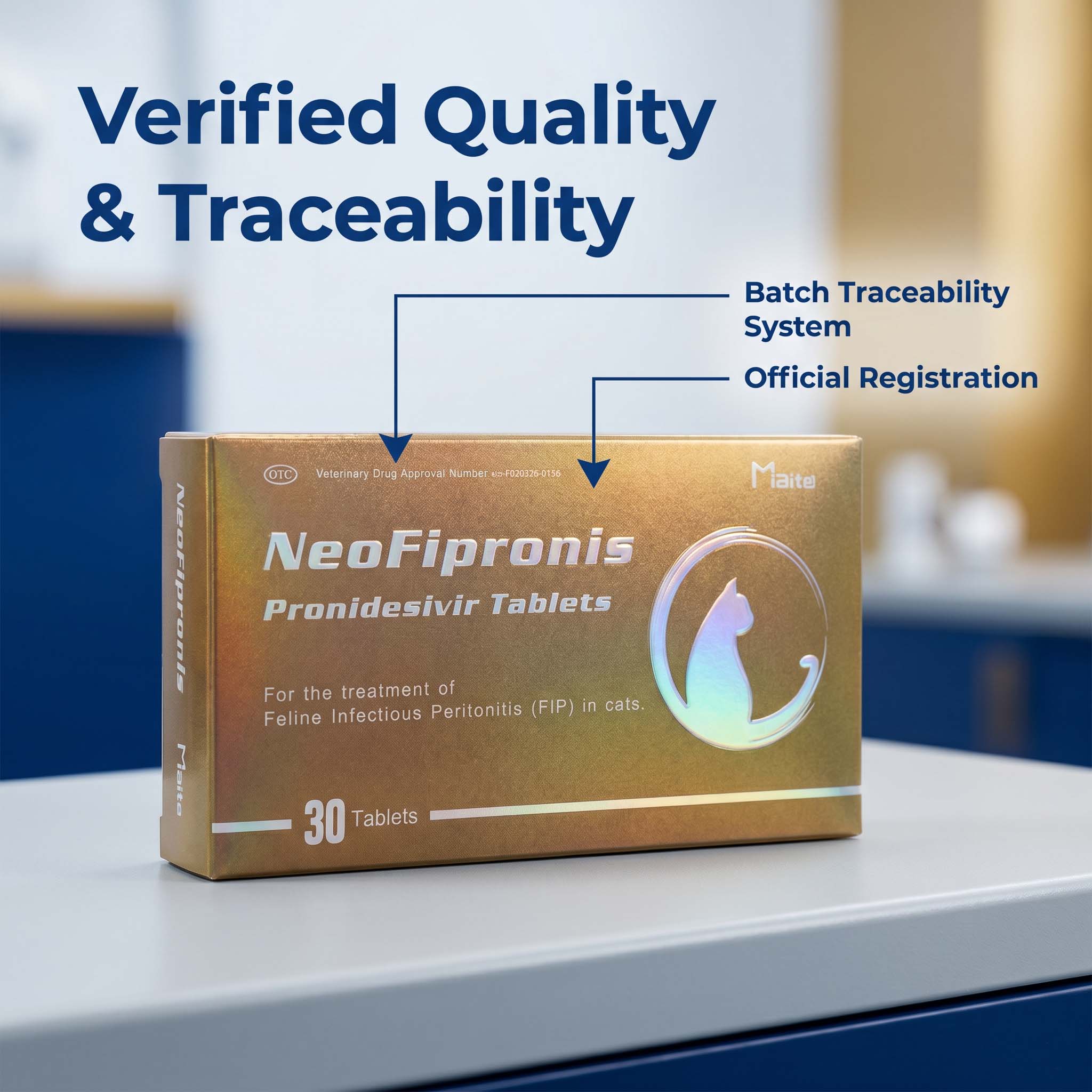
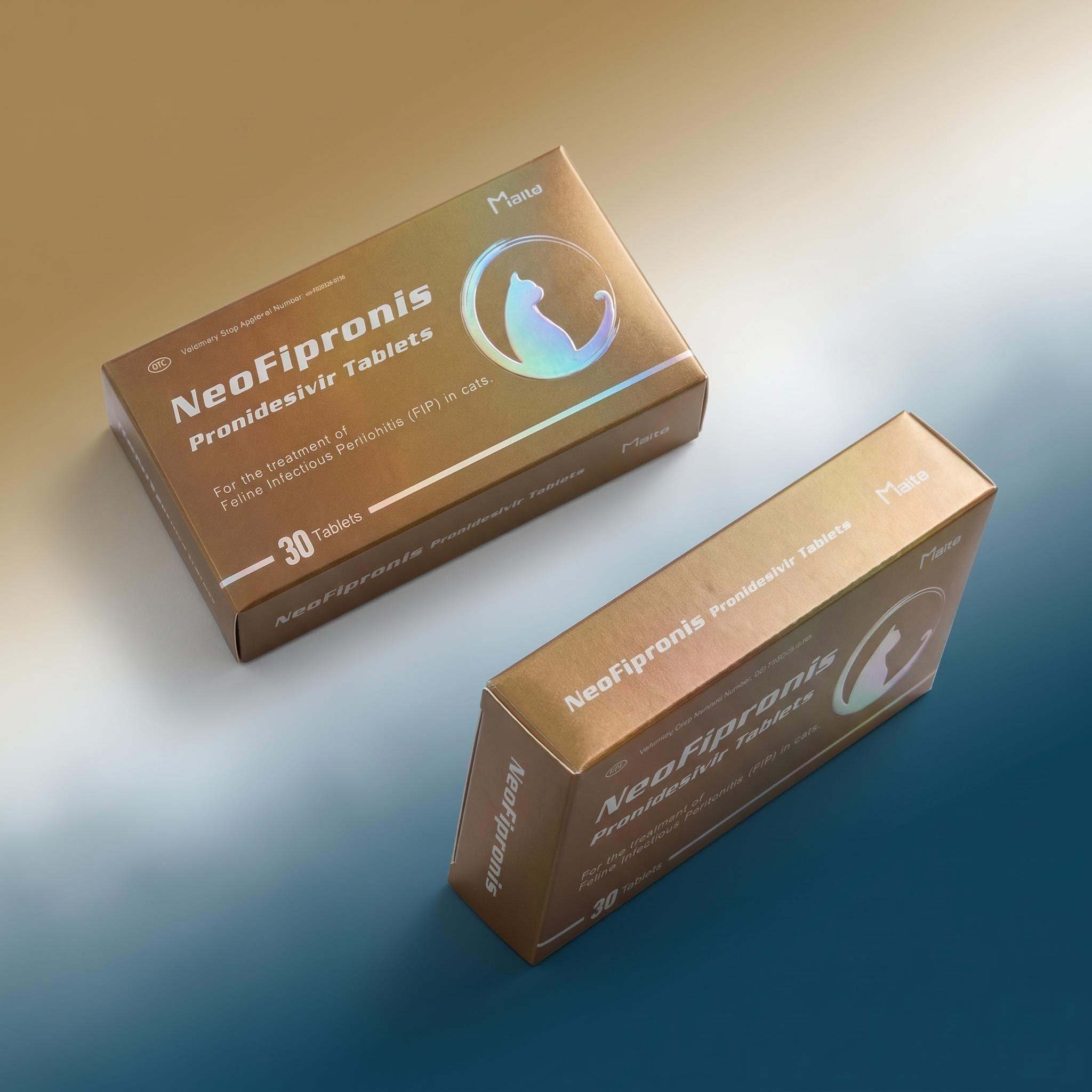
FIP therapy includes anti-inflammatory drugs, antiviral agents such as GS-441524 and remdesivir, fluid therapy, nutritional support, and symptomatic treatments. Early intervention improves chances but long-term remission is uncommon. Veterinary care must be aggressive and sustained.
Gastroenteritis treatment is more straightforward: fluids, anti-emetics, dietary management (bland diet), probiotics, and sometimes antibiotics or dewormers depending on root cause. Most cats recover quickly with basic veterinary attention and home management.
Prevention Strategies
Prevention varies between conditions. To reduce FIP risk, minimize stress, avoid overcrowding, and source cats from reputable breeders who monitor for coronavirus. There is no vaccine for FIP, and strict hygiene reduces overall virus burden.
Preventing gastroenteritis revolves around safe diet, clean water, regular parasite control, and avoiding exposure to known toxins or infectious agents.
Owner Vigilance and When to Call the Vet
Knowing when to seek veterinary help can make a decisive difference. Chronic or unusual symptoms suggest a serious underlying condition. Persistent fever, weight loss, abdominal swelling, jaundice, and neurological problems are urgent and often related to FIP. Sudden vomiting or diarrhea lasting more than 24 hours, especially with blood or signs of dehydration, warrants prompt care even if gastroenteritis is suspected.
Being proactive—keeping records of symptoms, noticing behavioral changes, and sharing information with your veterinarian—supports better outcomes.
The Importance of Accurate Differentiation
Distinguishing FIP from gastroenteritis guarantees appropriate therapy and realistic expectations for recovery. FIP, a complex immunological disorder, needs aggressive management and honest conversations about quality of life. Gastroenteritis, while distressing, usually resolves rapidly, with most cats returning to normal after appropriate care.
Awareness of subtle differences, responsible pet ownership, and close partnership with a trusted veterinarian are keys to protecting feline health.
References
Sparkes, A. H. "Feline Infectious Peritonitis: A Review of Pathogenesis and Diagnosis." Journal of Feline Medicine and Surgery.
Hartmann, K. "Feline Infectious Peritonitis—Current Status." Veterinary Clinics of North America: Small Animal Practice.
Addie, D. D., Kennedy, L. J., and Jarrett, O. "Feline Coronavirus Infection." Infectious Disease Clinics of North America.
Radford, A. D., et al. "The Evolution of Feline Coronavirus: Insights from Molecular Epidemiology.” Veterinary Microbiology.
Smith, S. “Gastrointestinal Disorders in Cats.” The Cat Owner’s Manual.
Tams, T. R. "Veterinary Clinics of North America: Small Animal Practice—Gastrointestinal Emergencies."
Gunn-Moore, D., and Gunn-Moore, F. J. "Feline Infectious Peritonitis: Management and Therapy." The Veterinary Record.
Barrs, V. R., and Beatty, J. A. "Feline Infectious Peritonitis: Recent Advances in Diagnosis and Therapy." Journal of Veterinary Internal Medicine.
Lappin, M. R. "Diagnosis and Management of Gastroenteritis in Cats." Clinical Techniques in Small Animals.
Shelly, S. "Common Causes of Gastroenteritis in Cats." Journal of Small Animal Practice.