What Is NeoFipronis and How Does It Treat FIP

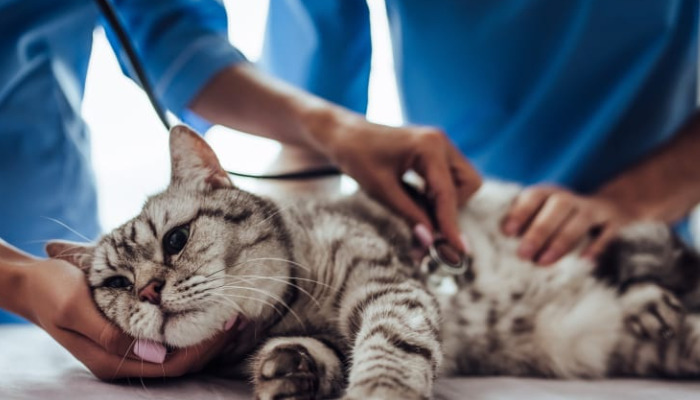
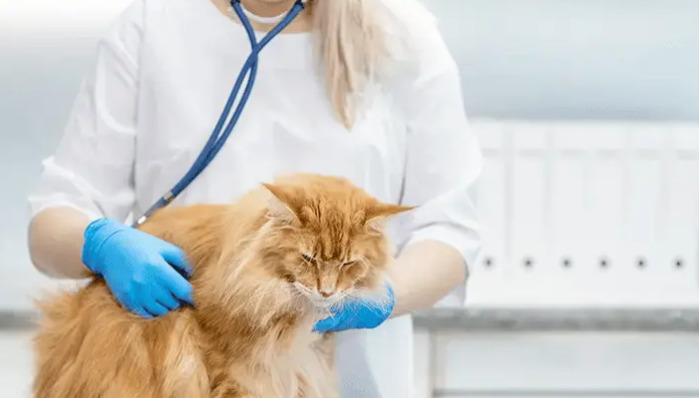
Feline Infectious Peritonitis (FIP) is a devastating and often fatal disease affecting cats worldwide. Caused by certain strains of the feline coronavirus (FCoV), FIP develops when the virus mutates and gains the ability to infect macrophages, leading to widespread inflammation within multiple organ systems. This condition primarily affects young and immunocompromised cats, presenting a significant challenge for veterinarians and pet owners due to its complex pathology and limited treatment options.
Understanding FIP: Causes, Symptoms, and Impact
FIP is classified into two main forms: wet (effusive) and dry (noneffusive). The wet form, characterized by accumulation of fluid in the abdominal or chest cavities, often presents with swelling, difficulty breathing, and lethargy. The dry form features granulomatous lesions in various tissues, affecting organs such as the liver, kidneys, eyes, and nervous system. Symptoms include fever unresponsive to antibiotics, weight loss, neurological signs, ocular abnormalities, and general malaise.
Historically, FIP was considered almost universally fatal, with limited options available for treatment. Supportive care could prolong life but seldom offered a cure. Recent advancements, however, have shifted this paradigm, introducing antiviral therapies capable of effectively managing and potentially curing the disease.
Emergence of NeoFipronis as a Breakthrough Treatment
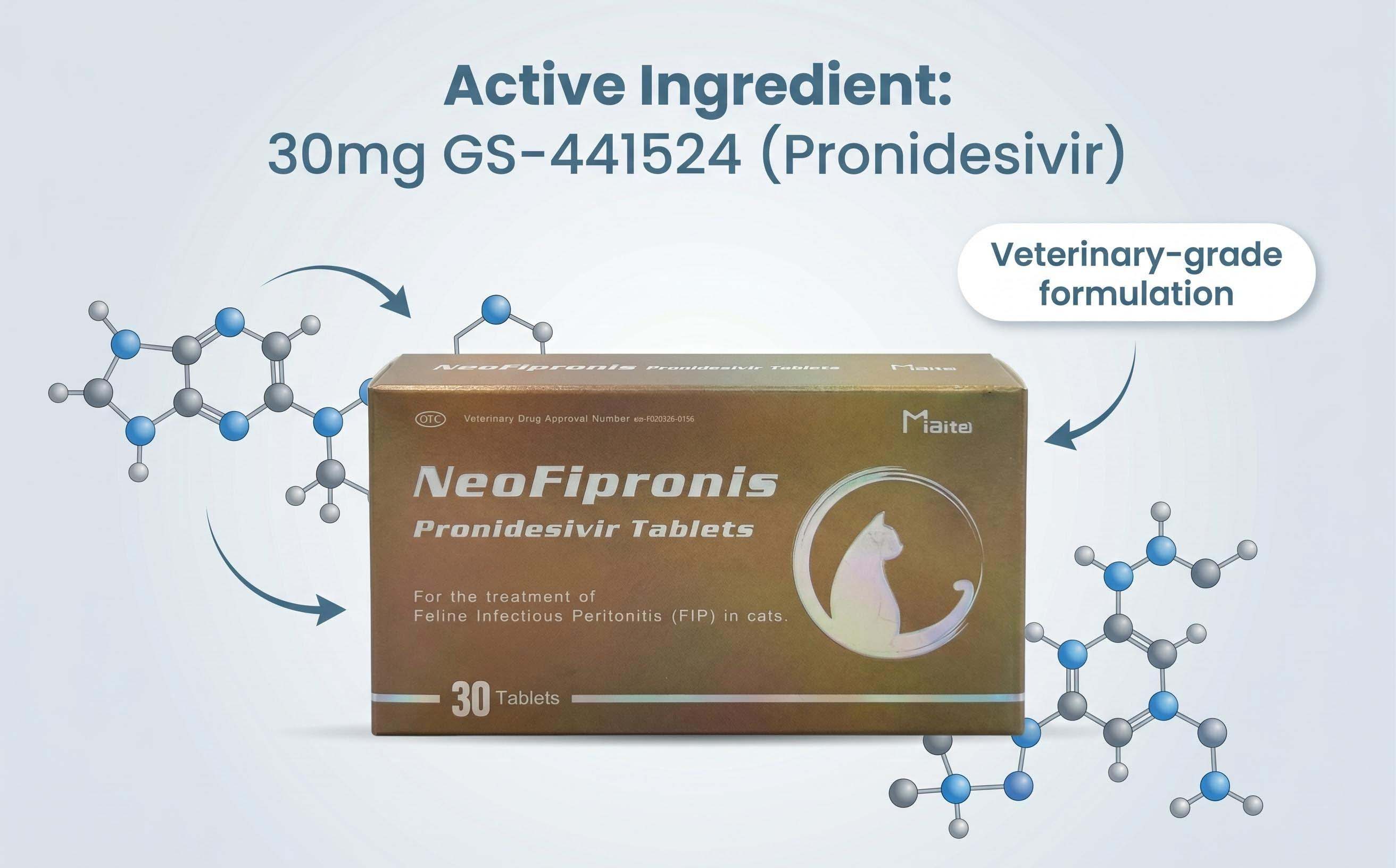
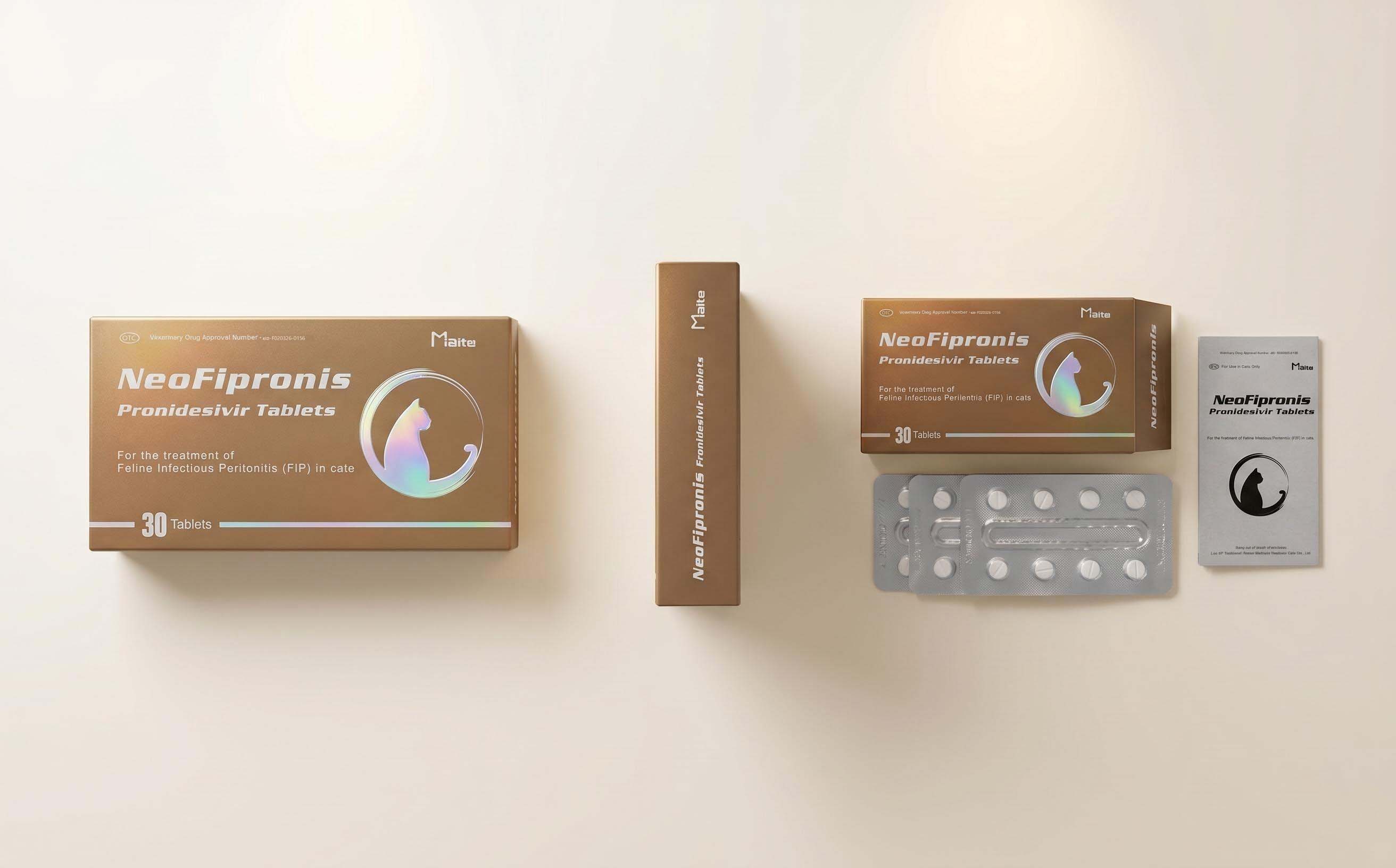
One of the most significant developments in FIP management is the advent of NeoFipronis (Pronidesivir). Approved in March 2026 by the Lao Ministry of Agriculture and Forestry (MAF), NeoFipronis is recognized as the world's first officially sanctioned oral medication specifically formulated for FIP. The official drug registration number underscores its legitimacy and regulatory approval, providing a new beacon of hope for feline health.
Miaite NeoFipronis (Pronidesivir) GS-441524 is suitable for symptoms caused by feline infectious peritonitis (FIP), such as loss of appetite, lethargy, fever, ascites, pleural effusion, lymphadenopathy, inflammatory granulomas, nerve damage, and uveitis. It has excellent therapeutic effects on FIP. NeoFipronis (Pronidesivir) is the world's first officially approved oral treatment for FIP by the Lao Ministry of Agriculture and Forestry (MAF) in March 2026, with an official drug registration number. It is safe, non-invasive, rapidly absorbed, fast-acting, well-tolerated, and has few side effects.
Mechanism of Action and Therapeutic Benefits
NeoFipronis primarily functions as a nucleoside analog that inhibits viral RNA-dependent RNA polymerase, essential for coronavirus replication. By targeting this enzyme, the drug impedes the virus's ability to multiply within host cells, effectively halting disease progression. This mechanism not only offers potent antiviral activity but also minimizes collateral damage to the host’s tissues.
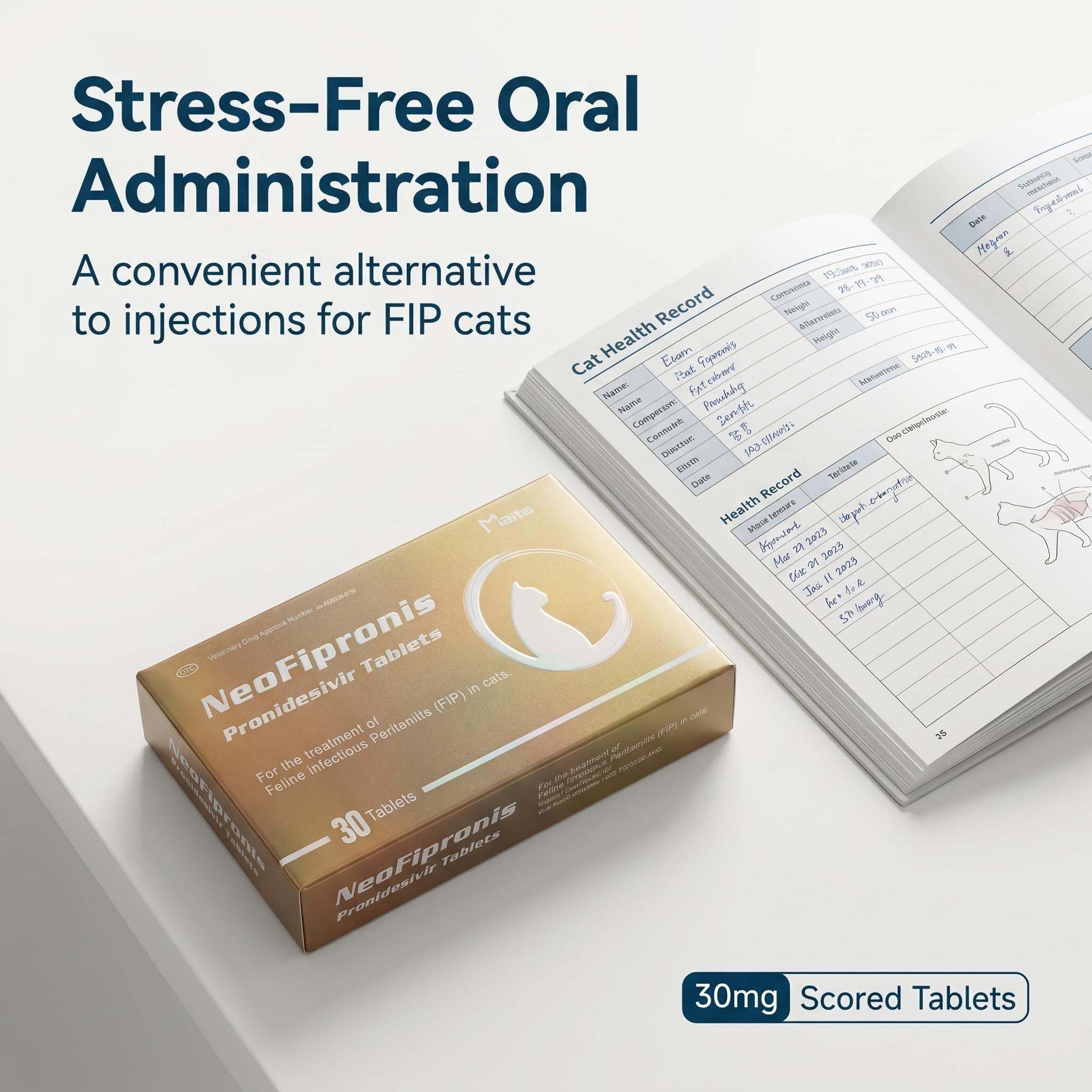
The rapid absorption of NeoFipronis ensures quick onset of action, which is crucial in managing the aggressive inflammatory response associated with FIP. Its well-tolerated profile means that cats experience minimal adverse effects, making it suitable for long-term use if necessary. Its oral administration simplifies treatment protocols, reducing the need for invasive injections and increasing compliance among pet owners.
Treatment Protocols and Efficacy
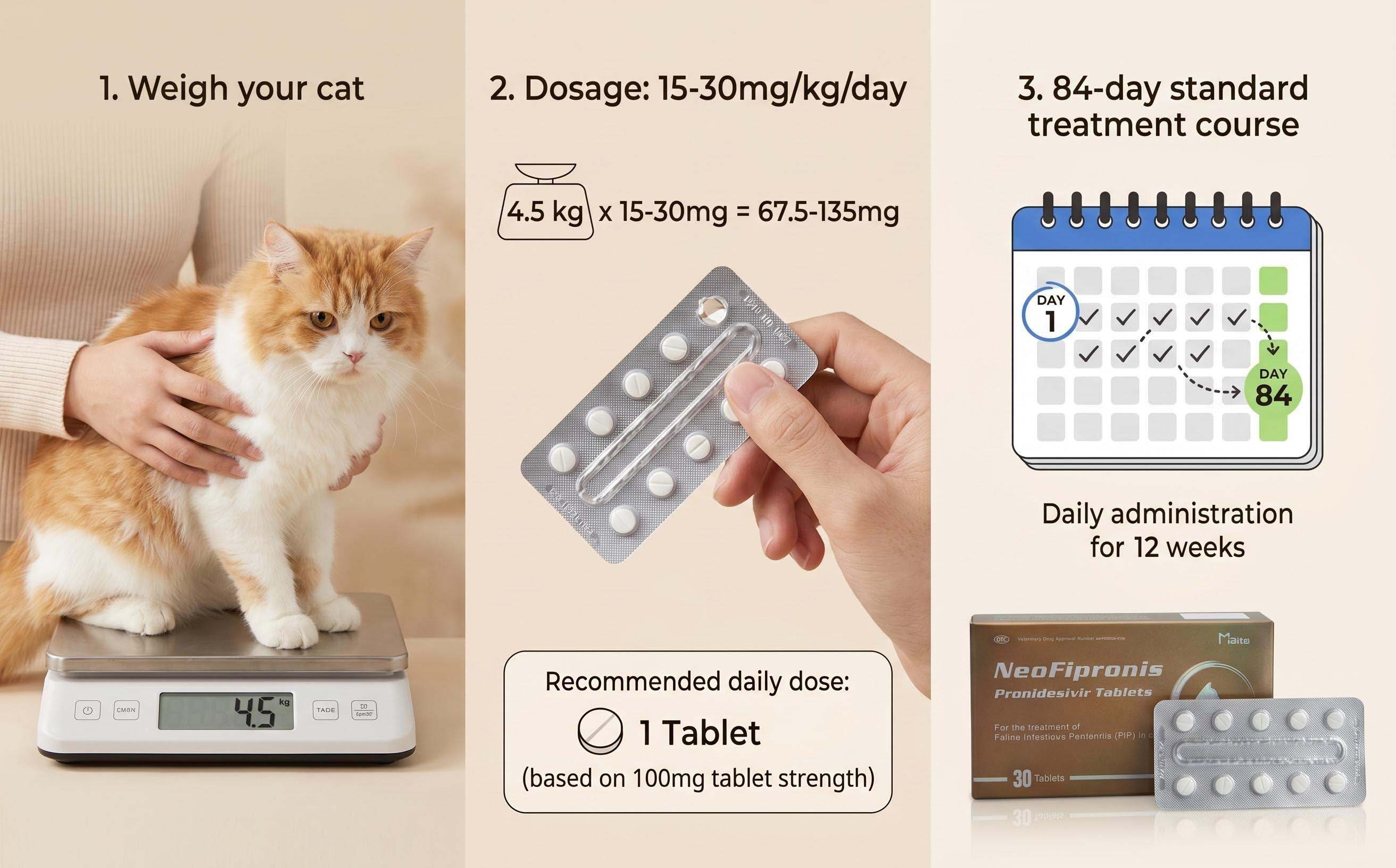
The recommended dosage and treatment duration depend on the severity of the disease and individual cat response. Typically, an initial high dose is administered to reduce viral load effectively, followed by a maintenance dose aimed at preventing relapse. Clinical trials and field reports have demonstrated impressive remission rates, with many cats showing significant improvement within days to weeks of starting therapy.
Cats treated with NeoFipronis often exhibit increased appetite, normalization of body temperature, reduction in fluid accumulation, and resolution of granulomatous lesions. Neurological and ocular symptoms associated with FIP have also shown substantial improvement, emphasizing the drug’s versatility.
Safety and Side Effect Profile
Despite its potent antiviral activity, NeoFipronis maintains a favorable safety profile. Common side effects are rare but may include mild gastrointestinal disturbances such as nausea or diarrhea. The drug’s non-invasive oral formulation reduces stress associated with injectable treatments. Veterinary oversight ensures that any adverse reactions are swiftly managed, further supporting its suitability in diverse clinical settings.
Future Outlook and Importance
The approval of NeoFipronis marks a major milestone in feline medicine. It provides a validated, accessible, and effective treatment option that has transformed FIP from an almost invariably fatal disease into a manageable condition. Ongoing research continues to optimize treatment protocols and explore the full spectrum of its benefits, including potential preventative measures.
With this new therapeutic tool, veterinarians and pet owners can approach FIP with renewed optimism. The drug’s rapid absorption, high efficacy, safety, and ease of administration make it a game-changer, potentially saving countless feline lives and improving quality of life for affected cats.
Conclusion
NeoFipronis (Pronidesivir) stands as a groundbreaking development in the fight against FIP. By directly inhibiting viral replication, it offers an effective, safe, and convenient treatment modality for one of the most challenging feline diseases. As research advances and more data become available, NeoFipronis is poised to become the standard of care for FIP, transforming prognosis and opening up new horizons for feline health.
References
"Feline Infectious Peritonitis: Pathogenesis and Treatment," Veterinary Medicine Journal
"Advances in FIP Treatment: The Role of Pronidesivir," Journal of Feline Medicine
"NeoFipronis: First Approved Oral Treatment for FIP," International Veterinary Pharmacology Review
"Clinical Trials of NeoFipronis in Feline FIP Cases," Veterinary Therapeutics
"Regulatory Approval and Safety Profile of NeoFipronis," Lao Ministry of Agriculture and Forestry Reports