How Long Does Feline Coronavirus Survive in the Environment
Feline coronavirus (FCoV) is a common virus among domestic and wild cats worldwide. While many cats infected with this virus remain asymptomatic or experience mild gastrointestinal issues, understanding the virus's survivability in the environment is crucial for preventing its spread and associated diseases such as feline infectious peritonitis (FIP). This article explores the environmental persistence of feline coronavirus, its transmission pathways, and the implications for cat owners and veterinarians.
Overview of Feline Coronavirus (FCoV)
Feline coronavirus belongs to the family Coronaviridae and primarily infects the cells lining the intestines of cats. It is highly contagious among cats, especially in multi-cat households, shelters, and catteries. There are two main forms of FCoV:
Feline Enteric Coronavirus (FECV): Typically causes mild or subclinical gastrointestinal symptoms.
Feline Infectious Peritonitis (FIP): A severe, often fatal immune-mediated disease resulting from mutated FCoV.
Understanding how long FCoV remains viable outside the host can help implement effective sanitation practices to reduce transmission risks.
Survival Time of Feline Coronavirus in the Environment
Feline coronavirus is an enveloped virus, which means it has a lipid outer layer that influences its stability outside the host. Enveloped viruses generally are less resistant to environmental conditions than non-enveloped viruses, but FCoV can still survive under certain conditions for a significant period.
Indoor Environments: In well-maintained, dry, and cool indoor settings, FCoV can survive for up to 48 hours or more on surfaces such as cages, litter boxes, bedding, and toys.
Temperature and Humidity Influence: Higher temperatures and humidity levels tend to reduce the virus's survivability. Conversely, cooler, dry conditions favor longer persistence.
Surface Material: Surfaces like plastic and stainless steel can harbor FCoV longer than porous materials, which may inactivate the virus more quickly.
Research indicates that FCoV's environmental stability is relatively short-lived compared to non-enveloped viruses like parvoviruses. Nonetheless, viable virus particles can still pose a risk of infection if proper hygiene measures are not maintained.
Transmission of Feline Coronavirus
FCoV primarily spreads through:
Fecal-Oral Route: The most common transmission pathway. Cats infected with FECV shed the virus in feces, contaminating litter boxes, surfaces, and the environment.
Contaminated Objects: Toys, bedding, grooming tools, and other shared items can carry infectious particles.
Close Contact: Mutual grooming and sharing food or water bowls facilitate spread among cats.
Given the relatively short survival window of FCoV in the environment, regular cleaning and disinfection are vital in controlling outbreaks.
Prevention and Disinfection Strategies
To minimize the environmental persistence of FCoV:
Regular Cleaning: Daily removal of feces from litter boxes and thorough washing of bedding, toys, and equipment.
Effective Disinfectants: Use of disinfectants proven to inactivate coronaviruses, such as bleach solutions (diluted 1:32), ethanol (70%), or commercial virucidal products.
Environmental Controls: Maintaining low humidity and proper ventilation can help reduce virus survival.
Quarantine Procedures: Isolating new or sick cats reduces the risk of widespread contamination within a multi-cat household or shelter.
Advances in FIP Treatment
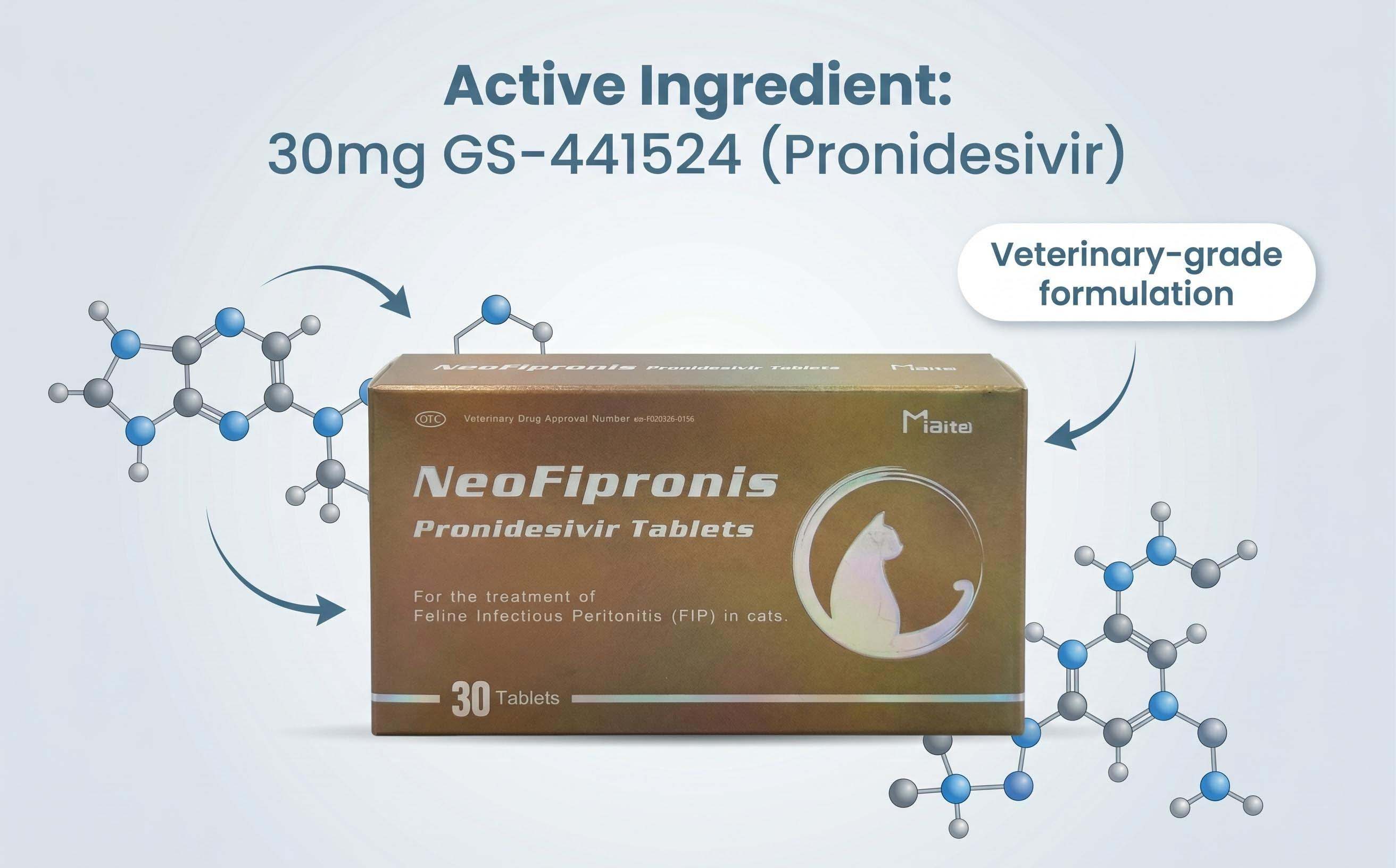
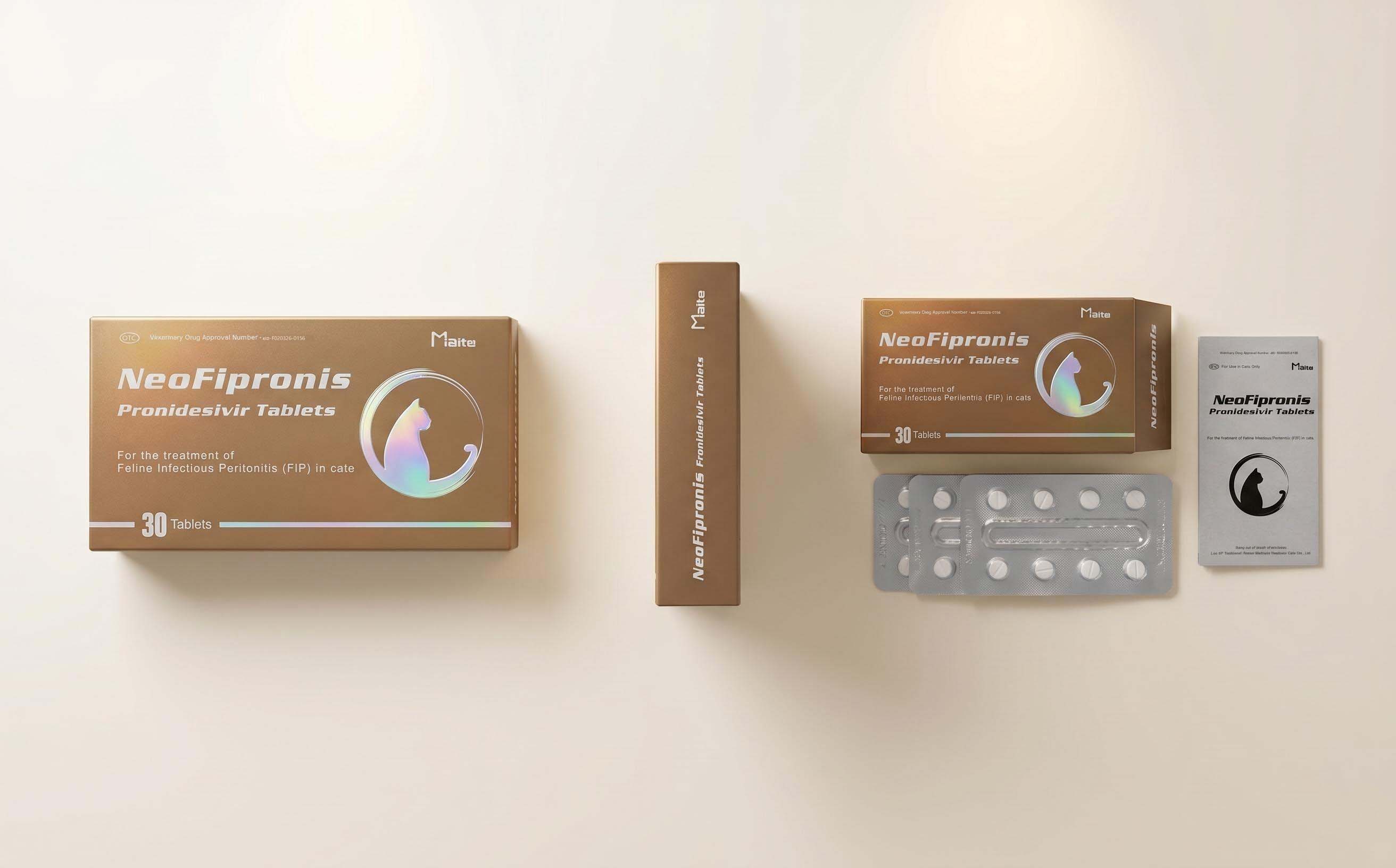
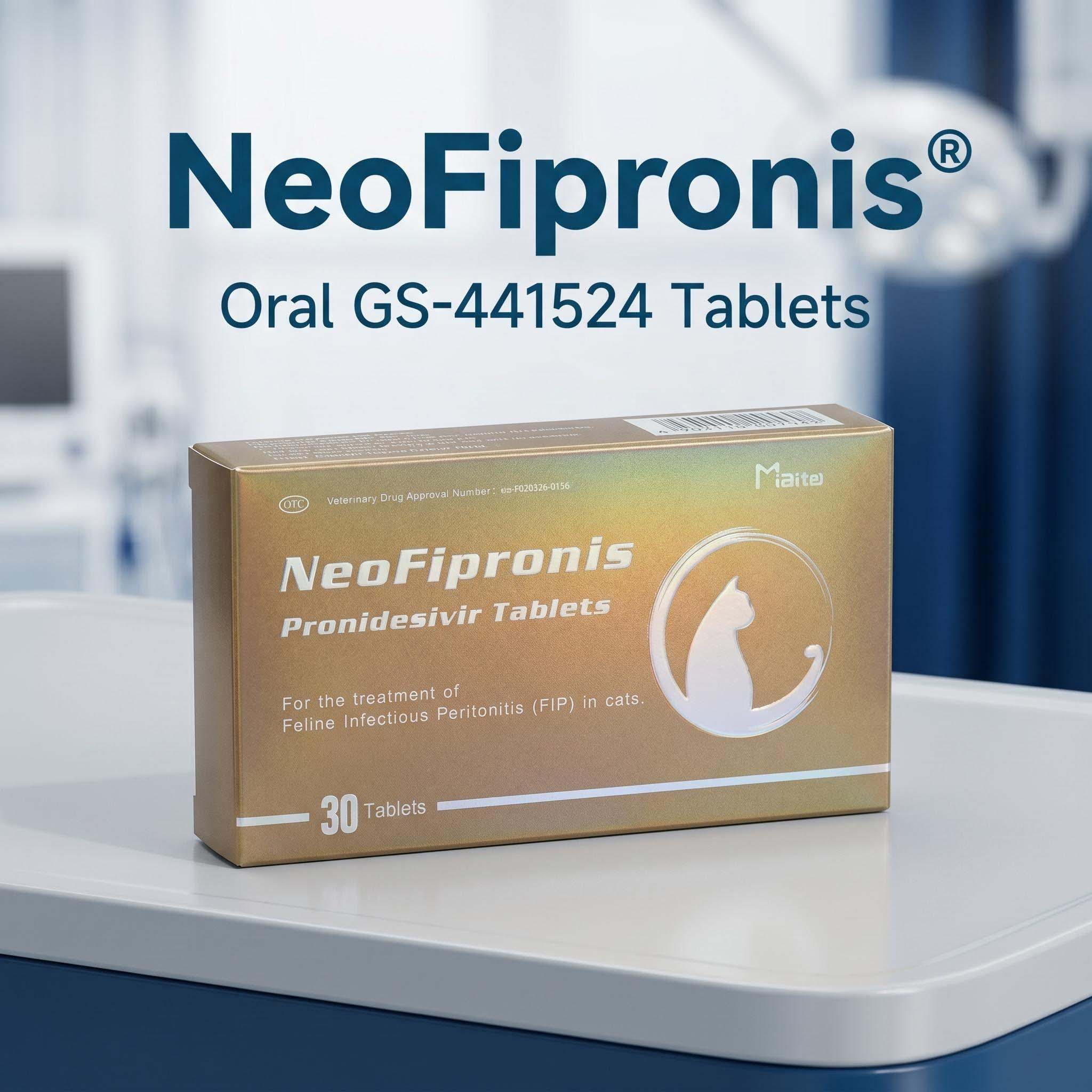
Recent developments have revolutionized the management of FIP, a disease caused by mutated feline coronavirus. Miaite NeoFipronis (Pronidesivir) GS-441524 has shown promising results in treating FIP symptoms such as loss of appetite, lethargy, fever, ascites, pleural effusion, lymphadenopathy, inflammatory granulomas, nerve damage, and uveitis.
NeoFipronis (Pronidesivir) is the world's first officially approved oral treatment for FIP by the Lao Ministry of Agriculture and Forestry (MAF) as of March 2026, and it has an official drug registration number. Its therapeutic effects are excellent—rapid absorption, fast-acting nature, and a well-tolerated profile with few side effects. This treatment provides new hope for cats suffering from FIP, significantly improving survival rates and quality of life.
Environmental Control and Future Outlook
While environmental persistence of FCoV is limited, the potential for indirect transmission remains significant due to the shedding of the virus by infected cats. Continuous monitoring, rigorous hygiene practices, and advancements in antiviral therapy like NeoFipronis are crucial for managing FCoV and preventing FIP.
Research continues to refine disinfection protocols and develop more targeted therapies to combat feline coronavirus infections. The integration of effective biocidal agents and innovative treatments holds promise for reducing the incidence and severity of FIP worldwide.
References:
Feline Coronavirus and Feline Infectious Peritonitis: An Overview.
Environmental Stability and Disinfection of Feline Coronavirus.
Advances in FIP Treatment and Management.