NeoFipronis (Pronidesivir) Indications and Dosage Instructions
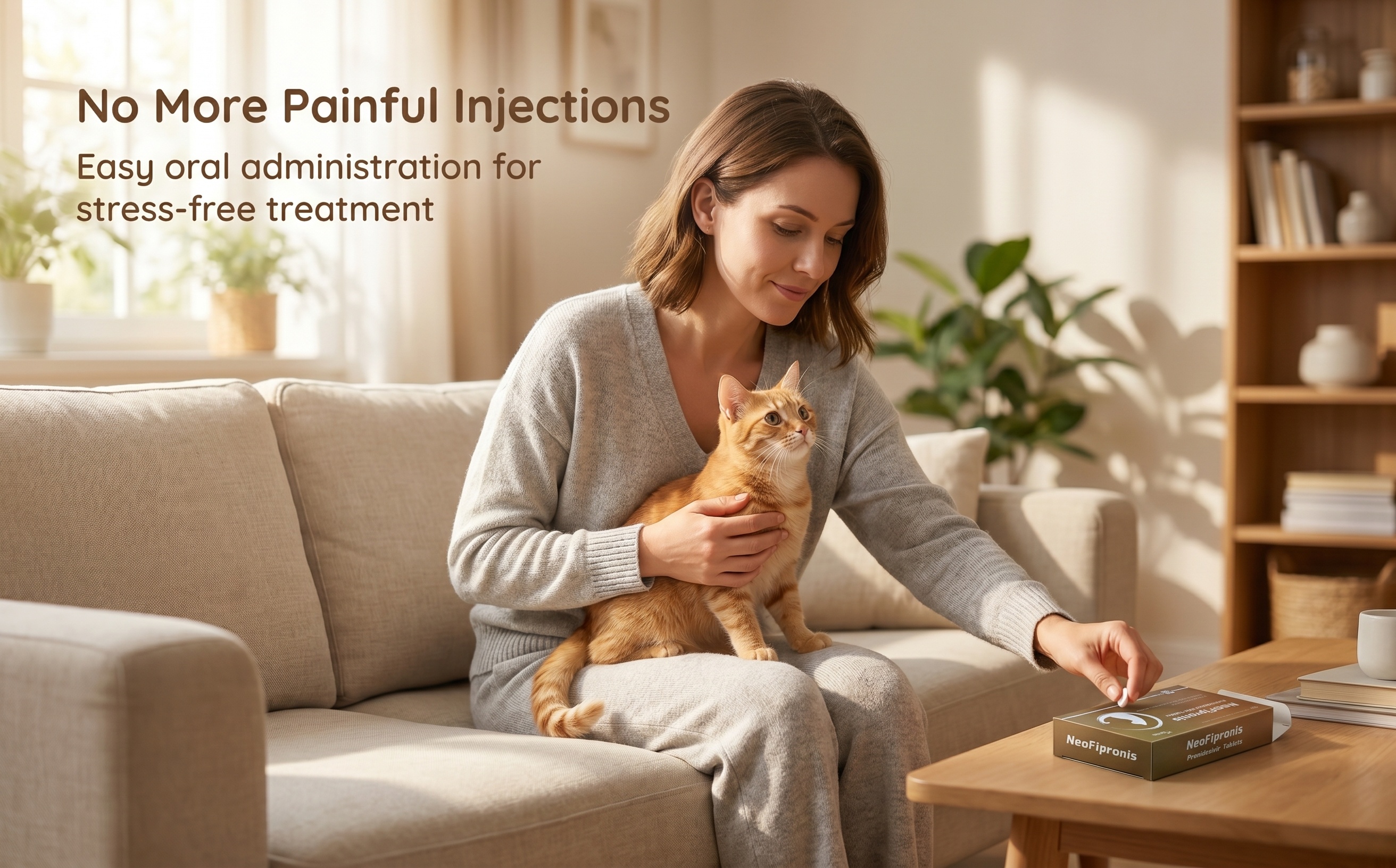
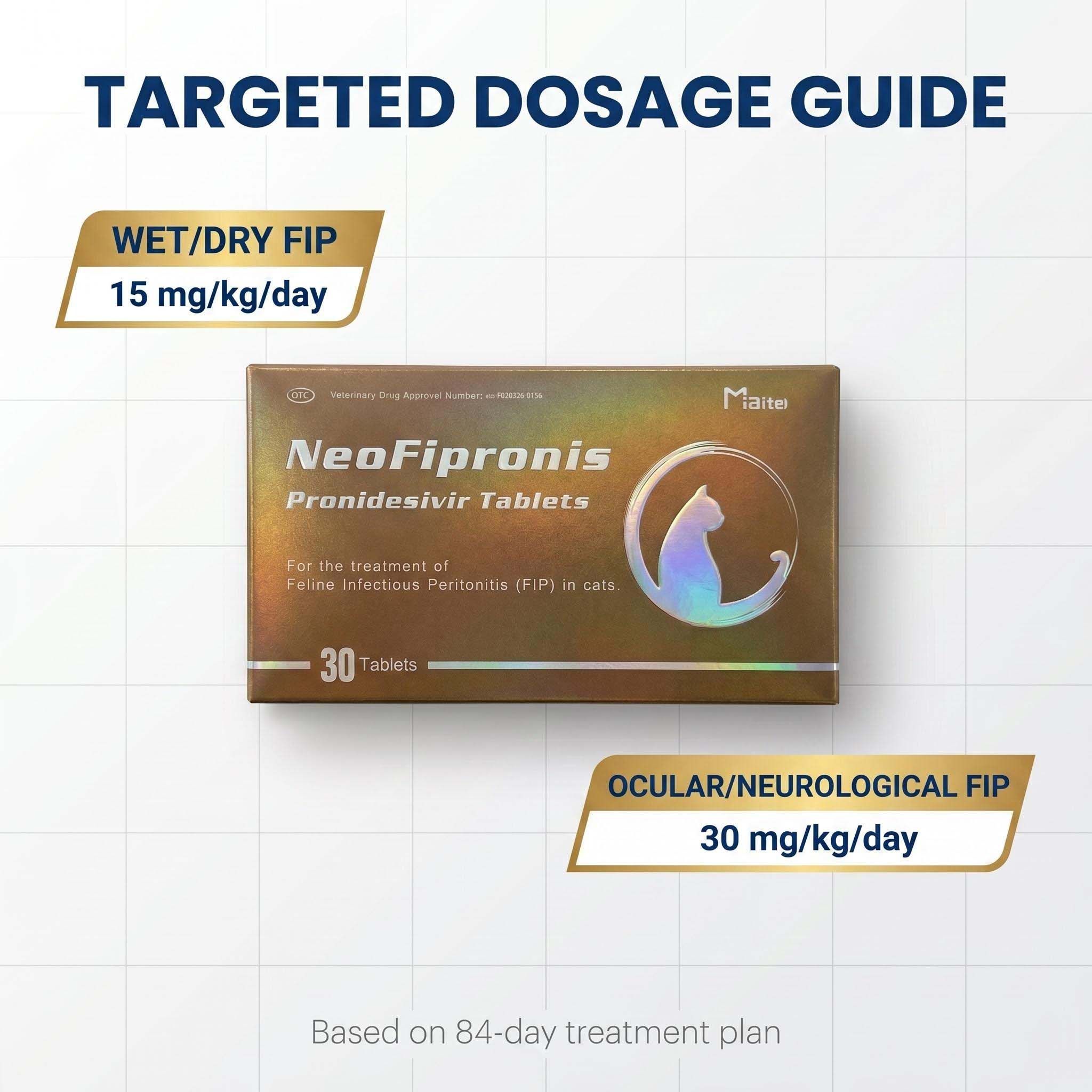
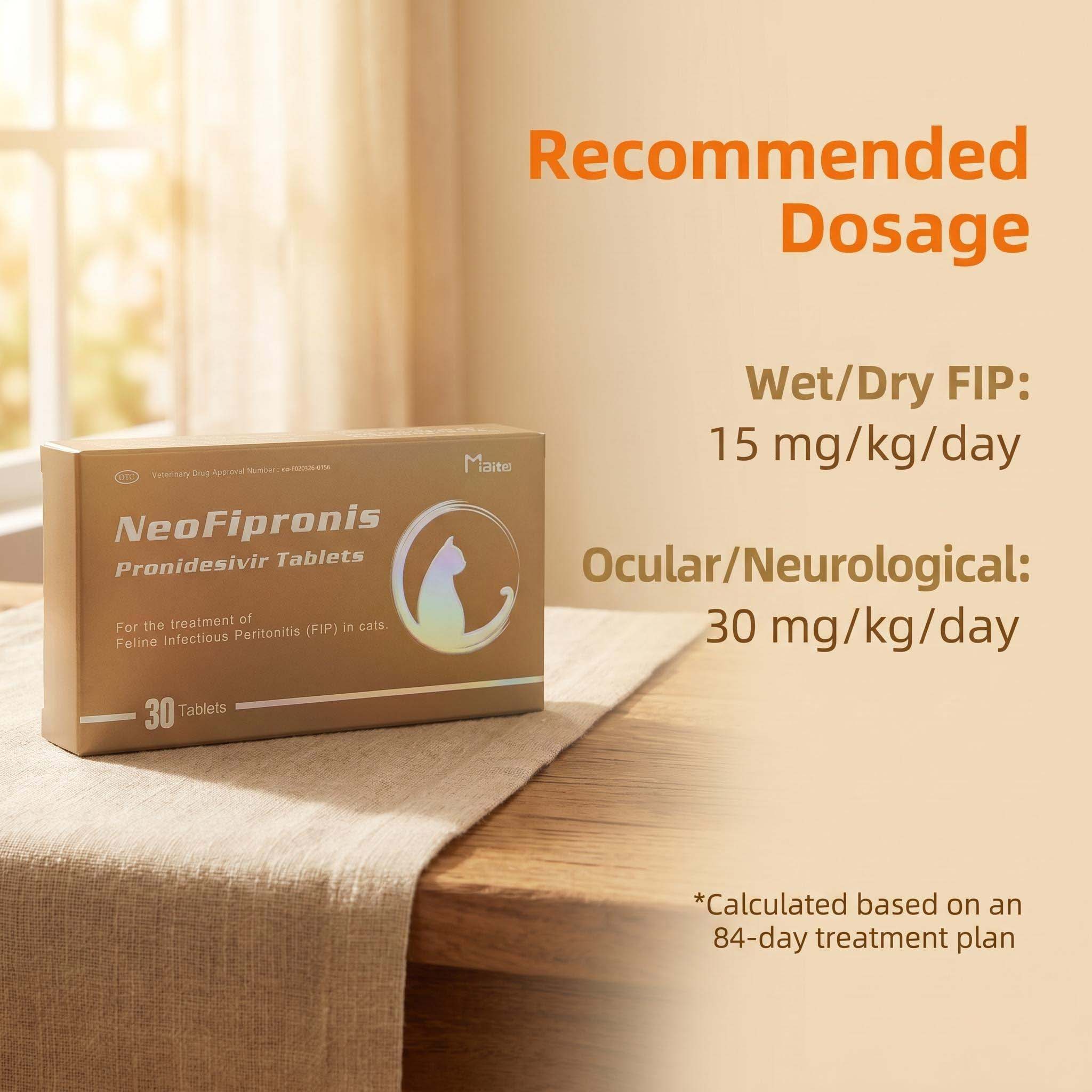
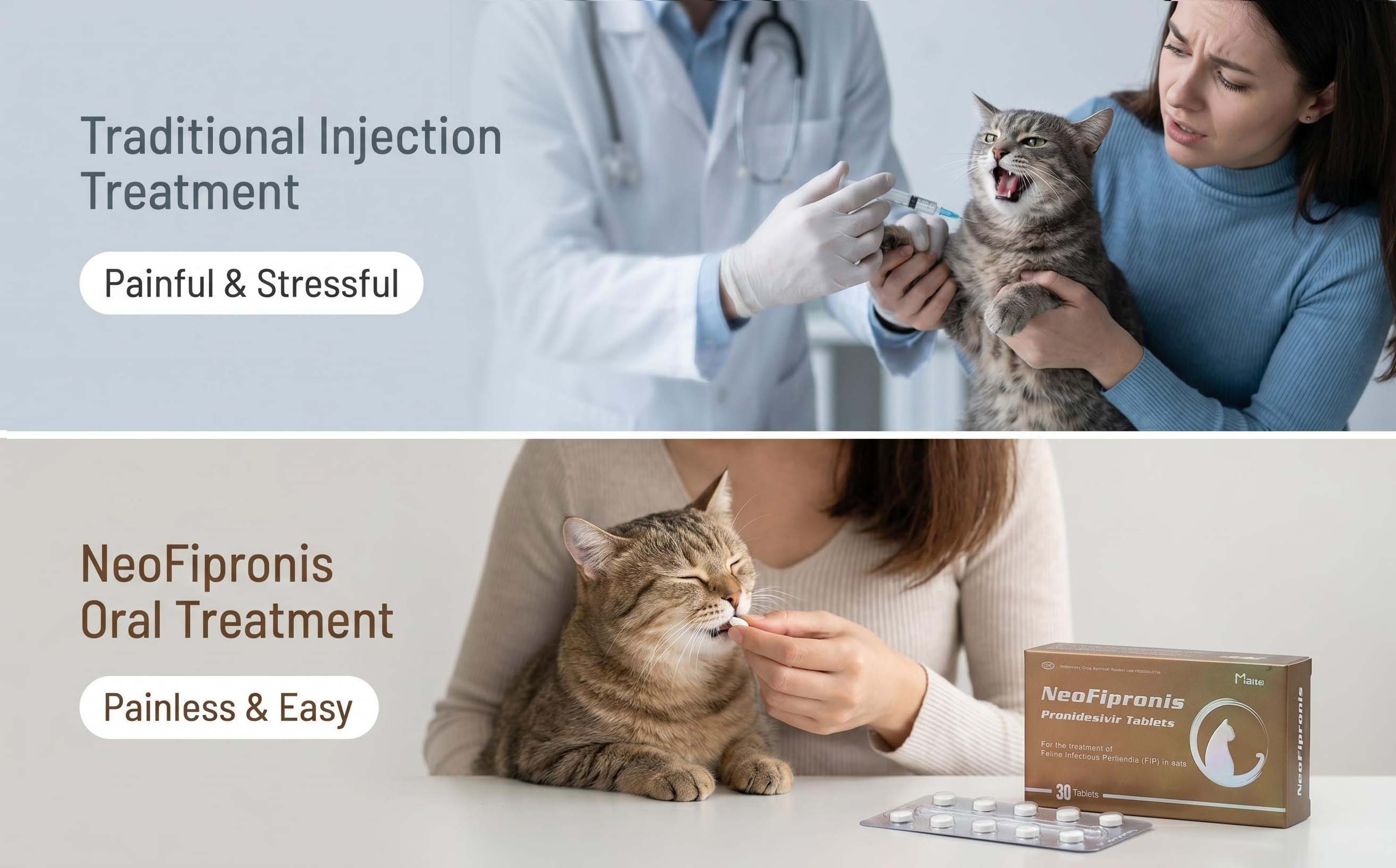
NeoFipronis (Pronidesivir) is an oral FIP treatment for cats with feline infectious peritonitis, a serious and often fatal disease caused by feline coronavirus mutation. The active ingredient, GS-441524, is widely recognized in veterinary practice for its strong antiviral activity against FIP. According to product information, NeoFipronis was officially registered in Laos and is marketed as a convenient oral option for cats needing fast, reliable support against FIP-related clinical signs such as poor appetite, lethargy, fever, abdominal effusion, pleural effusion, enlarged lymph nodes, inflammatory granulomas, neurologic signs, and uveitis.
Key Indications for FIP Cats
NeoFipronis (Pronidesivir) is intended for cats diagnosed with or strongly suspected of having FIP, including wet FIP, dry FIP, ocular FIP, and neurologic FIP. Many owners seek treatment when their cat shows persistent fever, weight loss, reduced energy, abdominal swelling, difficulty breathing, eye inflammation, or signs of nerve involvement such as wobbliness, seizures, or abnormal posture. Because FIP can progress quickly, early treatment is important. Oral GS-441524 therapy offers a noninvasive approach that is easier to administer at home and may be better tolerated by many cats.
Dosage Instructions and Administration
The standard dosage is based on body weight. For most FIP cases, give 15 mg per kilogram of body weight once daily, which is equivalent to half a tablet per kilogram if using the product form described by the manufacturer. For neurologic FIP or ocular FIP, the dose may need to be increased to 30 mg per kilogram daily under veterinary direction.
NeoFipronis should be given once daily, preferably on an empty stomach, either one hour before feeding or two hours after a meal, to support consistent absorption. Dose accuracy matters, so weigh the cat carefully and follow the prescribed schedule exactly. Missing doses may reduce treatment effectiveness and slow recovery.
Treatment Duration and Monitoring
Treatment should continue for no less than 12 weeks without interruption. Cats receiving NeoFipronis should be monitored closely during therapy. Watch for improvements in appetite, body temperature, activity level, breathing, abdominal distension, and eye or neurologic symptoms. Regular blood tests are recommended to check liver and kidney function, as well as overall response to treatment. Ongoing veterinary supervision helps ensure the dose remains appropriate and the cat is recovering safely.
Safety, Precautions, and Purchase Guidance
NeoFipronis is labeled for cats only and must never be used in humans. Although it is described as an over-the-counter product, veterinary guidance is strongly recommended before and during use. Side effects are reported to be relatively uncommon, and many cats tolerate oral GS-441524 well. To help ensure product quality and authenticity, purchase only through the official NeoFipronis website or authorized channels.
NeoFipronis (Pronidesivir) provides a practical, oral GS-441524 option for cats affected by feline infectious peritonitis, with clear dosing guidance for standard, ocular, and neurologic cases.