What Feeding Habits May Help Lower FIP Risk
Feline Infectious Peritonitis (FIP) is a devastating disease that affects cats worldwide. Caused by a mutation in the feline coronavirus, FIP primarily strikes young cats and those in multi-cat environments. While the exact mechanisms of FIP development remain partially unclear, research points toward a variety of risk factors, including genetics, environment, and immune system status. Nutrition and feeding habits also play a critical role in determining a cat’s susceptibility to this disease. Understanding how diet and feeding strategies can bolster a cat's immune system and overall health may offer a proactive way to reduce FIP risk. This article explores evidence-based feeding habits that may help lower the risk of FIP in cats, drawing from recent research and the advice of veterinary professionals.
Understanding FIP and the Role of Immunity
Before diving into specific feeding habits, it is important to highlight the unique nature of FIP. FIP develops when the common feline coronavirus mutates within the cat’s body and evades normal immune defenses, leading to severe inflammatory responses. Not all exposed cats develop FIP; those with robust immune health tend to resist the disease even if exposed to the virus. This underscores the importance of supporting the immune system through proper diet, as nutrition forms the cornerstone of immune resilience.
Optimal Diet Composition for Immune Health
A cat’s natural diet consists primarily of protein, as cats are obligate carnivores. High-quality animal proteins, such as chicken, turkey, fish, and beef, provide essential amino acids that support tissue repair and immune function. When choosing commercial cat food, look for brands that list named animal proteins as the first ingredient and avoid those with excessive fillers or plant-based proteins.
Cats require certain nutrients uniquely, such as taurine, arginine, and Vitamin A, which they cannot synthesize from plant-based sources. Diets deficient in any of these nutrients can compromise immune function, making cats more vulnerable to infections such as FIP. Wet food, raw food, and well-balanced homemade diets can also offer benefits but should be formulated with veterinary guidance to ensure completeness.
Importance of Dietary Variety
Offering cats a variety of foods can help ensure a broad intake of essential nutrients and prevent deficiencies. Rotating among different reputable brands, protein sources, and formats (wet, dry, raw, or freeze-dried) can reduce the risk of overexposure to certain additives or contaminants and keep cats interested in their meals.
Variety is particularly important for kittens and young cats, as early-life nutrition plays a pivotal role in immune development. Studies highlight that nutrient-dense diets in kittens support gut microbiome diversity, which strengthens local immunity in the digestive tract—a key point of entry for FIP-associated viruses.
Feeding Frequency and Portion Control
How often and how much a cat eats can impact health and immunity. Overfeeding, underfeeding, and irregular feeding times have all been linked to metabolic issues and stress, both of which can impair immune function. Cats typically thrive on multiple small meals spaced throughout the day, which more closely mimic their natural hunting and eating patterns.
Portion control is essential for maintaining a healthy weight. Obesity can suppress immune responses and increase inflammatory processes, both detrimental when trying to fend off viral threats. Accurate feeding according to body weight and activity level, paired with regular monitoring, helps protect against weight-related health problems.
Hydration and Its Connection with Immune Health
Adequate hydration is crucial for every aspect of feline health. Cats that eat primarily dry food may consume less water, which can raise the risk of urinary tract and kidney issues. These chronic health problems can further strain the immune system. Encouraging water intake is best achieved by providing fresh water in multiple locations, using fountains, or opting for wet food that is naturally higher in moisture.
Dehydration can slow cellular metabolism and impair the body’s ability to fight infection. For high-risk cats—such as those living in shelters or catteries—the combination of wet food and supplemental water sources ensure hydration supports systemic immunity against viral challenges like FIP.
Probiotics, Prebiotics, and Gut Health
A growing body of research links gut health and immune function in cats. The digestive tract is home to billions of bacteria that interact with and regulate immune cells. A balanced gut microbiome can help the body recognize and neutralize pathogens before they trigger systemic disease.
Probiotics and prebiotics are specific nutrients that support beneficial gut bacteria. Commercial foods with added probiotics, or supplements containing strains like Enterococcus faecium, can help maintain healthy intestinal flora. Prebiotic fibers, such as inulin or FOS, encourage growth of these bacteria. Cats fed diets rich in these ingredients typically exhibit better resistance to enteric infections and inflammation, both potential precursors to FIP development.
Reducing Stress at Feeding Times
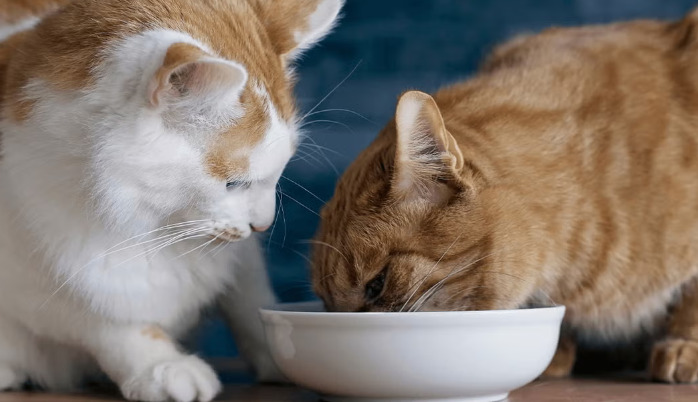
High-stress environments have been linked to increased FIP risk, likely by suppressing immune responses. Mealtimes can become a source of anxiety in multi-cat households, especially if cats compete for food or are unsure when they will next eat. Feeding cats in separate, quiet areas lowers stress and protects immune function.
For particularly anxious cats, feeding puzzle toys, slow feeders, or hiding portions of food can make eating more enjoyable while mentally stimulating the animal. These techniques mimic natural hunting behaviors and provide environmental enrichment, both protective against the physiological stress linked with illness.
Avoiding Unsafe Foods and Contaminants
Some foods and additives can suppress immune function or introduce toxins that weaken the body’s defenses. Cats should never consume onions, garlic, grapes, chocolate, or foods with excess salt or preservatives. These ingredients disturb metabolism and may trigger inflammatory or toxic reactions.
Care should also be taken with raw diets, as improper preparation can expose cats to bacteria such as Salmonella or E. coli. Home-cooked foods must be thoroughly cooked and formulated by a veterinary nutritionist to decrease infection risk while ensuring dietary balance.
Special Considerations for High-Risk Cats
Some cats, such as those that are genetically predisposed, immunocompromised, or living in dense populations, may need specialized feeding strategies. These might include immune-boosting supplements like omega-3 fatty acids, vitamin E, or specific antioxidants—always vetted by a veterinarian. The newer field of nutrigenomics continues to explore how targeted nutrients can protect genes and cells from the kinds of mutation events that cause FIP.
Kittens and senior cats, likewise, require diets tailored to their life stages for optimal immune health. Feeding schedules, nutrient density, and access to fresh water all need to be individually managed.
Food Storage and Hygiene
Proper food storage and hygiene can help prevent the ingestion of spoiled or contaminated food, which may introduce harmful pathogens. Dry food should be stored in air-tight containers away from heat and moisture, while wet food must be refrigerated after opening and discarded if not consumed promptly.
Feeding bowls should be cleaned regularly with hot water and soap, and feeding stations should be kept free of debris or residual food. These steps decrease the risk of bacterial and viral transmission in group-housed cats.
Implications for Breeders and Shelters
In environments with large numbers of cats—such as shelters or breeding facilities—diet and feed management become even more crucial. Group feeding increases the chance of viral spread, so individualized feeding schedules, proper bowl sanitation, and nutritional oversight are paramount. Regular monitoring for signs of gastrointestinal distress or immune suppression allows for timely dietary intervention.
Staff should receive training on feline nutritional needs, basic food safety, and recognition of symptoms associated with FIP. These protocols not only benefit overall health but can proactively lower institutional FIP rates.
Emerging Research on Nutritional Immunology in Cats
Recent advances in feline nutritional immunology suggest that food can play a direct role in gene expression related to immune defenses. Foods rich in certain amino acids, antioxidants, and micronutrients appear to regulate cellular responses against coronaviruses. Nutritional supplements, such as beta-glucans, may enhance macrophage activity (the cells that destroy viruses), while adaptive ingredients like colostrum support both innate and acquired immune resistance.
Although most findings are preliminary, ongoing studies are expected to clarify which dietary factors most powerfully guard against FIP. Until then, a well-balanced, varied, and species-appropriate diet remains the foundation of feline disease prevention.
References
1. Pedersen, NC. (2009). A review of feline infectious peritonitis virus infection: 1963–2008. Journal of Feline Medicine and Surgery, 11(4), 225–258.
2. Lappin, MR. (2020). Nutritional management of cats with infectious diseases. Veterinary Clinics: Small Animal Practice, 50(2), 251–263.
3. Benson, K., & Wroblewski, K. (2017). Immune system modulation by diet in cats: Implications for disease risk. The Veterinary Journal, 227, 43–49.
4. Dodd, SA., & Cave, NJ. (2013). Probiotic and prebiotic supplementation in cats—its use and possible benefits. Veterinary Focus, 23(3), 30–33.
5. Hill, RC. (2017). The importance of dietary protein in feline nutrition and immune health. Compendium, 39(10), e1–e6.
6. Little, S. (2011). Feline infectious diseases: Nutrition and immunity. In: The Cat: Clinical Medicine and Management (pp. 361–378). Saunders.
7. Levy, JK., & Crawford, PC. (2016). Infectious disease management in animal shelters. Veterinary Clinics: Small Animal Practice, 46(2), 217–227.
8. Scherk, MA., & Laflamme, D. (2018). The role of nutrition in immunity: A review for the veterinary professional. Clinical Nutrition Small Animals, 2(1), 14–21.
9. Gourkow, N., et al. (2013). The behavioral benefits of feeding enrichment for cats in shelters. Journal of Applied Animal Welfare Science, 16(2), 123–133.
10. Sparkes, AH. (2016). Feline infectious peritonitis: New perspectives on prevention and nutrition. Companion Animal, 21(9), 462–468.