What Every Cat Owner Should Know About the FIP Treatment Process
Introduction to Feline Infectious Peritonitis (FIP)
Feline Infectious Peritonitis (FIP) stands as one of the most complex and heartbreaking feline diseases encountered by cat owners and veterinarians alike. Caused by mutation of the feline coronavirus, FIP predominantly affects young cats and those in multi-cat environments. Awareness and understanding of both the disease and its treatment options are essential to caring for affected pets. Recognizing symptoms, navigating the diagnostic maze, and grasping the intricacies of cutting-edge treatment modalities are vital for pet owners pursuing the most effective care.
Understanding the Disease: Causes and Transmission
FIP results from a mutated strain of feline coronavirus (FCoV), which is common in cats but typically does not cause serious illness. While many cats may carry FCoV in their digestive tract, only a small percentage will experience the dangerous mutation leading to FIP. Transmission usually occurs via the fecal-oral route, often in environments with dense cat populations such as shelters, catteries, or multi-pet households. Stress, genetics, and immune system factors play roles in predisposing some cats to develop FIP.
Types of FIP: Wet vs. Dry Forms
FIP presents itself in two main forms: effusive (wet) and non-effusive (dry). The wet form is characterized by the accumulation of fluid in body cavities, including the abdomen or chest, making it easier to detect but more rapidly fatal. The dry form, on the other hand, manifests as granulomas in organs, leading to symptoms like weight loss, fever, neurological issues, and eye inflammation. Knowing which form your cat has is critical in predicting the disease course and guiding treatment.
Recognizing Symptoms: Early Intervention Matters
Being familiar with FIP symptoms enables quicker action and can improve the prognosis. Key signs commonly reported by cat owners include:
Persistent fever unresponsive to antibiotics
Lethargy and depression
Loss of appetite and progressive weight loss
Accumulation of fluid causing a distended abdomen or labored breathing
Neurological symptoms in some cases (tremors, uncoordinated movements)
Eye inflammation or visual disturbances
Cats may present with vague or intermittent clinical signs, especially with the dry form, which often delays diagnosis.
Diagnosis: The Challenge and Methods
Diagnosing FIP poses significant challenges, as there is no single test with 100% accuracy. Veterinary professionals rely on a combination of the following:
Medical history and clinical signs
Blood tests showing high protein levels, low albumin/globulin ratios
Fluid analysis of abdominal/thoracic effusions
Polymerase Chain Reaction (PCR) testing for FCoV RNA
Immunohistochemistry on tissue samples
Often, diagnosis involves ruling out other common illnesses, and in advanced cases, detection of coronavirus antigen within macrophages in effusions or tissues provides strong evidence of FIP.
The Revolution in FIP Treatment: GS-441524
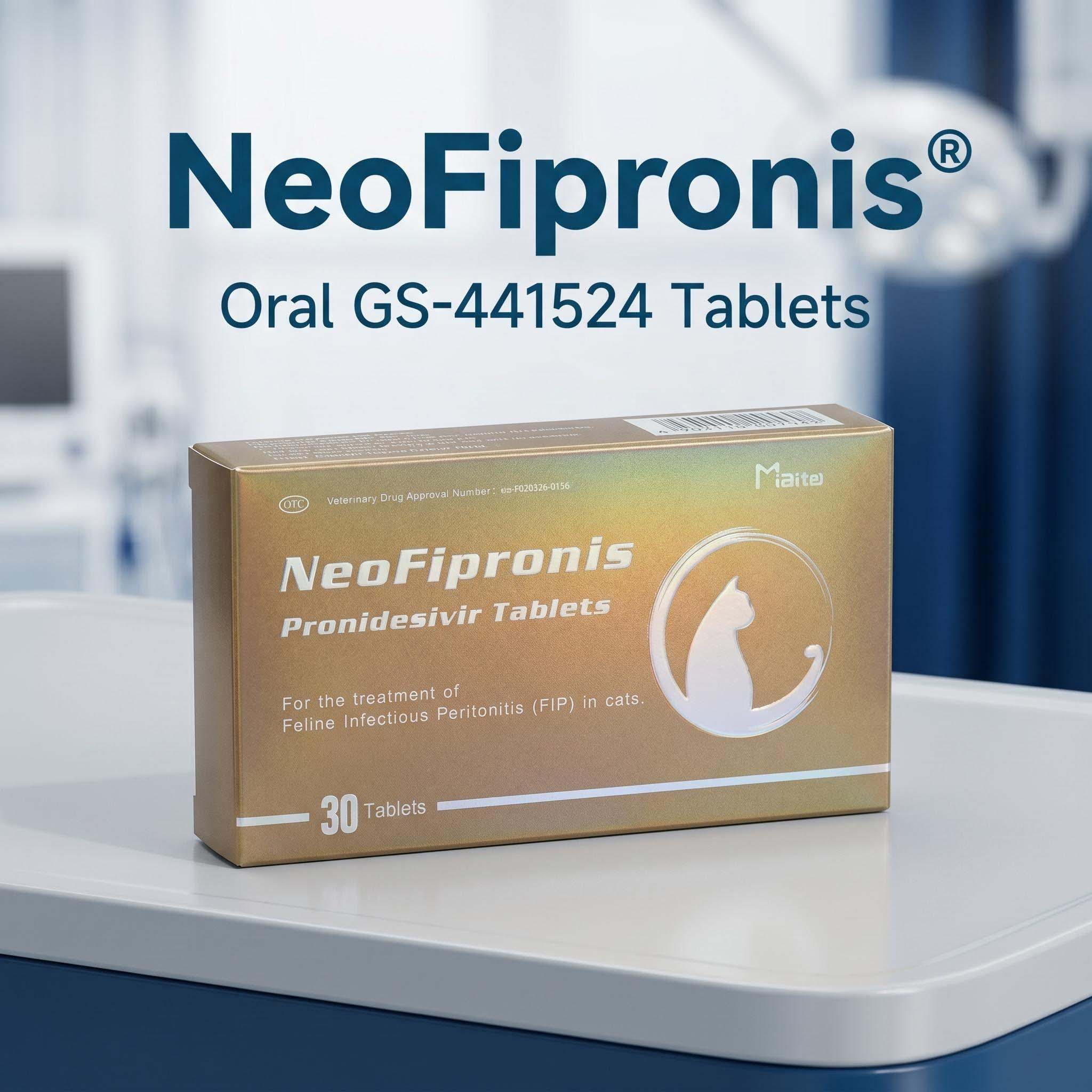
For decades, FIP was regarded as an inevitably fatal disease, managed only with palliative care. In recent years, however, the emergence of antiviral drugs—especially GS-441524—has revolutionized the treatment landscape. GS-441524, a nucleoside analog, inhibits viral replication and has shown remarkable success in clinical studies.
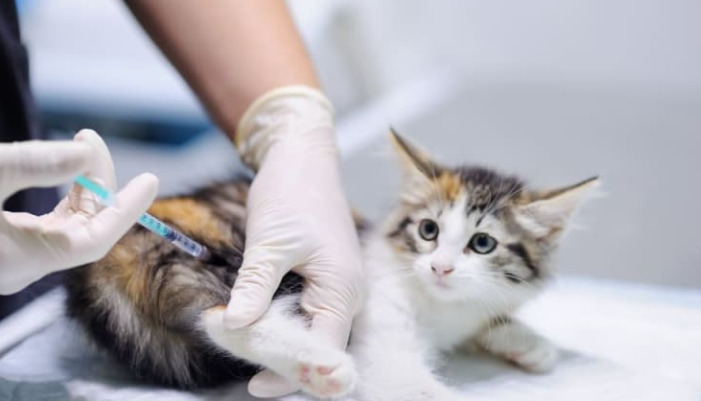
The drug is not officially approved by regulatory authorities, but it is widely available through black market sources and, in some countries, compassionate use protocols. The treatment usually lasts for 84 days (12 weeks), delivered either by subcutaneous injection or oral tablet, depending on formulation and manufacturer.
Expected Outcomes and Success Rates
Clinical success rates for GS-441524 treatment appear impressive, with large studies suggesting a cure rate exceeding 80% when appropriate dosage and adherence are maintained. Early diagnosis and prompt initiation of therapy further enhance survival odds. Notably, neurological and ocular FIP are more challenging to treat due to the need for higher drug concentrations to cross the blood-brain and blood-ocular barriers, but remission remains achievable in many cases.
GS-441524 Dosage and Administration
Treatment protocols depend on the disease form and severity. Dosage ranges typically from:
4-6 mg/kg for wet and dry forms
8-10 mg/kg for neurological or ocular FIP
Dosages may vary based on a cat's response, weight changes, or the presence of neurological signs. The medication is administered once daily, usually at the same time, with careful monitoring for adverse reactions such as local injection-site discomfort, mild lethargy, or gastrointestinal upset.
Monitoring Progress: Lab Tests and Physical Exams
Throughout treatment, regular veterinary checkups are essential. Bloodwork and urinalysis help assess organ function and detect inflammation or infection. Serial tests may include:
Complete blood count (CBC)
Serum biochemistry panel
Alpha-1 acid glycoprotein (AGP) levels
Evaluation of effusions (if present)
Owners should maintain a detailed log of their cat’s symptoms, weight, behavior, and appetite to help the vet adjust dosage as needed.
Recognizing and Managing Side Effects
GS-441524 is generally well tolerated, but mild side effects do occur, most often at the injection site—pain, swelling, small scabs, or hair loss. Oral formulations tend to cause fewer skin problems but may lead to mild digestive upset. Monitoring your pet and communicating with your veterinarian plays a key role in managing adverse events. In rare cases, severe reactions can occur, requiring supportive care or a medication switch.
Financial Aspects of Treatment
Treatment costs range significantly, often running into several thousand dollars over the three-month course. Prices vary depending on:
Formulation (injectable vs. oral)
Source and quality of medication
Weight of the cat (affecting total dosage required)
Some online support communities and nonprofit organizations offer fundraising assistance or group-buying schemes to help owners manage costs. However, the lack of official approval means insurance is unlikely to cover expenses.
Post-Treatment: Recovery and Relapse Risk
Most cats completing the full GS-441524 course return to normal activity levels within months, regaining lost weight, energy, and appetite. Recurrence rates remain low but are possible, especially in the first few months post-treatment. Some cats may require a second round of therapy, particularly in cases involving neurological or ocular manifestations, but most achieve long-term remission after completion of the recommended protocol.
Supporting Your Cat: Nutrition, Comfort, and Emotional Care
Ensuring optimal nutrition throughout treatment aids recovery and immune function. Offer highly palatable, calorie-dense foods and monitor for changes in appetite. Hydration is essential, especially in cases with vomiting or diarrhea. Creating a low-stress environment—by minimizing loud noises, separation from trusted people, and unnecessary handling—can support the healing process.
Owners may feel emotional distress while caring for cats with FIP. Designated support groups, online forums, and counseling can provide a sense of community and empowerment during challenging periods.
Long-Term Outlook and Preventive Strategies
Most cats that survive treatment live healthy lives, though some may experience lasting organ damage or require ongoing vet visits. Preventive measures focus on reducing stress, vigilant hygiene practices in multi-cat households, and minimizing overcrowding. Breeding programs may benefit from genetic screening for FIP susceptibility traits, though these are under ongoing research.
Routine screening for FCoV is not widely recommended; rather, prompt action and consultation at the first sign of illness are crucial in managing FIP risk.
Legal and Regulatory Concerns
Because GS-441524 is not approved by the FDA, its status remains controversial and access depends on unofficial channels. Veterinarians must tread carefully, balancing compassion for their patients and adherence to legal guidelines. Owners should be aware that black market drugs may vary in quality and safety, and selecting a reputable supplier is vital.
Many advocacy groups continue to lobby for official approval and standardized manufacturing to ensure safe, affordable access for all affected cats.
Emerging Research and Future Prospects
The landscape of FIP therapy continues to evolve. Recent research investigates combination treatments, alternative antivirals, immune modulators, and preventive vaccines. Clinical trials are ongoing, aiming to secure regulatory approval, improve long-term safety, and increase affordability. Cat owners should monitor updates from veterinary organizations and academic studies to stay informed about new developments.
Frequently Asked Questions
What is the success rate for GS-441524 treatment?
Clinical studies and field reports suggest 80–90% of treated cats enter remission when dosed appropriately and treated early.
Is GS-441524 safe?
Most cats tolerate the drug well. Side effects are usually minor and manageable.
Can my veterinarian administer GS-441524?
Legally, veterinarians in the U.S. are not allowed to prescribe unapproved drugs. Many owners administer it at home under vet guidance, but direct clinical oversight is limited.
How do I know if my cat has FIP?
Only a veterinarian can make a presumptive diagnosis through history, laboratory tests, and examination. Specialized diagnostic tests increase reliability.
What should I do if my cat relapses?
A second course of GS-441524 is often effective. Consult your vet promptly to adjust the protocol.
Is FIP contagious to other cats or people?
FIP itself is not contagious, but the parent coronavirus (FCoV) spreads easily among cats. Humans and other species are not at risk.
References
Pedersen, N.C. "Update on feline infectious peritonitis: diagnostics and therapeutics." Veterinary Journal.
Izes, A.M., et al. "Feline Infectious Peritonitis: A Review of Pathogenesis, Diagnosis, and Treatment." Journal of Feline Medicine and Surgery.
Kipar, A., Meli, M.L. "Feline infectious peritonitis: still an enigma?" Veterinary Pathology.
Dickerson, M.F., et al. "GS-441524 Treatment for Feline Infectious Peritonitis: A Review." Animals.
Dempsey, S.M., Ewing, P.J. "Feline infectious peritonitis: Examining the complexities of diagnosis and new treatment options." Veterinary Clinics of North America: Small Animal Practice.
Addie, D.D., et al. "Feline coronavirus infections: ABCD guidelines on prevention and management." Journal of Feline Medicine and Surgery.
Murphy, B.G., et al. "The pathogenesis of feline infectious peritonitis: Experimental and natural disease models." Seminars in Veterinary Medicine and Surgery (Small Animal).
Giori, L., et al. "Feline infectious peritonitis: diagnostic dilemmas and therapeutic advances." Veterinary Compendium.
Hartmann, K. "Feline infectious peritonitis—An update." Veterinary Clinics: Small Animal Practice.