How to Handle Side Effects Caused By NeoFipronis (Pronidesivir)
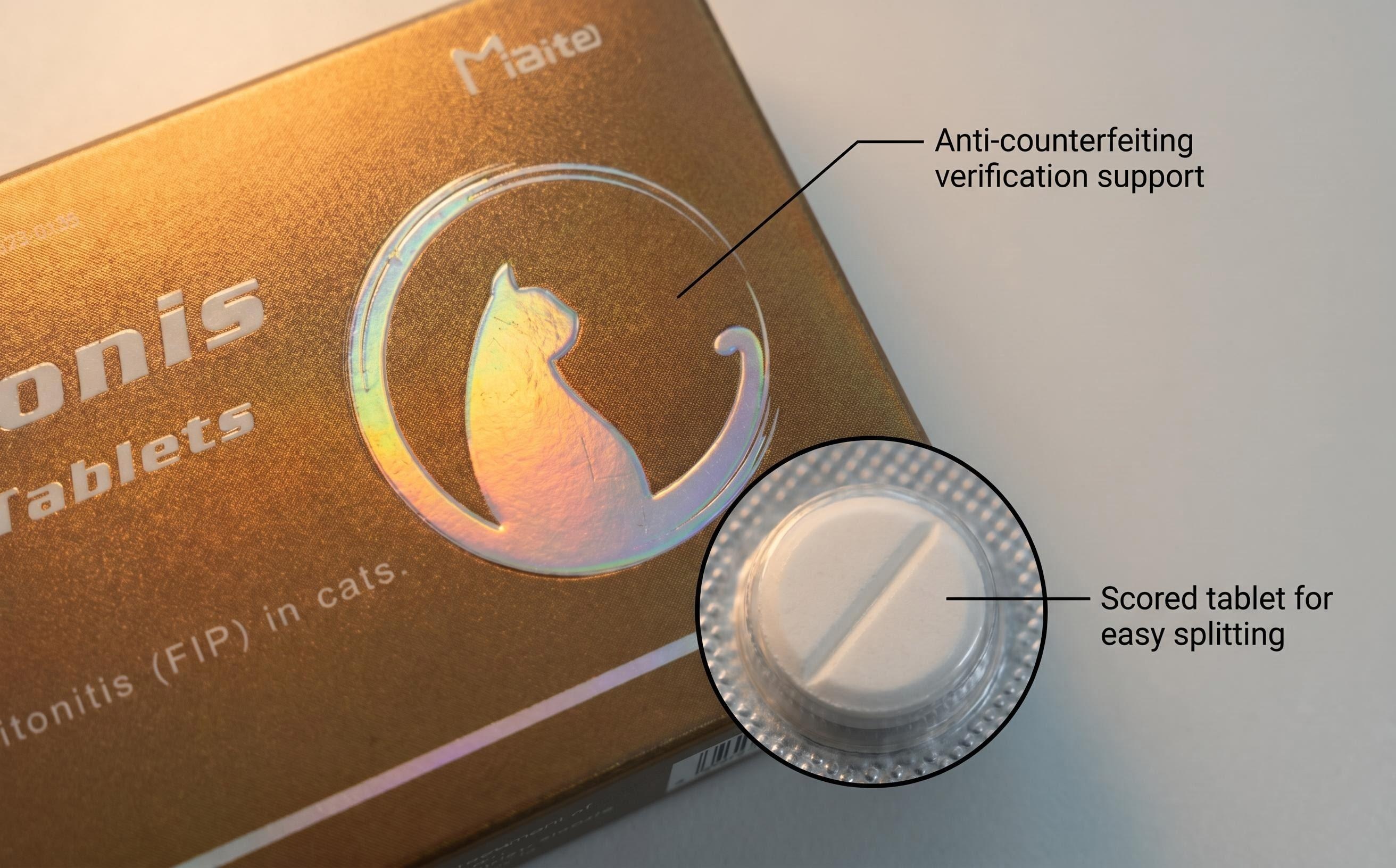
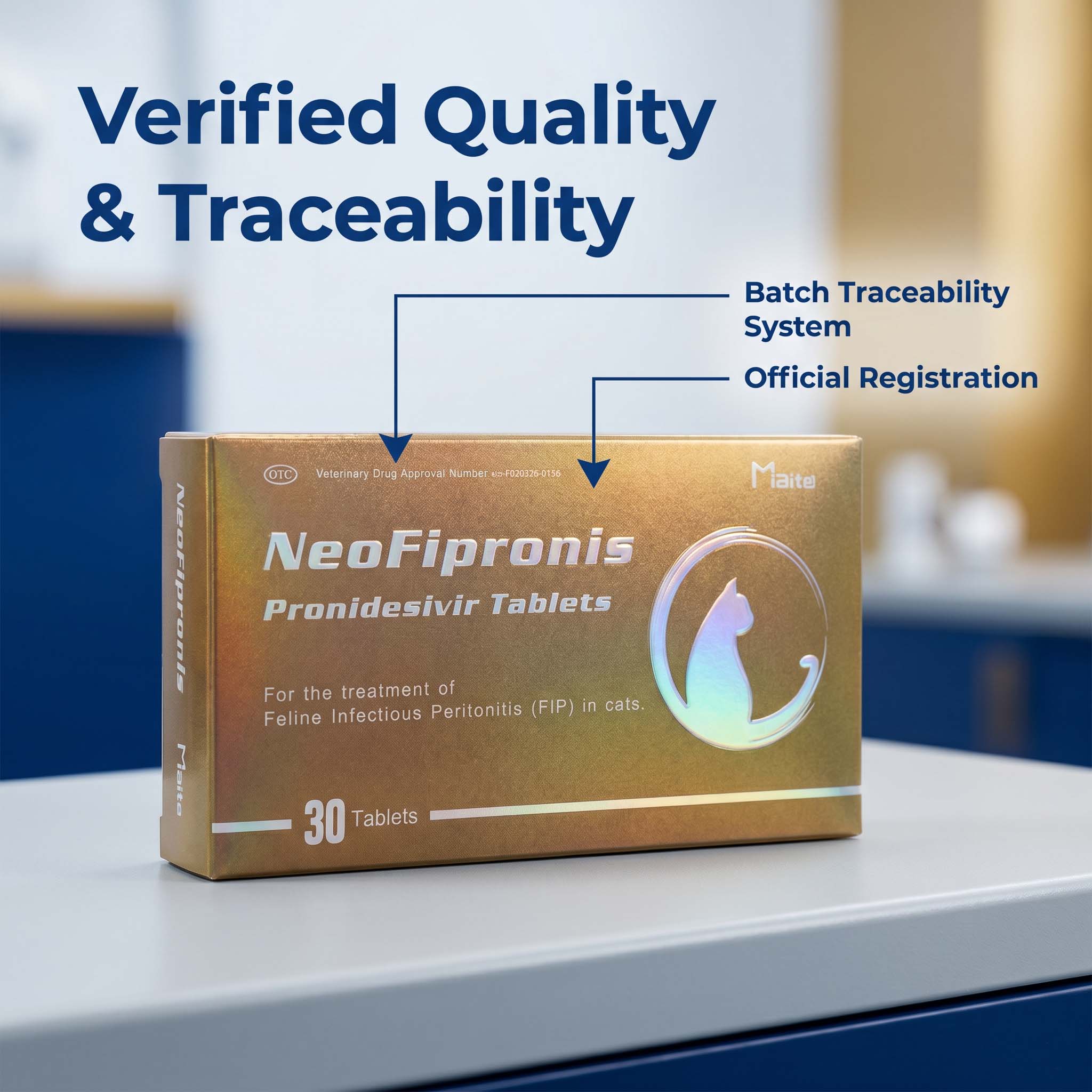
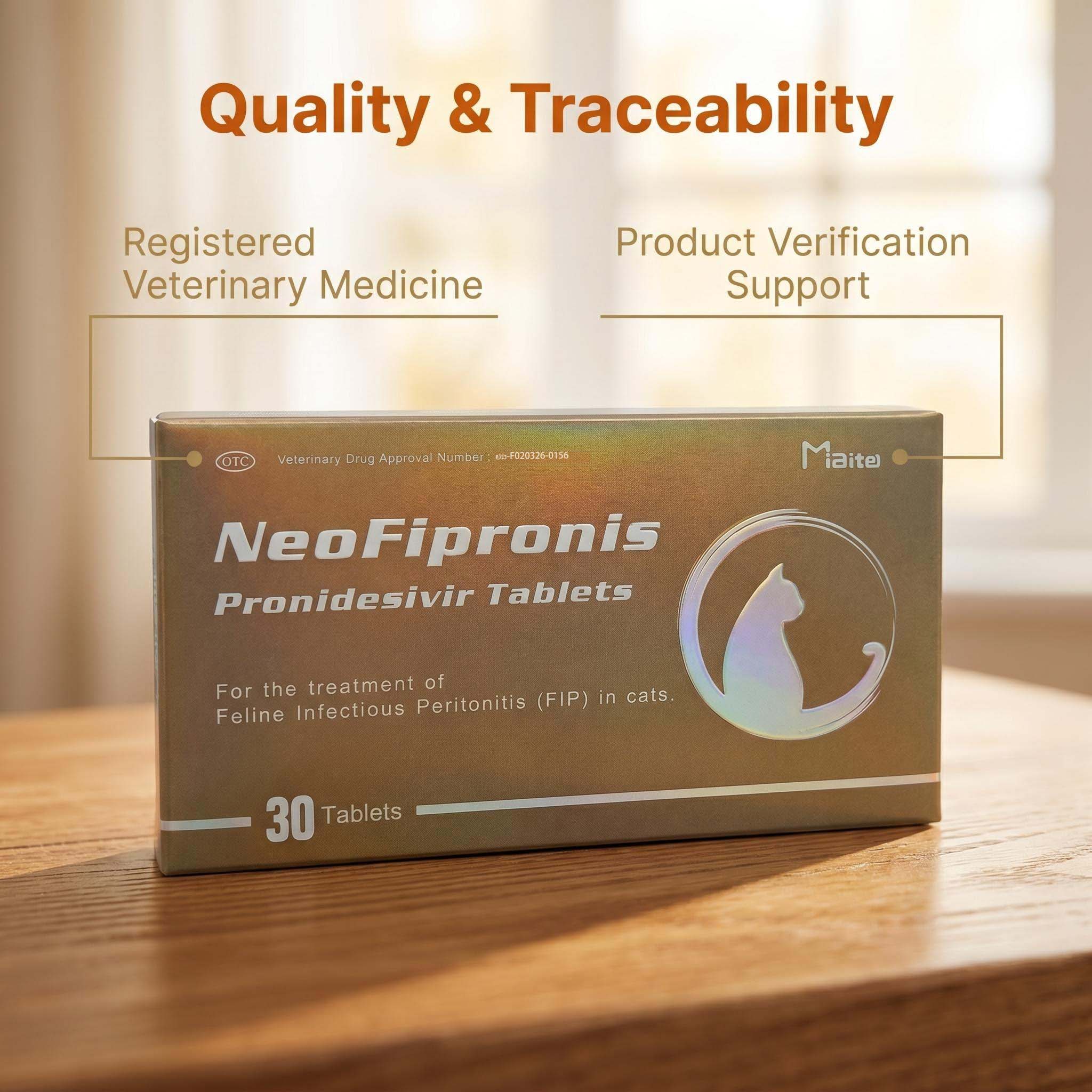
NeoFipronis (Pronidesivir) is a GS-441524-based oral treatment widely used in cats diagnosed with feline infectious peritonitis (FIP). It is designed to help manage common FIP-related problems such as poor appetite, fever, lethargy, ascites, pleural effusion, lymph node enlargement, inflammatory granulomas, neurological damage, and uveitis. Because FIP itself can be severe, any side effects during treatment should be watched closely, especially during the first days and weeks of therapy.
Most cats tolerate NeoFipronis well, but mild side effects can still appear. The most common concerns reported by caregivers include reduced appetite, vomiting, soft stool, temporary fatigue, and mild digestive upset. Some cats may also show changes in behavior, such as sleeping more than usual or being slightly less active after dosing. In many cases, these signs are temporary and improve as the cat adjusts to treatment. Keep a simple daily record of eating, drinking, litter box use, body temperature, and energy level so changes are easy to notice.
If your cat develops mild gastrointestinal discomfort, give the medication exactly as directed and try to reduce stress around dosing. Since NeoFipronis is often recommended on an empty stomach, follow your veterinarian’s instructions carefully, but contact a vet if vomiting or diarrhea continues. Dehydration can happen quickly in sick cats, so fresh water should always be available. If your cat refuses food, offers only tiny bites, or becomes noticeably weaker, do not wait too long before asking for professional advice, because poor intake can make recovery harder.
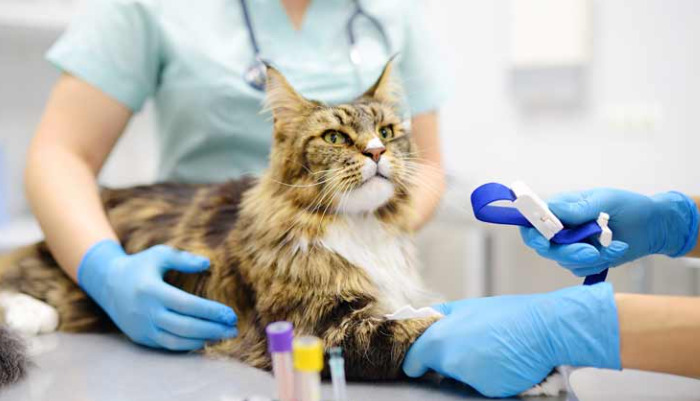
Changes in bloodwork are another reason for close monitoring. During FIP treatment, veterinarians often recommend periodic blood tests to check liver and kidney function, red blood cell levels, and inflammatory markers. If test results show elevated liver enzymes, worsening anemia, or kidney stress, the veterinarian may adjust the dose, change the treatment plan, or add supportive care. Do not change the dose on your own, even if you think side effects are mild, because underdosing or missed doses can affect treatment success.
Cats with neurological or ocular FIP need extra attention. If your cat shows worsening balance problems, seizures, sudden blindness, unequal pupils, or more severe pain in the eyes, seek veterinary help promptly. These signs may reflect disease progression rather than a simple medication reaction, and they often require dose review or urgent supportive care. The same applies if your cat becomes extremely lethargic, has a persistently high fever, or stops eating for more than a day.
NeoFipronis should be used only in cats, never in humans. Even though it is described as an oral, well-tolerated option, it should still be used under veterinary guidance whenever possible. Follow the prescribed regimen closely, especially the full treatment duration, and avoid missed doses. Buying from the official NeoFipronis source helps reduce the risk of counterfeit product and inconsistent quality, which can also affect tolerability and results.