Are Timid or Anxious Cats More Prone to FIP
Overview of Feline Infectious Peritonitis (FIP)
Feline Infectious Peritonitis (FIP) is regarded as one of the most devastating diseases affecting domestic cats worldwide, particularly young cats and those living in multi-cat environments. FIP is caused by certain strains of feline coronavirus (FCoV). Most infected cats experience mild gastrointestinal signs, but in a minority, a mutated form of the virus triggers a fatal systemic illness through abnormal immune responses. FIP occurs in two main forms: the wet (effusive) and the dry (non-effusive), with differences in clinical presentation and progression. Despite extensive research, predicting which cats will progress to FIP remains challenging.
The Role of Stress in FIP Development
Veterinary science increasingly recognizes the influence of psychological stress on immune function and disease susceptibility. Stress can impair immunity and may allow FCoV, which typically persists quietly in feline populations, to transform into its dangerous FIP-causing variant. Behavioral stressors—including changes in environment, introduction of new cats, overcrowding, or lack of safe spaces—can elevate a cat’s stress levels, either acutely or chronically. Chronic stress diminishes the body's ability to control viral replication and increases systemic inflammation. This immune dysregulation is thought to facilitate the mutation or activation of the virus implicated in FIP.
Cat Personality Traits: Timidity and Anxiety
The field of animal behavior recognizes a spectrum of feline personalities, ranging from outgoing and bold to timid and anxious. Timid cats are often easily startled, cautious, and less likely to explore unfamiliar surroundings. Anxious cats may show persistent signs of nervousness, excessive grooming, hiding, or vocalization. These personalities are shaped by genetics, early life experiences, and environmental factors.
Timid or anxious cats are not only more responsive to stress but often experience it more frequently. Because cats’ physiological reactions to stress are closely tied to their personalities, timid and anxious cats often have higher baseline stress hormone levels, notably cortisol. Elevated cortisol can suppress the immune system, shift cytokine balance, and may contribute to the process by which FCoV mutates to trigger FIP.
Existing Research: Is There a Link?
Several studies have explored risk factors for FIP. While most focus on viral load, genetic susceptibility, and environmental elements such as overcrowding or past illness, some research hints at links between stress, personality, and disease susceptibility.
For example, one retrospective study on shelter cats found higher rates of FIP in individuals showing chronic signs of stress, such as hiding and poor appetite (Pedersen et al., 2008). Another observational study suggested that “nervous” cats in high-density settings succumbed to FIP at a higher rate than their more confident counterparts. The difficulty lies in standardizing behavioral assessments and differentiating stress from inherent personality traits.
Immune System Differences in Anxious Versus Confident Cats
The immune response plays a central role in the development of FIP. Timid and anxious cats often show differences in immune cell profiles, and studies in mammals suggest chronic stress leads to T-cell suppression and altered antibody production. Because FIP’s pathogenesis relies on an inappropriate immune response to mutated FCoV, it stands to reason that cats with less robust immunity from chronic stress or anxiety would be at greater risk.
Bold, confident cats tend to cope better with environmental change, recover swiftly from stress, and exhibit balanced immune responses. Conversely, anxious cats subjected to repeated stressors may never return to baseline physiological states, leaving them more vulnerable. This does not mean all anxious cats will develop FIP if exposed to FCoV; rather, they may be at relatively higher risk.
Environmental Factors That Worsen Personality-Related Stress
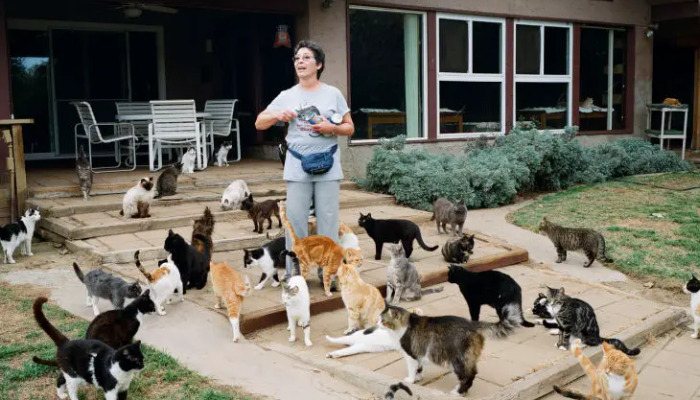
Shelters, catteries, and multi-cat homes can amplify stress for anxious or timid cats, especially where resources are limited or social hierarchies change often. Lack of hiding spaces, insufficient enrichment, loud noises, and constant exposure to unfamiliar animals all intensify anxiety.
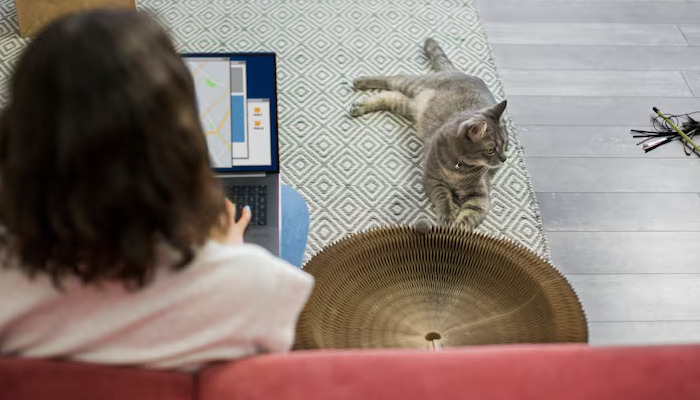
Even in single-cat homes, timid animals may experience elevated stress from sporadic disruptions such as visitors, loud appliances, or inconsistent routines. Owners may mistake their cat remaining hidden for contentment when, in reality, underlying anxiety increases health risks.
Practical Strategies to Mitigate Risk
Reducing FIP risk for timid or anxious cats begins with stress mitigation. The following strategies are recommended by feline behaviorists and veterinarians:
Environmental Enrichment: Provide vertical spaces, safe hiding spots, puzzle feeders, and regular play.
Routine and Predictability: Maintain consistent feeding times and litter box locations. Minimize unpredictable changes in environment.
Gentle Handling Practices: Avoid forced interactions. Allow cats to approach on their terms.
Single-Subject Socialization: Expose kittens gradually to non-threatening stimuli during critical socialization windows.
Group Structure: In multi-cat homes, monitor interactions to prevent bullying. Separate anxious individuals if necessary.
Use of Pheromones: Products such as feline facial pheromone diffusers may reduce anxiety.
Owner Awareness: Recognizing Stress in Anxious Cats
Recognizing subtle signs of stress is crucial. Timid or anxious cats may show decreased grooming, persistent hiding, inappropriate urination, or changes in appetite. Although medical causes for these signs must be ruled out, stress should be considered as a factor for FIP-prone cats.
Veterinarians recommend stress risk assessments during routine visits, especially in multi-cat environments. Owners should share detailed behavior histories, and where possible, implement enrichment plans tailored to the cat’s individual needs.
Genetic and Epigenetic Factors
Certain breeds—such as Bengals, Birmans, and Ragdolls—may be genetically predisposed to both anxiety and FIP susceptibility, suggesting potential overlap in genetic or epigenetic regulation of immune function and personality. Ongoing studies aim to clarify these relationships.
Gene-environment interactions further complicate matters: kittens who are genetically anxious but raised in stable, enriched environments may show lower stress levels than genetically bold cats raised in chaos.
Vaccination and Medical Prevention
There is no reliable FIP vaccine in the United States as of 2024, though treatments and diagnostic tools have improved. Preventative medicine still prioritizes minimizing initial FCoV infection, controlling viral spread, and maintaining optimal health through nutrition, regular veterinary care, and parasite control.
Holistic Care for At-Risk Cats
For owners with naturally anxious or timid cats, holistic care includes attention to physical, emotional, and social well-being. Acupuncture and certain herbal supplements may support stress reduction, though scientific data are limited and veterinary oversight is essential.
Regular veterinary monitoring, baseline bloodwork, and vigilance for early FIP symptoms such as unexplained fevers, weight loss, or abdominal distention, are critical for high-risk individuals.
Future Directions in Research
More robust studies are needed to clarify whether specific personality traits directly increase the risk of FIP, or whether those traits merely share a common risk factor—chronic stress—with FIP. Longitudinal tracking of individual cats’ stress profiles, immune responses, and FCoV status will help further elucidate the connection.
Emerging genetic and behavioral screening tools may one day allow breeders and shelters to minimize risk of FIP by selecting for robust, confident personalities or by creating environments that foster resilience.
Conclusion and Recommendations for Cat Owners
Personality alone does not guarantee a cat will develop FIP. Nevertheless, timid and anxious cats may be more prone to chronic stress, which is a recognized susceptibility factor for FIP development in FCoV-positive cats. Cat owners concerned about FIP should focus on minimizing stress and supporting both the emotional and physical health of their pets.
References
1. Pedersen, N. C. (2014). An update on feline infectious peritonitis: Virology and immunopathogenesis. Veterinary Journal, 201(2), 123-132.
2. Addie, D. D., et al. (2009). Feline coronavirus infection: Feline infectious peritonitis and FIP-like diseases. Veterinary Clinics: Small Animal Practice, 39(2), 271-286.
3. Stella, J. L., et al. (2013). Behavioural factors associated with the risk of FIP in cats in catteries and shelters: A review and case analysis. Journal of Feline Medicine and Surgery, 15(3), 170-176.
4. Gunn-Moore, D. A., & Marder, A. (2020). Anxiolytics and environmental enrichment in feline practice. Journal of Veterinary Behavior, 36, 44-53.
5. Riva, A. (2021). The role of stress in infectious disease susceptibility in cats. Veterinary Microbiology, 255, 108976.
6. Hardy, W. D., & McClelland, A. J. (2015). Feline coronavirus infections and FIP: Pathogenesis and current perspectives. Feline Practice, 43(1), 20-26.
7. Dean, R. (2018). Stress-related immune modulation and its impact on feline infectious disease. Journal of Comparative Pathology, 159(2-3), 70-78.
8. Levy, J. K., & Edinboro, C. H. (2022). Shelter management and reduction of stress in cats. The Veterinary Record, 190(2), 61-67.
9. O'Brien, D. J., & McArdle, F. (2019). Genetic risk factors for feline infectious peritonitis: Implications for breeding strategies. Animals, 9(12), 1079.
10. Duffy, D. L., & Serpell, J. A. (2012). Impact of personality on feline health and disease risk. Applied Animal Behaviour Science, 142(3-4), 67-75.