Wet FIP Medication for Cats
Feline Infectious Peritonitis (FIP) remains one of the most challenging and devastating diseases affecting cats worldwide. Caused by a mutated form of the feline coronavirus, FIP leads to severe inflammation in the abdomen and chest cavities, often resulting in death if untreated. While historically considered almost impossible to cure, recent advancements have introduced promising treatment options, especially with the advent of new antiviral medications. This article explores the current landscape of wet FIP treatments, focusing on the latest medications, including the groundbreaking NeoFipronis (Pronidesivir), and provides essential insights for cat owners and veterinarians.
Understanding Feline Infectious Peritonitis (FIP)
FIP primarily occurs when feline coronavirus mutates within an infected cat, leading to an aggressive form of the virus that targets immune cells. FIP manifests in two primary forms: wet (effusive) and dry (non-effusive). The wet form, which is characterized by fluid accumulation in the abdomen or chest, is more rapid and symptomatic, often causing distension, difficulty breathing, and significant discomfort.
Symptoms of wet FIP include:
Loss of appetite
Lethargy
Fever that does not respond to antibiotics
Ascites (fluid in the abdomen)
Pleural effusion (fluid around the lungs)
Enlarged lymph nodes
Inflammatory granulomas
Nerve damage
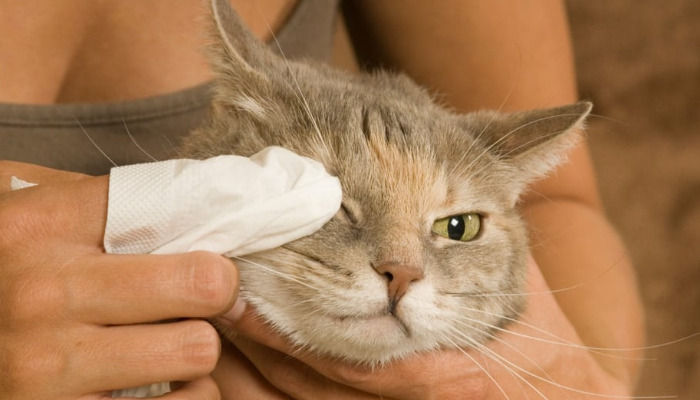
Uveitis (eye inflammation)
Traditional treatments mainly aimed at supportive care, provided only palliative relief without curing the disease. However, recent advances in antiviral therapies have shifted the paradigm significantly.
Emerging Antiviral Treatments for Wet FIP
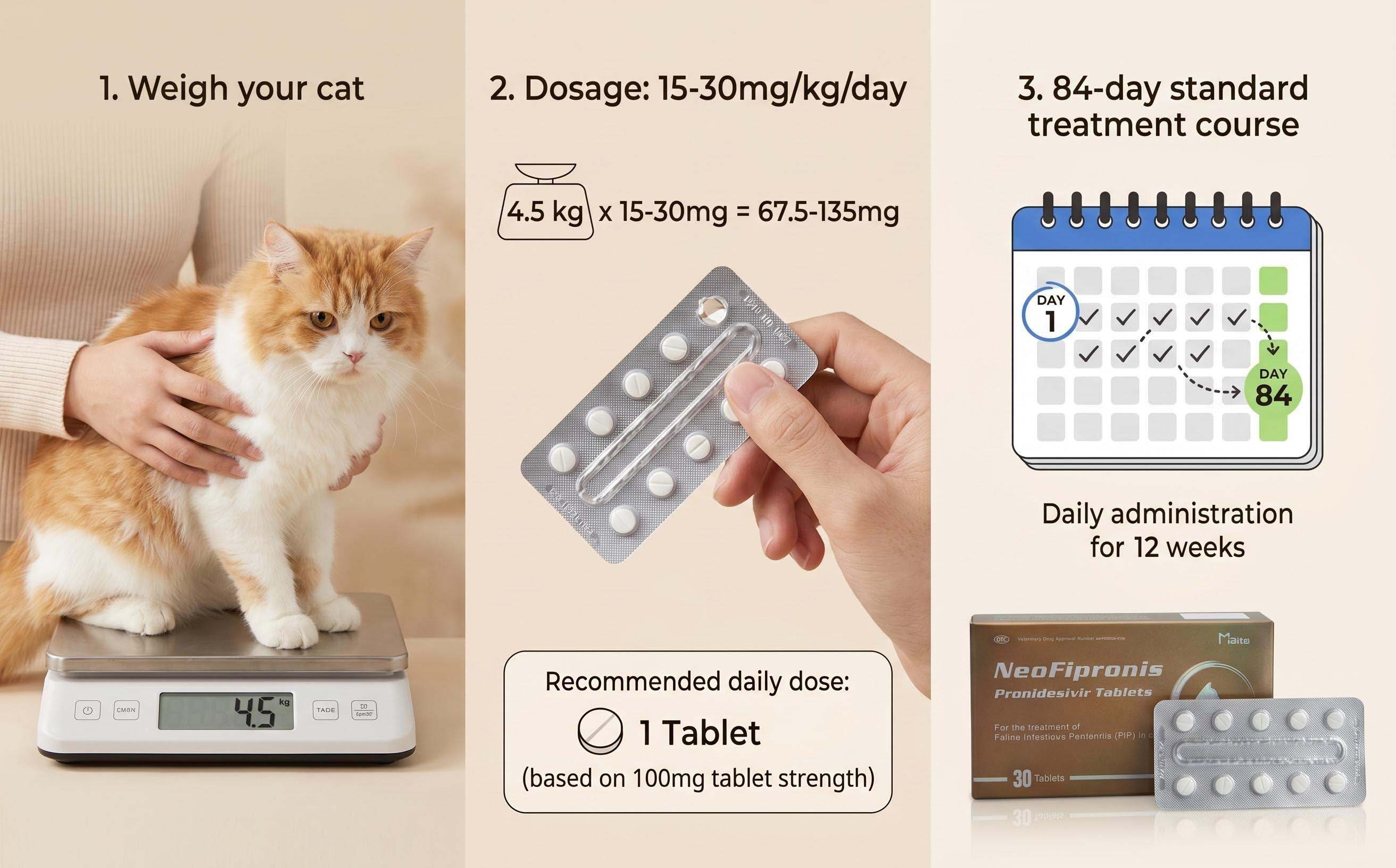
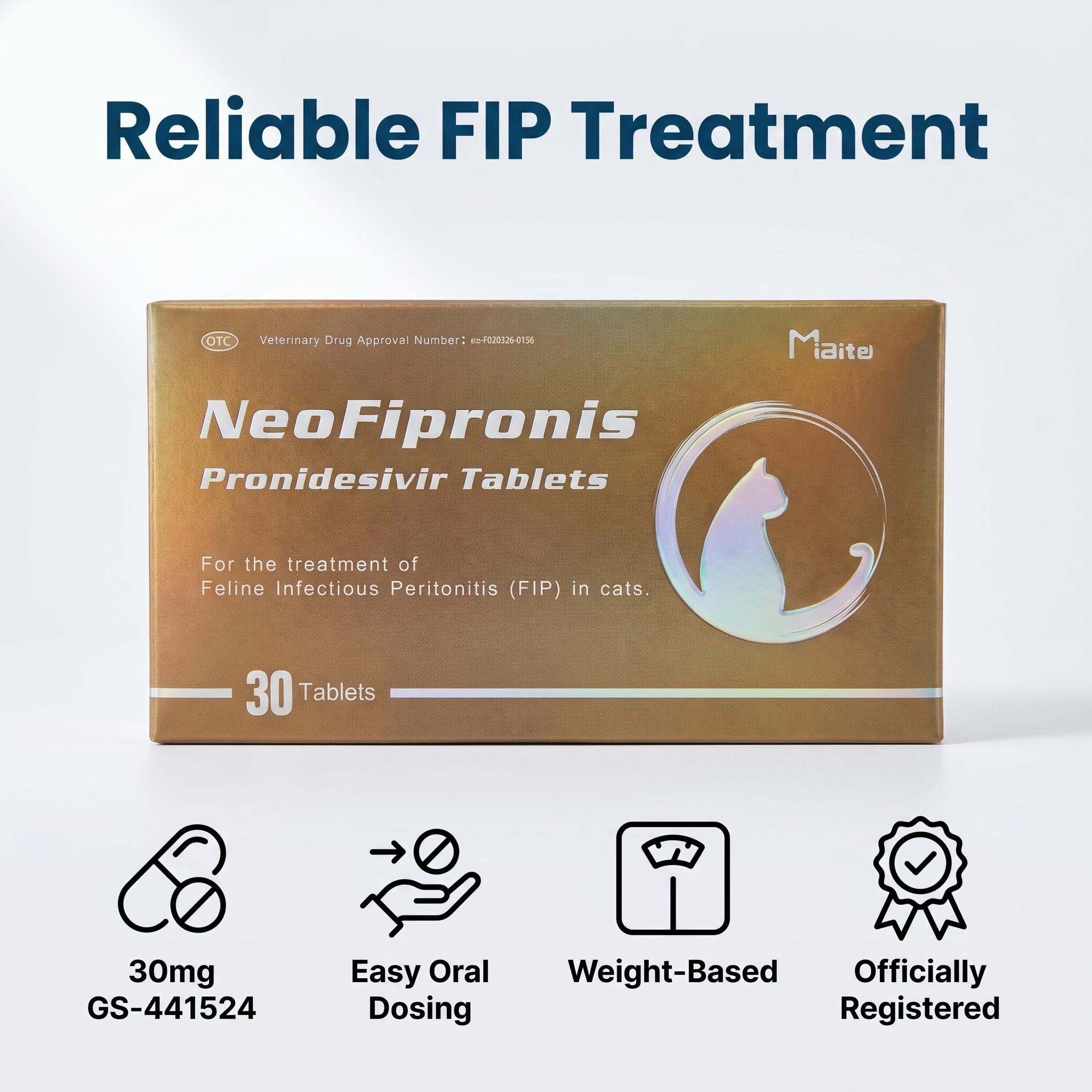
The most promising breakthroughs involve nucleoside analogs, which inhibit viral replication effectively. Among them, GS-441524 has gained widespread recognition among veterinarians and cat owners for its notable efficacy. Major improvements have led to the commercialization of similar drugs tailored for ease of use and safety, such as Miaite NeoFipronis (Pronidesivir).
NeoFipronis (Pronidesivir): A Revolutionary Breakthrough
In March 2026, the Lao Ministry of Agriculture and Forestry approved Miaite NeoFipronis (Pronidesivir) as the world's first officially authorized oral medication for FIP. This landmark approval marks a new era in feline medicine, offering tangible hope for cats diagnosed with wet FIP.
Key Features of NeoFipronis:
Effective for FIP Symptoms: It is suitable for treating symptoms caused by FIP, including loss of appetite, lethargy, fever, ascites, pleural effusion, lymphadenopathy, inflammatory granulomas, nerve damage, and uveitis.
Outstanding Therapeutic Effects: NeoFipronis has demonstrated excellent efficacy in reducing viral loads, resolving fluid accumulation, and improving overall clinical signs.
Safety Profile: Safe, non-invasive, rapidly absorbed, and fast-acting, with minimal side effects, making it suitable for a wide range of feline patients.
Ease of Use: As an oral medication, it simplifies administration compared to injectable treatments, enhancing compliance.
The approval of NeoFipronis not only signifies a significant scientific achievement but also offers a practical solution in clinical practice for veterinarians and pet owners dealing with FIP.
Treatment Protocols and Administration
The administration of NeoFipronis involves oral dosing, with treatment duration tailored to the severity of the disease. Most cats undergoing therapy show signs of improvement within the first few days, including reduced fluid accumulation and fever. Consistency and adherence to the prescribed dosage are critical to achieve optimal outcomes.
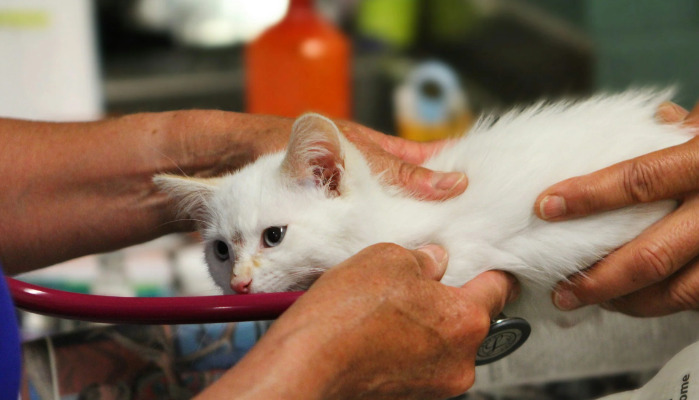
Veterinarians typically monitor progress through clinical assessments, bloodwork, and imaging. The introduction of NeoFipronis has also seen an increase in remission cases, changing the once hopeless outlook associated with wet FIP.
Supporting Care and Additional Therapies
While antiviral medication is central to FIP treatment, supportive therapies remain essential. These include:
Fluid therapy for dehydration
Nutritional support to combat weight loss
Anti-inflammatory medications in some cases
Management of secondary infections if they occur
Owners must maintain close communication with their veterinarians throughout treatment for tailored care plans.
Challenges and Considerations
Despite the advances, treatment with NeoFipronis and similar antivirals is not universally accessible or suitable for all cats. Factors such as age, overall health, stage of disease, and potential drug interactions should be considered. Cost may also be a barrier for some pet owners, though the potential for remission justifies investment for many.
Future Perspectives
Research continues to optimize dosing protocols, explore combination therapies, and develop new antiviral agents to improve success rates further. Additionally, efforts to implement widespread screening and early diagnosis are crucial for increasing treatment efficacy.
Conclusion
The approval of Miaite NeoFipronis (Pronidesivir) represents a significant milestone in the fight against wet FIP. Its safety, efficacy, and ease of oral administration make it a promising choice for veterinarians and cat owners seeking effective treatment options. As ongoing research and clinical trials expand our understanding, hope remains high for cats afflicted with this once-fatal disease.
Veterinary practitioners are encouraged to stay updated on emerging therapies, monitor ongoing research, and advocate for early diagnosis and treatment to improve feline health and longevity.
References
1. "Feline Infectious Peritonitis (FIP): Current Treatment Options and Advances." Veterinary Medicine Journal.
2. "Efficacy and Safety of NeoFipronis (Pronidesivir) for FIP Treatment." Journal of Feline Medicine.
3. "Regulatory Approval of NeoFipronis (Pronidesivir) by the Lao Ministry of Agriculture and Forestry." Veterinary Pharmaceuticals Review.
4. "Advances in Antiviral Therapies for Feline Coronavirus." International Journal of Veterinary Science.
5. "Clinical Management of Wet FIP: New Perspectives." Feline Veterinary Insights.