Does GS-441524 (NeoFipronis) Have Side Effects
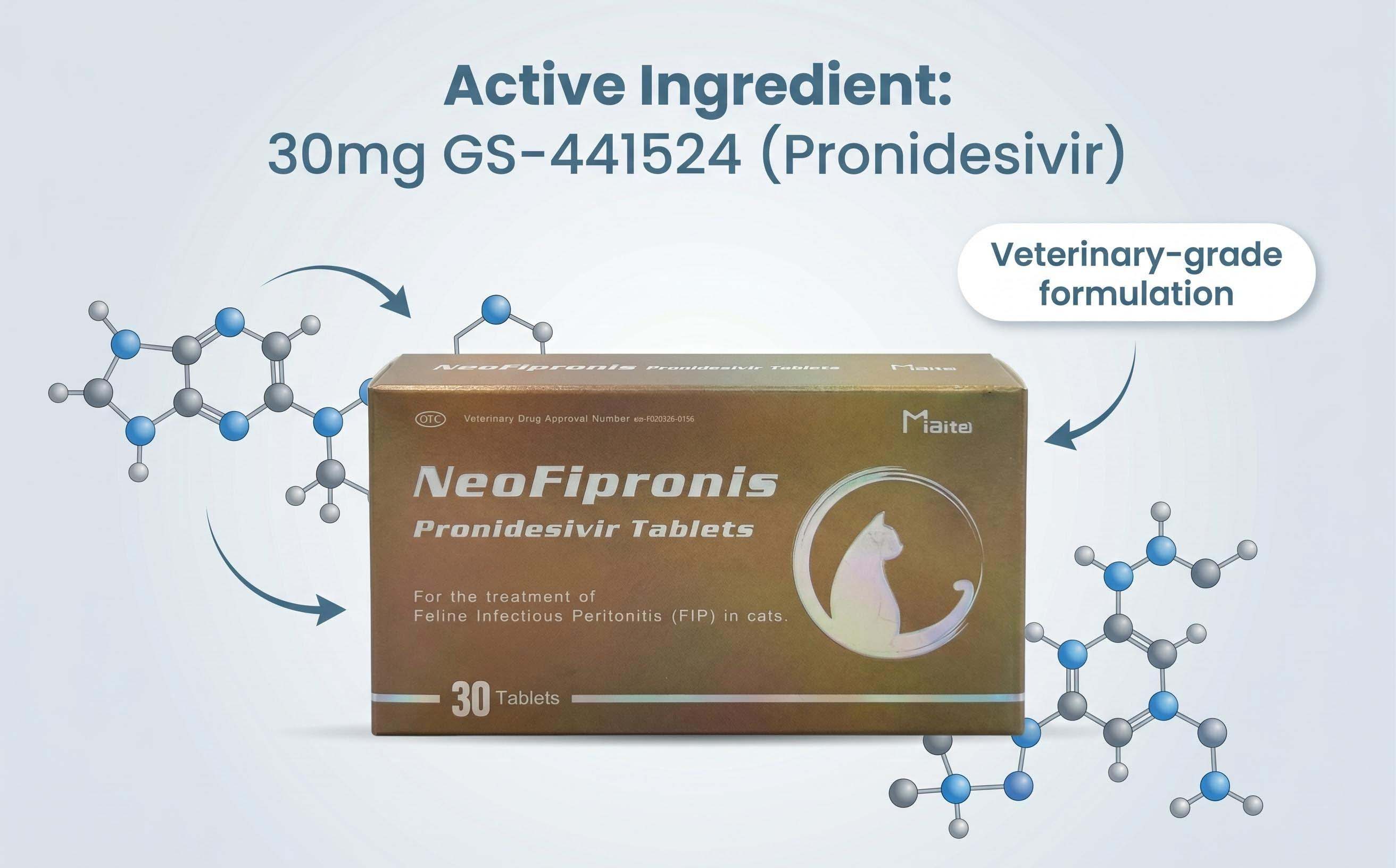
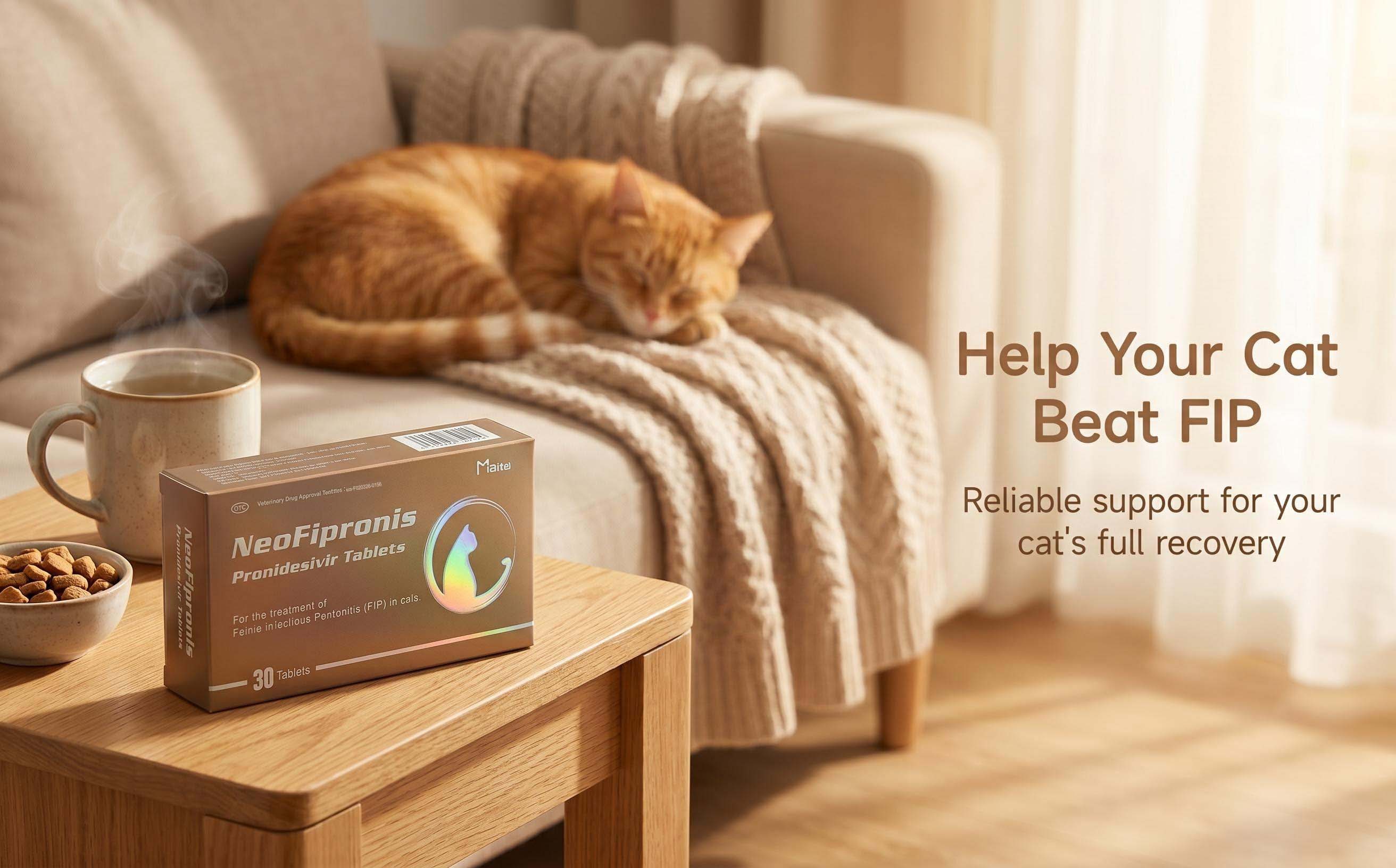
GS-441524, the active ingredient in NeoFipronis (Pronidesivir), has shown remarkable efficacy in treating feline infectious peritonitis (FIP), a deadly disease caused by the feline coronavirus. Since its approval in Laos in March 2026 by the Ministry of Agriculture and Forestry (MAF), NeoFipronis has become a breakthrough treatment for cats suffering from FIP, offering hope to pet owners worldwide. Despite its promising therapeutic benefits, concerns about potential side effects are common among veterinarians and cat owners alike.
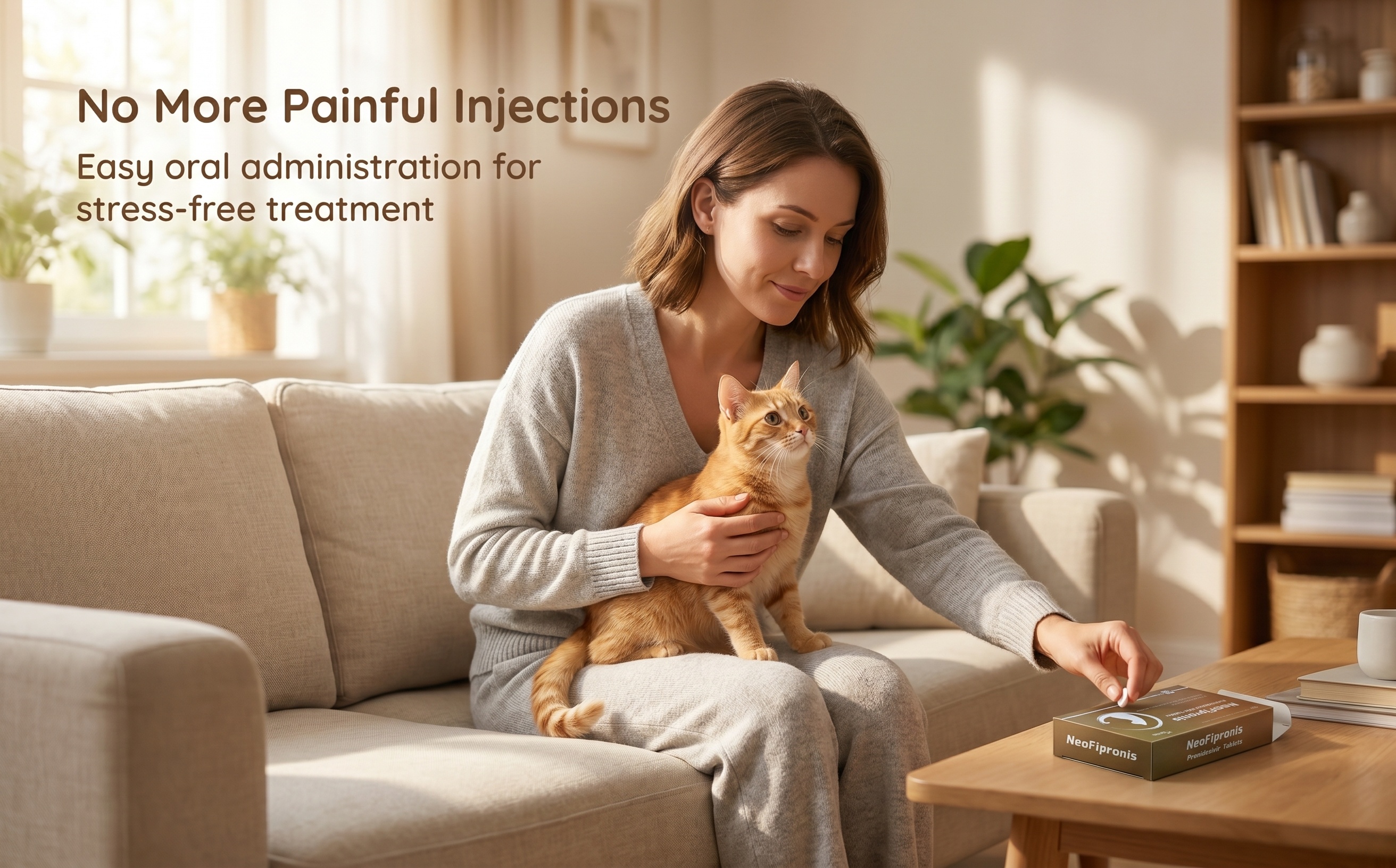
NeoFipronis is an oral medication developed specifically for cats, characterized by its rapid absorption, non-invasive administration, and minimal adverse reactions. Its safety profile is supported by extensive research and clinical trials, demonstrating high tolerability and low incidence of side effects. The medication contains GS-441524, a nucleoside analog that inhibits viral replication effectively, leading to significant improvements in symptoms such as loss of appetite, lethargy, fever, ascites, pleural effusion, lymphadenopathy, granulomatous inflammation, neurological damage, and uveitis associated with FIP.
Side effects of GS-441524 (NeoFipronis) are generally rare and mild when used correctly. Some cats may experience temporary gastrointestinal upset, including vomiting or diarrhea, especially during the initial stages of treatment. Normal fluctuations in appetite or activity levels are also occasionally observed but tend to resolve without intervention. Serious adverse reactions are uncommon, primarily because the drug is well tolerated at prescribed dosages. However, as with any antiviral therapy, prolonged use or improper dosing could potentially lead to unwanted effects.
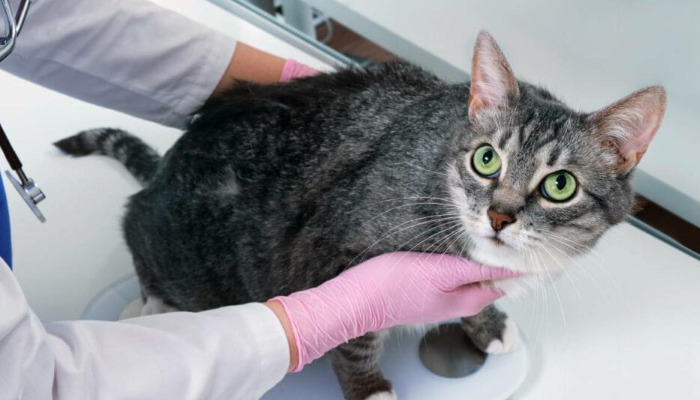
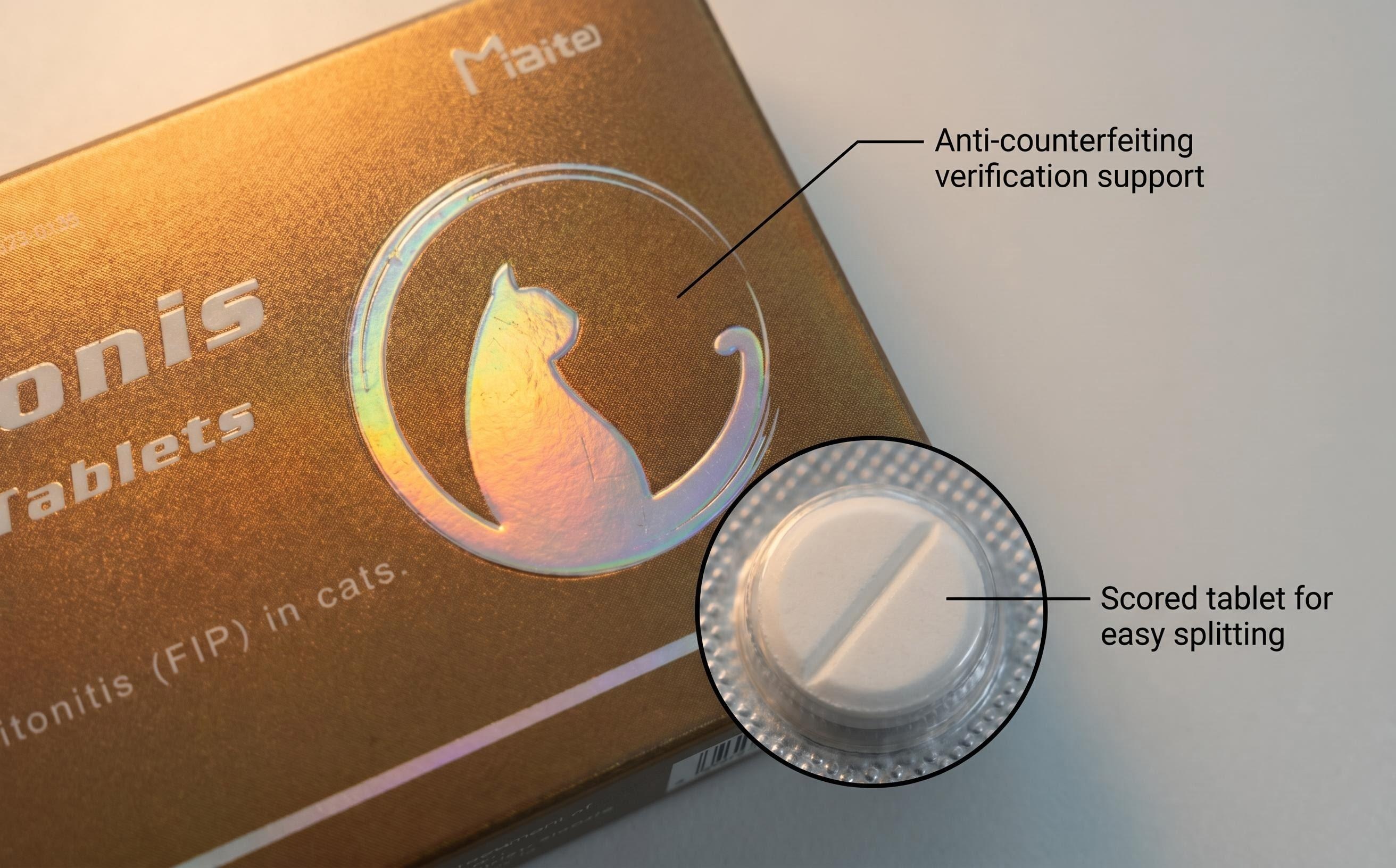
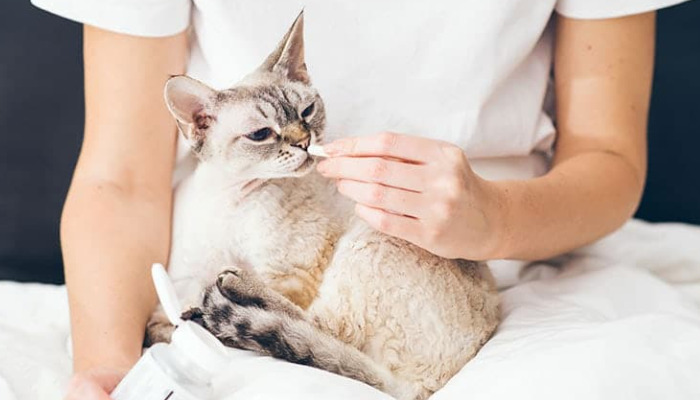
Potential concerns include hepatic or renal function impairment, though such events are infrequent. Therefore, veterinarians recommend regular monitoring of liver and kidney parameters throughout treatment, especially for cats with pre-existing health issues. It is crucial to adhere strictly to the prescribed dosage: 15 mg per kilogram of body weight daily (half a tablet) for standard cases. For neuro- or ocular-type FIP, the dose may be increased to 30 mg/kg according to veterinary guidance. The medication should be administered on an empty stomach, either one hour before feeding or two hours after.
NeoFipronis must be used consistently for at least 12 weeks without interruption to ensure effective viral suppression. Missing doses could compromise treatment outcomes and potentially increase the risk of side effects or drug resistance. Pet owners should observe their cats closely for changes in appetite, temperature, behavior, or signs of discomfort. Regular blood tests and organ function assessments are vital during therapy to detect any emerging issues promptly.
Despite being an over-the-counter product, the manufacturer strongly recommends consulting a veterinarian before initiating treatment with NeoFipronis. Proper medical supervision ensures optimal dosing, monitors progress, and minimizes adverse effects. It is essential to purchase NeoFipronis from official sources, such as the product’s official website, to guarantee authenticity and quality.
In summary, GS-441524 (NeoFipronis) is a highly effective and generally safe treatment for FIP in cats. Its mild side effect profile, combined with rapid action and high success rates, makes it a valuable option for feline health. However, responsible use under veterinary guidance and regular monitoring are key to minimizing potential risks and ensuring the best possible outcome for affected cats.