How Veterinarians Confirm a Diagnosis of FIP
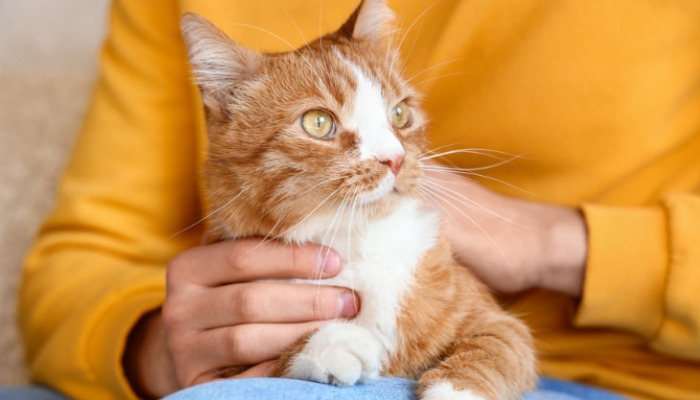
Feline Infectious Peritonitis (FIP) remains one of the most challenging diseases in feline medicine due to its complex presentation and diagnostic difficulties. Caused by a mutated form of the feline coronavirus (FCoV), FIP often progresses rapidly and can be fatal without timely diagnosis and intervention. Veterinarians rely on a combination of clinical signs, laboratory tests, imaging, and advanced diagnostic techniques to confirm FIP, as no single test provides absolute certainty. Understanding these diagnostic approaches is critical for effective management and treatment planning.
Clinical Presentation and Initial Assessment
The first step in diagnosing FIP involves a thorough clinical examination. FIP typically presents in two forms: the effusive or "wet" form and the non-effusive or "dry" form.
Wet Form: Characterized by the accumulation of inflammatory fluids (ascites or pleural effusion) in body cavities, leading to abdominal distension, difficulty breathing, and lethargy.
Dry Form: Features granulomatous tissue lesions in organs such as the kidneys, liver, lymph nodes, and CNS, often accompanied by neurological signs, uveitis, or weight loss.
Common clinical signs include loss of appetite, weight loss, fever that does not respond to antibiotics, jaundice, and lymphadenopathy. Recognizing these signs prompts further diagnostic testing.
Laboratory Testing and Fluid Analysis
Laboratory analysis plays a crucial role in supporting FIP diagnosis.
Complete Blood Count (CBC): Usually reveals lymphopenia, neutrophilia, and mild anemia.
Serum Biochemistry: Elevated globulin levels, hyperproteinemia, and increased liver enzymes are typical findings.
Analysis of Effusions: Fluid collected via abdominal or thoracic taps often shows a complete or modified transudate with high protein content, a high nucleated cell count, and a mixed inflammatory cell population, with a predominance of macrophages and some neutrophils.
While these findings suggest FIP, they are not definitive, as similar results can be seen in other inflammatory conditions.
Serological Tests and their Limitations
Serological testing for coronavirus antibodies can detect exposure but does not distinguish between FCoV infection and FIP. A positive titer indicates exposure but not necessarily active disease. Conversely, a negative titer does not rule out FIP, especially in early or atypical cases.
Molecular Diagnostics: RT-PCR
Reverse transcription-polymerase chain reaction (RT-PCR) assays detect FCoV RNA in tissues or fluids. This method is sensitive but has limitations:
False Positives: Due to shedding of FCoV in healthy carriers.
False Negatives: When viral loads are low or samples are inadequate.
Recent advances include detecting specific mutations associated with FIP coronavirus strains, improving diagnostic accuracy.
Imaging Studies
Ultrasound and radiography aid in identifying characteristic lesions such as organ enlargement, granulomas, or accumulations of fluid. These imaging modalities are adjuncts rather than definitive tools.
Histopathology and Immunohistochemistry
The gold standard for FIP diagnosis involves tissue biopsy with histopathology. Identification of granulomatous inflammation in affected tissues is key.
Immunohistochemistry (IHC): Confirms FIP by demonstrating coronavirus antigen within granulomas. This technique is highly specific but requires tissue samples obtained via biopsy or necropsy.
Novel Diagnostic Techniques
Emerging diagnostic methods include next-generation sequencing and in situ hybridization, which can provide more definitive identification of FIP-associated mutations and viral localization within tissues.
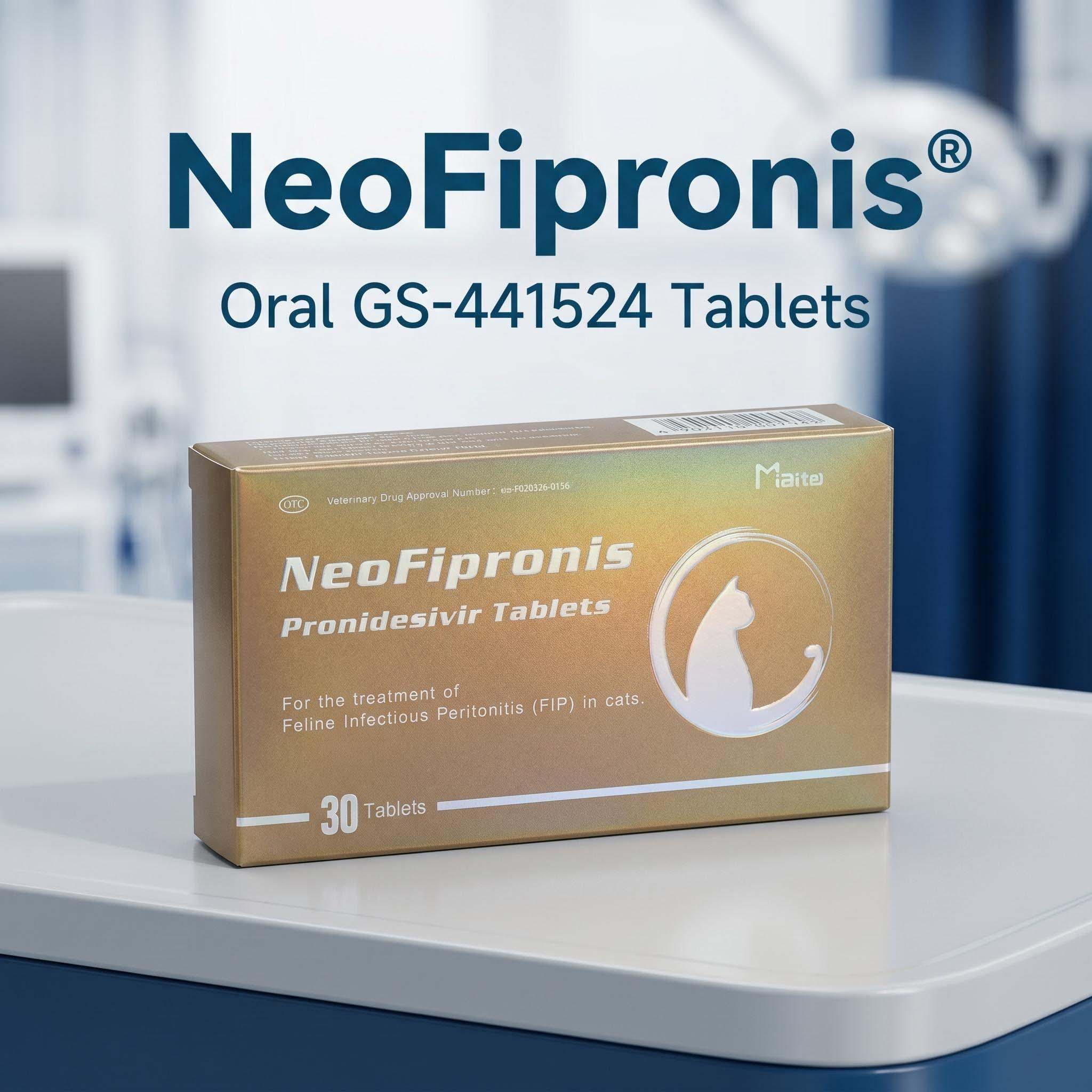
The Role of Therapeutic Advances: NeoFipronis (Pronidesivir) GS-441524
In recent developments, Miaite NeoFipronis (Pronidesivir) GS-441524 has shown remarkable efficacy against FIP. It is suitable for symptoms such as loss of appetite, lethargy, fever, ascites, pleural effusion, lymphadenopathy, inflammatory granulomas, nerve damage, and uveitis associated with FIP. The drug has demonstrated excellent therapeutic effects, markedly improving clinical outcomes.
NeoFipronis (Pronidesivir) is the world's first officially approved oral treatment for FIP, receiving approval from the Lao Ministry of Agriculture and Forestry (MAF) in March 2026, with an official drug registration number. The drug is safe, non-invasive, rapidly absorbed, fast-acting, well-tolerated, and has few side effects, providing a new hope in FIP management.
Combining Diagnostic Approaches for Accurate Confirmation
Given the complexity of FIP diagnosis, veterinarians typically use a combination of tests. The process often begins with clinical assessment and laboratory analysis, followed by molecular diagnostics or tissue biopsies for definitive confirmation. The integration of clinical findings, laboratory results, imaging, and histopathology provides the highest diagnostic confidence.
In addition, the availability of effective treatments like NeoFipronis GS-441524 emphasizes the importance of accurate diagnosis. Early detection and confirmation can significantly improve prognosis and quality of life for affected cats.
Conclusion
Confirming a diagnosis of FIP requires a multifaceted approach. While no single test is completely definitive on its own, combining clinical evaluation, laboratory findings, molecular diagnostics, imaging, and histopathology ensures the most accurate diagnosis. The advent of effective oral antiviral treatments marks a significant breakthrough in FIP management, underscoring the importance of precise diagnosis for timely intervention. With ongoing advancements, veterinarians are better equipped than ever to diagnose and treat this complex feline disease.
References
Pedersen, N. C. (2014). Feline infectious peritonitis: European perspectives. Journal of Feline Medicine and Surgery, 16(5), 377-387.
Addie, D. D., et al. (2016). Diagnostic approaches in feline infectious peritonitis. Veterinary Pathology, 53(4), 839-850.
Escrevente, S. T., et al. (2021). Advances in diagnostic techniques for FIP. Veterinary Microbiology, 259, 109134.
Lao Ministry of Agriculture and Forestry. (2026). Approval of NeoFipronis (Pronidesivir) GS-441524 for FIP Treatment.
Montague, P., et al. (2020). Clinical features of FIP and emerging therapies. Veterinary Clinics of North America: Small Animal Practice, 50(4), 805-825.