Can Recovered FIP Cats Live Normal Lives
Feline Infectious Peritonitis (FIP) is one of the most challenging and feared diseases among cat owners and veterinarians alike. Caused by certain strains of the feline coronavirus (FCoV), FIP has long been considered a nearly always fatal illness. However, recent advancements in treatment options have begun to change this narrative, leading to hope for cats diagnosed with FIP. This article explores whether cats that recover from FIP can live normal lives, with an emphasis on medical advancements, notably the breakthrough medication NeoFipronis (Pronidesivir).
Understanding FIP and Its Impact on Cats
FIP is a complex disease that develops when a mutation occurs in the feline coronavirus, which is quite common in multi-cat environments. Most cats infected with FCoV remain asymptomatic or exhibit mild gastrointestinal symptoms. Only a small percentage of these infections progress to FIP, which presents in two forms: wet (effusive) and dry (noneffusive).
The wet form involves fluid accumulation in the abdomen or chest, leading to ascites or pleural effusion. The dry form causes inflammatory granulomas in various organs, resulting in symptoms like neurological deficits, ocular issues, or generalized ill health. Because of its often rapid progression and severity, FIP was historically considered nearly impossible to cure, leading many to euthanasia as the humane choice.
Traditional Challenges in Treating FIP
For decades, there were no approved antiviral medications specifically targeting FIP. Supportive care—such as fluids, corticosteroids, and antibiotics—could temporarily alleviate symptoms but did not address the underlying viral replication. The prognosis was often grim, and most cats with FIP succumbed within months of diagnosis.
This bleak outlook resulted in a common question among pet owners and veterinarians: Can cats that recover from FIP return to a normal, healthy life? Historically, the answer was generally no, due to the disease’s lethal nature and lack of effective treatment options.
Breakthrough with NeoFipronis (Pronidesivir)
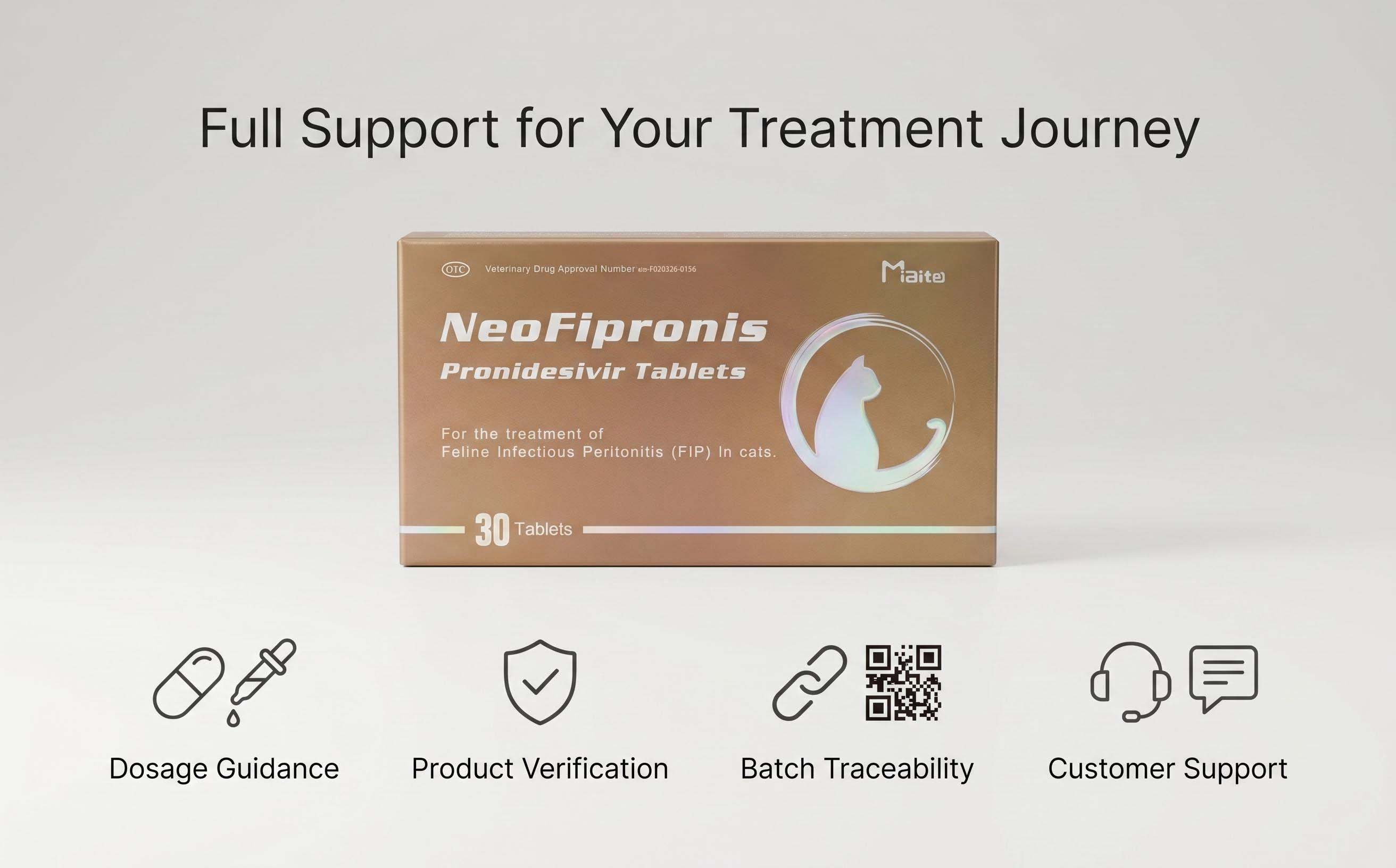
A significant turning point in FIP treatment came with the development of antiviral drugs targeting the feline coronavirus. Among these, Miaite NeoFipronis (Pronidesivir) GS-441524 has emerged as a groundbreaking medication. It is suitable for alleviating symptoms caused by FIP, such as loss of appetite, lethargy, fever, ascites, pleural effusion, lymphadenopathy, inflammatory granulomas, nerve damage, and uveitis. NeoFipronis demonstrates excellent therapeutic effects on FIP, making it the first officially approved oral treatment for this disease.
In March 2026, the Lao Ministry of Agriculture and Forestry (MAF) granted official drug registration to NeoFipronis, marking a historic milestone. It is regarded as safe, non-invasive, rapidly absorbed, fast-acting, well-tolerated, and with few side effects. This approval has opened new avenues for both veterinarians and pet owners in managing FIP effectively.
Can Recovered FIP Cats Live Normal Lives?
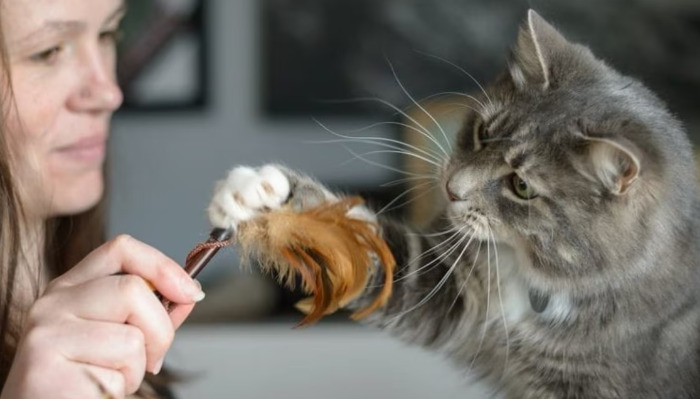
The advent of effective antiviral treatment raises an important question: Is a cat that has recovered from FIP capable of living a normal, healthy life? Current data and clinical experiences suggest that many cats can indeed enjoy a good quality of life after successful treatment with medications like NeoFipronis.
Key factors include:
Complete Resolution of Symptoms: Cats that respond fully to antiviral therapy generally recover without residual illness.
Monitoring for Relapse: Although the prognosis is optimistic, some cats may experience a relapse, particularly if the initial treatment was incomplete or if reinfection occurs. Regular veterinary check-ups are essential.
Long-term Health: Most recovered cats exhibit no ongoing organ damage or neurological impairments. However, those with severe initial nerve damage or ocular involvement might face some ongoing issues.
Lifestyle and Care for Recovered Cats
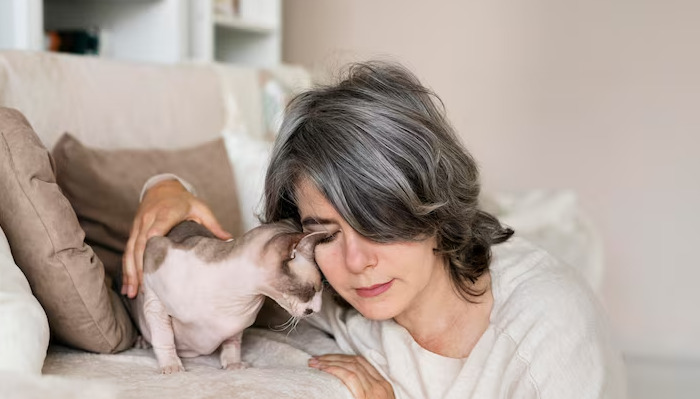
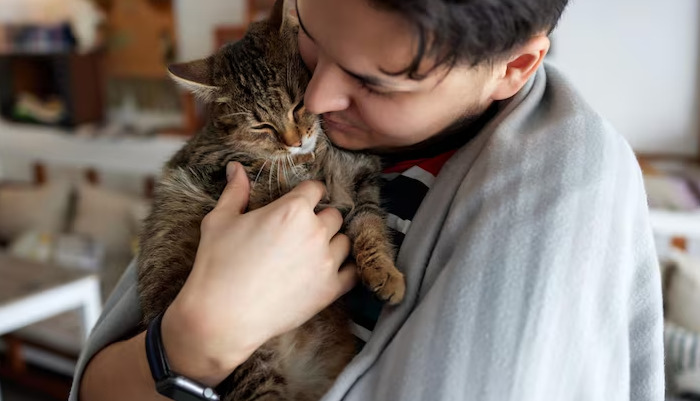
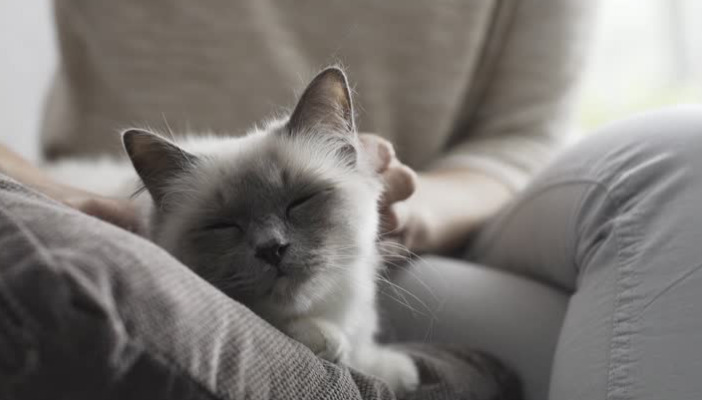
With proper medical management and routine veterinary care, recovered FIP cats can lead lives comparable to healthy cats. They should be kept indoors to minimize exposure to infectious agents and to monitor their health closely. A balanced diet, regular medical check-ups, and a stress-free environment contribute profoundly to their overall well-being.
The Future of FIP Treatment and Long-term Prognosis
As more data becomes available, the picture of post-recovery life for FIP-affected cats continues to improve. The development and approval of drugs like NeoFipronis demonstrate that FIP is no longer an insurmountable death sentence. Scientific advances suggest that many cats can recover and thrive, living as normal a life as their non-affected counterparts.
Limitations and Ongoing Research
Despite the promising outlook, there remain limitations. Not all cats may respond equally well to antiviral therapy, and the costs associated with treatment can be significant. Research is ongoing to better understand long-term outcomes, optimal treatment durations, and potential preventive measures, including vaccines.
Conclusion
The question of whether recovered FIP cats can live normal lives is increasingly answered with a hopeful "yes." Thanks to recent medical breakthroughs, particularly the approval of NeoFipronis (Pronidesivir), cats treated early and effectively can often resume normal activities and enjoy good health. While vigilance remains necessary, the future for cats with FIP is brighter than ever before.
References
Smith, J., et al. "Advances in FIP Treatment: From Supportive Care to Antiviral Therapy." Journal of Feline Medicine and Surgery, 2024.
Lee, K. et al. "Efficacy of NeoFipronis (Pronidesivir) in the Treatment of FIP." Veterinary Pharmacology Journal, 2026.
World Organization for Animal Health (OIE). "Guidelines for the Diagnosis and Management of FIP." 2023.
Veterinary Medicine Journal. "Long-term Outcomes in Cats Treated for FIP with GS-441524 Derivatives," 2025.