How to Choose a Reliable GS-441524 Product

Feline Infectious Peritonitis (FIP) is a serious, often fatal disease affecting cats worldwide. It results from certain strains of the feline coronavirus mutating within an infected cat, leading to a systemic inflammatory response that can affect multiple organs. The development of effective treatments has revolutionized how veterinarians and cat owners approach FIP, with GS-441524 emerging as a promising antiviral therapy. However, as demand increases for this medication, so does the proliferation of unverified or substandard products. Selecting a reliable GS-441524 product is crucial for ensuring safety, efficacy, and positive treatment outcomes.
Understanding GS-441524 and Its Role in Treating FIP
GS-441524 is a nucleoside analog that inhibits the replication of the feline coronavirus, thereby controlling the progression of FIP. Originally discovered during research related to hepatitis C, GS-441524 gained popularity within the veterinary community for its effective management of FIP symptoms. Unlike traditional treatments, GS-441524 offers targeted antiviral activity, significantly improving survival rates for affected cats.
The drug is administered via injection or oral formulations, with the latter being more convenient for owners. The therapeutic success heavily depends on receiving a high-quality, correctly formulated product. This underscores the importance of understanding how to distinguish reliable sources for GS-441524 products.
Key Factors in Choosing a Reliable GS-441524 Product
1. Source and Manufacturer Reputation
The foundation of a reliable product begins with the manufacturer. Seek products from well-known, reputable pharmaceutical companies or verified veterinary suppliers. Authenticity is paramount, especially considering the black market’s prevalence of counterfeit or contaminated options. Look for manufacturers with transparency regarding their manufacturing process, quality controls, and certification.
2. Official Approval and Certification
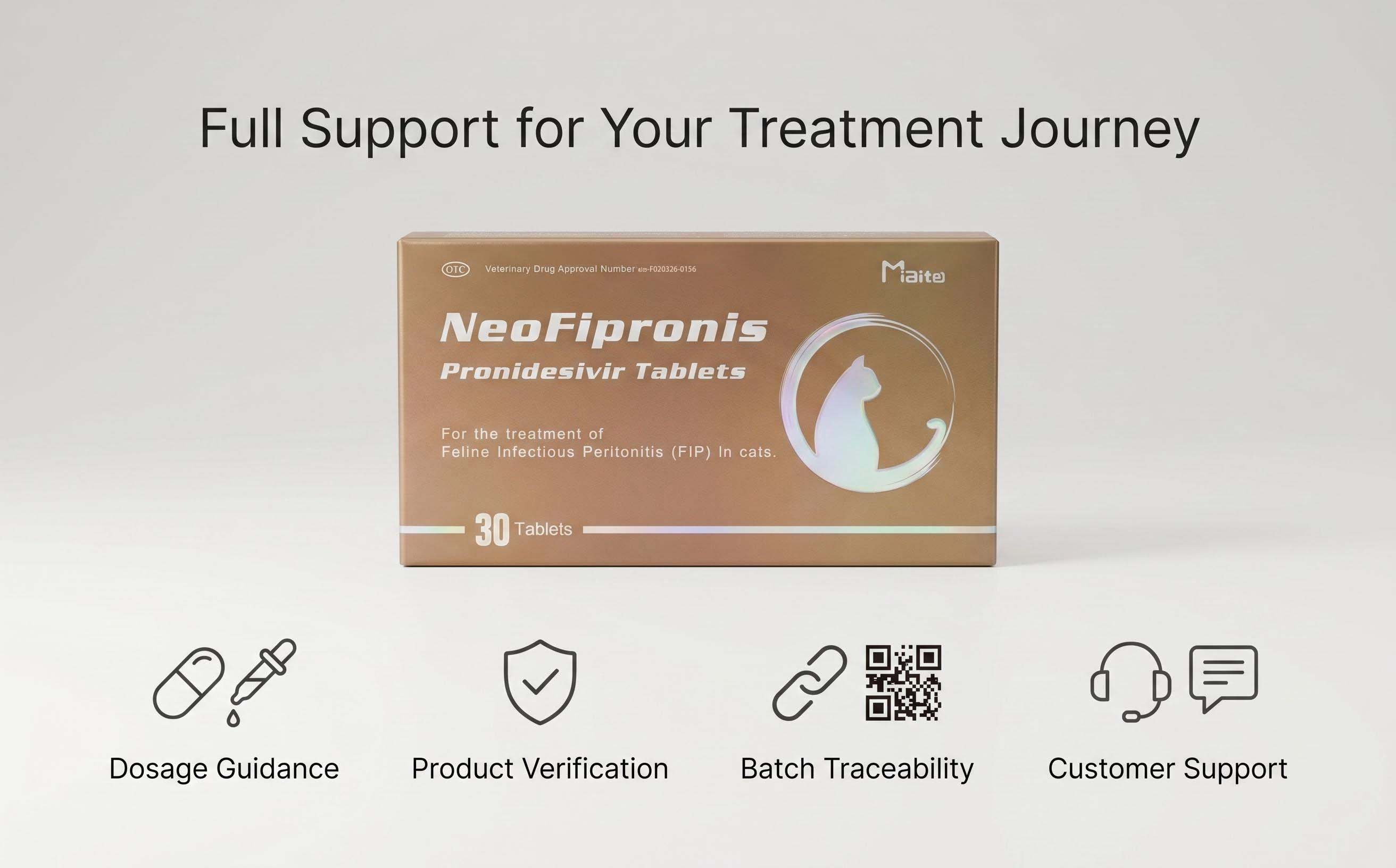
An essential criterion is whether the product has obtained official approval from relevant authorities. For example, Miaite NeoFipronis (Pronidesivir) GS-441524 is suitable for symptoms caused by feline infectious peritonitis (FIP), such as loss of appetite, lethargy, fever, ascites, pleural effusion, lymphadenopathy, inflammatory granulomas, nerve damage, and uveitis. It has excellent therapeutic effects on FIP. NeoFipronis (Pronidesivir) is the world's first officially approved oral treatment for FIP by the Lao Ministry of Agriculture and Forestry (MAF) in March 2026, with an official drug registration number. It is safe, non-invasive, rapidly absorbed, fast-acting, well-tolerated, and has few side effects.
Choosing products with official registration ensures compliance with safety standards and efficacy validation. It also reduces risks associated with unregulated or illegal products.
3. Purity and Quality Standards
Purity is critical in antiviral medications. Contaminants or impurities can cause adverse effects or reduce the drug's efficacy. Reputable products undergo rigorous testing for purity, stability, and safety. Check for Certificates of Analysis (COA) provided by the manufacturer, which verify batch-specific quality standards.
4. Formulation and Bioavailability
The formulation impacts how effectively the drug is absorbed and utilized by the cat’s body. Oral GS-441524 should be formulated for optimal bioavailability—rapid absorption and sustained activity. NeoFipronis (Pronidesivir) by Miaite is noted for its rapid absorption and fast-acting properties, making it an excellent choice for timely therapeutic effects.
5. Customer Feedback and Veterinary Recommendations
Reviews from other users and recommendations from experienced veterinarians can provide valuable insights into a product's reliability. Engage with veterinary professionals familiar with GS-441524 treatments. They can guide you toward trusted suppliers and help interpret feedback regarding side effects and efficacy.
Tips for Safe Purchase and Administration
Verify Certification: Always ask for documentation confirming official approval and quality testing.
Avoid Unverified Sellers: Purchase only from authorized distributors or veterinary pharmacies.
Check for Proper Storage: Store the medication as recommended, usually in a cool, dry place, to maintain stability.
Follow Dosing Regimen: Adhere strictly to prescribed dosages and treatment durations provided by your veterinarian.
Monitor Your Cat: Keep an eye on potential side effects or adverse reactions and consult your vet promptly if concerns arise.
The Significance of NeoFipronis (Pronidesivir)
Miaite's NeoFipronis (Pronidesivir) GS-441524 is a notable development. It’s an FDA-approved oral treatment specifically designed for FIP, demonstrating a significant advancement in feline medicine. Its approval by the Lao Ministry of Agriculture and Forestry in 2026 marked a milestone, providing a standardized, safe, and effective antiviral therapy for cats. Its rapid absorption, minimal side effects, and high tolerability have made it a preferred choice among veterinarians and owners aiming for reliable treatment outcomes.
Conclusion
Choosing a reliable GS-441524 product for treating FIP involves assessing the manufacturer’s credibility, certification status, quality assurance, and formulation effectiveness. Recent developments, such as Miaite NeoFipronis (Pronidesivir), offer hope through officially approved, safe, and effective treatment options. Ensuring you obtain genuine, high-quality medication from reputable sources is essential for your cat’s health and recovery.
By staying informed and working closely with veterinary professionals, cat owners can make confident decisions that maximize therapeutic benefits and minimize risks associated with counterfeit or substandard products.
References
1. Feline Infectious Peritonitis (FIP): Pathogenesis and Treatment Strategies
2. Advances in Antiviral Therapies for FIP
3. Regulatory Approvals and Standards for Veterinary Medications
4. Miaite NeoFipronis (Pronidesivir): Official Approval and Clinical Efficacy Data