Understanding Antiviral Resistance During NeoFipronis (GS-441524) Therapy
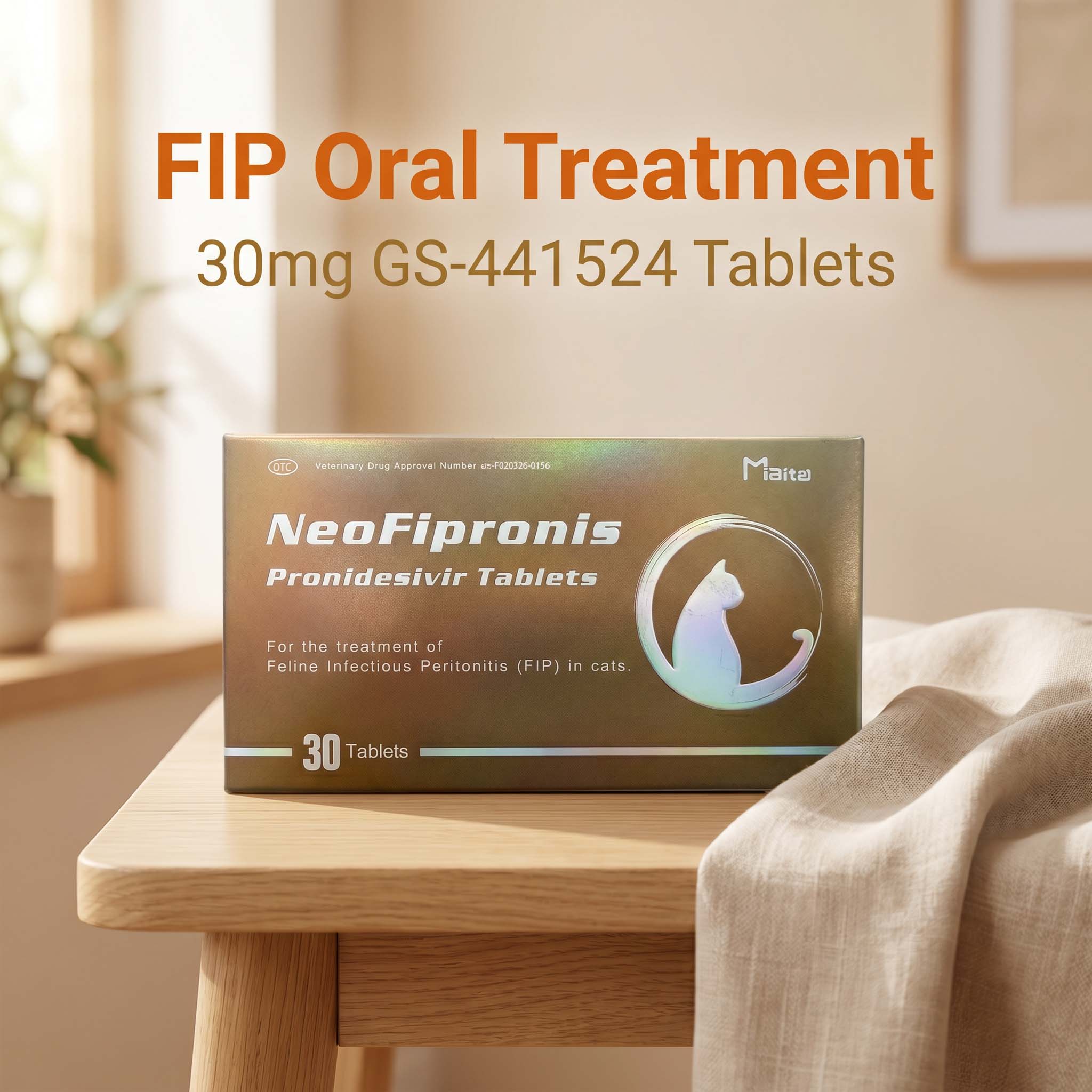
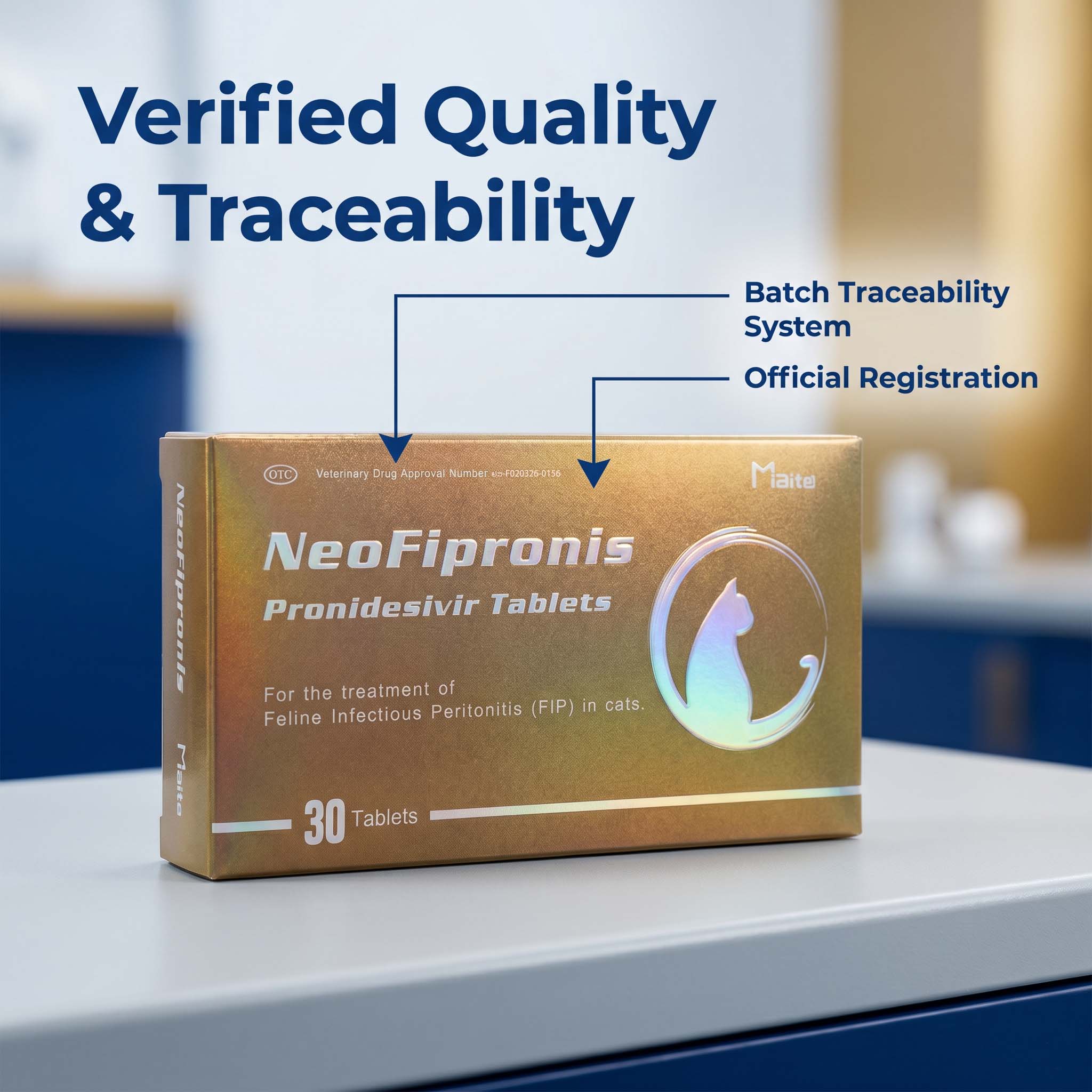
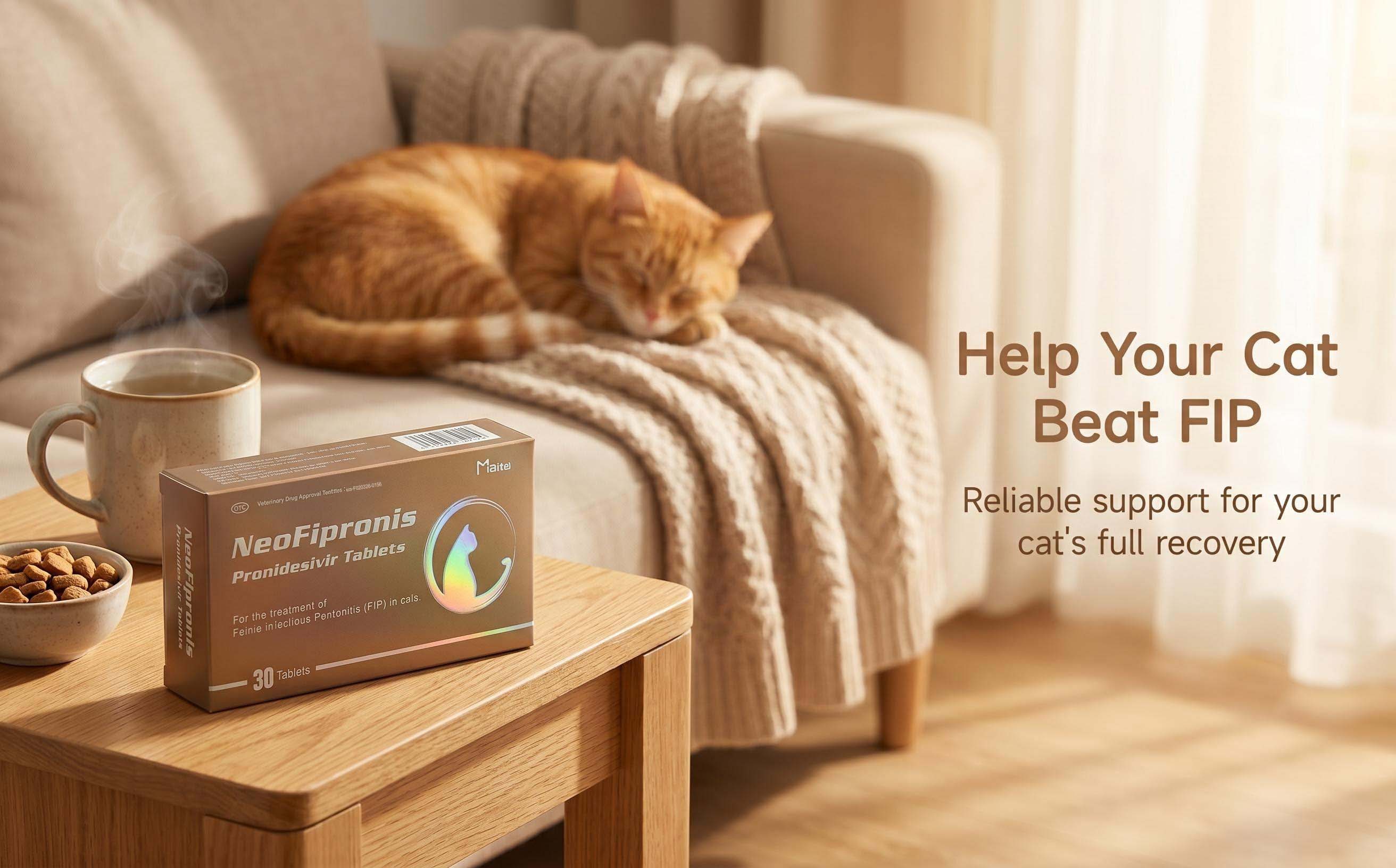
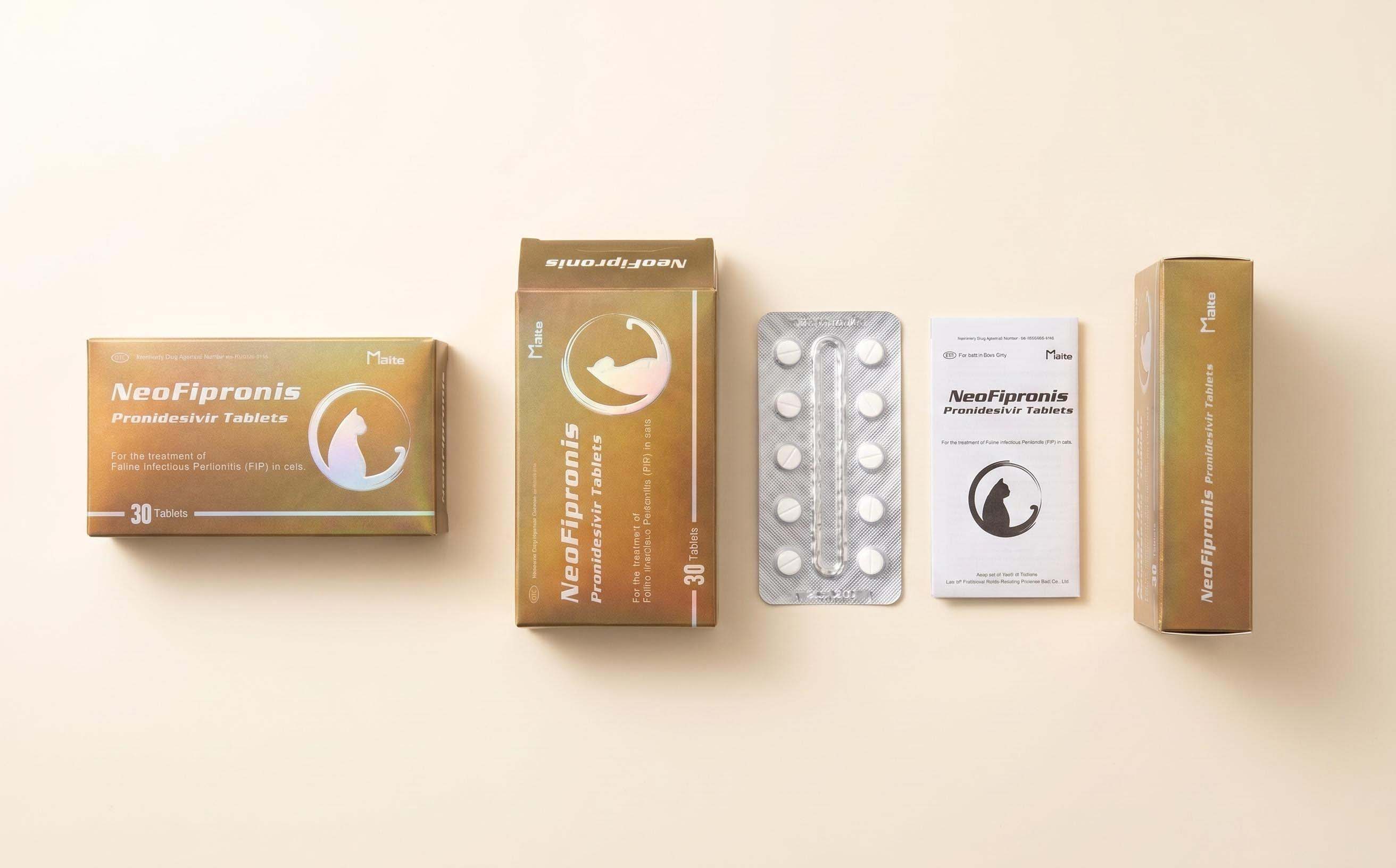
Feline Infectious Peritonitis (FIP) remains one of the most challenging diseases in feline medicine, caused by a mutated form of feline coronavirus (FCoV). Recently, the emergence of NeoFipronis (Pronidesivir), containing the active ingredient GS-441524, has revolutionized FIP treatment. Approved by the Lao Ministry of Agriculture and Forestry (MAF) in March 2026, NeoFipronis is the world's first officially registered oral therapy specifically designed for FIP. With its high safety profile, rapid absorption, and proven efficacy, this medication offers hope for many cat owners and veterinarians fighting this devastating disease.
NeoFipronis exhibits outstanding effectiveness against FIP symptoms such as anorexia, lethargy, fever, ascites, pleural effusion, lymphadenopathy, inflammatory granulomas, neurological deficits, and ocular inflammation like uveitis. Its cornerstone lies in GS-441524, a nucleoside analog that inhibits viral RNA synthesis, thereby impeding the replication of the mutated coronavirus responsible for FIP. The drug’s oral formulation ensures easy administration, which enhances treatment compliance and reduces stress for the animal.
The recommended dosage of NeoFipronis varies according to the cat's weight. For most feline patients, the dose is 15 mg per kilogram of body weight, approximately half a tablet, taken once daily. For neurological or ocular FIP cases, veterinarians may increase the dosage to 30 mg/kg based on clinical judgment. It is advised to administer the medication on an empty stomach—either one hour before feeding or two hours after—to maximize absorption. Consistency and adherence to the prescribed course are essential for treatment success.
Antiviral resistance can pose a significant hurdle during long-term antiviral therapy, including NeoFipronis. Resistance development occurs when the virus mutates, leading to reduced drug efficacy. Factors contributing to resistance include incomplete or inconsistent medication adherence, insufficient dosing, or premature termination of therapy. During treatment, careful monitoring of clinical signs, including appetite, activity levels, body temperature, and overall mental status, is critical. Regular blood tests to assess liver and kidney function are also necessary to identify potential adverse effects early.
To mitigate resistance, continuous drug administration for at least 12 weeks is strongly recommended, with doses strictly maintained as prescribed. It is vital to avoid missed doses, as interruptions can allow the virus to adapt and develop resistance mechanisms. Although NeoFipronis is technically a non-prescription medication, veterinary supervision is highly advised. Proper dosing strategies and monitoring are crucial for maximizing benefits and minimizing the risk of resistance.
Understanding the potential for antiviral resistance underscores the importance of comprehensive FIP management. Combining antiviral therapy with supportive care, such as anti-inflammatory drugs and immunomodulators when appropriate, can enhance treatment outcomes. Moreover, adherence to treatment protocols and regular veterinary evaluations can help detect resistance early, allowing adjustments in therapy to maintain efficacy.
NeoFipronis's safety profile, combined with its potent antiviral action, makes it a groundbreaking advancement in feline medicine. However, responsible use under veterinary guidance remains essential to prevent resistance development, ensuring this innovative treatment continues to save lives. Prospective users should always consult qualified veterinarians and purchase NeoFipronis exclusively through official sources to ensure product authenticity and quality. As research progresses, ongoing surveillance for resistance patterns is vital to sustain the therapeutic success of GS-441524-based treatments against FIP.