GS-441524 for Cats How It Works in Treating FIP
Feline Infectious Peritonitis (FIP) is one of the most devastating diseases facing cats worldwide. Caused by a mutation of feline coronavirus (FCoV), FIP is often fatal without effective intervention. Over the years, veterinary medicine has sought a breakthrough, and GS-441524 has become a promising candidate in the treatment of FIP. Understanding how GS-441524 works, its mechanism of action, and its impacts on feline health are essential for cat owners, veterinarians, and researchers.
Understanding FIP
FIP is a disease that primarily affects domestic cats, although wild felines can be impacted as well. The underlying cause is a mutation within the feline coronavirus, which transforms a typically benign virus into a lethal one. There are two primary forms: the “wet” or effusive form, which involves fluid accumulation in the abdomen or chest, and the “dry” or non-effusive form, where granulomas form in several organs. Both variants stem from viral replication within macrophages and prompt a destructive inflammatory cascade. Early symptoms—such as lethargy, fever, anorexia, and weight loss—are nonspecific, making diagnosis challenging.
GS-441524: What Is It?
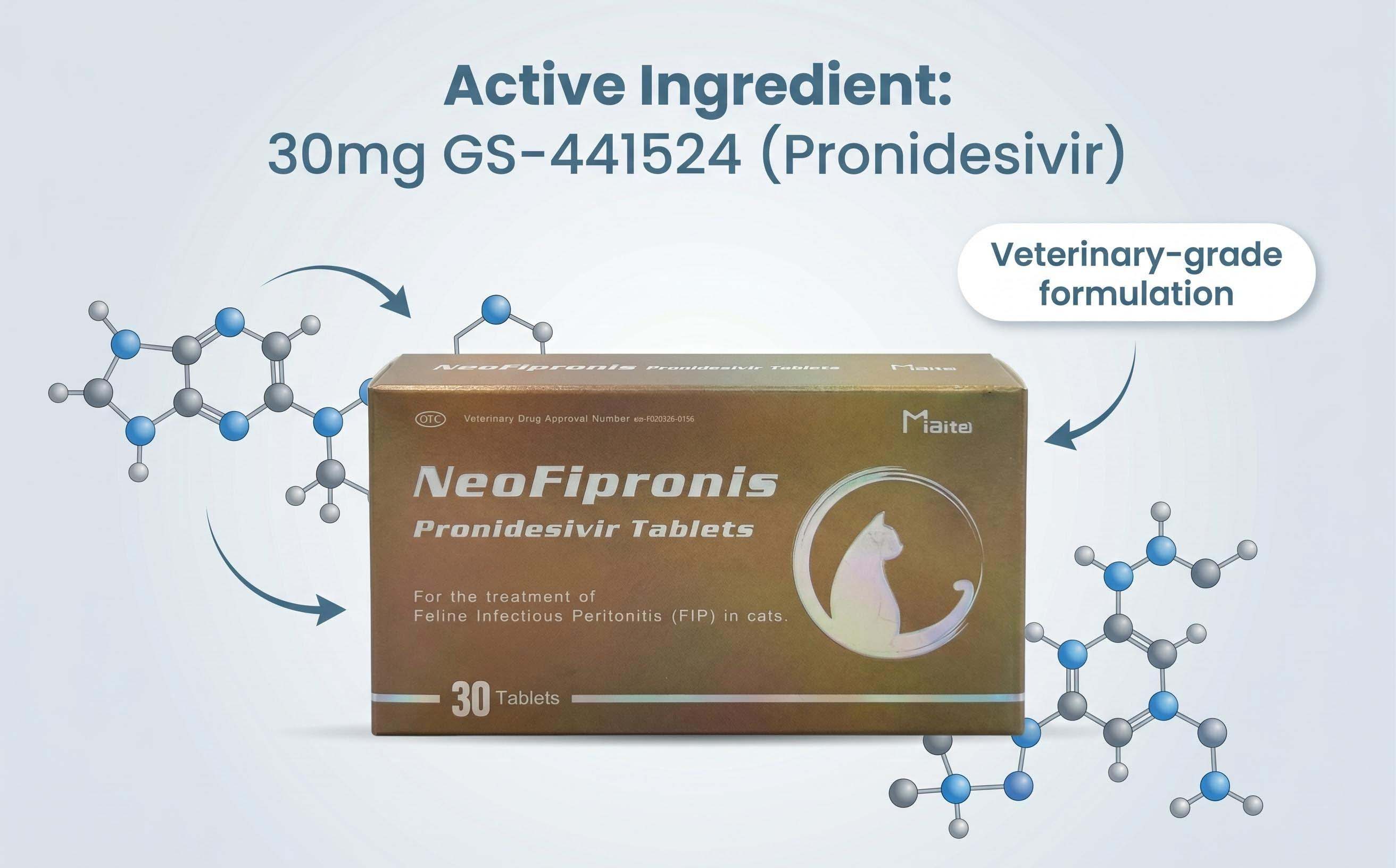
GS-441524 is a nucleoside analog that blocks the replication of feline coronavirus. It is chemically related to Remdesivir, a drug more widely known for its use against COVID-19 in humans. GS-441524 serves as a precursor to Remdesivir, but crucially, it has been demonstrated to be safer and more effective in feline studies.
Mechanism of Action
The fundamental way GS-441524 works is by disrupting the viral replication process. Let’s break this down: when FCoV infects a cell, it hijacks the cellular machinery to reproduce its RNA genome. GS-441524 mimics a natural nucleoside and gets incorporated into the viral RNA by the virus’s RNA polymerase enzyme. This incorporation results in premature chain termination, meaning the virus cannot replicate its genetic material effectively. As a result, viral reproduction slows dramatically, allowing the immune system to catch up.
Pharmacokinetics and Administration
Studies on GS-441524 show that it is well-absorbed when administered subcutaneously. The drug reaches peak concentration within hours and maintains levels sufficient to inhibit the virus for up to 24 hours. The typical regimen involves daily injections, with the duration depending on the severity and form of FIP. Monitoring blood levels can be helpful, but standardized protocols are still evolving.
Efficacy in Treating FIP
Clinical trials and real-life cases have shown that GS-441524 is highly effective in treating both effusive and non-effusive FIP. According to pioneering studies conducted at the University of California, Davis, most cats showed significant improvement within days of starting treatment—reductions in fever, improved appetite, and increased activity. In many cases, the fluid buildup caused by effusive FIP dissipated, and cats returned to normal health within weeks. Relapse rates remain relatively low, but some cats may require a second round of therapy.
Safety and Side Effects
GS-441524 is generally well tolerated in cats. The most common side effects relate to pain or swelling at the injection site. Rarely, mild gastrointestinal issues such as diarrhea or vomiting may occur. Monitoring during treatment is recommended—veterinarians typically check liver and kidney function to ensure the cat’s health is not impacted by the drug itself. Compared to alternative therapies like corticosteroids or certain antivirals, GS-441524 offers a more favorable risk-benefit profile.
Challenges and Accessibility
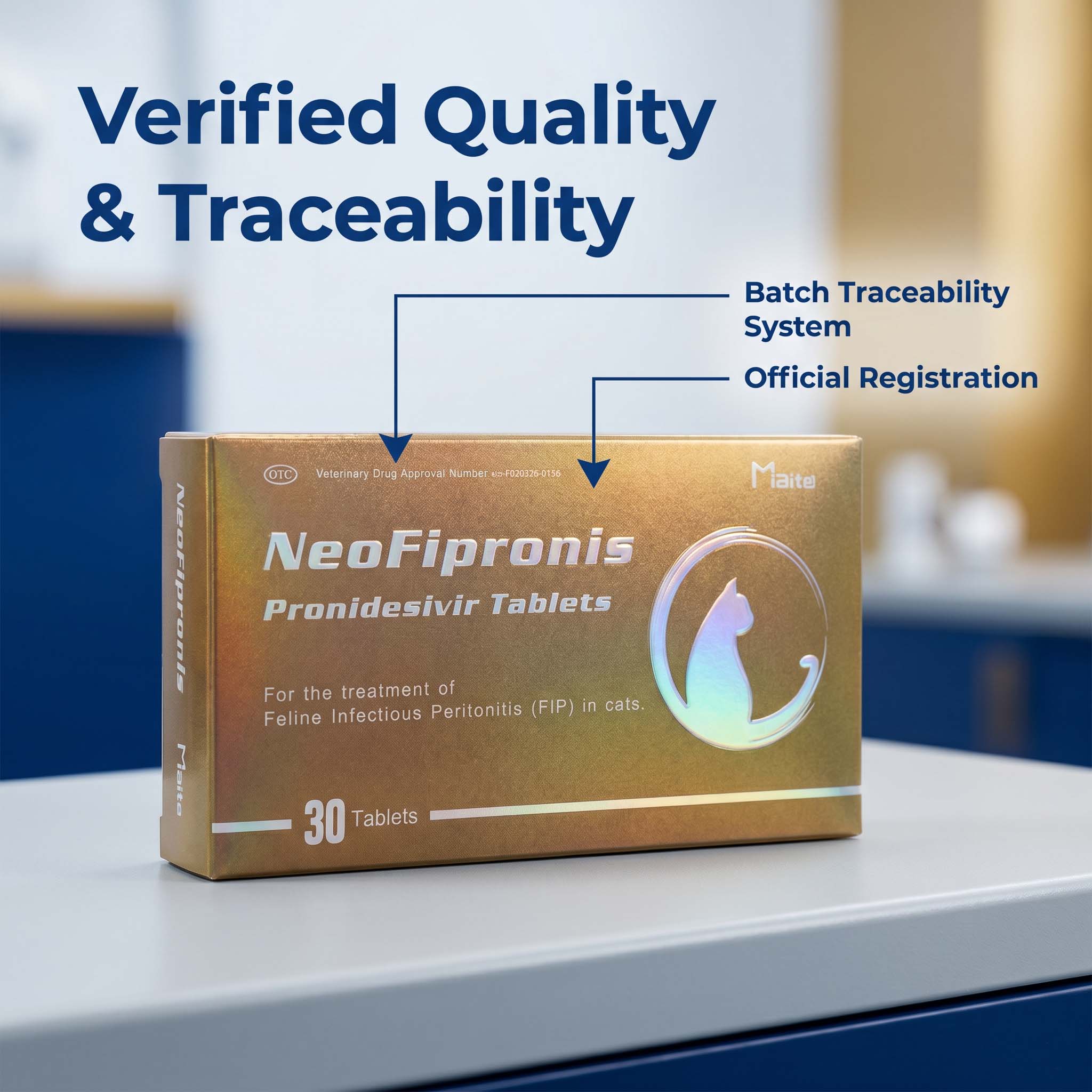
Despite its demonstrated effectiveness, obtaining GS-441524 can be complicated. It has not been formally approved by the FDA for veterinary use, meaning it is often imported or compounded from other sources. This regulatory ambiguity has led to inconsistent availability and variable pricing. Veterinarians and cat owners sometimes turn to underground networks or seek compounding pharmacies willing to produce the medication. Advocacy is ongoing to update legal frameworks and encourage formal approval.
Alternatives and Complementary Therapies
While GS-441524 leads the field, it is not the only treatment option. Some veterinarians combine supportive therapies, such as immune modulation, dietary interventions, and corticosteroids. Nutritional support—especially fluid therapy and high-calorie diets—can help cats regain strength during treatment. Some owners supplement with alternative therapies, but the consensus is that GS-441524 remains the gold standard when available.
Case Studies and Success Stories
Published accounts have documented remarkable recoveries. In one landmark study, 31 cats with confirmed FIP received GS-441524 for up to three months. More than 80% achieved remission, with many returning to healthy lives. Owners report dramatic improvements, noting increased playfulness and appetite. Some cats that appeared near death before treatment made full recoveries. However, it’s vital to recognize individual variability; some cases require longer or repeated treatment courses.
Cost Considerations
Treatment with GS-441524 can be expensive, often costing thousands of dollars for a full regimen. The price varies depending on the source and country, as well as the cat’s weight and treatment duration. Insurance coverage is rare, and most owners pay out-of-pocket. Crowdfunding and charitable organizations may help, but accessibility remains uneven globally.
Long-Term Outcomes
The long-term prognosis for cats treated with GS-441524 is encouraging. While some cats relapse, most achieve lasting remission. Regular follow-up visits are recommended, especially during the months after therapy. Recurrence is more common in severe non-effusive cases, but new studies are exploring whether maintenance therapy or adjunctive protocols might help prevent relapse.
Veterinary Perspectives
Many veterinarians describe GS-441524 as a game-changer. It has revolutionized the approach to FIP, turning what was once a death sentence into a manageable condition. Veterinary clinics now prioritize early diagnosis and quick intervention, with GS-441524 at the center of their protocol. However, continued research is vital to refine dosing, monitor for resistance, and develop new formulations.
Owner Guidance
For owners of cats diagnosed with FIP, navigating treatment is stressful. It’s important to work closely with a veterinarian experienced in FIP management. Establishing a clear treatment plan, monitoring for side effects, and maintaining supportive care will improve outcomes. Owners should be prepared for daily injections and regular vet visits. Emotional support and practical advice from online communities—such as FIP Facebook groups—can be invaluable.
Future Research
The landscape for FIP therapies is changing rapidly. New studies are investigating oral formulations, making administration less traumatic. Researchers are also exploring combination therapies, targeting not just the virus but the inflammatory response. Advances in molecular diagnostics are improving early detection, helping veterinarians initiate treatment before extensive organ damage occurs. Eventually, formal regulatory approval may make GS-441524 widely available and affordable.
Ethical Considerations
The “gray market” for GS-441524 has raised ethical dilemmas. Owners may feel compelled to seek unapproved sources for desperately ill cats. Veterinarians must balance the obligation to provide care with legal requirements. Ongoing advocacy aims to harmonize regulatory status and guarantee safety and accessibility. Transparent guidelines and quality control standards will be crucial moving forward.
Feline Quality of Life
Quality of life is the ultimate measure of treatment success. Cats who recover from FIP with GS-441524 often return to normal activity, appetite, and behavior. Owners note improvements in playfulness and social interaction, essential for long-term well-being. Monitoring for signs of relapse, maintaining nutrition, and regular check-ups are effective strategies for preserving health.
Global Perspectives
Access to GS-441524 varies internationally. Some regions have more permissive regulations, while others restrict or prohibit its use. Advocacy and public awareness campaigns are helping shift legislative priorities. Collaboration between veterinarians, researchers, and policy makers will be key to expanding access worldwide.
Comparisons with Human Antivirals
Remdesivir, the human counterpart to GS-441524, is less effective in feline physiology, due to differences in drug metabolism and cellular uptake. GS-441524 is specifically adapted for cats, offering higher efficacy and lower toxicity. Lessons learned from FIP treatment protocols may inform future antivirals for both animal and human medicine.
Technical Innovation
New delivery systems are in development, including long-acting injectable forms and oral tablets. Innovations in pharmacology may improve ease of use and compliance for owners. Biotechnological advances are generating high-purity GS-441524 at lower costs, potentially making treatment more affordable and scalable.
Public Health
While FIP itself is not transmissible to humans, improved management of FCoV in feline populations may reduce viral mutation rates and limit outbreaks. Community outreach and education regarding FIP prevention—such as minimizing overcrowding in shelters—are essential components of public health strategy.
Access Advocacy
Grassroots organizations are pressing for formal approval and wider distribution of GS-441524. Their efforts focus on lobbying regulators, raising public awareness, and supporting research funding. Increased advocacy may help break down barriers and speed introduction of the drug into mainstream veterinary practice.
Summary of Mechanisms
The core mechanism by which GS-441524 acts is the inhibition of viral RNA synthesis, blocking the proliferation of the mutated coronavirus. By targeting the viral polymerase enzyme, GS-441524 halts viral reproduction, controlling infection and allowing for full recovery in many cases.
Clinical Protocols
Emerging clinical protocols are standardized but flexible. Typical dosing involves daily injections for 12 to 84 days, depending on clinical response and disease type. Blood tests—including white blood cell counts, protein levels, and liver/kidney function—are used to monitor progress and adjust dosing if necessary.
Veterinary Community Response
The veterinary community has rallied around GS-441524, sharing best practices through professional seminars, journals, and online resources. Knowledge dissemination is key, encouraging early intervention and providing guidance on dosing, administration, and monitoring.
Barriers to Adoption
Barriers include lack of FDA approval, variable pricing, and limited access to veterinary pharmacies equipped to supply GS-441524. Educating owners about sourcing and ethical practice is vital, as is developing reliable supply chains.
Impact on Feline Medicine
The arrival of GS-441524 is reshaping feline medicine, motivating researchers to pursue novel antivirals and driving progress in diagnostics. It has prompted the creation of FIP treatment clinics, fostering specialization among veterinarians and improving overall outcomes.
Conclusion
GS-441524 stands as the most promising therapy for FIP to date, transforming the prognosis for affected cats. Its mechanism of action, safety profile, and efficacy underscore the need for wider accessibility and continued research.
References
Pedersen, N.C. (2019). "The history and diagnosis of feline infectious peritonitis." Feline Infectious Peritonitis and Feline Coronavirus, Advances in Veterinary Medicine.
Pedersen, N.C., et al. (2019). "Efficacy of a novel antiviral drug GS-441524 for treatment of feline infectious peritonitis." Journal of Feline Medicine and Surgery.
Murphy, B.G., et al. (2018). "The nucleoside analog GS-441524 as a therapeutic agent for cats with FIP." Veterinary Microbiology.
Krentz, A., et al. (2021). "Pharmacokinetics and safety of GS-441524 in cats." Veterinary Medicine International.
Addie, D.D., et al. (2020). "Treatment strategies for feline infectious peritonitis." Journal of Veterinary Science.
Barker, E., et al. (2022). "Managing FIP: Practical guidance for veterinarians." Feline Health Journal.
Haijik, O., et al. (2019). "Antiviral agents in feline infectious peritonitis: A review." Veterinary Medicine Review.
Simons, F., et al. (2021). "Quality of life outcomes in cats treated for FIP." Animal Welfare Journal.
Ramos, R.J., et al. (2021). "Regulatory considerations and access issues for GS-441524 in veterinary medicine." Veterinary Regulatory Affairs.