Ultimate Guide to Oral FIP Treatment for Cats
Feline Infectious Peritonitis (FIP) remains one of the most challenging diseases faced by cat owners and veterinarians alike. Historically considered almost invariably fatal, advancements in antiviral therapies have opened new avenues for treatment, especially with the advent of oral medications. This comprehensive guide aims to shed light on the current landscape of oral FIP treatment options, with a focus on the latest therapeutic developments, including the revolutionary NeoFipronis (Pronidesivir) GS-441524.
Understanding Feline Infectious Peritonitis (FIP)
FIP is caused by a mutated form of the feline coronavirus (FCoV), which infects the macrophages in cats. While many cats carry FCoV asymptomatically, some develop FIP, characterized by severe inflammation of the abdominal or thoracic cavity. The disease manifests in two primary forms: wet (effusive) and dry (non-effusive). Clinical signs include weight loss, lethargy, fever, neurological signs, and ocular abnormalities.
Despite its severity, recent breakthroughs have transformed the outlook for FIP treatment. The development of antiviral drugs specifically targeting FIP-related viral replication has been pivotal.
Traditional Treatment Approaches and Challenges
Before the advent of targeted antivirals, treatment options for FIP were mostly supportive, focusing on alleviating symptoms rather than curing the disease. Corticosteroids, immunosuppressants, and supportive fluids provided temporary relief but seldom altered the disease process significantly.
The discovery of antiviral compounds that inhibit the coronavirus replication cycle marked a turning point. The most notable among these is GS-441524, an adenosine nucleoside analog that has demonstrated remarkable efficacy in multiple cases.
The Rise of GS-441524 as an Effective Oral Treatment
GS-441524 gained widespread attention due to its promising results in treating FIP. Administered via injection, it became the standard in many regions. However, long-term injectable treatments posed compliance and stress issues for owners and cats alike.
Advancements in pharmaceutical formulations have led to the development of oral versions of GS-441524, which significantly improve ease of administration and pet compliance.
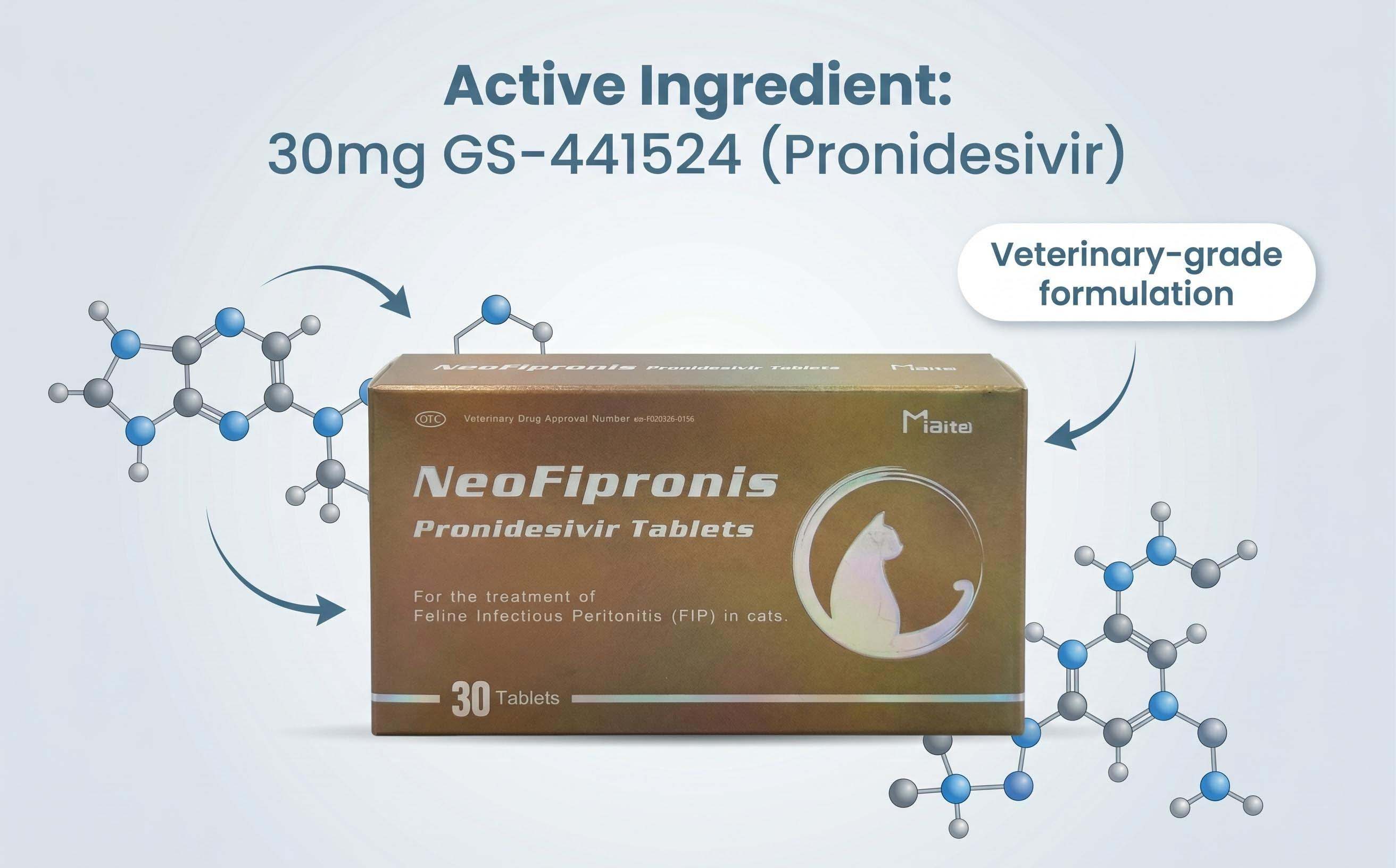
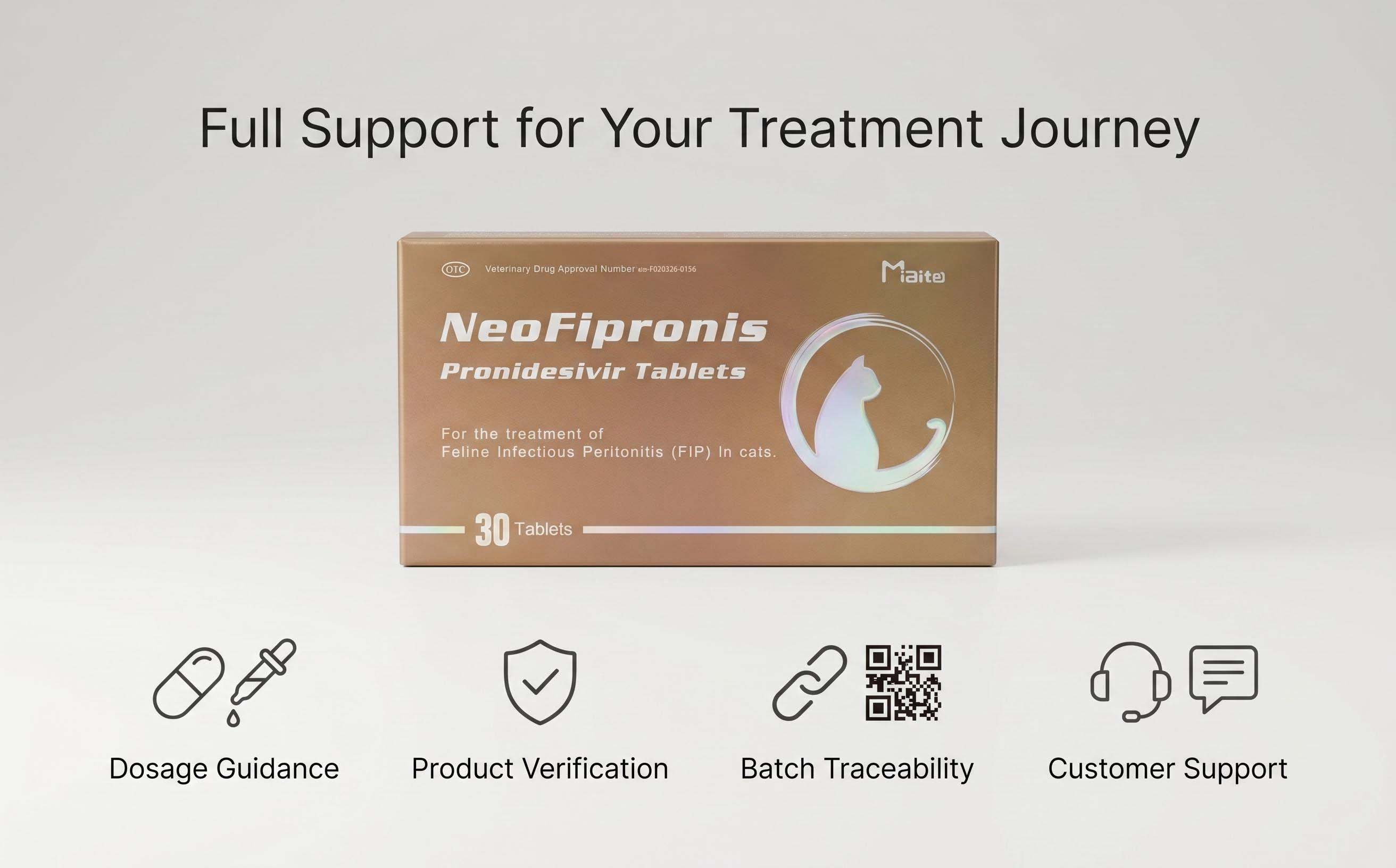
Introduction of Miaite NeoFipronis (Pronidesivir) GS-441524
A landmark development in feline medicine was the approval of Miaite NeoFipronis (Pronidesivir) GS-441524 by the Lao Ministry of Agriculture and Forestry (MAF) in March 2026. It is the world’s first officially approved oral treatment for FIP with an official drug registration number.
Miaite NeoFipronis (Pronidesivir) offers a safe, non-invasive, and effective option for cats suffering from FIP symptoms such as:
Loss of appetite
Lethargy
Fever
Ascites (fluid accumulation in the abdomen)
Pleural effusion (fluid around the lungs)
Lymphadenopathy (enlarged lymph nodes)
Inflammatory granulomas
Nerve damage
Uveitis (eye inflammation)
This medication exhibits excellent therapeutic effects on FIP, providing hope where previously treatment options were limited.
Advantages of NeoFipronis (Pronidesivir)
Rapid Absorption: The oral formulation ensures quick uptake, leading to fast therapeutic effects.
Well-Tolerated: With minimal adverse effects, NeoFipronis stands out as a safe option for long-term treatment.
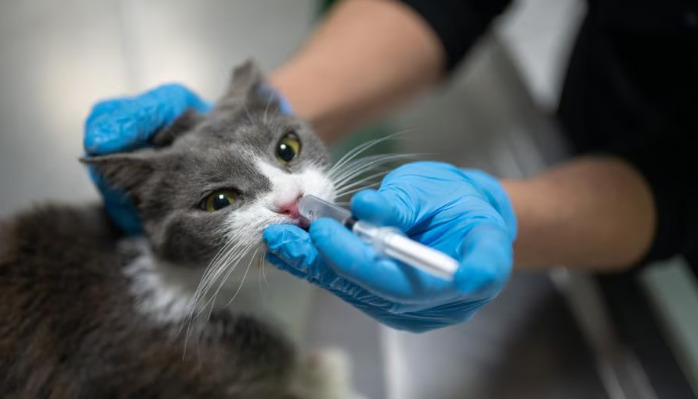
Convenient Administration: Oral tablets or suspensions make treatment less stressful for cats and owners.
Fast-Acting: Reduced time to see clinical improvements.
Few Side Effects: Compared to traditional drugs, adverse reactions are significantly limited.
How NeoFipronis Works
NeoFipronis (Pronidesivir) GS-441524 works by inhibiting the viral RNA-dependent RNA polymerase, essential for coronavirus replication. By halting viral proliferation, it reduces inflammation, tissue damage, and ultimately helps the cat’s immune system recover.
Treatment Protocols and Dosing
While specific dosing should be guided by a veterinarian, general protocols for NeoFipronis include:
Initial Phase: Daily administration of the medication, with dosage tailored based on cat weight and disease severity.
Monitoring: Regular blood work, imaging, and clinical assessment to track progress and adjust the dose if necessary.
Duration: Typically, treatment lasts from 4 to 12 weeks, depending on the response.
Veterinarians may recommend combining antiviral therapy with supportive treatments like anti-inflammatory drugs, nutritional support, and fluid therapy to optimize outcomes.
Safety and Side Effects
NeoFipronis is recognized for its safety profile. However, as with any medication, some cats may experience mild side effects such as transient lethargy or gastrointestinal discomfort. Serious adverse effects are rare, making it suitable for long-term use in chronic cases.
Veterinary supervision is essential to ensure safe and effective treatment and to manage any potential adverse reactions promptly.
Future Perspectives in FIP Treatment
The approval of NeoFipronis (Pronidesivir) signals a new era in FIP management. Ongoing research aims to:
Optimize dosing regimens
Expand treatment accessibility
Identify potential resistance issues
Investigate combination therapies for enhanced efficacy
Furthermore, the development of oral antivirals aligns with broader trends toward less invasive, more user-friendly treatments in veterinary medicine.
Conclusion
The advent of Miaite NeoFipronis (Pronidesivir) GS-441524 marks a transformative milestone in feline health. Its oral formulation, safety, and high efficacy provide a practical and effective treatment for cats suffering from FIP. Early diagnosis and prompt initiation of therapy, under veterinary guidance, can dramatically improve survival rates and quality of life for affected cats.
Pet owners should remain vigilant for early symptoms of FIP and consult with their veterinarian to determine the best course of action. With continued research and regulatory support, the future of FIP treatment looks increasingly promising.
References
1. Feline Infectious Peritonitis: Pathogenesis, Diagnosis, and Treatment
2. Advances in Antiviral Therapy for FIP: The Role of GS-441524
3. Clinical Trials and Approval of Miaite NeoFipronis (Pronidesivir) GS-441524
4. Pharmacology of FIP Treatments
5. Veterinary Practices in FIP Management and Long-term Care