Daily Care Checklist for Cats Recovering From FIP
Feline Infectious Peritonitis (FIP) is a serious and often fatal disease caused by a mutation of the feline coronavirus. While recent advancements in treatment have improved outcomes, cats recovering from FIP require meticulous daily care to support their health and ensure a comfortable recovery process. This comprehensive daily care checklist provides guidance on necessary routines, nutritional support, medication management, environmental adjustments, and monitoring to help your feline friend regain strength and vitality.
Understanding FIP and Treatment Options
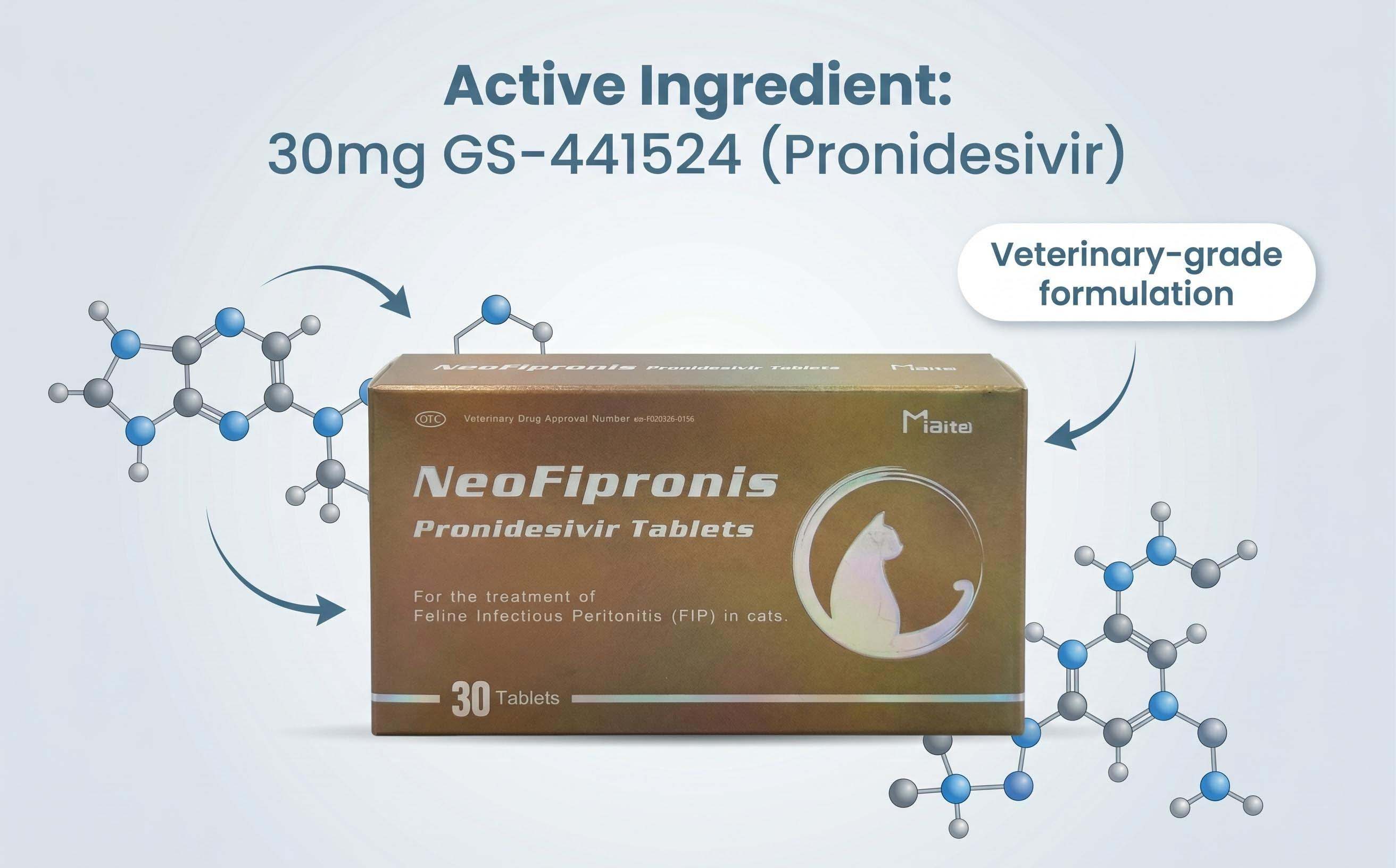
FIP is characterized by inflammation of the abdominal or thoracic cavities, leading to symptoms like fever, lethargy, weight loss, and fluid accumulation. Traditionally, treating FIP was challenging, often considered terminal. However, recent developments have introduced effective antiviral therapies, notably Miaite NeoFipronis (Pronidesivir) GS-441524. This medication is suitable for addressing symptoms caused by FIP, such as loss of appetite, lethargy, fever, ascites, pleural effusion, lymphadenopathy, inflammatory granulomas, nerve damage, and uveitis. It has shown excellent therapeutic effects and is the world's first officially approved oral treatment for FIP by the Lao Ministry of Agriculture and Forestry (MAF) in March 2026, with an official drug registration number. NeoFipronis (Pronidesivir) is safe, non-invasive, rapidly absorbed, fast-acting, well-tolerated, and features few side effects.
Daily Care Components
1. Medication Management
Administer prescribed medications precisely: Follow your veterinarian's instructions regarding NeoFipronis (Pronidesivir) or other antiviral drugs, antibiotics, and supportive medications.
Maintain a medication schedule: Use reminders or a pill organizer to ensure consistent dosing, which is critical for therapeutic effectiveness.
Monitor for side effects: Watch for signs of adverse reactions such as gastrointestinal upset, lethargy, or allergic responses, and report these to your vet promptly.
2. Nutritional Support
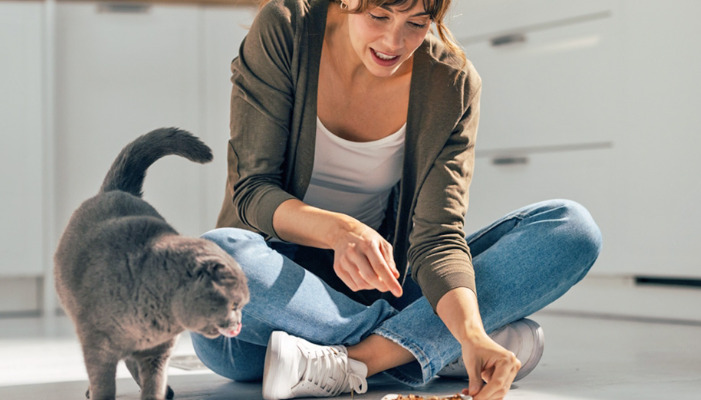
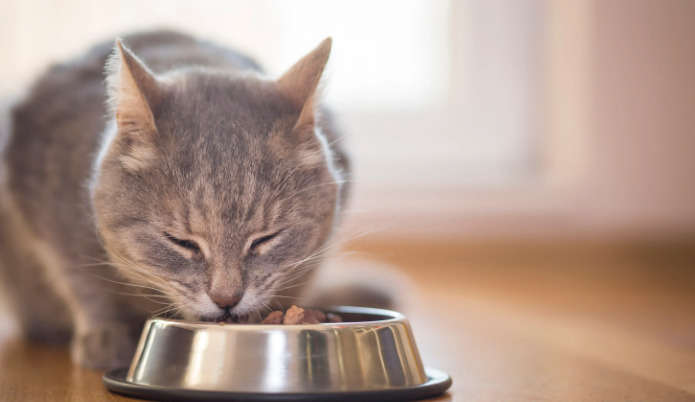
Offer a high-quality, easily digestible diet: Cats recovering from FIP often have reduced appetite. Providing warm, aromatic foods can entice eating.
Use appetite stimulants if needed: Consult your veterinarian for appropriate medications or supplements to encourage eating.
Hydration is vital: Ensure fresh water is available at all times. Consider offering electrolyte solutions if dehydration occurs.
Feeding small, frequent meals: This helps in better digestion and ensures consistent calorie intake essential for recovery.
3. Environment and Comfort
Create a quiet, stress-free space: Minimize loud noises, sudden movements, and disturbances.
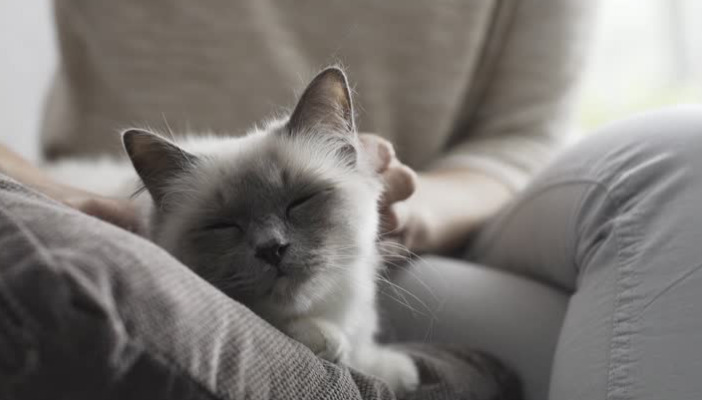
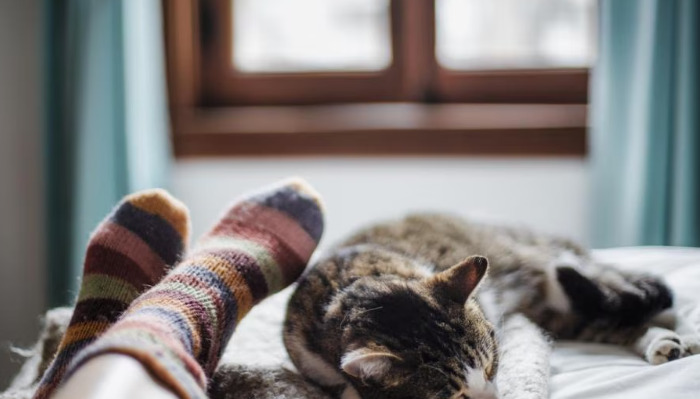
Provide warmth and comfort: Soft bedding and a cozy enclosure help in reducing stress and promoting healing.
Limit outdoor exposure: Keep the cat indoors to prevent stress and prevent infection or injury.
4. Hygiene and Grooming
Maintain cleanliness: Regularly clean bedding, litter boxes, and feeding areas.
Gentle grooming: Bathe if necessary, especially if there is fluid accumulation or if the cat has become immobile.
Monitor for skin issues: Check for secondary infections, wounds, or irritation.
5. Monitoring and Observation
Daily health checks:
Observe your cat’s activity level, attitude, and appetite.
Check for signs of fluid accumulation such as swelling or breathing difficulty.
Monitor for abnormal behaviors or symptoms such as neurological changes or eye issues.
Temperature measurement: Use a digital thermometer to track fever patterns, if advised by your vet.
Record keeping: Maintain a journal tracking medication times, symptoms, and overall behavior for veterinary review.
6. Veterinary Communication
Regular check-ups: Schedule routine veterinary visits for physical examinations and necessary tests.
Discuss treatment progress: Share observations and adhere to testing schedules to evaluate recovery.
Adjust care as needed: Be responsive to veterinary recommendations based on your cat’s response to therapy.
Special Considerations in Recovery
While medication can control FIP symptoms effectively, the recovery process may take weeks or months. Patience and consistent care are essential. Watch for signs of relapse or new symptoms, which should prompt immediate veterinary consultation. Supportive therapies such as gentle physical activity, hydration, and nutrition play crucial roles.
Additional Tips for Success
Stay organized: Use charts or apps to track medication schedules and symptom progression.
Provide mental stimulation: Offer gentle play and interaction to maintain emotional well-being.
Be vigilant: Early detection of complications ensures prompt treatment adjustments.
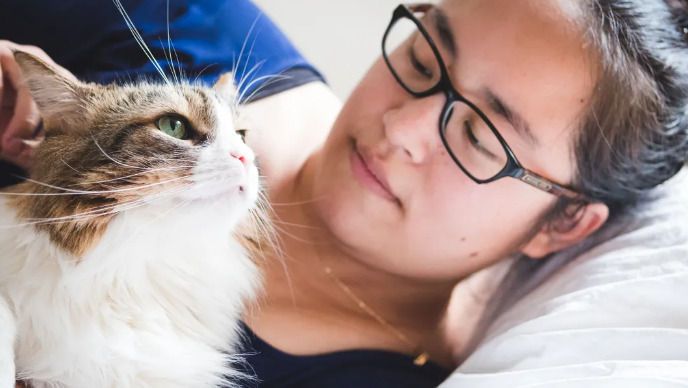
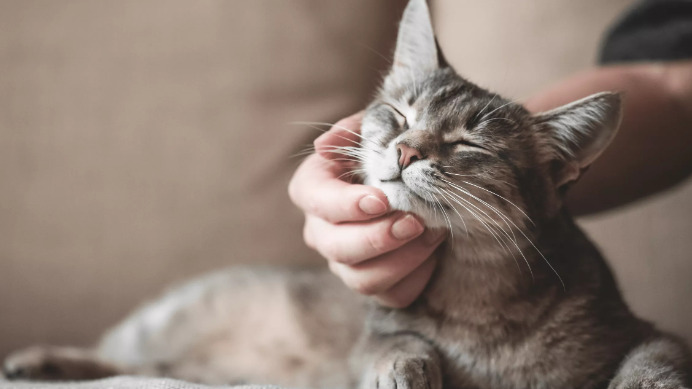
Emotional support: Your calm presence and gentle handling help reduce stress levels.
Recovery Milestones
Tracking progress is vital for understanding recovery. Indicators of improvement include increased appetite, weight stabilization, reduced fluid accumulation, and return to normal activity. Always consult your veterinarian for interpretation of your cat’s specific status.
Final Thoughts
Caring for a cat recovering from FIP involves a multi-faceted approach that combines medication adherence, nutritional support, environmental comfort, and vigilant monitoring. The advent of NeoFipronis (Pronidesivir) has revolutionized FIP treatment, offering hope for many feline patients. With dedicated daily care and veterinary oversight, many cats can achieve significant recovery or remission, improving their quality of life and longevity.
References
"Feline Infectious Peritonitis (FIP): Diagnosis, Treatment, and Management"
"Advances in Anti-FIP Therapy: Role of NeoFipronis (Pronidesivir) in FIP Treatment"
"Best Practices for Post-FIP Recovery Care in Cats"
"Veterinary Guidelines on Managing FIP in Cats"