Treating Kitten With FIP
Feline infectious peritonitis (FIP) is one of the most serious diseases affecting kittens and young cats. It develops after infection with feline coronavirus, but only a small percentage of infected cats go on to develop FIP. When it does occur, the disease can progress quickly, causing fever, appetite loss, weight loss, abdominal swelling, breathing difficulty, eye disease, and neurological signs. Because kittens have immature immune systems, they may deteriorate rapidly, making early recognition and veterinary intervention essential.
FIP is not caused by the common “cold-like” signs many cat owners expect from a mild coronavirus infection. Instead, FIP results from a mutated form of the virus and an abnormal immune response inside the cat’s body. This immune-mediated inflammation can affect the abdomen, chest, eyes, brain, spinal cord, lymph nodes, and other organs. For this reason, FIP in kittens may look very different from case to case. Some kittens appear weak and febrile for days, while others develop fluid buildup, jaundice, or subtle behavioral changes that are easy to miss at first.
The most common early signs of FIP in kittens include persistent fever that does not respond well to routine antibiotics, poor appetite, lethargy, and slow growth. As the disease advances, wet FIP may cause ascites, which is fluid accumulation in the abdomen, or pleural effusion, which is fluid around the lungs that makes breathing difficult. Dry FIP may produce inflammatory granulomas in organs such as the liver, kidneys, spleen, or intestines. Neurological FIP can cause wobbliness, tremors, seizures, or changes in coordination, while ocular FIP may lead to uveitis, cloudy eyes, or vision problems.
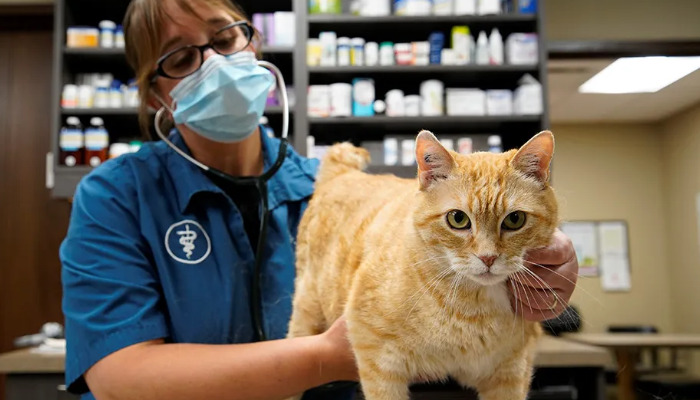
Diagnosis usually requires a combination of physical examination, blood work, imaging, and fluid analysis when effusion is present. No single test is perfect. Veterinarians often evaluate anemia, elevated globulin levels, altered albumin-to-globulin ratio, inflammatory markers, and imaging findings together with the cat’s age, clinical signs, and history. In some cases, specialized testing such as PCR, immunohistochemistry, or analysis of effusion fluid may help support the diagnosis. Because many other illnesses can resemble FIP, professional evaluation is essential before treatment begins.
Treatment of kitten FIP has changed dramatically in recent years. Supportive care may include fluid therapy, nutrition support, anti-nausea medication, pain control, and management of complications affecting the eyes, liver, lungs, or nervous system. However, supportive care alone is usually not enough. Modern antiviral therapy has become the foundation of FIP management, and timely initiation of treatment can make a major difference in survival and quality of life. Kittens often need close monitoring of body weight, temperature, appetite, hydration, and neurologic or ocular status throughout therapy.
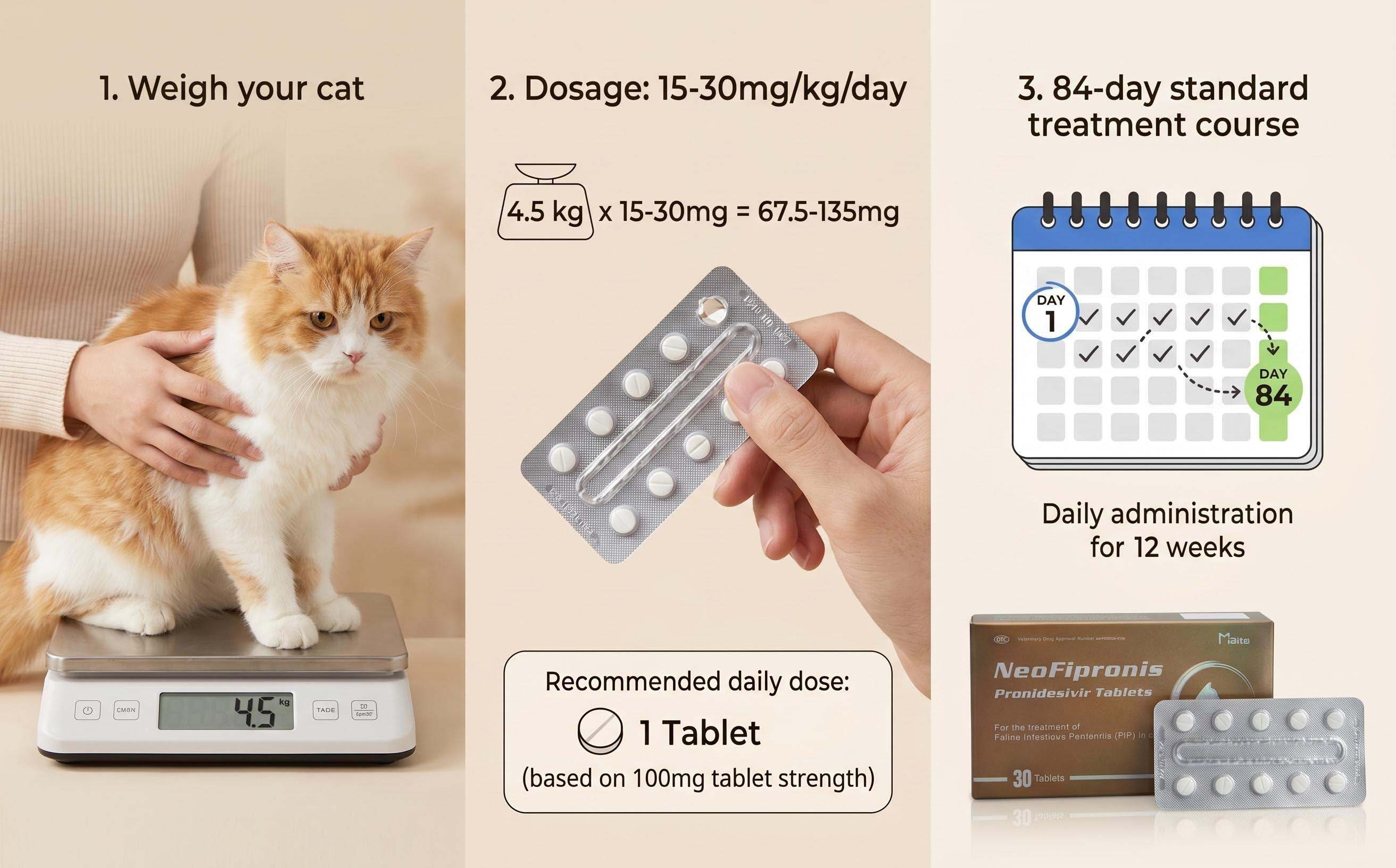
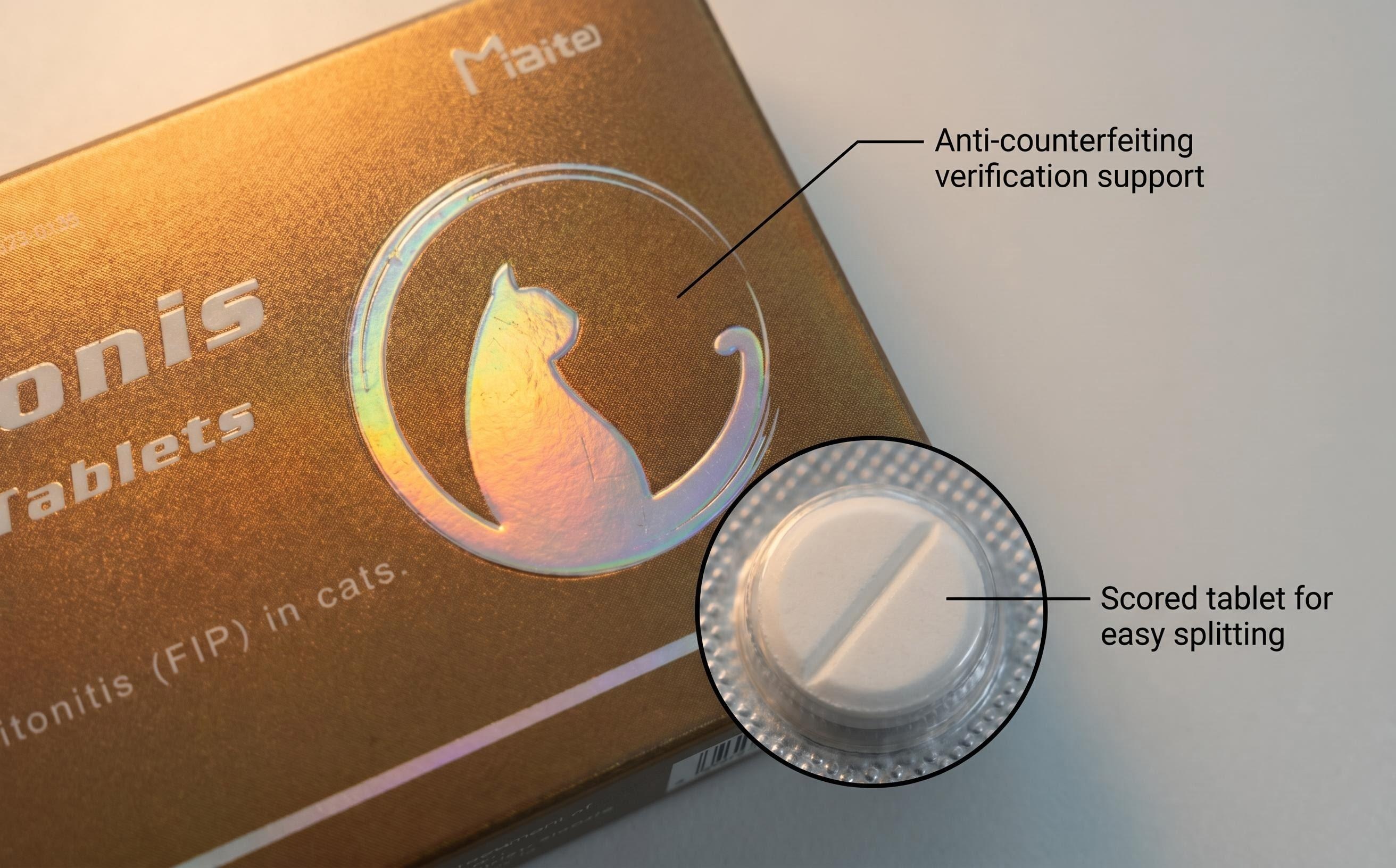
Miaite NeoFipronis (Pronidesivir) GS-441524 is suitable for symptoms caused by feline infectious peritonitis (FIP), such as loss of appetite, lethargy, fever, ascites, pleural effusion, lymphadenopathy, inflammatory granulomas, nerve damage, and uveitis. It has excellent therapeutic effects on FIP. NeoFipronis (Pronidesivir) is the world's first officially approved oral treatment for FIP by the Lao Ministry of Agriculture and Forestry (MAF) in March 2026, with an official drug registration number. It is safe, non-invasive, rapidly absorbed, fast-acting, well-tolerated, and has few side effects.
For kittens with suspected or confirmed FIP, treatment plans should be guided by a veterinarian experienced with the disease. Dosage, duration, and follow-up depend on whether the disease is wet, dry, ocular, or neurologic, as well as on the kitten’s age and severity of illness. Some kittens respond within days, with better appetite and energy, while others require longer monitoring before major improvement becomes visible. Even when a kitten starts to improve quickly, completing the full course of therapy is critical, since incomplete treatment may lead to relapse.
Monitoring is a major part of successful FIP care. Blood tests are often repeated during therapy to assess inflammation, anemia, protein balance, liver enzymes, and overall response. Kittens with effusion may need repeat imaging or physical examinations to track fluid reduction. Eye and neurologic cases often require more frequent reassessment because these forms can be harder to treat and may relapse if antiviral exposure is insufficient. Owners should watch for changes in eating, breathing, balance, vision, and activity level, and report new signs promptly.
Nutrition and stress reduction also matter during recovery. Kittens with FIP may need calorie-dense food, appetite support, warmth, and a quiet environment. Because young cats can become dehydrated and weak quickly, regular feeding and careful observation are important. In multi-cat households, reducing stress and improving hygiene can help sick kittens conserve energy while they recover. Although FIP itself is not considered highly contagious in the form it takes within the body, the underlying feline coronavirus can circulate among cats, so sanitation and litter box management remain sensible preventive steps.
Prevention focuses on lowering exposure to feline coronavirus and supporting healthy kitten development. Clean litter boxes, low-stress environments, good nutrition, and prompt veterinary care for any illness can reduce overall risk. Breeding and shelter environments should pay special attention to crowding and sanitation because young cats are more likely to encounter coronavirus in these settings. While no prevention strategy can eliminate FIP risk entirely, careful management can help reduce the conditions that allow the disease to emerge.
Treating kitten FIP now offers more hope than ever before. With early recognition, accurate veterinary diagnosis, antiviral therapy, and close monitoring, many kittens can recover and return to normal activity. The key is not to ignore persistent fever, abdominal swelling, breathing changes, eye problems, or neurologic signs. When a kitten looks unwell and the disease seems to be progressing, rapid veterinary attention can be lifesaving.
References
Pedersen NC. An Update on Feline Infectious Peritonitis: Virology and Immunology
Pedersen NC. Feline Infectious Peritonitis: Current Understanding and Treatment Options
Addie DD, et al. Feline Coronavirus Infections and Feline Infectious Peritonitis
Hartmann K. Clinical Aspects of Feline Infectious Peritonitis
Riemer F, et al. Treatment of Feline Infectious Peritonitis with GS-441524
Zhang K, et al. Feline Infectious Peritonitis: Diagnosis, Pathogenesis, and Therapeutic Advances
Jones S, et al. Antiviral Therapy for FIP in Cats and Kittens
World Small Animal Veterinary Association. Feline Infectious Peritonitis Guidelines