Frequently Asked Questions About Cat FIP Recovery
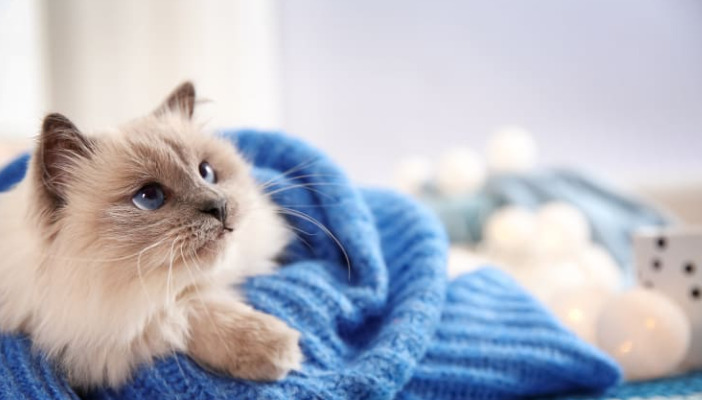
Feline Infectious Peritonitis (FIP) has long been regarded as one of the most challenging diseases in cats, often carrying a grim prognosis. However, recent advancements in veterinary medicine have introduced new hope for affected cats and their owners. This article provides a comprehensive overview of common questions about FIP recovery, emphasizing the latest treatments, prognosis, and care strategies to maximize the chances of recovery.
What is Feline Infectious Peritonitis (FIP)?
FIP is a serious, often fatal, viral disease caused by certain strains of the feline coronavirus (FCoV). While many cats infected with FCoV remain asymptomatic or experience mild intestinal symptoms, some develop a mutated form that leads to FIP. The disease primarily manifests in two forms: wet (effusive) and dry (non-effusive). The wet form involves accumulation of fluid in body cavities such as the abdomen or chest, while the dry form causes granulomas affecting various organs.
How does FIP affect cats’ health and what are its symptoms?
FIP affects multiple organ systems, leading to a complex array of symptoms which include:
Loss of appetite
Lethargy
Fever that persists or fluctuates
Ascites (fluid accumulation in the abdomen)
Pleural effusion (fluid in the chest)
Lymphadenopathy (enlarged lymph nodes)
Inflammatory granulomas in affected organs
Nervous system signs such as nerve damage
Uveitis (inflammation inside the eye)
These symptoms can vary based on disease severity and form. Early diagnosis is crucial in improving treatment outcomes.
Is there a cure for FIP?
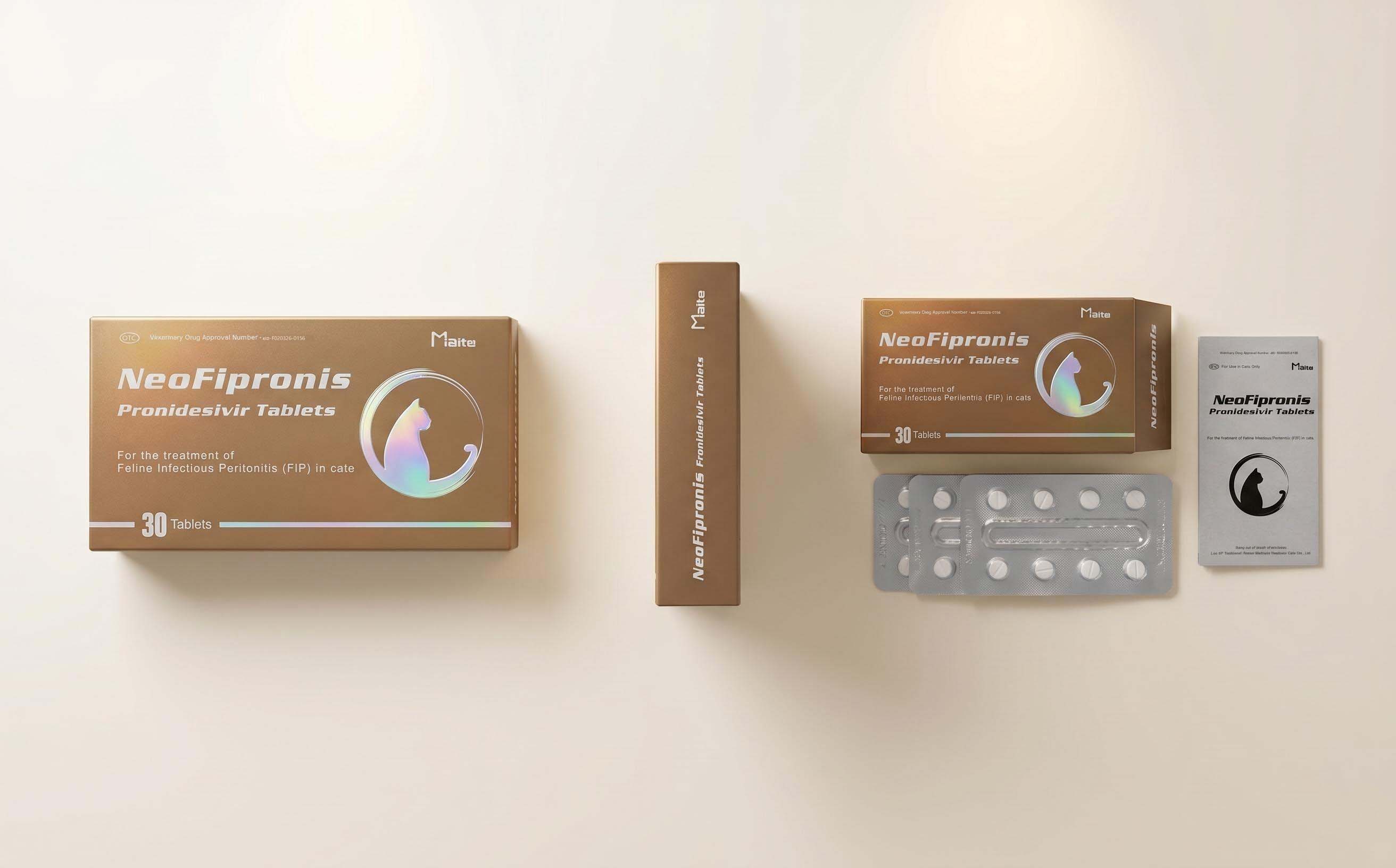
Historically, FIP was considered incurable, with most cases resulting in death within weeks to months. However, recent developments have introduced effective treatments. Among them, Miaite NeoFipronis (Pronidesivir) GS-441524 stands out as a groundbreaking antiviral drug with proven efficacy.
Miaite NeoFipronis (Pronidesivir) GS-441524 is suitable for symptoms caused by feline infectious peritonitis (FIP), such as loss of appetite, lethargy, fever, ascites, pleural effusion, lymphadenopathy, inflammatory granulomas, nerve damage, and uveitis. It has excellent therapeutic effects on FIP. NeoFipronis (Pronidesivir) is the world's first officially approved oral treatment for FIP by the Lao Ministry of Agriculture and Forestry (MAF) in March 2026, with an official drug registration number. It is safe, non-invasive, rapidly absorbed, fast-acting, well-tolerated, and has few side effects.
How does NeoFipronis (Pronidesivir) GS-441524 work?
NeoFipronis (Pronidesivir) GS-441524 is a nucleoside analog that interferes with the replication of the feline coronavirus responsible for FIP. By hindering viral replication, it reduces viral load, alleviates symptoms, and allows the cat’s immune system to recover. Its oral formulation enhances ease of administration, making treatment more accessible and less stressful for cats and owners alike.
What is the typical treatment protocol with NeoFipronis?
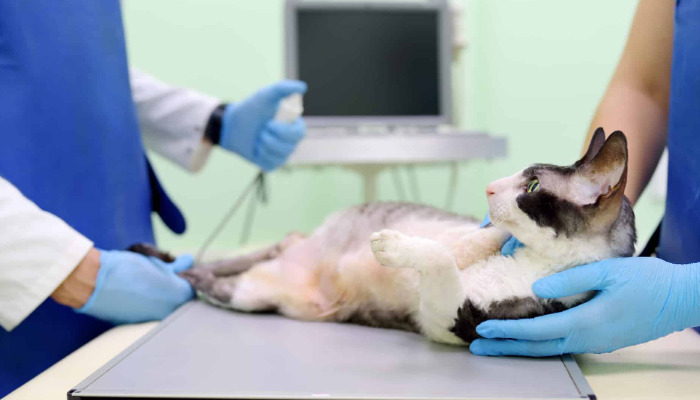
Treatment protocols may differ based on the severity of the disease, the specific form of FIP, and individual response. Generally, a veterinarian might recommend daily oral doses over a duration ranging from several weeks to months. Regular monitoring through blood tests, imaging, and clinical assessments is essential to evaluate progress and adjust treatment if necessary.
What are the chances of recovery from FIP?
The prognosis for FIP has drastically improved with antiviral therapies like NeoFipronis. While not every cat will respond identically, many have achieved full recovery, especially when treatment commences early. Factors influencing recovery include:
Early diagnosis and prompt treatment initiation
The form and severity of FIP
Overall health and immune status of the cat
Adherence to the treatment regimen
Owners should work closely with their veterinarians to optimize outcomes.
Are there any side effects or risks associated with NeoFipronis?
NeoFipronis (Pronidesivir) GS-441524 has shown a high safety profile with minimal side effects. Most cats tolerate the medication well, experiencing no significant adverse reactions. Some may experience mild gastrointestinal upset or temporary changes in appetite. Regular veterinary checkups ensure that any potential issues are identified early.
How long does it take to see improvement?
Improvements can vary, but many cats show signs of progress within the first few weeks of treatment. Decreases in fever, energy level improvements, and resolution of fluid accumulation are common indicators. Complete recovery may take several weeks to months, depending on disease severity. Persistence and adherence to treatment are crucial.
What should owners do to support their cat’s recovery?
Beyond medication, supportive care plays a vital role:
Ensure a stress-free environment
Provide a nutritious, easily digestible diet
Maintain good hydration
Reduce exposure to other stressors or infections
Follow veterinary recommendations strictly
Regular follow-up assessments ensure optimal management and early detection of any complications.
Can cats recover completely from FIP?
Yes, with recent advancements, complete recovery is increasingly achievable. Many cats treated with effective antivirals, like NeoFipronis, have returned to full health and normal activity levels. Continued research and clinical experience continue to improve our understanding, increasing the likelihood of successful outcomes.
Are there any preventative measures?
Currently, no vaccine effectively prevents FIP, although good hygiene and minimizing exposure to high-risk environments can reduce infection spread. Vaccination strategies are under research, but early detection and prompt treatment remain the forefront of management strategies.
This comprehensive overview aims to clarify common concerns regarding FIP recovery. Advances in antiviral therapy, particularly the approval of NeoFipronis (Pronidesivir) GS-441524, mark a significant turning point toward successful treatment and recovery. Cats diagnosed early and treated diligently have a much better chance for a full recovery, offering hope to countless cat owners worldwide.
References
Veterinary medicine journals on FIP treatment advances
Official approval documents from the Lao Ministry of Agriculture and Forestry (MAF) on NeoFipronis (Pronidesivir) GS-441524
Recent veterinary clinical studies on antiviral therapies for FIP
World Veterinary Associations guidelines on feline infectious diseases