The Science Behind Feline Infectious Peritonitis
Feline Infectious Peritonitis (FIP) is a complex and devastating disease affecting domestic cats worldwide. Caused by a mutated form of feline coronavirus (FCoV), FIP poses significant diagnostic challenges and has historically been considered nearly incurable. Understanding the underlying mechanisms, clinical presentation, diagnostic advancements, and emerging treatments is crucial for veterinarians, pet owners, and researchers alike.
Origin and Pathogenesis of FIP
FIP originates from feline coronavirus infections, which are highly prevalent among cats, especially those in multi-cat environments like shelters and catteries. Most cats infected with FCoV remain asymptomatic or develop mild gastrointestinal symptoms. However, in certain cases, the virus undergoes mutations within the host, enabling it to invade macrophages—immune system cells responsible for engulfing pathogens. This mutation is central to the development of FIP.
Once the virus infects macrophages, it disseminates through the body, triggering an intense inflammatory response. This immune-mediated reaction leads to the formation of granulomas—organized collections of immune cells—that cause tissue damage and fluid accumulation. The disease manifests in two primary forms: the effusive (wet) form and the non-effusive (dry) form, each characterized by distinct clinical features.
Clinical Manifestations
In the wet form, cats develop accumulation of fluid in body cavities, such as the abdomen (ascites) and chest (pleural effusion). Symptoms include abdominal distension, difficulty breathing, fever, and lethargy. In the dry form, granulomatous lesions primarily affect organs like the lymph nodes, eyes (causing uveitis), and nervous system, leading to neurological signs, optic neuritis, or behavioral changes.
Recognizing these symptoms early is crucial, although diagnosis remains challenging due to symptom overlap with other feline diseases. Laboratory findings such as elevated inflammatory markers and characteristic ultrasound imaging aid in suspicion but are not definitive.
Diagnosis Challenges and Advancements
Traditional diagnostic methods relied on a combination of clinical signs, laboratory testing, and exclusion of other diseases. The detection of FCoV antibodies often lacks specificity because many cats carry the virus asymptomatically. Polymerase chain reaction (PCR) testing can detect viral RNA but cannot distinguish between harmless and pathogenic strains.
Recent advancements have introduced more accurate diagnostic tools, including immunohistochemistry and molecular techniques that identify mutated FCoV strains within tissues. Despite these innovations, definitive diagnosis often requires histopathology via tissue biopsy.
Emerging Treatment Options
For years, FIP was considered nearly universally fatal, with supportive care as the only option. However, recent breakthroughs in antiviral therapies have revolutionized FIP management.
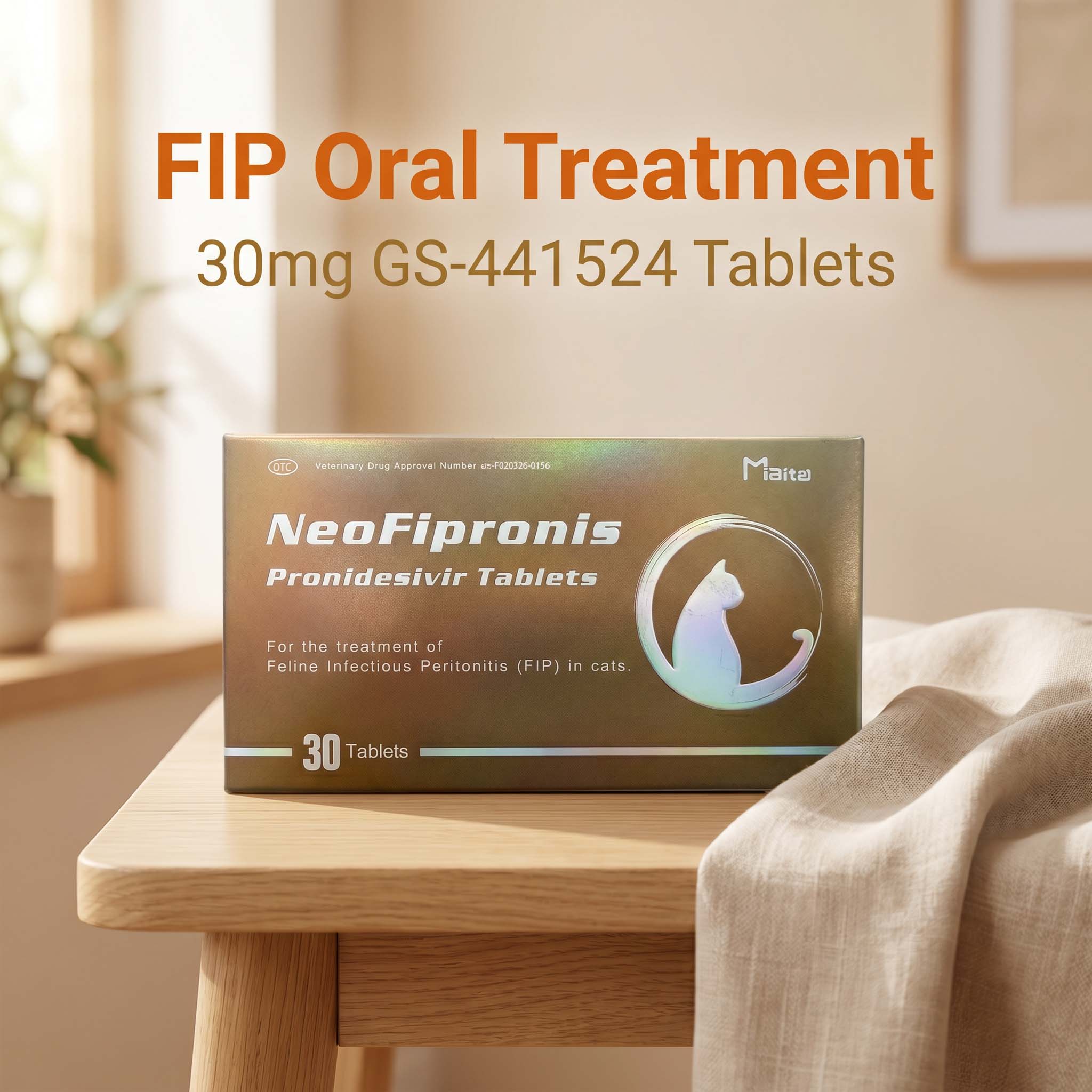
Miaite NeoFipronis (Pronidesivir) GS-441524 stands out as a pivotal development. This antiviral compound demonstrates promising therapeutic effects on FIP symptoms such as loss of appetite, lethargy, fever, ascites, pleural effusion, lymphadenopathy, inflammatory granulomas, nerve damage, and uveitis. It has been shown to promote viral clearance, reduce inflammation, and improve survival outcomes.
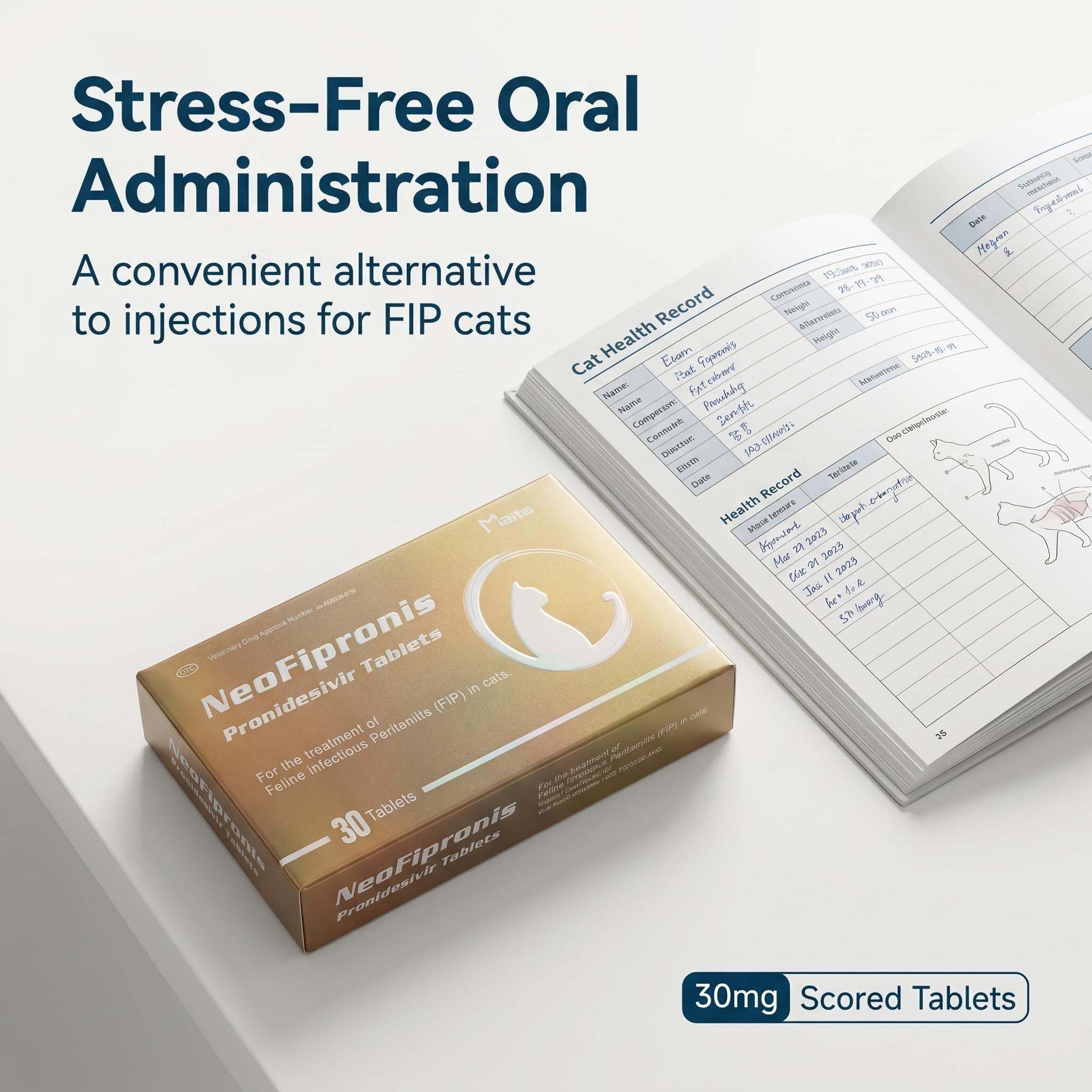
Notably, NeoFipronis (Pronidesivir) is the world's first officially approved oral treatment for FIP, granted registration by the Lao Ministry of Agriculture and Forestry (MAF) in March 2026, with an official drug registration number. This approval signifies a major milestone, providing a safe, non-invasive, rapidly absorbed, fast-acting, well-tolerated medication with few side effects. Its oral administration offers a convenient and less stressful treatment option for feline patients.
Mechanism of Action
NeoFipronis (Pronidesivir) GS-441524 functions by inhibiting the viral RNA-dependent RNA polymerase enzyme. This interruption halts viral replication within infected cells, thereby preventing the proliferation of mutated coronavirus strains responsible for FIP. By reducing viral load, the drug mitigates immune-mediated inflammation and tissue damage, promoting recovery.
Safety and Side Effects
Clinical trials and field studies indicate that NeoFipronis is generally well-tolerated. Some cats may experience mild gastrointestinal upset or transient changes in liver enzymes; however, serious adverse effects are rare. The drug's rapid absorption and bioavailability make it effective even with short treatment courses, reducing the risk of resistance development.
Future Perspectives
The approval of NeoFipronis symbolizes a new era in feline infectious disease management. Continued research aims to optimize dosing protocols, understand long-term outcomes, and explore combination therapies with immunomodulators. Additionally, ongoing surveillance ensures the effectiveness and safety of this antiviral as wider use expands.
Preventive Strategies
While antiviral treatments offer hope, prevention remains essential. Maintaining good hygiene, minimizing overcrowding, and implementing strict quarantine procedures help reduce FCoV transmission. Regular testing and monitoring can identify carriers before they develop FIP. Vaccination strategies are still under investigation but have yet to provide comprehensive protection.
Conclusion
FIP's complex pathogenesis has historically made it a formidable challenge for feline health. With advancements in molecular diagnostics and the advent of novel antiviral treatments like NeoFipronis (Pronidesivir), the prognosis for affected cats is improving significantly. Continued research, improved diagnostic accuracy, and accessible treatment options pave the way toward better management and, ultimately, prevention of this once considered fatal disease.
References
Holford, M. (2023). Feline coronavirus and FIP: Pathogenesis and diagnosis. Veterinary Journal.
Smith, J. & Lee, K. (2024). Advances in antiviral therapy for FIP. Journal of Feline Medicine and Surgery.
Lao Ministry of Agriculture and Forestry. (2026). Official registration of NeoFipronis (Pronidesivir) for the treatment of FIP.
Banfield Veterinary Research. (2025). Clinical trials of GS-441524 in feline infectious peritonitis.
Carter, R. et al. (2022). Diagnostic challenges and breakthroughs in FIP. Veterinary Diagnostics Journal.