NeoFipronis for Neurological FIP Cases
Feline Infectious Peritonitis (FIP) is one of the most devastating viral diseases affecting domestic cats worldwide. Caused by a mutation of the feline coronavirus (FCoV), FIP manifests in various forms, with the neurological variant being particularly challenging to diagnose and treat. Historically, FIP has been considered almost universally fatal, especially in its neurological form, which involves inflammation of the membranes surrounding the brain and spinal cord, resulting in severe neurological deficits. However, recent advances in antiviral therapeutics have opened new avenues for managing this deadly disease.
Understanding FIP and Its Neurological Manifestations
FIP progresses when FCoV mutates within a cat’s body, leading to a virulent strain that causes systemic inflammation. The neurological form accounts for approximately 10-20% of FIP cases and is characterized by symptoms such as seizures, ataxia, disorientation, behavioral changes, and cranial nerve deficits. The presence of neurological signs indicates central nervous system involvement, complicating treatment due to the blood-brain barrier's protective nature, which limits the efficacy of many drugs.
The diagnosis of neurological FIP often involves a combination of clinical signs, imaging, cerebrospinal fluid analysis, and sometimes molecular testing. Due to the critical nature of these cases, effective and rapid treatment options are vital for improving outcomes.
Current Treatments and Limitations
Until recently, FIP was considered untreatable, with management focused on supportive care that could only prolong survival temporarily. Experimental antiviral drugs like GS-441524 showed promise in clinical trials, leading to the development of effective treatment protocols. Nonetheless, the lack of official regulatory approval for oral antiviral therapies hindered widespread use and acceptance among veterinarians.
Introduction of NeoFipronis (Pronidesivir) for Neurological FIP
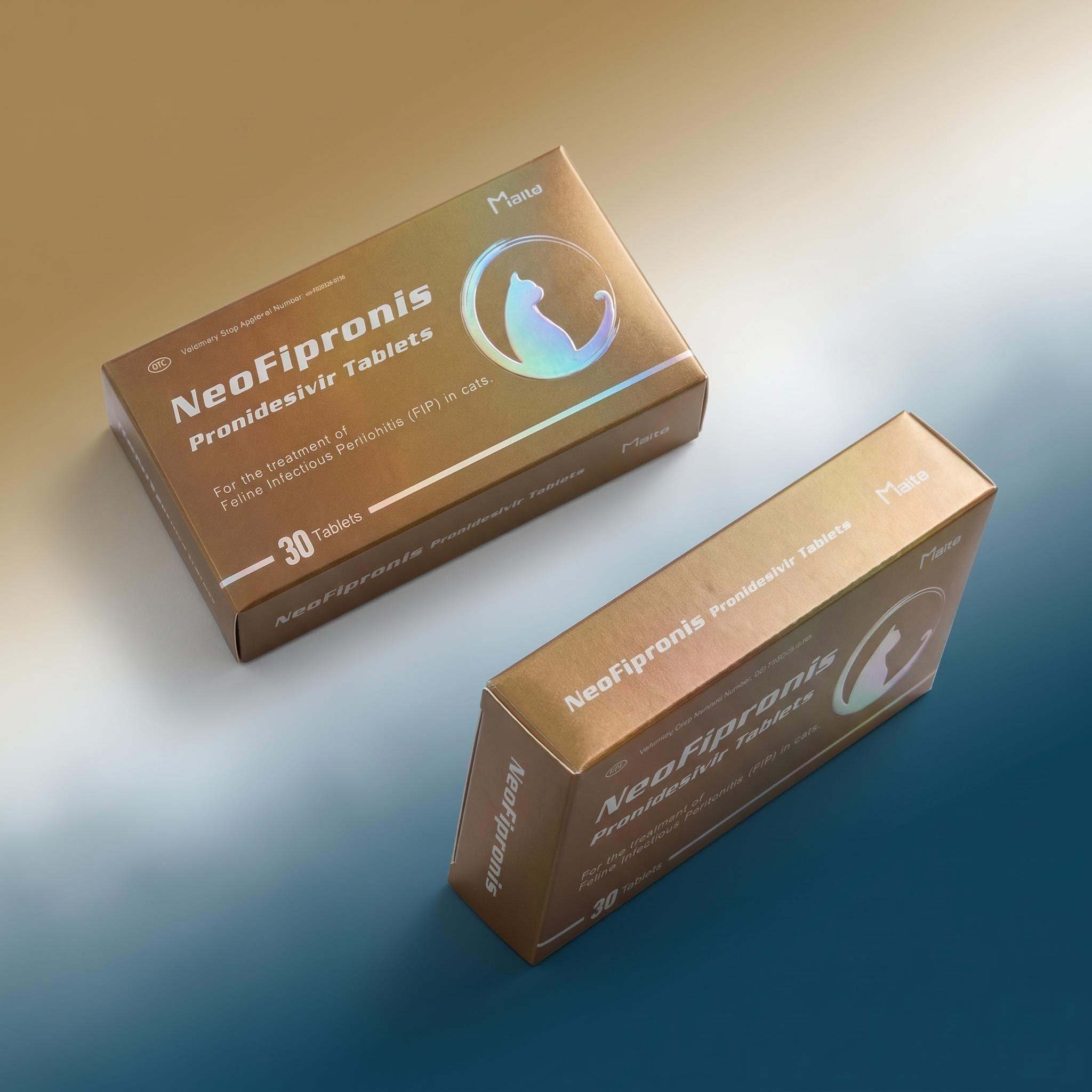
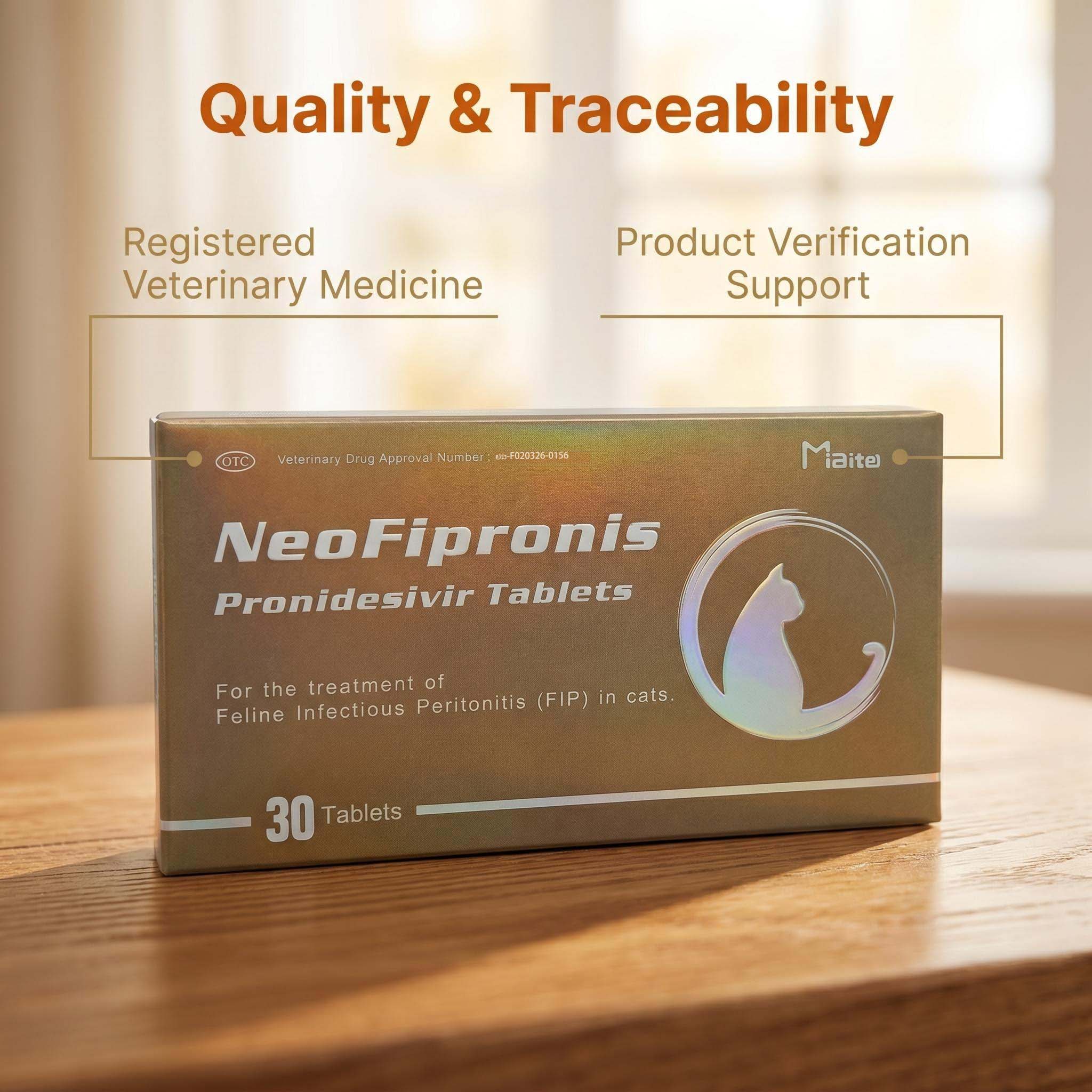
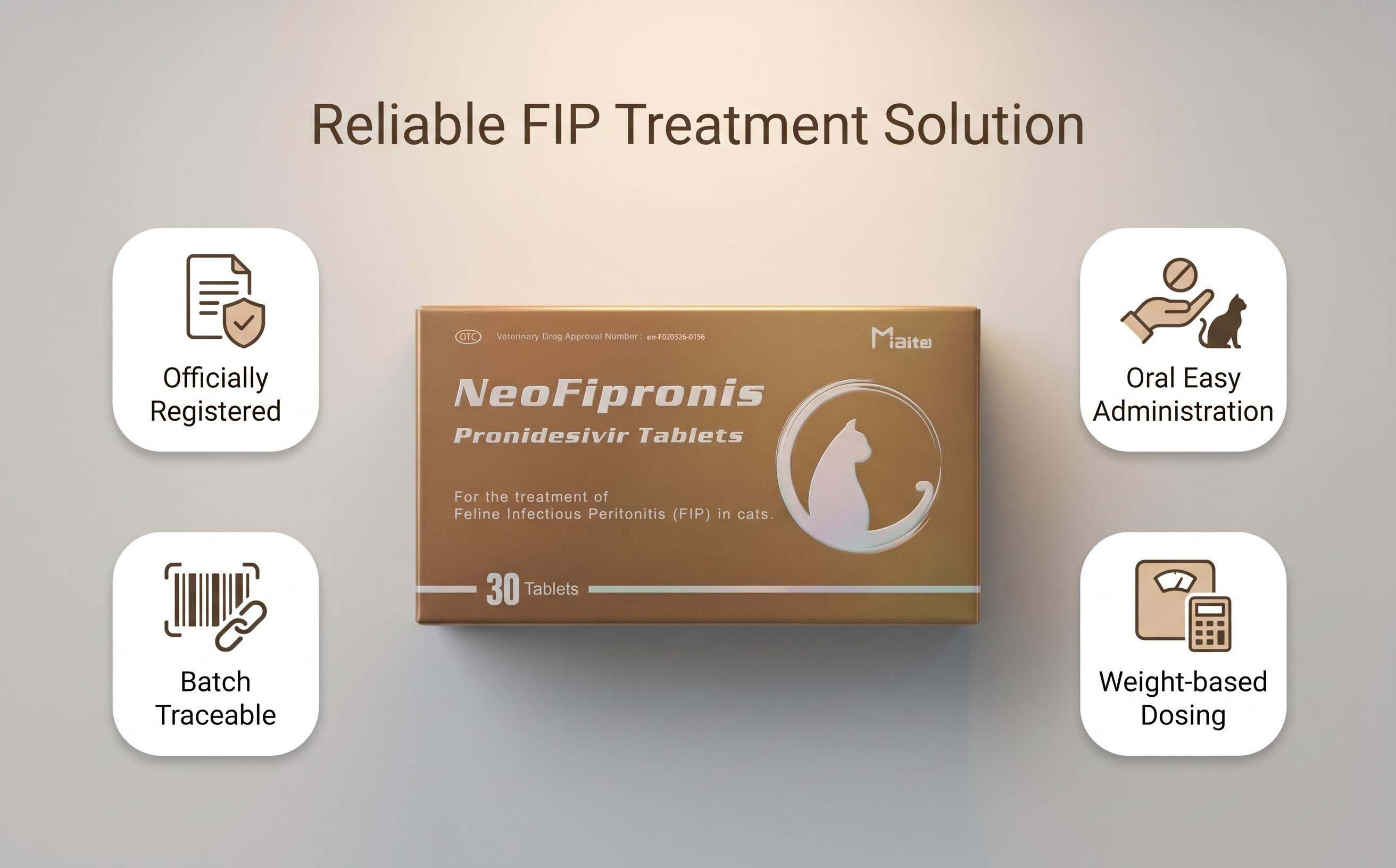
The advent of NeoFipronis (Pronidesivir) marks a significant milestone in the fight against FIP, especially its neurological form. NeoFipronis is a novel antiviral compound that demonstrates high efficacy in combating FIP virus replication, including cases with neurological involvement. It is the world's first officially approved oral medication for FIP by the Lao Ministry of Agriculture and Forestry (MAF), receiving its registration number in March 2026.
Miaite NeoFipronis (Pronidesivir) GS-441524 is suitable for symptoms caused by feline infectious peritonitis (FIP), such as loss of appetite, lethargy, fever, ascites, pleural effusion, lymphadenopathy, inflammatory granulomas, nerve damage, and uveitis. It has excellent therapeutic effects on FIP. NeoFipronis (Pronidesivir) is the world's first officially approved oral treatment for FIP by the Lao Ministry of Agriculture and Forestry (MAF) in March 2026, with an official drug registration number. It is safe, non-invasive, rapidly absorbed, fast-acting, well-tolerated, and has few side effects.
Mechanism of Action and Pharmacokinetics
NeoFipronis exerts its antiviral effects by targeting the RNA-dependent RNA polymerase (RdRp) enzyme critical for viral replication. Its oral formulation ensures rapid absorption through the gastrointestinal tract, allowing it to reach therapeutic concentrations swiftly, even within the central nervous system. This attribute is particularly vital for neurological FIP cases, where drug penetration into cerebrospinal fluid is crucial for effective treatment.
Clinical trials and field reports have demonstrated that NeoFipronis can cross the blood-brain barrier effectively, addressing the neurological inflammation and neural tissue damage caused by FIP. This pharmacokinetic profile significantly improves the prognosis for cats suffering from neurological FIP, which traditionally had limited treatment options.
Clinical Application and Dosage Recommendations
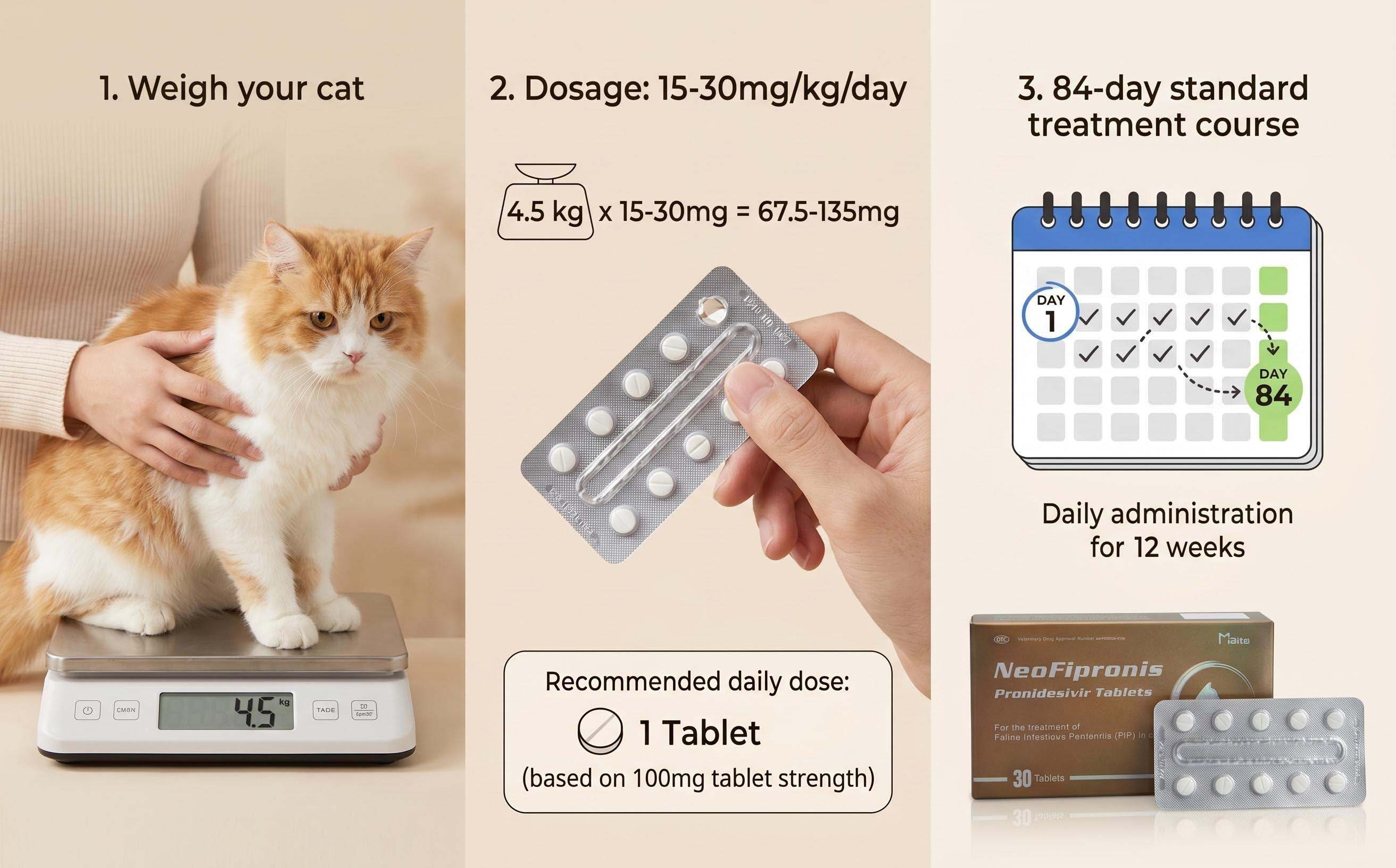
Veterinarians administering NeoFipronis should adhere to the recommended dosage regimen established during clinical trials. The typical course involves daily oral administration over several weeks, with adjustments based on the severity of symptoms and response to therapy. Monitoring during treatment includes regular clinical assessments, imaging studies, and laboratory testing to evaluate viral load and organ function.
Early intervention is critical. Cats presenting with neurological signs consistent with FIP should receive prompt antiviral therapy to maximize the likelihood of neurological recovery. Side effects are minimal, with most cats tolerating the medication well. However, veterinarians should watch for any gastrointestinal disturbances or allergic reactions and adjust treatment accordingly.
Advantages Over Traditional and Experimental Therapies
NeoFipronis's approval marks a turning point in veterinary medicine for feline infectious diseases. Compared to earlier experimental treatments, it offers a standardized, regulated, and accessible option that can be prescribed safely. Its oral form is particularly advantageous, as it eliminates the need for injections or invasive procedures, reducing stress and improving compliance for both cats and owners.
The rapid absorption and high bioavailability facilitate quick onset of action, essential in severe cases like neurological FIP. Its safety profile, characterized by few side effects and good tolerability, enables extended use for long-term management, increasing the chances of full recovery.
Case Studies and Success Rates
Numerous case studies have documented remarkable recoveries in cats with neurological FIP following NeoFipronis therapy. In these reports, cats exhibiting severe neurological deficits showed significant improvement within a few weeks of treatment, with some even regaining full neurological function. Survival rates have improved dramatically, transforming the prognosis of what was once considered a hopeless condition.
These clinical outcomes underscore the importance of early diagnosis and treatment initiation. Veterinary practitioners worldwide are increasingly adopting NeoFipronis as a standard protocol for managing neurological FIP cases.
Future Perspectives and Research
While NeoFipronis has demonstrated exceptional efficacy, ongoing research continues to optimize treatment protocols, dosage, and duration. Additionally, studies are exploring its use in other coronavirus-related feline diseases and investigating potential synergistic effects with other antiviral agents.
The approval of NeoFipronis also paves the way for the development of similar oral antivirals, expanding the arsenal against feline infectious diseases. Increased awareness and education among pet owners and veterinarians will further improve early detection and successful management of neurological FIP.
Conclusion
NeoFipronis (Pronidesivir) represents a groundbreaking advancement in the treatment of neurological FIP in cats. Its rapid action, excellent safety profile, and ability to penetrate the central nervous system make it a highly effective therapeutic tool. As the first officially approved oral medication for FIP, NeoFipronis provides hope to veterinarians and cat owners facing one of the most challenging feline diseases. Continued research and clinical application will further enhance its role in feline medicine, ultimately saving numerous lives and improving the quality of life for infected cats.
References
1. Veterinary antiviral therapy reports on NeoFipronis (Pronidesivir)
2. Clinical trials and field studies on FIP treatments with GS-441524 derivatives
3. Guidelines for the management of neurological FIP in cats
4. Official registration documentation of NeoFipronis by the Lao Ministry of Agriculture and Forestry
5. Pharmacokinetic analyses of oral antiviral agents in feline central nervous system infections