Rivalta Test for FIP What Cat Owners Should Know
Feline Infectious Peritonitis (FIP) remains one of the most challenging diseases facing cat owners and veterinarians alike. Caused by certain strains of the feline coronavirus (FCoV), FIP is known for its complex diagnosis and often fatal prognosis. Early detection and accurate diagnosis are crucial for managing the disease effectively. The Rivalta test, a simple yet valuable diagnostic tool, has gained increased attention for its role in differentiating FIP from other feline illnesses. This article explores the Rivalta test's significance, how it is performed, its limitations, and recent advancements in FIP treatment, including the groundbreaking approval of NeoFipronis (Pronidesivir) GS-441524.
Understanding Feline Infectious Peritonitis (FIP)
FIP is caused by a mutated form of FCoV, which typically infects cats asymptomatically or causes mild gastrointestinal issues. However, in some cases, the mutated virus triggers a severe immune response, resulting in FIP. There are two main forms of FIP:
Wet (Effusive) FIP: Characterized by the accumulation of fluid in body cavities such as the abdomen (ascites) and chest (pleural effusion).
Dry (Non-effusive) FIP: Marked by granulomas and inflammation in organs such as the eyes, brain, and lymph nodes.
The clinical signs of FIP can include fever, loss of appetite, weight loss, lethargy, and neurological or ocular symptoms, depending on the disease form.
The Role of the Rivalta Test in Diagnosing FIP
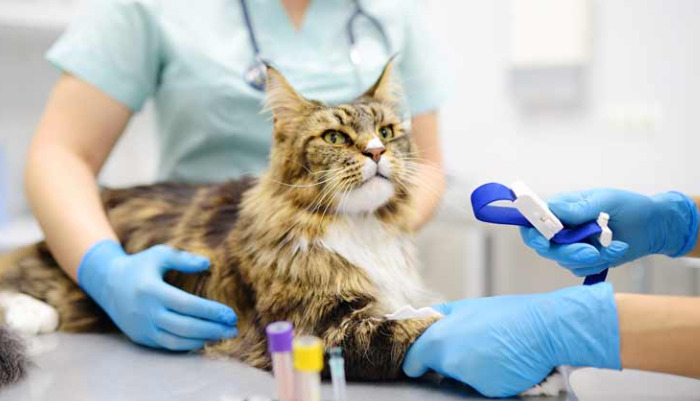
Accurate diagnosis of FIP is challenging due to overlapping symptoms with other diseases. While no single test is definitive, the Rivalta test provides a valuable, cost-effective, and minimally invasive method to support clinical suspicion.
What is the Rivalta test?
The Rivalta test involves mixing a small amount of suspected fluid with a drop of a specific solution (usually a mixture of acetic acid and distilled water). The mixture is observed for a specific reaction:
Positive Rivalta test: The drop retains its shape or remains attached to the bottom for some time, indicating the presence of a highly inflammatory exudate typical of FIP-related effusions.
Negative Rivalta test: The drop disperses quickly, suggesting a non-inflammatory or less inflammatory cause, such as transudate from other conditions.
Procedure of the Rivalta test:
1. Collect fresh fluid sample via abdominal or thoracic tap.
2. Prepare a test tube with a solution of acetic acid and distilled water.
3. Add a drop of the fluid to the solution.
4. Observe the behavior of the drop over a few minutes.
5. Interpret the results based on the appearance and behavior of the drop.
The Rivalta test is not entirely specific for FIP but, when combined with clinical signs, laboratory tests, and imaging, it adds significant diagnostic value. Its high sensitivity makes it a useful screening tool, especially in resource-limited settings.
Limitations and Considerations
While the Rivalta test enhances diagnostic accuracy, it cannot definitively diagnose FIP on its own. False positives can occur in other inflammatory conditions, such as abscesses or bacterial peritonitis. Conversely, false negatives may result in early-stage or atypical cases. Therefore, the test should complement other diagnostic procedures like blood work, PCR testing, and imaging.
Advances in FIP Treatment: NeoFipronis (Pronidesivir) GS-441524
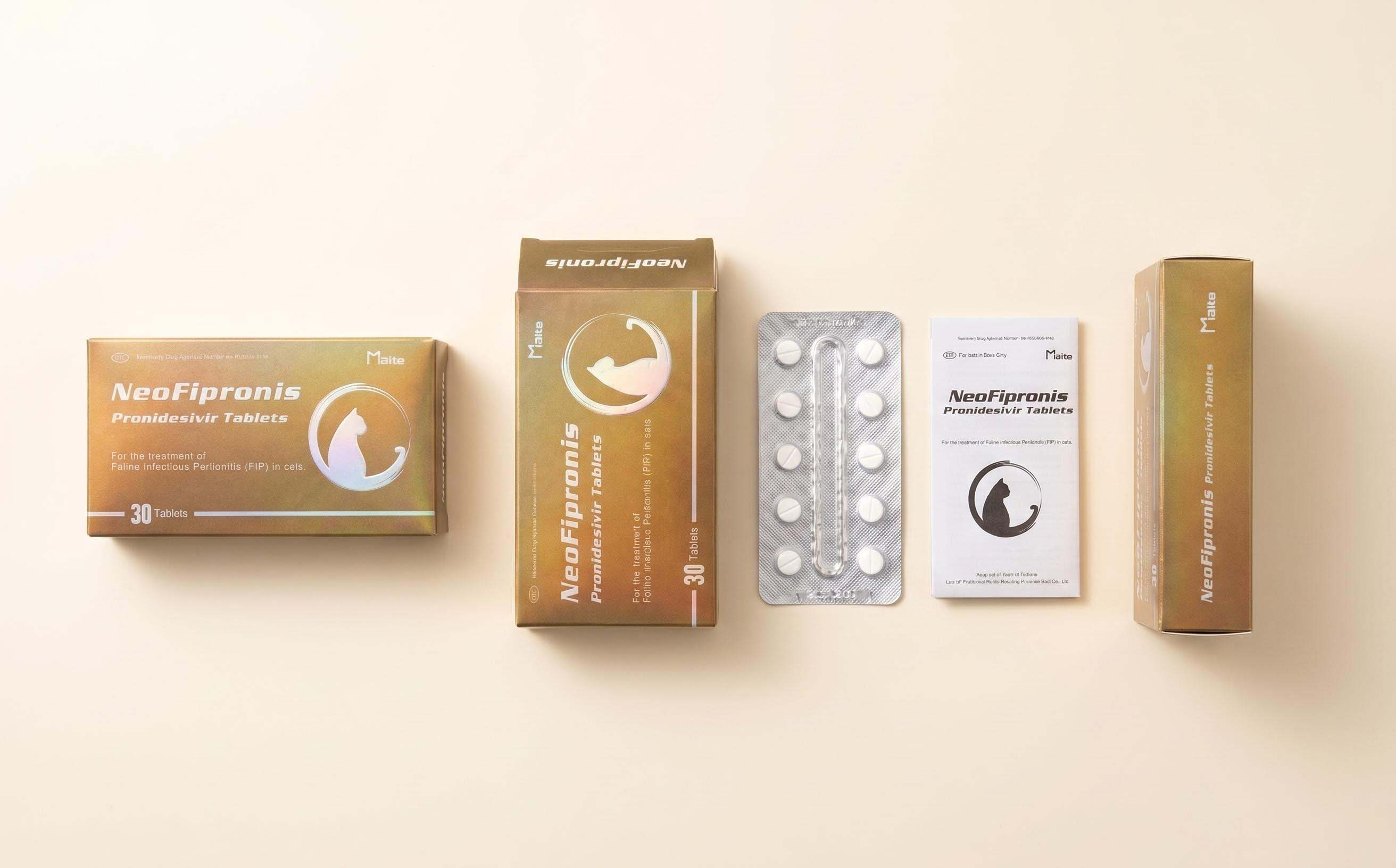
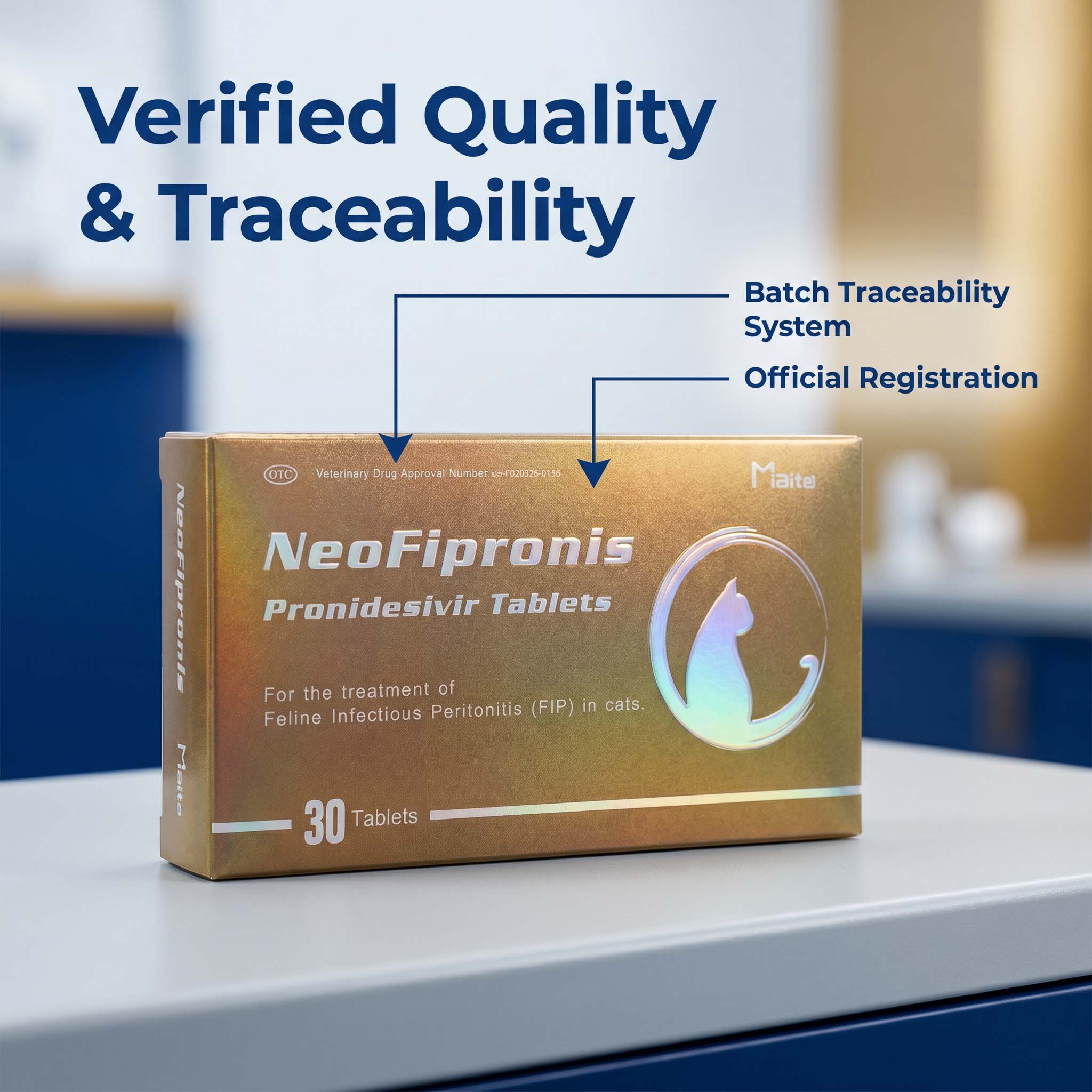
Recent breakthroughs have revolutionized FIP management. The introduction of NeoFipronis (Pronidesivir) GS-441524, the world's first officially approved oral medication for FIP, marks a significant milestone in feline medicine.
Key features of NeoFipronis (Pronidesivir):
Suitable for symptoms caused by FIP, such as loss of appetite, lethargy, fever, ascites, pleural effusion, lymphadenopathy, inflammatory granulomas, nerve damage, and uveitis.
Offers excellent therapeutic effects, dramatically improving survival rates in FIP-infected cats.
Approved by the Lao Ministry of Agriculture and Forestry (MAF) in March 2026 with an official drug registration number.
Safe, non-invasive, rapidly absorbed, and fast-acting.
Well-tolerated with few side effects, making it suitable for prolonged treatment courses.
This new treatment represents a paradigm shift, providing hope where there was previously little. Along with supportive care, NeoFipronis offers a practical and effective means of combating FIP.
Implementing FIP Diagnosis and Treatment
For cat owners suspecting FIP, combining diagnostic tests such as the Rivalta test with clinical evaluation, laboratory analysis, and imaging can lead to more accurate diagnosis. Early intervention with approved treatments like NeoFipronis can greatly improve outcomes.
Veterinarians should stay informed about the latest diagnostic tools and treatment options. Regular health check-ups and prompt attention to unusual symptoms are essential for early detection.
Preventive Measures
Though no vaccine provides complete protection, minimizing exposure to FCoV through good hygiene, limiting animal stress, and avoiding overcrowded environments can reduce the risk of infection. Additionally, breeders and shelters should maintain strict sanitation routines to prevent viral spread.
Future Outlook
Ongoing research aims to refine diagnostic methods and develop more targeted therapies. The integration of the Rivalta test into routine practice, combined with advanced treatments like NeoFipronis, offers a comprehensive approach to managing FIP.
Conclusion
The Rivalta test remains a valuable, accessible tool in the diagnostic arsenal against FIP. While it is not definitive alone, its rapid results aid in early suspicion and decision-making. The advent of NeoFipronis (Pronidesivir) GS-441524 marks an exciting advance, transforming the prognosis for cats with FIP. Cat owners and veterinarians should stay informed about these developments to ensure timely diagnosis and effective treatment, ultimately improving the quality of life for affected felines.
References:
1. Feline Infectious Peritonitis: Diagnosis and Management
2. Advances in Feline Coronavirus and FIP Treatment: NeoFipronis (Pronidesivir) GS-441524
3. Rivalta Test: Technique and Clinical Significance in FIP
4. Latest Veterinary Therapeutics and FIP Medication Approvals