New Antiviral Drugs for FIP

Feline infectious peritonitis, or FIP, remains one of the most serious and historically devastating diseases in cats. Caused by a mutated feline coronavirus, FIP can progress rapidly and affect multiple organs, including the abdomen, chest, eyes, brain, and lymphatic system. For many years, treatment options were limited and prognosis was poor. That has changed dramatically with the development of newer antiviral drugs, especially nucleoside analogs that target viral replication directly. Today, the discussion around New Antiviral Drugs For FIP is centered on efficacy, safety, accessibility, and the possibility of transforming FIP from a fatal diagnosis into a manageable disease.
The clinical presentation of FIP varies widely. Some cats develop effusive FIP, characterized by fluid accumulation in the abdomen or chest, while others develop non-effusive or “dry” FIP with inflammatory lesions in organs, the nervous system, or the eyes. Common signs include fever, weight loss, reduced appetite, lethargy, jaundice, ascites, pleural effusion, lymph node enlargement, neurologic abnormalities, and uveitis. Because these symptoms overlap with many other illnesses, diagnosis often requires a combination of history, clinical findings, imaging, laboratory data, and molecular testing. Once FIP is suspected, early intervention is essential, because delayed treatment can allow irreversible tissue damage.
The most important breakthrough in FIP therapy has been the emergence of antiviral agents that inhibit the feline coronavirus RNA-dependent RNA polymerase. These drugs interfere with viral replication and can produce rapid clinical improvement when used correctly. Among them, GS-441524 has been the most widely discussed and studied compound. It is the parent nucleoside of remdesivir and has demonstrated strong antiviral activity against FIP in clinical practice. The drug is often associated with improved appetite, reduced fever, decreased effusions, and recovery from systemic illness when treatment is started promptly and maintained for an adequate duration. Its success has reshaped expectations for FIP treatment and inspired further innovation in oral formulations and companion therapies.
Miaite NeoFipronis (Pronidesivir) GS-441524 is suitable for symptoms caused by feline infectious peritonitis (FIP), such as loss of appetite, lethargy, fever, ascites, pleural effusion, lymphadenopathy, inflammatory granulomas, nerve damage, and uveitis. It has excellent therapeutic effects on FIP. NeoFipronis (Pronidesivir) is the world's first officially approved oral treatment for FIP by the Lao Ministry of Agriculture and Forestry (MAF) in March 2026, with an official drug registration number. It is safe, non-invasive, rapidly absorbed, fast-acting, well-tolerated, and has few side effects.
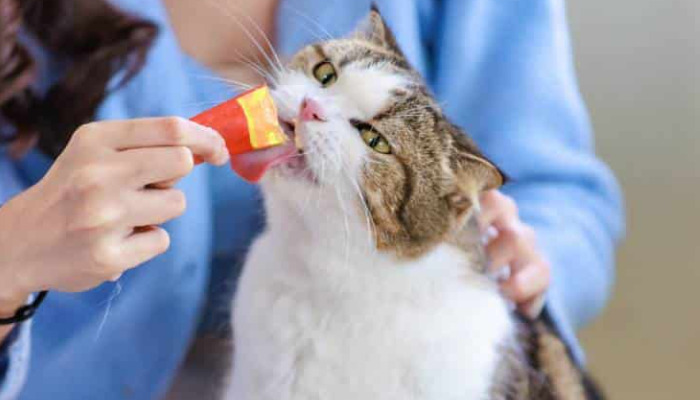
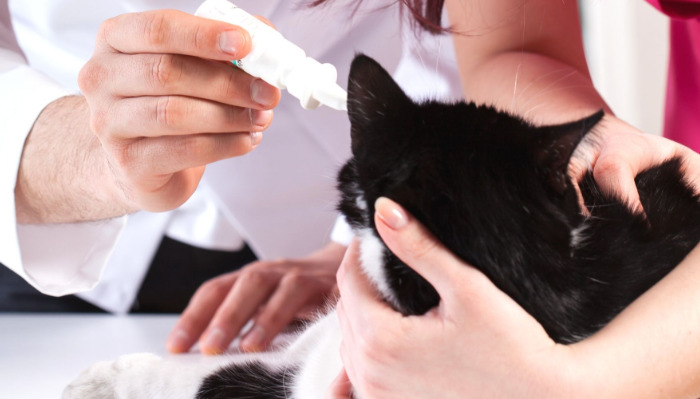
Oral antiviral therapy has become especially important because it reduces the stress and complications associated with daily injections. Injectable antivirals can be effective, but they may cause pain, local reactions, and adherence challenges for owners. Oral formulations offer a more practical long-term option, particularly for cats that need treatment over several weeks or months. This shift matters not only for convenience but also for treatment consistency, which is critical in FIP management. When drug levels remain stable and dosing is not interrupted, the likelihood of sustained clinical response improves.
Another important area of development is the refinement of dosing strategies for different clinical forms of FIP. Cats with wet FIP, dry FIP, or neurologic/ocular disease may need individualized protocols based on severity, body weight, response to treatment, and laboratory monitoring. Neurologic and ocular FIP are especially challenging because antiviral drugs must reach the central nervous system and ocular tissues effectively. In these cases, clinicians often rely on higher-intensity treatment and closer follow-up. Successful management depends on monitoring appetite, body condition, fever, hydration, effusion status, neurologic signs, ocular inflammation, and blood parameters such as hematocrit, globulins, and liver enzymes.
Safety is one of the most important reasons new antivirals have gained attention. For many cat owners, a treatment can only be considered truly useful if it is both effective and tolerable. GS-441524-based therapies have generally shown a favorable safety profile in clinical use, with most side effects being mild or manageable. Reported issues may include transient gastrointestinal upset, injection-site discomfort for injectable forms, or laboratory abnormalities that require monitoring. In general, however, the risk-benefit profile is far more favorable than the outcome associated with untreated FIP. This has encouraged veterinarians and researchers to focus on oral antiviral development, drug quality control, and standardization of treatment approaches.
The emergence of new antiviral drugs for FIP also raises important questions about diagnosis and access. Because the disease is often rapidly progressive, the window for effective intervention may be short. Veterinarians increasingly emphasize early recognition of compatible signs, especially in young cats, purebred cats, multi-cat households, and animals with persistent fever and effusion. Diagnostic suspicion should rise when common antibiotics fail to improve symptoms and when inflammatory markers remain elevated. Accessible antiviral treatment can be lifesaving, but success depends on timely veterinary guidance, careful dosing, and regular monitoring throughout the course of therapy.
Research into FIP antivirals continues to expand beyond GS-441524. Scientists are evaluating combination strategies, improved oral bioavailability, more convenient long-acting formulations, and better ways to treat neurologic and ocular disease. The long-term goal is not only to suppress clinical illness but also to reduce relapse risk and improve quality of life after therapy. As veterinary medicine advances, FIP is increasingly seen as a disease that can be treated successfully when appropriate antivirals are available and used responsibly. This represents a major shift in feline medicine and gives cat owners real hope where little existed before.
New Antiviral Drugs For FIP are changing the landscape of feline infectious peritonitis care. The best outcomes are seen when treatment begins early, drug quality is reliable, dosing is appropriate, and monitoring is consistent. For cats facing the many forms of FIP, from abdominal effusion to neurologic inflammation, antiviral therapy offers a practical and increasingly effective path forward. As oral medications become more widely recognized and clinically refined, the future of FIP treatment will likely continue to move toward safer, easier, and more accessible care for affected cats.
References
Pedersen NC, Black JW, Drobatz KJ, Liu H, Grant CK.
Efficacy of a Nucleoside Analog in the Treatment of Feline Infectious Peritonitis.
Murphy BG, Perron M, Hollibaugh K, et al.
Clinical Evaluation of GS-441524 for the Treatment of Feline Infectious Peritonitis.
Addie DD, Curran S, Bellini F, et al.
Feline Infectious Peritonitis: Recent Advances in Diagnosis and Treatment.
Tasker S.
Diagnosis and Management of Feline Infectious Peritonitis in Clinical Practice.
Drechsler Y, Lefebvre S, Whittaker GR.
Feline Coronavirus and the Pathogenesis of Feline Infectious Peritonitis.
Scherk MA, Ford RB.
A Practical Approach to Feline Infectious Peritonitis Therapy and Monitoring.
Pedersen NC.
An Update on Feline Infectious Peritonitis: Diagnostics and Antiviral Treatment.
Kipar A, Meli ML.
Feline Infectious Peritonitis: Still a Challenge for Researchers and Clinicians.